AliExpress Is Going After Non-EU Shoppers – What the 25% Growth Target Means for Global Sourcing

AliExpress Is Going After Non-EU Shoppers â What the 25% Growth Target Means for Global Sourcing
Category: Industry Trends | Date: 2026-10-21
Executive Summary
AliExpress has unveiled an aggressive expansion plan for the 2026 Global Shopping Festival, targeting 25% year-over-year growth in new customers outside the EU with over one billion impressions planned globally. The platform extends the festival to December 3, ramps up subsidies, and introduces tax strategies for Europe. For B2B buyers, this signals a fundamental shift in how Chinese e-commerce platforms redefine global consumer demand and what it means for supplier discovery in new markets.
The Big Picture Behind the Announcements
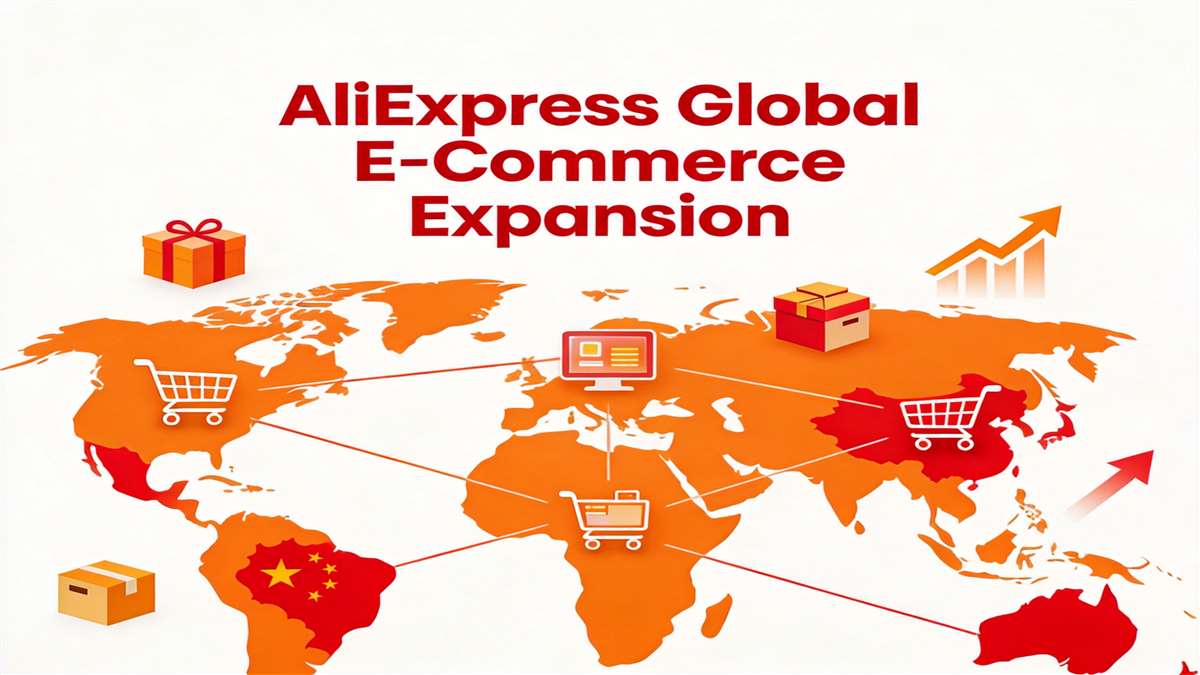
On October 19, 2026, AliExpress released its core strategy for the 2026 Global Shopping Festival, and the numbers tell a story that goes far beyond a seasonal sales event. A 25% target for new customer growth outside the EU is not incremental â it is a declaration that the company is pivoting aggressively into Latin America, the Middle East, Africa, and South Asia. These are markets that B2B sourcing professionals typically overlook, and that oversight is becoming a competitive disadvantage.
The festival period has been extended to December 3, providing a longer runway for both consumers and the suppliers who serve them. But the strategic signal is even more important than the timeline: AliExpress is investing heavily in markets that have historically been fragmented, under-indexed, and underserved by global e-commerce infrastructure.
The Markets Nobody Is Watching Closely Enough
Here is the thing most sourcing teams miss when they focus exclusively on the US and EU: the fastest-growing consumer markets for Chinese cross-border e-commerce are precisely the ones that AliExpress called out in its B11 strategy.
Latin America is leading the charge. Brazil, Mexico, and Argentina represent millions of new online shoppers who are discovering Chinese-manufactured products for the first time, and the demand is accelerating. The Middle East is another underpenetrated region with high purchasing power and limited local manufacturing capacity â a structural match for China's supply chain capabilities. Africa, particularly North and East African markets, is growing at a rate that dwarfs developed economies in e-commerce adoption.
For B2B buyers, this creates an opportunity that most are not capitalizing on. The suppliers who are currently serving AliExpress sellers in these markets are often the same factories that can produce comparable volumes for wholesale procurement â if buyers know where to look.
The Tax Strategy That Could Reshape European Sourcing
AliExpress is not ignoring Europe. In fact, the platform's approach to European tax reform reveals a more sophisticated supply chain strategy than most observers realize. The introduction of tax-free stores and tax-reduction vouchers suggests that AliExpress is building infrastructure to help sellers navigate the EU's changing VAT and customs landscape.
This has direct implications for B2B sourcing. European buyers who have been hesitant to source from China due to tax complexity and compliance uncertainty may find that the infrastructure for smoother cross-border transactions is finally being built â by the e-commerce platforms themselves. Understanding these platform-level adaptations is essential for procurement teams that want to anticipate shifts in landed cost structures and compliance requirements.
The AI Infrastructure Behind the Sales Push
Perhaps the most significant element of AliExpress's strategy is the upgrade to its AI-powered advertising and merchant evaluation systems. The platform is deploying machine learning models to optimize seller performance scoring, improve ad targeting, and streamline the connection between consumer demand and supplier capacity.
For B2B buyers, the lesson is clear: the same AI-driven matching technology that powers consumer e-commerce is increasingly being applied to B2B sourcing. Platforms that combine supplier discovery with intelligent matching algorithms are becoming the standard, not the exception. Buyers who continue to rely on manual supplier search and comparison are working with outdated tools.
SourcingX applies a similar intelligence-first approach to B2B sourcing, combining market analysis, supplier discovery, and risk assessment into a unified workflow â explore SourcingX.
What This Means for Your Sourcing Strategy
The implications of AliExpress's expansion strategy extend far beyond consumer e-commerce. Here is what sourcing professionals need to consider.
Supplier diversification into new markets. The factories supplying AliExpress sellers in Latin America and the Middle East often represent untapped sourcing opportunities for B2B buyers. These suppliers have proven capability in cross-border logistics, multilingual customer service, and rapid production cycles â capabilities that are valuable for wholesale procurement as well.
Timing and planning. The extended festival timeline to December 3 means that demand signals will continue through the end of Q4. Procurement teams that plan their sourcing cycles around traditional calendar periods may miss critical windows for negotiating with suppliers who are ramping up production.
Technology adoption. AI-powered sourcing tools are no longer a luxury â they are a competitive necessity. The platforms that can process supplier data, market trends, and risk indicators in real time will dramatically outperform those relying on spreadsheets and manual research. This is why SourcingX combines supplier search, market intelligence, and risk assessment in one unified workflow â explore SourcingX.
Market intelligence as a sourcing advantage. Understanding platform-level strategies like AliExpress's gives buyers a head start on anticipating supplier capacity shifts, pricing changes, and category trends before they appear in traditional market reports.
The Bigger Trend: E-commerce Platforms Are Reshaping Global Trade
What AliExpress is doing with its B11 strategy is a microcosm of a broader transformation. Cross-border e-commerce platforms are no longer just consumer-facing channels â they are becoming the infrastructure layer for global trade itself. They handle everything from supplier matching and logistics coordination to tax compliance and currency conversion.
For B2B buyers, this means the line between B2C and B2B sourcing is blurring. The suppliers, logistics networks, and technology platforms that serve consumer e-commerce are increasingly available for wholesale procurement â and the buyers who understand this ecosystem will have a significant advantage in supplier discovery and cost optimization.
The companies that will thrive are the ones that view e-commerce platform strategies not as news to skim, but as intelligence to act on. The data on where consumer demand is shifting, which suppliers are scaling, and which markets are expanding is available right now â it just requires the right tools and the right analytical framework to surface and apply.
The Supplier Discovery Opportunity Hidden in Plain Sight
Here is a thought experiment that most sourcing professionals have not considered: the factories supplying AliExpress sellers in Brazil, Saudi Arabia, or Kenya are often the same factories that supply wholesale buyers in the same countries. They share production capacity, component supply chains, and logistics infrastructure. The difference between consumer e-commerce fulfillment and wholesale procurement is frequently just order volume and packaging specifications.
This means that the demand signals from AliExpress's B11 campaign are not just consumer indicators â they are supplier capacity indicators. When AliExpress is driving massive demand for wireless earbuds in Mexico, the factories producing those earbuds are simultaneously capable of fulfilling wholesale orders from Mexican retailers. The supply channels are parallel, not separate.
For B2B buyers who understand this dynamic, AliExpress's expansion strategy becomes a real-time supplier discovery tool. Instead of waiting for traditional trade data to report what is already happening, you can read platform-level demand signals and identify the suppliers who are already proven in those markets â with consumer demand validation behind them.
Logistics Infrastructure as a Sourcing Advantage
The markets AliExpress is targeting are not just consumer destinations â they are becoming full logistics ecosystems. The platform's heavy investment in these regions means that warehousing networks, customs brokerage relationships, last-mile delivery capabilities, and reverse logistics infrastructure are all being built in parallel with consumer demand.
For B2B buyers, this is an infrastructure advantage that did not exist even two years ago. Sourcing from a Chinese supplier into Mexico is no longer a logistics gamble. The infrastructure that supports cross-border e-commerce fulfillment â bonded warehouses in Monterrey, customs clearance partnerships in Mexico City, regional distribution centers in Sao Paulo â creates the same infrastructure that wholesale buyers can leverage. Understanding which logistics corridors are being built and at what scale gives procurement teams information that directly affects landed cost calculations and delivery reliability assessments.
Payment and Currency Considerations
AliExpress's expansion also includes significant investment in local payment infrastructure. Local currency pricing, local payment method integration, and cross-border currency hedging mechanisms are all being developed as part of this growth push. For B2B buyers, these developments matter because they signal which markets have the financial infrastructure needed for sustained trade activity.
When a platform invests in local payment processing for a market, it is betting on that market's long-term trade potential. These bets are informed by sophisticated data analysis that most individual procurement teams do not have access to. Treating platform payment strategy as a leading indicator of market viability is a sourcing intelligence advantage that compounds over time.
The Competitive Dynamics: Who Gets Sourced Where
As AliExpress expands into new markets, the competitive landscape among Chinese e-commerce platforms shifts in predictable but underappreciated ways. Temu, SHEIN, and other platforms are simultaneously pursuing their own expansion strategies in overlapping and non-overlapping markets. This competitive pressure creates a dynamic where suppliers have increasing options for market access, which in turn gives buyers increasing negotiating leverage.
Understanding which platforms are competing in which markets, and which suppliers are serving multiple platforms, creates a strategic map that most B2B buyers have not yet begun to chart. The map reveals which suppliers are most versatile, which markets are most contested, and which categories are experiencing the most intense supply-side competition â all of which directly affect procurement pricing and contract negotiation dynamics.
The buyers who invest the time to understand these competitive dynamics will find themselves in a significantly stronger negotiating position than those who evaluate suppliers in isolation, without the broader market context that determines supply-demand balance and pricing flexibility.
What This Means for Specific Product Categories
The B11 expansion strategy has different implications depending on the product category you source. Electronics, consumer accessories, and home goods are the categories that AliExpress's current push most directly impacts, as these represent the highest-volume categories in cross-border e-commerce. If your sourcing falls into these categories, the expansion signals increased supplier competition, which typically translates to better pricing and more favorable contract terms.
For apparel and fashion categories, the dynamics are slightly different. These categories are characterized by shorter product lifecycles and higher return rates, which create distinct logistics and quality control challenges. The suppliers who have proven capability in serving AliExpress sellers in Latin America and the Middle East have already solved many of these challenges, making them particularly attractive candidates for B2B sourcing relationships in these product categories.
Industrial and commercial products represent a third category where the B11 strategy reveals interesting sourcing opportunities. Even though these are not traditional B2C categories, the demand signals from these markets indicate which product specifications, certifications, and performance standards are most relevant for non-domestic sourcing â information that is directly applicable to B2B procurement decision-making.
FAQs
Q: What is AliExpress's main goal for the 2026 Global Shopping Festival?
A: AliExpress aims to achieve 25% year-over-year growth in new customers outside the EU, with over one billion impressions planned across global markets.
Q: How long will the 2026 B11 festival last?
A: The festival has been extended to December 3, providing a longer sales period than in previous years.
Q: What markets is AliExpress focusing on for expansion?
A: The platform is prioritizing Latin America, the Middle East, Africa, and South Asia â markets outside the EU with high growth potential.
Q: How does the tax strategy affect European buyers?
A: AliExpress is introducing tax-free stores and tax-reduction vouchers to help sellers navigate EU tax reforms, which may reduce landed costs for European end consumers and indirectly affect B2B pricing dynamics.
Q: Why should B2B buyers care about a consumer e-commerce platform's strategy?
A: Because the same suppliers, logistics networks, and market trends that drive consumer e-commerce also shape B2B sourcing opportunities. Understanding these signals gives procurement teams a competitive edge in supplier discovery and market intelligence.
Comments
0