China's Auto Exports to EU Hit 1.83 Million Units -- PHEVs Lead the Charge

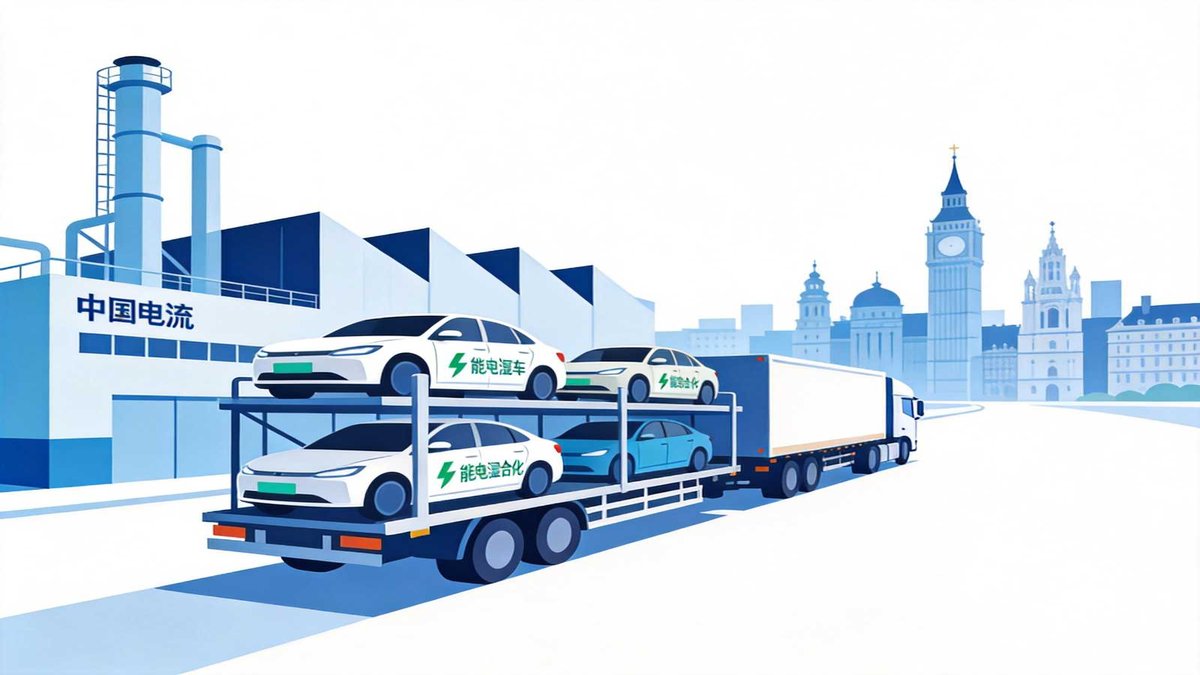
China's Auto Exports to EU Hit 1.83 Million Units -- PHEVs Lead the Charge
Category: Industry Trends | Date: 2026-11-03
Executive Summary
The first nine months of 2026 saw Chinese automakers ship 1.83 million vehicles to the European Union, surpassing the entire volume of 2025. Plug-in hybrid models alone accounted for 654,000 units, a 372 percent year-over-year surge. This is not merely a sales story. It represents a fundamental shift in how Chinese manufacturers are winning in Europe, by offering technology that bridges the gap between traditional combustion engines and full electrification.
The Timeline That Led Here
Let us trace how we got to this moment. Three years ago, European media ran stories about Chinese EVs being priced out of the EU market. Tariffs, anti-subsidy investigations, and skeptical reviews painted a picture of a Chinese auto industry still learning how to build cars. Today, the picture is radically different. The 1.83 million unit figure to the EU in the first three quarters of 2026 is not a fluke. It is the outcome of a deliberate, multi-year strategy by Chinese manufacturers.
The turning point came around 2024, when Chinese brands pivoted from selling low-cost pure EVs to offering plug-in hybrids as their European workhorse. PHEVs, including extended-range electric vehicles, solved the range anxiety problem that had plagued early Chinese EV entrants. They could run on electricity for daily commutes and switch to fuel for longer trips. For European consumers still uncomfortable with full electrification infrastructure, this was the pragmatic choice.
The numbers tell the story clearly. PHEV exports to the EU reached 654,000 units, up 372 percent from the same period last year. Battery-electric vehicle exports totaled 267,000 units, also impressive at 185 percent growth. The combined effect is staggering. Chinese automakers are not just participating in the European market. They are reshaping it.
What makes this timeline significant is the speed of the pivot. Most automakers, Chinese or Western, took decades to build the capability to design, engineer, and manufacture vehicles for a sophisticated market like Europe. Chinese brands compressed that timeline into a fraction of the years by combining aggressive investment with a willingness to iterate rapidly based on market feedback. BYD, Chery, and Geely all followed slightly different paths, but they converged on the same conclusion: PHEVs are the entry point for mass market penetration in Europe.
The Brand Breakthrough
BYD, Chery, and Geely have been the standout performers. BYD's strategy of offering both pure EV and PHEV lineups across multiple price tiers has allowed it to capture segments that neither Tesla nor legacy European brands fully addressed. Chery has focused on emerging European markets first, building a foothold in Southern and Eastern Europe before expanding northward. Geely has leveraged its ownership of Volvo to share technology and platform architecture, giving its models credibility that pure Chinese brands struggled to build.
What makes these brands compelling for B2B procurement is their vertical integration. BYD manufactures its own batteries. Chery has invested heavily in engine and transmission R&D. Geely benefits from scale through its group portfolio. For companies sourcing automotive components, batteries, motors, electronic control units, or complete vehicles, these manufacturers offer supply chain advantages that traditional Chinese auto exporters could never match.
When evaluating potential suppliers, procurement teams should look beyond headline production numbers. The companies that have invested in battery technology, that have demonstrated ability to navigate European regulatory requirements, that have established local service networks are the ones with staying power. Tools like SourcingX allow procurement professionals to compare automotive suppliers across these dimensions systematically, matching capability to procurement need.
The brand differentiation story is also important for procurement. Each of the three leading Chinese automakers has a distinct identity in the European market. BYD is positioned as a technology-forward brand with full electrification credentials. Chery appeals to price-conscious consumers looking for value. Geely occupies a premium position thanks to its Volvo connection. Understanding these positioning differences helps procurement teams match brand attributes to their specific market requirements, whether they are sourcing for a discount retailer, a mid-tier dealer chain, or a premium import business.
What the PHEV Revolution Means for Supply Chains
The PHEV focus has direct implications for component-level procurement. Battery packs, electric motors, power electronics, and thermal management systems are all critical subsystems in a PHEV. Chinese manufacturers that control these components in-house -- BYD is the clearest example -- have a cost advantage that pure assemblers cannot match.
For B2B buyers sourcing automotive components, this vertical integration trend is both an opportunity and a consideration. Suppliers with in-house battery and motor capabilities offer more stable pricing and supply continuity. Those that rely on third-party component providers may face margin pressure as the market matures.
The EU's charging infrastructure development pace also influences PHEV demand. Where charging stations remain sparse, PHEVs with extended range capabilities are the preferred choice. This geographic variation means that European markets will continue to require a mixed portfolio of EV and PHEV supply for the foreseeable future.
Sourcing Recommendations for Automotive Buyers
When sourcing Chinese automotive suppliers for the EU market, consider the following factors:
-
Regulatory compliance history: Verify that the manufacturer has demonstrated experience meeting EU type-approval requirements, including WVTA (Whole Vehicle Type Approval). Suppliers with established compliance processes reduce the risk of certification delays.
-
Battery technology capabilities: For battery and electric vehicle components, prioritize suppliers with proven battery cell or pack manufacturing experience. In-house battery production correlates with product consistency and cost control.
-
European service network coverage: After-sales service infrastructure directly affects end-user satisfaction. Manufacturers with established European service partnerships offer better support for B2B buyers who need reliable warranty and maintenance networks.
-
Product range diversity: Suppliers offering both PHEV and pure EV options provide more flexibility for buyers whose end markets have varying infrastructure readiness.
-
SourcingX comparison tools: Use supplier comparison tools to evaluate multiple automotive manufacturers across battery technology, compliance history, and service coverage dimensions before making procurement decisions.
FAQ
Q1: What percentage of Chinese auto exports to the EU were PHEVs in the first nine months of 2026?
A: PHEVs accounted for approximately 36% of total Chinese auto exports to the EU (654,000 out of 1.83 million units). However, when factoring in the 372% year-over-year growth rate, PHEVs are the fastest-growing segment and represent the core of China's automotive competitiveness in Europe.
Q2: Why are PHEVs more popular than pure EVs in the European market?
A: Range anxiety, uneven charging infrastructure across European countries, and consumer uncertainty about full electrification adoption rates have made PHEVs the pragmatic bridge technology. PHEVs allow daily electric commuting with gasoline backup for longer journeys.
Q3: Which Chinese auto brands are leading EU exports?
A: BYD, Chery, and Geely are the three standout brands. BYD leads in battery technology and full electrification offerings. Chery excels in price competitiveness and emerging European market penetration. Geely benefits from its Volvo technology sharing for premium positioning.
Q4: How do EU tariffs affect Chinese auto exports?
A: The EU's anti-subsidy investigation resulted in additional tariffs on Chinese electric vehicles. However, PHEVs have faced different treatment compared to pure EVs, and Chinese manufacturers have adjusted their product mix accordingly. The impact varies by brand and pricing tier.
Q5: What should B2B buyers look for when sourcing Chinese automotive suppliers?
A: Focus on regulatory compliance track record, in-house battery and component capabilities, European service network coverage, and product range diversity. Use structured comparison tools to evaluate multiple suppliers across these criteria to identify partners with the strongest long-term competitiveness.
Comments
0