How Payment Terms Work in Overseas Sourcing

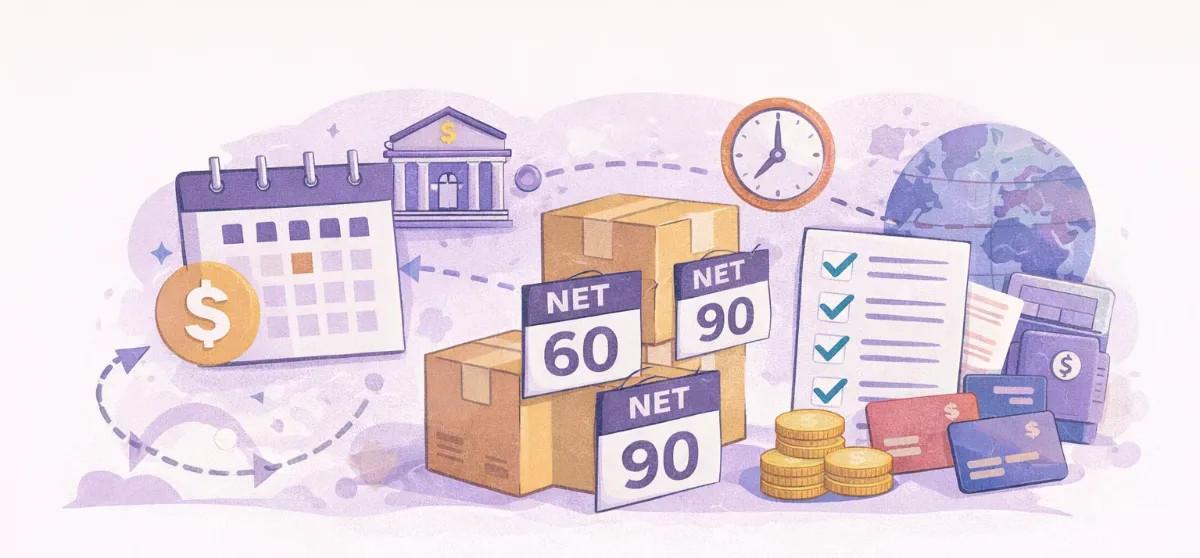
What really happens between “30% deposit” and “balance before shipment”
Payment terms are never just about money
Most buyers first encounter payment terms as a line item on a quotation:
30% T/T deposit, 70% before shipment.
It looks simple, almost procedural.
In practice, payment terms define who carries risk, when trust is tested, and how much leverage you actually have once things start moving. After years in overseas sourcing, I’ve learned that many disputes blamed on “supplier behavior” are really consequences of poorly understood payment structures.
Why suppliers care more about timing than amount
Buyers often focus on how much they pay upfront. Suppliers focus on when they get paid.
For a factory, deposits are not just security — they are working capital. That first payment often funds raw materials, labor allocation, and sometimes even other orders in the queue. This is why a supplier may push hard for an earlier deposit even when the total amount stays the same.
Understanding this changes how experienced buyers negotiate. Instead of fighting over percentages alone, they look at milestones: when materials are purchased, when production truly starts, and when goods become hard to repurpose for someone else.
The illusion of safety after paying a deposit
Many new buyers assume that once a deposit is paid, the supplier is fully committed.
That’s only partially true.
At this stage, the buyer has exposure, but the supplier still retains flexibility. Production can be delayed, priorities can shift, and specifications can quietly drift if they were never locked down clearly. This is why seasoned buyers treat the deposit stage as a moment to tighten control, not relax it.
They confirm specs again. They reconfirm delivery timelines. They make sure all assumptions are written, not remembered.
Why “balance before shipment” feels fair — until it doesn’t
On paper, paying the balance before shipment sounds reasonable. The goods are finished, and the supplier needs assurance before releasing them.
In reality, this term compresses decision-making into a narrow window. Buyers must approve quality, packaging, quantities, and documentation almost simultaneously — often based on photos and reports rather than physical inspection.
This is where experience shows. Buyers who have been burned before know that rushing this stage is expensive. They build time into the process for verification, even if it means negotiating shipment dates earlier than needed.
When alternative terms actually make sense
Letters of Credit, open account terms, or staged payments are often discussed as if they’re universally better or worse. They aren’t.
Each shifts risk differently depending on order size, relationship maturity, and supply chain complexity. Experienced buyers don’t chase “best terms” in theory — they choose terms that match their actual control over the transaction.
As deals become more complex, keeping payment schedules aligned with production and communication becomes harder. This is one point where teams sometimes rely on tools like SourcingX — not to change payment terms, but to keep payment milestones, supplier confirmations, and production status connected in one place. The value isn’t financial automation; it’s clarity when timing matters.
The quiet role payment terms play in disputes
When things go wrong, payment terms quietly decide who blinks first.
A delayed shipment, a quality dispute, or a missing document feels very different depending on where the money sits at that moment. Buyers who understand this don’t just negotiate terms once — they revisit them as relationships evolve.
Over time, the best payment terms are rarely the most aggressive. They’re the ones that reduce surprises.
What experienced buyers actually optimize for
After years in overseas sourcing, most buyers stop trying to “win” payment negotiations.
They optimize for predictability.
Clear expectations. Aligned timelines. Enough leverage to correct issues before they become losses. Payment terms are simply one of the tools — but they’re a powerful one when understood properly.
Comments
0