How the Product Sourcing Process Works

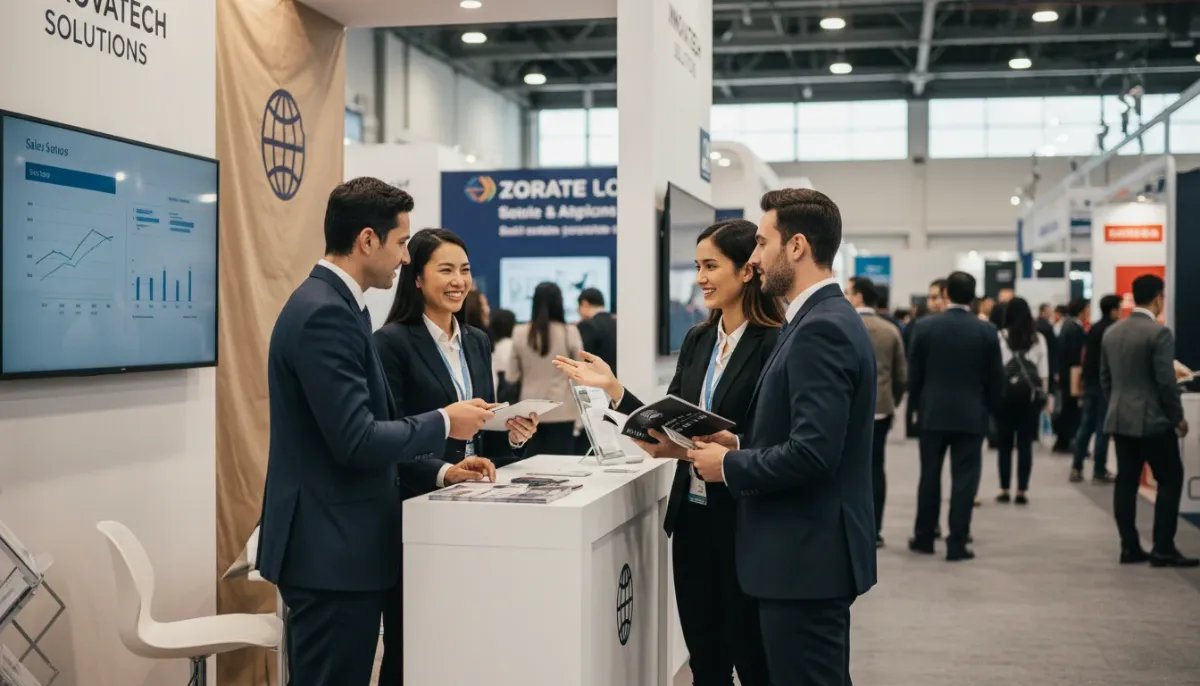
A Practical Procurement Guide for Global Buyers
Product sourcing is the foundation of global trade. Whether you are purchasing small batches for a retail store or managing complex, multi-supplier projects, a structured sourcing process is critical to controlling cost, quality, and risk.
In this guide, we break down how the product sourcing process works, explain the challenges buyers commonly face at each stage, and show how modern AI-driven tools like SourcingX are reshaping procurement workflows.
What Is Product Sourcing?
Product sourcing is the end-to-end process of identifying, evaluating, and working with suppliers to produce or supply goods. It typically includes:
- Defining product and procurement requirements
- Finding and qualifying suppliers
- Requesting and comparing quotations
- Managing communication and evaluation
- Selecting suppliers and preparing for production
For overseas buyers — especially those sourcing from China or other Asian manufacturing hubs — this process often spans multiple platforms, time zones, and languages.
Step 1: Define Clear Procurement Requirements
The sourcing process begins with clarity. Buyers must define what they are sourcing before engaging suppliers.
Key elements include:
- Product specifications and materials
- Quantity and target price
- Delivery timeline
- MOQ expectations
- Compliance, certifications, or testing requirements
Common challenge:
Many buyers rely on rough descriptions, images, or incomplete documents. This often leads to inconsistent quotes and misunderstandings.
How SourcingX helps:
SourcingX supports text, images, PDFs, and spreadsheets as input. The AI extracts key attributes and converts them into a structured, professional sourcing brief that suppliers can accurately quote on.
Step 2: Discover Suitable Suppliers
Traditionally, buyers search for suppliers across B2B marketplaces, search engines, trade shows, and personal networks.
Common challenge:
- Too many suppliers with limited transparency
- Difficulty assessing credibility and capability
- Time wasted switching between platforms
How SourcingX helps:
With a single input, SourcingX searches across its internally curated supplier database, aggregating suppliers from multiple screened channels — eliminating the need for fragmented searching.
Step 3: Screen and Shortlist Suppliers
Finding suppliers is only the beginning. Effective sourcing requires shortlisting suppliers who are truly suitable.
Typical screening criteria include:
- Product matching accuracy
- Production capacity
- Pricing competitiveness
- Lead time reliability
Common challenge:
Manual comparisons using spreadsheets or notes quickly become inefficient, especially when managing multiple products.
How SourcingX helps:
Suppliers are automatically scored based on Must-have, Preferred, and Negotiable criteria, with clear rankings across product fit, supplier capability, pricing, and delivery performance.
Step 4: Send RFQs and Manage Communication
Once suppliers are shortlisted, buyers send RFQs and follow up with detailed questions.
Common challenge:
- Rewriting similar emails repeatedly
- Missing critical questions
- Managing long, unstructured email threads
How SourcingX helps:
SourcingX generates professional inquiry emails automatically and sends them to multiple suppliers at once. During conversations, key information is extracted, unanswered questions are flagged, and follow-ups are created automatically.
Step 5: Collect and Compare Quotes
Supplier quotes often arrive in different formats, levels of detail, and terminology.
Common challenge:
Important details like Incoterms, tooling costs, or lead times are buried in emails or attachments, making objective comparison difficult.
How SourcingX helps:
The platform automatically extracts pricing, MOQs, delivery terms, and timelines into a structured comparison table, enabling faster and more transparent decision-making.
Step 6: Evaluate Suppliers and Make a Decision
Beyond price, buyers must evaluate risks such as supplier reliability, compliance, and communication quality.
Common challenge:
Supplier evaluation is often subjective and based on scattered information.
How SourcingX helps:
SourcingX generates comprehensive supplier evaluation reports, combining product fit, communication history, pricing analysis, and risk indicators — all in one place.
From Manual Sourcing to Intelligent Procurement
The traditional sourcing process is fragmented and heavily manual. For global buyers, this often translates into higher costs, slower timelines, and greater risk.
SourcingX transforms sourcing into a single, intelligent workflow:
- One input instead of multiple platforms
- Automated communication instead of repetitive emails
- Structured comparisons instead of scattered data
Whether you are a small-volume buyer, a frequent purchaser, or a professional sourcing team, understanding and optimizing the sourcing process is key to building a scalable, reliable supply chain.
Explore more Procurement Guides on SourcingX and discover how AI can simplify your sourcing decisions.
Comments
0