Russia's E-Commerce Warehouses Hit Again: What Cross-Border Sellers Need to Know

Russia's E-Commerce Warehouses Hit Again: What Cross-Border Sellers Need to Know
Executive Summary
In early August 2026, drone strikes on Wildberries and Ozon warehouses inflicted at least $1.87 billion in losses to merchants. Both platforms declared force majeure, leaving sellers to bear their own cargo losses with compensation rates ranging from only 3% to 50%.
Background
The attacks began in mid-July 2026. Wildberries, Russia's largest online retailer, saw around 10% of its warehouse network paralyzed. Ozon, the second-largest platform, experienced its first drone attack.
Impact on Cross-Border E-Commerce
Warehouse Concentration Risk
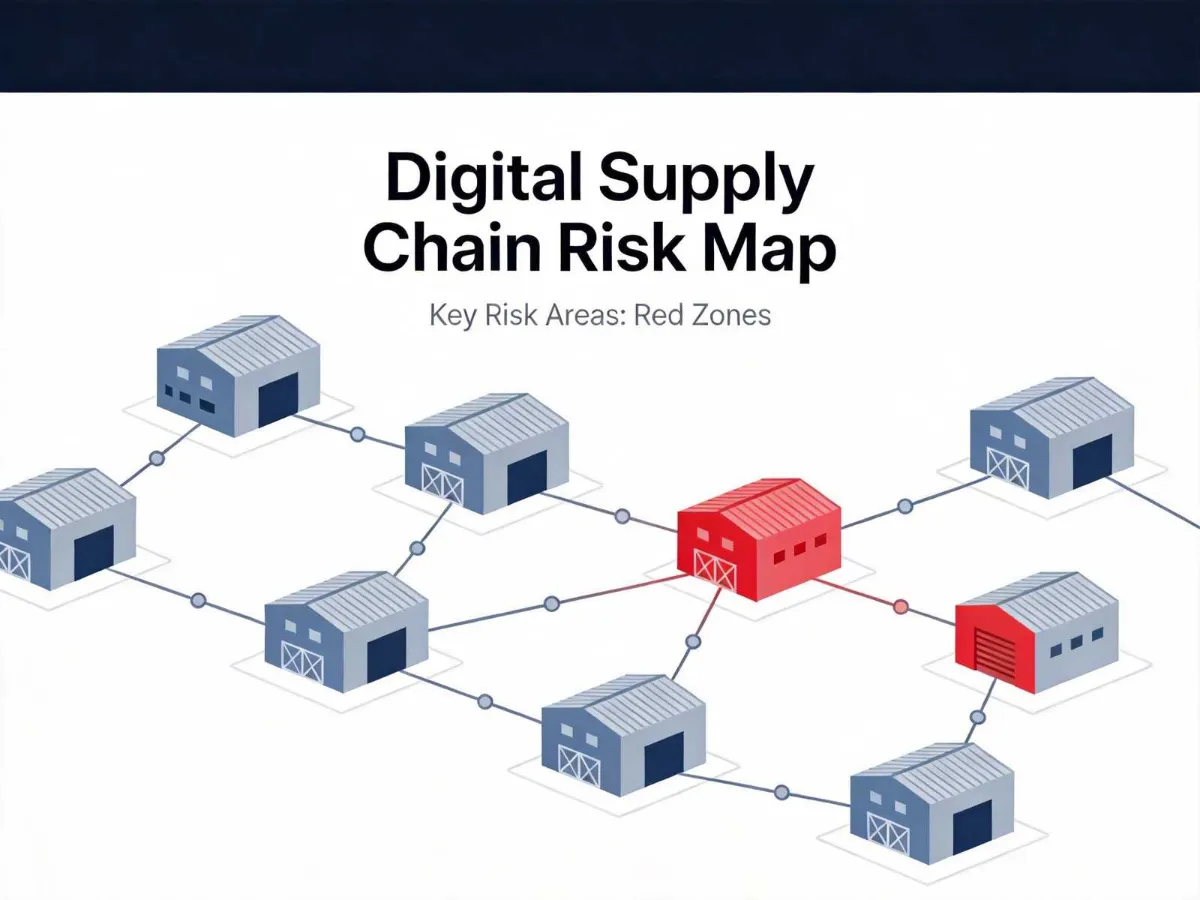
The attacks exposed a fundamental vulnerability: concentrated warehouse infrastructure. A single attack can cascade into massive supply chain disruption.
Supply Chain Reallocation
Sellers are accelerating their shift toward decentralized third-party overseas warehouses, distributing inventory across multiple geographic locations.
Building Resilient Sourcing Strategies
Multi-Location Inventory Strategy
Distribute stock across warehouses in different regions to mitigate localized disruptions.
Supplier Diversification
Evaluate not just supplier capabilities but also their supply chain resilience.
Real-Time Risk Monitoring
SourcingX's risk alert system helps buyers stay informed about supply chain disruptions, trade restriction changes, and market volatility.
Future Outlook
- Decentralized logistics networks: Shift to distributed third-party storage
- Insurance innovation: Growth in cargo insurance for cross-border e-commerce
- Platform liability reform: Discussions about platform responsibility
- Geographic diversification: Expanding into multiple markets
This article analyzes the warehouse attacks and their implications for cross-border supply chain resilience. SourcingX offers real-time supplier discovery, risk monitoring, and data-driven decision support.
Comments
0