Why Prices Vary So Much for the Same Product

What Buyers Learn After Comparing Too Many Quotes
The first time you source a product, price variation feels confusing.
The tenth time, it feels suspicious. The hundredth time, you stop asking “why” — and start asking “which price is lying.”
I’ve seen the same product quoted at:
- $2.10
- $3.40
- $5.80
Same photo.
Same description.
Same quantity.
At some point, you realize the problem isn’t pricing.
It’s how buyers interpret sameness.
“Same Product” Rarely Means the Same Thing
One hard lesson in sourcing is that products that look identical are often built on very different assumptions.
Assumptions about:
- Material tolerance
- Process stability
- Defect acceptance
- Packaging standards
- After-sales responsibility
Most quotes don’t spell these out.
They quietly price them in.
When buyers compare prices without comparing assumptions, the gap feels irrational — but it isn’t.
Price Is Often a Shortcut for What Wasn’t Said
In real sourcing conversations, price absorbs uncertainty.
If a supplier:
- Isn’t sure about specs
- Expects design changes
- Anticipates communication friction
They rarely say it directly. Instead, the price goes up.
On the other side, very low prices often assume:
- Looser quality thresholds
- Minimal inspection
- No responsibility after shipment
Neither is wrong — but neither is explicit.
The Factory You’re Talking To Changes the Price
Another uncomfortable truth: You’re often not talking to the same type of supplier.
Two quotes may come from:
- A factory with its own production line
- A factory outsourcing half the process
- A trading company aggregating capacity
All can quote the “same product.” But their cost structures — and risk buffers — are completely different.
Experienced buyers learn to identify who is pricing the product before judging how much it costs.
Timing Distorts Prices More Than Buyers Expect
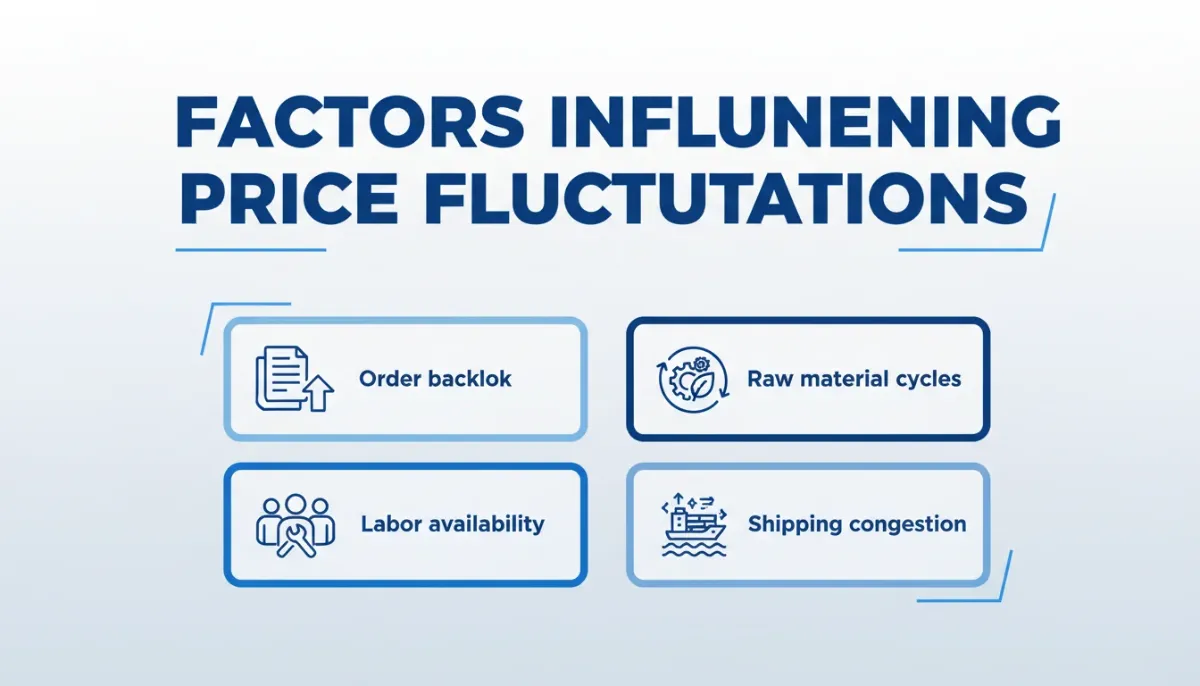
One thing rarely discussed publicly: when you ask for a quote matters almost as much as what you ask for.
Prices fluctuate based on:
- Current order backlog
- Raw material cycles
- Labor availability
- Shipping congestion
Two quotes two weeks apart can be structurally different — even from the same supplier.
Buyers who treat quotes as static truths often get misled.
Cheap Quotes Are Not Always Aggressive — Sometimes They’re Incomplete
Some of the lowest prices I’ve seen were not deceptive. They were simply incomplete.
Missing:
- Packaging costs
- Export documentation
- Quality inspection
- Compliance requirements
Those costs show up later — just not in the quote.
High prices, on the other hand, sometimes include buffers buyers didn’t ask for — but will eventually need.
Why “Just Compare Unit Price” Fails at Scale
Unit price works for simple replenishment. It breaks down when:
- Customization is involved
- Volumes fluctuate
- Lead time matters
- Risk tolerance differs
At scale, price comparison becomes less about numbers and more about context alignment.
That’s why experienced buyers don’t chase the lowest quote — they chase the clearest one.
What Changes Once You’ve Compared Enough Quotes
After enough sourcing cycles, something shifts. You stop reacting to price gaps. You start mapping them.
You notice patterns:
- Which suppliers price uncertainty
- Which price aggressively to enter
- Which build margin for stability
At that point, price variation stops being noise. It becomes information.
The next time you see three wildly different prices for the same product, you’ll likely do what most experienced buyers do:
Open the emails again.
Not to look at the numbers — but to see what each supplier assumed you meant.
Comments
0