Source Agricultural Machinery Copper Machining Part for Auto, Hardware, and Machinery
Find 30 verified options for Agricultural Machinery Copper Machining Part from Qingdao manufacturers. Compare specifications including CNC machining, anodizing, and powder coating to select the right fastener or accessory for your hardware tool or metal processing needs.
Key considerations
Products List


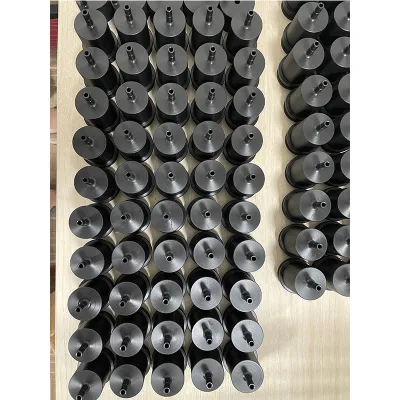


CNC Agricultural Equipment Parts Service for Farming Machinery Maintenance
$3.00 - $10.00
MOQ: 1 Pieces

Comprehensive Sourcing Guide
Strategic Sourcing Guide for Agricultural Machinery Copper Machining Parts
Understanding Technical Specifications and Material Selection
When sourcing copper machining parts for agricultural machinery, the primary objective is to identify components that balance conductivity, corrosion resistance, and mechanical strength under harsh field conditions. The available market data indicates that while copper is a primary material of interest, suppliers often utilize a broader spectrum of metals including iron, aluminum, alloy, brass, steel, and various plastics. For agricultural applications, the selection between pure copper, brass, or aluminum alloys (such as 2017, 6065, 7075, or 2024) depends heavily on the specific functional requirement of the part. Copper and brass are frequently chosen for their superior electrical conductivity and resistance to galvanic corrosion, which is critical in the wet and chemically aggressive environments typical of farming equipment.
The manufacturing process for these components is predominantly CNC Machining, which allows for high precision and the ability to produce complex geometries required by modern agricultural machinery. The machining method is often combined with other processes such as milling, and the production type can vary between batch production and mass production depending on the order volume. Buyers must verify that the supplier's machinery capabilities align with the required tolerance levels, which are often defined as "as per requirements" rather than fixed numerical values in general listings. The surface treatment is a critical technical specification; common finishes include anodizing, powder coating, and electrophoresis. These treatments are essential for agricultural parts to prevent rust and wear. For instance, anodizing is frequently cited for aluminum parts, while powder coating and electrophoresis provide robust protection for steel and iron components. The final finish must be verified against the specific environmental stressors of the intended application, such as exposure to fertilizers, pesticides, or constant moisture.
Compliance, Certification, and Regulatory Standards
Navigating the compliance landscape for agricultural machinery parts requires a rigorous verification of certifications and adherence to international standards. The market data reveals a diverse array of certifications held by suppliers, including ISO, RoHS, CE, SGS, and various national codes. It is imperative for buyers to confirm that the specific supplier and product batch hold valid, current certifications rather than relying on general claims. The presence of certifications like ISO and CE suggests adherence to quality management systems and safety directives, which are often mandatory for exporting agricultural equipment to the European Union and other regulated markets. RoHS compliance is particularly relevant for electronic components or parts containing alloys that might restrict hazardous substances, ensuring environmental safety.
In terms of technical standards, the observed data lists a wide range of applicable codes, including ASME, TEMA, JIS, GB (China), EN, BS, ANSI, GOST, ASTM, and DIN. These standards govern everything from material composition to dimensional tolerances and testing procedures. For example, a part intended for a specific agricultural implement might need to meet GB standards if manufactured in China or ASTM standards if destined for the US market. Buyers should not assume that a single listing satisfies all global standards; instead, they must request documentation proving that the specific part model, such as those referenced by codes like YKD-010 or FYS-39, conforms to the specific standard required by their local regulations. The "Standard" attribute often lists multiple codes, indicating the supplier's capability to manufacture to various international specifications, but the final verification must be tied to the specific contract requirements.
Cost Drivers and Economic Factors in Procurement
The cost of agricultural machinery copper machining parts is influenced by several dynamic factors, primarily material selection, production volume, and the complexity of the machining process. The observed price range in the market spans from 0.2 to 50 USD, reflecting the vast difference between small, simple fasteners and larger, complex machinery accessories. This wide variance underscores the importance of defining the exact scope of the order. Material costs are a significant driver; copper and brass are generally more expensive than steel or aluminum, and the specific alloy grade (e.g., 7075 aluminum vs. standard aluminum) further impacts the unit price. Additionally, the choice of surface treatment adds to the cost; anodizing and powder coating involve additional chemical and processing steps compared to bare machining.
Production volume is another critical economic factor. The Minimum Order Quantity (MOQ) observed ranges from 1 to 2000 units. For prototyping or small-scale repairs, suppliers offering low MOQs are essential, though the unit cost will likely be higher due to the setup costs associated with CNC machining. Conversely, for mass production, higher MOQs often result in economies of scale, significantly reducing the per-unit cost. The production type, whether batch or mass production, also dictates the pricing structure. Buyers should evaluate whether the supplier offers customized pricing based on drawing submissions, as this can optimize costs by reducing unnecessary material waste or simplifying the design for manufacturing. Furthermore, packaging requirements, such as carbon boxes, foam wrapping, or wooden crates for heavy parts, add to the overall landed cost and must be factored into the budget.
Typical Applications and Functional Requirements
Copper machining parts serve a multitude of roles within the agricultural machinery sector, ranging from electrical components to structural hardware. The observed applications include hardware tools, machinery accessories, fasteners, and specific components for auto and motorcycle accessories, which often share similar engineering principles with agricultural equipment. More specialized applications listed include parts for metal coating machinery, metal drawing machinery, metal engraving machinery, and metal forging machinery. These suggest that copper parts are integral to the processing and finishing stages of agricultural equipment manufacturing. Additionally, parts are utilized in metal spinning, straightening, cutting, and recycling machines, highlighting their versatility in heavy-duty industrial settings.
The functional requirements for these parts are dictated by their installation method and operational environment. Many parts are designed for fixed installation, requiring high stability and resistance to vibration. The description of these parts often includes terms like "Electronic Component," indicating their use in the control systems of modern tractors and harvesters. The ability to customize based on customer drawings is a key feature, allowing for the creation of bespoke solutions for unique machinery designs. The availability of files in formats such as Auto CAD, IGS, STP, Step, X-T, Prt, and Sldprt facilitates the seamless transfer of design data from the buyer to the manufacturer, ensuring that the final part meets the exact functional needs of the agricultural machinery. This customization capability is vital for maintaining the compatibility of replacement parts with older or specialized machinery models.
Supplier Evaluation and Business Model Assessment
Selecting the right supplier is a critical step in the procurement process, requiring a thorough evaluation of their business model, location, and operational capabilities. The market data indicates that suppliers often operate as both manufacturers and trading companies, a hybrid model that can offer flexibility in sourcing but requires careful vetting to ensure direct quality control. The origin of the products is predominantly listed as Qingdao, China, or generally as China, which is a major hub for manufacturing. Buyers should verify the specific location, such as Qingdao, Shandong, to understand the logistics and potential shipping times. The business type should be confirmed to ensure that the supplier has direct manufacturing capabilities, especially for custom CNC machining, rather than acting solely as an intermediary.
When evaluating a supplier, buyers should examine their available files and technical documentation. The ability to provide files in multiple standard formats (Auto CAD, IGS, STP, etc.) demonstrates a high level of technical proficiency and compatibility with modern design software. Additionally, the supplier's approach to quality control is paramount. The data mentions the availability of QC reports, files, and copy files, which should be requested for every batch. The condition of the products is listed as "New," but buyers must ensure that this applies to the specific items being purchased and not just general inventory. The sample policy, which often allows for customization based on drawings, is another indicator of a supplier's flexibility and commitment to meeting specific buyer requirements.
Quality Control and Long-Term Procurement Considerations
Ensuring the long-term reliability of agricultural machinery parts requires a robust quality control strategy. The observed data highlights several quality assurance measures, including the availability of QC reports and the use of specific production processes like progressive die and CNC machining. Buyers should insist on receiving detailed QC reports for every shipment, which should include test results and verification of material composition. The condition of the parts must be strictly "New," and any signs of wear or damage during inspection should be grounds for rejection. The finishing processes, such as anodizing and powder coating, must be inspected for uniformity and adhesion to ensure they will withstand the rigors of agricultural use.
Long-term procurement considerations involve establishing a sustainable relationship with a supplier who can consistently meet quality standards and delivery timelines. The lead times and shipping methods, including express options like DHL, TNT, UPS, and FedEx, as well as sea shipping, should be discussed and agreed upon in advance. The packaging, which may include bubble wrap, dustless paper, double master cartons, or wooden boxes, plays a crucial role in protecting the parts during transit. Buyers should specify packaging requirements based on the fragility and weight of the parts. Furthermore, the customization aspect should be leveraged to optimize the design for durability and ease of maintenance. By focusing on suppliers who offer comprehensive file support and adhere to international standards, buyers can mitigate risks and ensure a steady supply of high-quality copper machining parts for their agricultural machinery operations.
Summary of Key Procurement Parameters
To facilitate a clear comparison of the critical parameters discussed, the following table summarizes the key attributes buyers should verify when sourcing agricultural machinery copper machining parts. This overview consolidates the technical, compliance, and logistical factors necessary for a successful procurement strategy.
| Parameter Category | Key Attributes to Verify | Typical Market Observations |
|---|---|---|
| Material Composition | Alloy type, purity, specific grades | Copper, Brass, Aluminum (2017/6065/7075), Steel, Iron, Plastic |
| Manufacturing Process | Machining method, finishing type | CNC Machining, Milling, Anodizing, Powder Coated, Electrophoresis |
| Compliance & Standards | Certifications, applicable codes | ISO, RoHS, CE, SGS, ASME, TEMA, JIS, GB, EN, ANSI, ASTM, DIN |
| Production Capacity | MOQ, Production Type, Lead Time | MOQ 1-2000, Batch/Mass Production, Customized based on drawing |
| Quality Assurance | QC Reports, Condition, Tolerance | New Condition, QC Files available, Tolerance as per requirements |
| Logistics & Packaging | Origin, Shipping, Packaging Type | Origin: Qingdao/China, Express/Sea, Foam/Wooden/Carton Boxes |
| Technical Documentation | File formats, Model Numbers | Auto CAD, IGS, STP, Step, X-T, Prt, Sldprt; Models: YKD-010, FYS-39 |
By adhering to these guidelines and verifying the specific attributes against the supplied context, buyers can effectively navigate the complex landscape of agricultural machinery component sourcing, ensuring they procure parts that meet the rigorous demands of the industry.
FAQs
What materials are available for agricultural machinery copper machining parts?
Suppliers offer iron, aluminum, copper, alloy, brass, plastic, steel, and nylon. While copper is available, aluminum alloys like 2017 or 7075 are also common for specific conductivity and strength needs in harsh field conditions.
Which certifications should I verify for these machining parts?
Common certifications include ISO, RoHS, CE, and SGS. Buyers must confirm that specific batches hold valid current certifications rather than relying on general claims to ensure compliance with international safety and quality standards.
How can I customize the design of these agricultural machinery parts?
Customization is available based on your drawings with support for Auto CAD, IGS, and STP files. Suppliers can produce bespoke solutions for unique machinery designs, ensuring compatibility with older or specialized agricultural equipment models.
What surface treatments are applied to protect these metal parts?
Available treatments include anodizing, powder coating, and electrophoresis. These finishes are essential for preventing rust and wear, particularly for aluminum parts using anodizing or steel components requiring robust protection against fertilizers and moisture.
Can I order small quantities for prototyping agricultural machinery components?
Yes, Minimum Order Quantities range from 1 to 2000 units depending on the supplier. Small orders are feasible for prototyping, though unit costs may be higher due to CNC machining setup costs compared to mass production volumes.
Where are these agricultural machinery parts typically manufactured?
Most products originate from Qingdao, China, or generally from China. Buyers should verify specific locations like Qingdao, Shandong to understand logistics and shipping times when selecting a manufacturer or trading company for their order.