Source Air Suspension Skeleton Trailer for Mining, Logistics, and Heavy Haulage
Explore 30 listings for the Air Suspension Skeleton Trailer, designed for heavy-duty transport. Compare specifications such as load capacity, axle configurations, and suspension types to find the right equipment for your logistics needs; compare the available evidence and request quotations based on your requirements.
Key considerations
Products List


Air Suspension Light Chassis 2 Axles 20FT 40FT Semi Container Skeleton Trailer with Locks
$9400.00 - $10000.00
MOQ: 1 Pieces
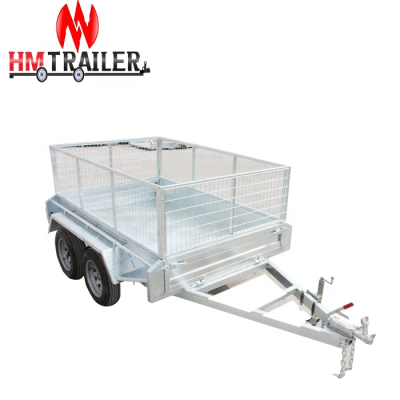


New Air Suspension Skeleton Cheap Truck Factory Customized Trailer with Good Service
$6000.00 - $8000.00
MOQ: 1 Pieces


Container Transportation Skeleton/Skeletal Semi Trailer with Mechanical/Air Suspension
$5000.00 - $14500.00
MOQ: 1 Pieces


Carbon Steel Trailer Bottom Frame/Skeleton Equipment Bottom Trailer
$1480.00 - $1800.00
MOQ: 30 Pieces


Air Suspension Container-Type Chassis Frame Semi-Trailer - European Standard Configuration with ABS
$8500.00 - $12000.00
MOQ: 1 Pieces

Comprehensive Sourcing Guide
Air Suspension Skeleton Trailer Sourcing Guide
Procuring an Air Suspension Skeleton Trailer requires a strategic balance between payload efficiency and chassis durability. These specialized semi-trailers are engineered to minimize tare weight while maximizing legal load capacity, making them ideal for high-value freight and long-haul logistics. The air suspension system provides superior shock absorption compared to traditional leaf springs, protecting cargo integrity and reducing road damage. Buyers must evaluate the specific configuration needs, such as axle count and deck dimensions, to ensure the unit meets operational demands.
The sourcing landscape for these trailers is dominated by manufacturers in regions like Shandong, China, where production volumes are high and customization options are extensive. Listings often reveal a wide price range, reflecting variations in material quality, component brands, and certification levels. Understanding the distinction between heavy-duty and medium-duty grades is crucial, as is verifying the exact suspension type, whether air or leaf spring. This guide outlines the critical verification steps to secure a reliable unit that complies with international safety standards and operational requirements.
Product Scope and Observed Listing Signals
Market listings for air suspension skeleton trailers typically highlight key structural attributes such as flatbed shapes and customizable dimensions. Observed data indicates a significant variation in wheelbase, ranging from 7000-8000mm to 9000-10000mm, which directly impacts maneuverability and cargo length capabilities. Buyers should note that while some units are specified as self-dumping, the majority of skeleton trailers are non-self-dumping flatbeds designed for standard container or bulk loading. The presence of hydraulic, mechanical, or spring ramps further defines the loading versatility, allowing for easier access to the deck surface.
Material composition is another critical signal, with steel and iron being the primary construction materials. Listings often specify heavy-duty or medium-duty grades, which correlate with the intended load capacity and structural resilience. Observed load capacities vary widely, with some units rated for 50T and others up to 80T, depending on the axle configuration and suspension setup. Additionally, tire tread specifications, such as 1820mm, and electric systems operating at 24V with LED lighting and 7-pin connectors are common features. These details help buyers assess the trailer’s readiness for specific regional road conditions and regulatory environments.
Technical Specifications to Verify
Verifying the technical specifications of an Air Suspension Skeleton Trailer is essential to ensure it meets operational requirements. The number of axles, often triple axle suspension, must align with the desired load distribution and legal weight limits in the target market. Buyers should confirm the axle beam specifications, such as R127 or S150, and the air bag specifications, like 350, which influence ride quality and load-bearing capacity. The height of the towing plate, available in various options like 1180mm or 1250mm, must match the tractor unit’s kingpin height to ensure safe and stable coupling.
Dimensional accuracy is equally important, with standard sizes often cited as 12500×2500×1500mm or customized to customer needs. The pull-out design length, observed at 8m in some listings, affects the overall trailer length and cargo space. Buyers must also verify the kingpin size, typically 50# or 90#, to ensure compatibility with existing fleet equipment. Additionally, the condition of the trailer, whether new or used, and the painting method, such as electric spray paint, impact longevity and maintenance costs. Detailed verification of these parameters prevents costly mismatches and ensures optimal performance.
Compliance and Safety Documentation
Compliance with international and regional safety standards is non-negotiable when sourcing air suspension skeleton trailers. Certifications such as ISO, DOT, GCC, ECE, and CCC are frequently listed, indicating adherence to specific manufacturing and safety protocols. Buyers must verify the authenticity and applicability of these certifications to their target markets, as requirements vary significantly between regions. For instance, DOT certification is crucial for operations in the United States, while ECE standards are relevant for European markets. Ensuring that the trailer meets these regulatory requirements avoids legal complications and facilitates smooth customs clearance.
Safety features integrated into the trailer design also play a vital role in compliance and operational safety. The inclusion of ABS anti-lock braking systems enhances stopping performance and stability, particularly under heavy loads. Buyers should request detailed documentation of the braking system’s certification and performance test results. Additionally, the electrical system’s compliance with regional voltage and connector standards, such as 24V and 7-pin configurations, must be confirmed. Proper documentation of these safety features not only ensures regulatory compliance but also enhances the overall safety profile of the trailer during operation.
Cost Drivers and Commercial Terms
The cost of an Air Suspension Skeleton Trailer is influenced by several factors, including material quality, suspension type, and certification levels. Observed price ranges vary significantly, reflecting differences in manufacturing standards and component origins. Buyers should consider the trade-off between initial cost and long-term durability, as higher-quality materials and components often result in lower maintenance costs over time. Customization options, such as specific dimensions or additional features, can also impact the final price, so clear communication of requirements is essential to avoid unexpected costs.
Commercial terms, including delivery time and packing methods, are critical components of the procurement process. Typical delivery times range from 25-30 working days, but this can vary based on order volume and customization complexity. Packing options, such as nude, container, or RO-RO shipping, affect logistics costs and handling requirements. Buyers should negotiate clear terms regarding payment schedules, warranty coverage, and after-sales support. Understanding these commercial terms helps in budgeting accurately and ensuring a smooth transaction process, minimizing risks associated with delays or hidden fees.
Supplier Qualification and Quality Control
Selecting a qualified supplier is paramount to ensuring the quality and reliability of the Air Suspension Skeleton Trailer. Buyers should verify the supplier’s manufacturing capabilities, including their production facilities and quality control processes. Suppliers based in regions like Shandong, China, often have extensive experience in trailer manufacturing, but due diligence is necessary to assess their reputation and track record. Requesting references or case studies from previous clients can provide insights into the supplier’s reliability and product quality. Additionally, verifying the supplier’s certifications and compliance with international standards adds an extra layer of assurance.
Quality control measures during production and pre-delivery inspections are crucial to identifying and rectifying potential defects. Buyers should insist on detailed inspection reports, including visual checks, dimensional measurements, and functional tests of the suspension and braking systems. Third-party inspection services can provide an unbiased assessment of the trailer’s quality before shipment. Establishing clear quality standards and acceptance criteria in the purchase agreement helps ensure that the delivered product meets expectations. Effective quality control not only reduces the risk of receiving substandard products but also builds trust and long-term partnership with the supplier.
Long-Term Procurement Checks
Long-term procurement success depends on establishing robust checks and balances for ongoing supplier performance and product quality. Regular audits of the supplier’s manufacturing processes and quality control systems help maintain consistency and identify areas for improvement. Buyers should also monitor the supplier’s ability to meet delivery timelines and handle any post-delivery issues promptly. Building a relationship based on transparency and mutual benefit fosters a collaborative environment where both parties can address challenges effectively. Continuous feedback loops and performance reviews are essential for maintaining high standards and ensuring that the supplier remains aligned with the buyer’s evolving needs.
Additionally, staying informed about industry trends and regulatory changes is crucial for long-term procurement strategy. As safety standards and environmental regulations evolve, suppliers must adapt their manufacturing processes to remain compliant. Buyers should encourage suppliers to invest in research and development to enhance product features and efficiency. By proactively addressing these factors, buyers can mitigate risks and ensure that their air suspension skeleton trailers continue to meet operational and regulatory requirements. This forward-thinking approach not only secures the current supply chain but also positions the buyer for future growth and competitiveness in the market.
FAQs
What suspension types are available for skeleton trailers?
Air suspension and leaf spring suspension are available options for skeleton trailers. Air suspension provides better shock absorption for sensitive cargo, while leaf spring systems offer robust durability for heavy-duty loads. Buyers can select the type based on their specific operational requirements and cargo protection needs.
Can skeleton trailers be customized for specific needs?
Yes, customization is available for skeleton trailers to meet unique operational demands. Manufacturers can adjust dimensions, axle configurations, and loading capacities to suit specific logistics requirements. This flexibility ensures that the trailer aligns perfectly with the buyer's fleet standards and cargo handling procedures.
What is the typical lead time for delivery?
The typical delivery time for these trailers is 25-30 working days. This timeframe allows for manufacturing, quality inspection, and preparation for shipment. Buyers should plan their procurement schedules accordingly to ensure timely arrival and integration into their existing logistics operations without disruption.
Which certifications are required for international shipping?
Common certifications include ISO, DOT, GCC, ECE, and CCC. These documents verify compliance with safety and quality standards in various regions. Buyers must ensure the supplier provides the necessary certificates for the destination market to facilitate smooth customs clearance and legal operation.
What is the standard loading capacity for these trailers?
Loading capacities typically range from 50T to 80T depending on the model and configuration. Heavier duty models support up to 80T, while medium-duty variants may handle 50T. Buyers should select the capacity that matches their heaviest expected cargo loads to ensure safety and efficiency.
How are the trailers packed for shipping?
Trailers are packed using nude shipping, container loading, or RO-RO methods. Some models may include wax spray protection against corrosion. The packing method is chosen based on the shipping route and cost efficiency, ensuring the trailer arrives in new condition ready for immediate use.