Source Alkaline Surface Disposal Agent AMPS-NH4 for Oilfield, Adhesives, Electronics
Find and compare 30 listings for Alkaline Surface Disposal Agent AMPS-NH4, a chemical auxiliary agent used in oilfield chemicals, adhesives, and electronics. Review specifications including purity, packaging, and certifications to identify suitable industrial suppliers.
Key considerations
Products List



99% High Content Industrial Grade Good Price Nh4cl Powder Ammonium Chloride
$80.00 - $100.00
MOQ: 15 Tons


High Quality Water Treatment Chemicals Acrylic Acid Copolymer AA/AMPS 30% 43%
$800.00 - $1000.00
MOQ: 1 Tons

Professional Supplier Acrylic Acid AMPS Copolymer AA/AMPS CAS 40623-75-4
$800.00 - $1000.00
MOQ: 1 Tons


Water Treatment Antiscalant AA AMPS Copolymer 42% CAS 40623-75-4 AA/AMPS
$0.90 - $1.10
MOQ: 1000 Pieces


Comprehensive Sourcing Guide
Alkaline Surface Disposal Agent AMPS-NH4 Sourcing Guide
Procuring 2-Acrylamido-2-Methylpropanesulfonic Acid Ammonium (AMPS-NH4) requires a clear understanding of its dual identity as both a chemical auxiliary agent and an alkaline surface disposal agent. Buyers must recognize that while the product is frequently listed with a purity of 99% or greater than 95%, the specific grade and physical state can vary between listings, appearing as either a white or yellowish liquid. This variation necessitates a rigorous verification process where the buyer confirms the exact physical state and purity percentage required for their specific industrial application before finalizing any purchase order.
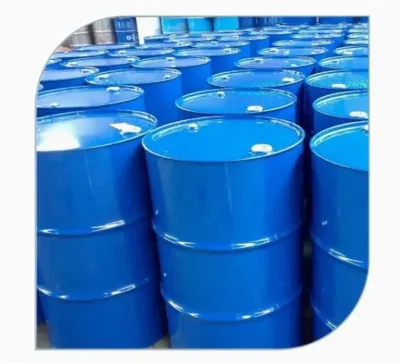
The commercial landscape for this chemical auxiliary agent is characterized by significant variability in minimum order quantities and packaging standards, ranging from single items to full container loads. Sourcing strategies must account for the fact that while some listings indicate a standard 200kg drum package, others may present different single volume or gross weight specifications that require clarification. Buyers should prioritize suppliers who explicitly define their packaging and shipping units to avoid logistical discrepancies, ensuring that the 200kg/drum standard aligns with their storage and handling capabilities.
Product Scope and Observed Listing Signals
When evaluating product listings, buyers should look for specific identifiers such as the model number AMPS or AMPS-NH4, which distinguish this ammonium salt from other acrylamido derivatives. The observed market signals indicate that the product is primarily classified under chemical auxiliary agents with applications spanning oilfield chemicals, adhesives, coatings, and electronics. It is critical to distinguish between listings for AMPS-NH4 and those for 2-Amino-2-methyl-1-propanol (AMP), as the latter is a distinct chemical with a different molecular formula and CAS number, despite sharing similar naming conventions in some catalogs.
The physical attributes observed in the market include a molecular weight of approximately 222.27 g/mol for the AMPS variant, though some listings may reference different molecular weights for related compounds. Buyers must verify the acid-base property, as the product is often described as an alkaline surface disposal agent, yet some data points suggest a pH range of 4-6 for similar chemical categories, creating a potential point of confusion. Clarifying whether the specific batch is intended for alkaline surface treatment or neutral pH applications is essential to ensure compatibility with the buyer's existing chemical processes and safety protocols.
Technical Specifications to Verify
Technical due diligence must begin with the verification of the molecular formula and CAS number to ensure the chemical identity matches the intended use. For AMPS-NH4, the focus should be on the ammonium salt structure, whereas listings for 2-Amino-2-methyl-1-propanol will cite the formula C4H11NO and CAS No. 124-68-5. Confusing these two distinct chemicals can lead to process failures, so buyers must cross-reference the CAS number and molecular weight provided in the technical data sheet against the specific requirements of their formulation or treatment process.
Physical properties such as melting point, density, and refractive index are critical verification points, particularly when the product is listed in different forms like powder or liquid. While AMPS-NH4 is typically observed as a liquid, other related chemicals in the same search space may be listed with a melting point of 340 °C (sublimation) and a density of 1.52, which are characteristic of different solid-state compounds. Buyers should request specific test results for density and refractive index to confirm the physical state and purity of the liquid product, ensuring it meets the industrial grade standard required for their application.
Compliance and Safety Documentation
Regulatory compliance is a non-negotiable aspect of sourcing this chemical auxiliary agent, with REACH and WQA certifications frequently cited as key indicators of market readiness. Buyers must verify that the supplier provides a valid Certificate of Analysis (COA), Material Safety Data Sheet (MSDS), and Technical Data Sheet (TDS) for every batch, as these documents are essential for safe handling and regulatory reporting. The presence of ISO certification further supports the supplier's commitment to quality management, but the specific COA and MSDS documents must be reviewed to confirm that the product meets the safety standards required for the buyer's jurisdiction.
Storage and handling requirements must be strictly adhered to, with specific attention paid to the recommended storage conditions of +5°C to +30°C. The shelf life of the product is typically listed as 24 months, though some variations may indicate a 3-year lifespan depending on the specific formulation and packaging integrity. Buyers should ensure that their storage facilities can maintain the required temperature range to prevent degradation, and they must verify that the packaging, often 200kg drums, is compatible with the chemical's alkaline nature to prevent leaks or container failure during transport and storage.
Cost Drivers and Commercial Terms
The cost structure for AMPS-NH4 is heavily influenced by the minimum order quantity (MOQ), which can range from a single item to a full container load (FCL). Buyers should anticipate that smaller orders may carry a higher unit price, while larger volumes, such as those meeting the 1FCL threshold, often benefit from more favorable commercial terms. Understanding the relationship between the MOQ and the unit price is crucial for budgeting, as the observed price range in the market spans from $0.50 to $4500, reflecting the vast difference between sample orders and bulk industrial shipments.
Packaging and logistics represent significant cost drivers that must be factored into the total landed cost. The standard packaging of 200kg per drum is common, but buyers must confirm the single gross weight and volume to calculate shipping costs accurately, as some listings may show zero values for these metrics which require clarification. Additionally, the origin of the product, typically Shandong, China, impacts lead times and freight costs, so buyers should negotiate clear delivery terms that account for the distance and any potential customs duties associated with importing industrial chemicals from this region.
Supplier Qualification and Quality Control
Supplier qualification should prioritize manufacturers who demonstrate a consistent track record in producing industrial grade chemical auxiliary agents with verified certifications. The presence of multiple certifications, including REACH, WQA, ISO, and the provision of COA, MSDS, and TDS, serves as a strong indicator of a supplier's reliability and adherence to international quality standards. Buyers should request references or case studies from other clients in the oilfield, adhesive, or electronics sectors to validate the supplier's ability to deliver consistent product quality for specific industrial applications.
Quality control processes must be transparent and documented, with a focus on the purity levels and physical state consistency of the product. Buyers should verify that the supplier conducts regular testing to ensure the product maintains a purity of 99% or greater than 95% and that the physical state remains consistent with the liquid or yellowish liquid description. Implementing a pre-shipment inspection or requiring third-party testing for the first few orders can mitigate the risk of receiving substandard material, ensuring that the chemical auxiliary agent meets the precise specifications required for the buyer's production line.
Long-Term Procurement Checks
Establishing a long-term procurement strategy requires regular audits of the supplier's ability to maintain consistent product specifications and supply chain stability. Buyers should schedule periodic reviews of the COA and TDS to ensure that the molecular weight, purity, and physical state have not drifted over time, which could impact the performance of the chemical in oilfield or coating applications. Maintaining a relationship with a supplier who offers customization services can also provide flexibility to adapt the product to evolving process requirements without needing to switch vendors.
Supply chain resilience is critical for industrial buyers who rely on a steady flow of chemical auxiliary agents for continuous production. Buyers should assess the supplier's capacity to handle fluctuations in demand, particularly given the wide range of observed MOQs from 1 to 3000 units. Developing a contingency plan that includes identifying alternative suppliers with similar certifications and product specifications can mitigate the risk of supply disruptions, ensuring that the alkaline surface disposal agent remains available for critical operations in the electronics, oilfield, or coating sectors.
FAQs
What is the chemical identity of Alkaline Surface Disposal Agent AMPS-NH4?
It is 2-Acrylamido-2-Methylpropanesulfonic Acid Ammonium, also known as AMPS-Nh4. This chemical auxiliary agent serves as an oil and water separation agent. It features a molecular weight of 222.27 g/mol and is classified under industrial grade standards. The product is primarily utilized in oilfield chemicals, adhesives, coatings, and electronic applications.
Can I obtain samples of Alkaline Surface Disposal Agent AMPS-NH4 before bulk ordering?
Yes, samples are available for evaluation prior to committing to large purchases. This allows buyers to verify the product's physical state and purity levels. The standard purity is listed at 99%, with some specifications noting greater than 95%. Obtaining a sample ensures the material meets specific industrial requirements before proceeding with full-scale procurement.
What certifications are provided for Alkaline Surface Disposal Agent AMPS-NH4?
The product comes with comprehensive documentation including COA, MSDS, and TDS. It holds REACH and WQA certifications, ensuring compliance with relevant regulatory standards. These documents verify the chemical's safety and quality for industrial use. Buyers can rely on these certifications to meet environmental protection and safety requirements in their respective markets.
How is Alkaline Surface Disposal Agent AMPS-NH4 packaged and stored?
The product is packaged in 200kg drums for safe transport and handling. It should be stored between +5°C and +30°C to maintain stability. The shelf life is typically 24 months when stored correctly. This packaging format supports efficient logistics for industrial buyers requiring bulk quantities of this chemical auxiliary agent.
What is the minimum order quantity for Alkaline Surface Disposal Agent AMPS-NH4?
The minimum order quantity is one full container load (1 FCL). This standard MOQ applies to bulk industrial transactions. Buyers should consider this requirement when planning inventory and logistics. The product originates from Shandong, China, and is available for customization to meet specific industrial needs.