Source Anti-Corrosion Gas Station Sunshade for Bus Station, Port, Wharf
Compare 30 Anti-Corrosion Gas Station Sunshade options for bus stations, ports, and wharves. These units feature steel structures with customizable panels and lighting for durable fueling areas.
Key considerations
Products List


High-Quality Anti-Corrosion Mobile Fuel Station Gas Station Equipment
$9000.00 - $30000.00
MOQ: 1 Sets


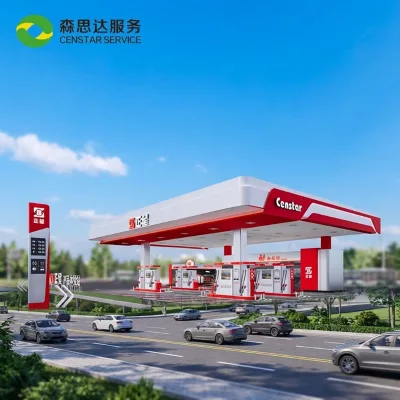
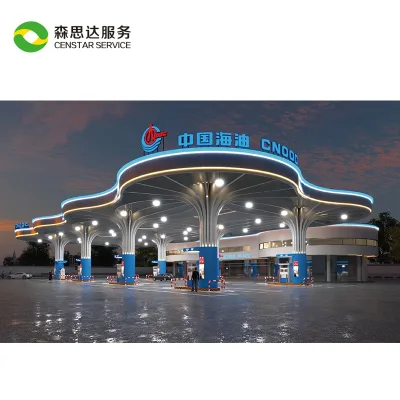
Outdoor Waterproof Portable Gas Station Steel Automatic Petrol Station
$200.00 - $220.00
MOQ: 1 square
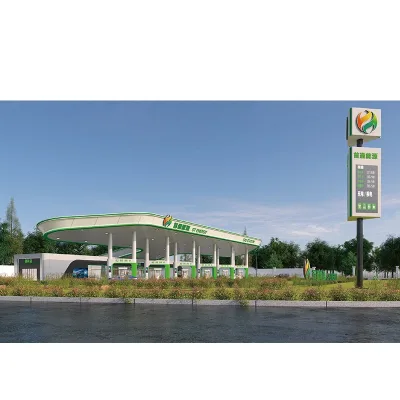
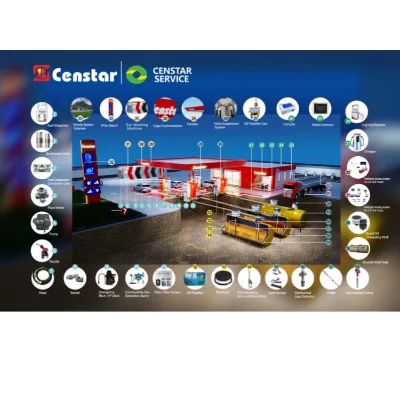


Custom Design Prefab Photovoltaic Steel Structure Fuel Station Gas Station
$35.00 - $70.00
MOQ: 200 Square Meters


Steel Shed Structure Gas Station Fuel Station Airport Photovoltaic
$35.00 - $70.00
MOQ: 200 Square Meters


Eco-Friendly Steel Structure Gas Station with Advanced Anti-Corrosion Coating
$30.00 - $35.00
MOQ: 500 Square Meters

Premium Agricultural Sunshade Solutions for Privacy and Protection
$1.35 - $2.00
MOQ: 1000 Square Meters


Durable Fuel LED Gas Station Pylon CE Certified Outdoor Heavy Duty Weatherproof
$7327.00 - $9525.00
MOQ: 1 Pieces

Comprehensive Sourcing Guide
Strategic Sourcing Guide for Anti-Corrosion Gas Station Sunshades
Understanding the Technical Architecture of Mobile and Fixed Fuel Stations
When sourcing anti-corrosion gas station sunshades, buyers must first distinguish between the structural canopy systems and the integrated fuel dispensing units, as the supplied data indicates a convergence of these technologies in modern procurement. The core keyword "anti-corrosion gas station sunshade" often points toward mobile fuel stations or containerized portable fuel stations that serve as the primary shelter and operational hub. These units are frequently categorized as "Mobile Fuel Station" or "Mobile Filling Station" and are designed for high mobility while maintaining structural integrity in harsh environments. The material composition is a critical differentiator; observed specifications list Carbon Steel as a primary material for the tank and structural components, while other variants utilize Stainless Steel, Galvanized Sheet, and Aluminum Profiles to enhance resistance against rust and chemical degradation.
The structural design often incorporates "Light Section Steel" or "High-Strength Steel" for the building structure, ensuring the canopy can withstand significant environmental stress. For the sunshade or canopy panels themselves, the material selection includes ACP (Aluminum Composite Panel), PC Board, Acrylic, and Aluminum Plate. These materials are chosen not only for their aesthetic appeal but for their durability against UV radiation and corrosive elements. The anti-corrosion capability is further reinforced by the application of specific treatments, such as the use of Galvanized Sheet, which provides a sacrificial zinc layer to protect the underlying steel. Buyers should verify that the "Low-alloy High-tensile Structural Steel" mentioned in technical profiles is specifically treated for corrosion resistance, as this is a common specification for structural components in industrial and port applications.
The operational capacity of these units is defined by the tank layer configuration, which can be either Single or Double Wall. Double-wall tanks are often preferred for enhanced safety and environmental compliance, preventing leaks in the event of a breach. The volume capacity ranges significantly, with standards observed from 1000L to 50000L, allowing for customization based on the specific throughput requirements of the site. Whether the application is a Bus Station, Port, or Wharf, the sunshade structure must accommodate the fuel dispensing equipment, which includes fuel dispensers, pumps, pipelines, valves, and the inner tank. The integration of these components within the sunshade structure requires precise engineering to ensure that the "Explosion-Proof LED Lights" and other electrical systems are safely housed and protected from the elements.
Compliance Standards and Certification Verification Protocols
In the B2B procurement of gas station infrastructure, compliance is not merely a formality but a critical safety requirement. The supplied data references several international and national standards that buyers must verify during the sourcing process. These include GB (Guobiao), ASTM, DIN, JIS, AISI, and BS standards. These standards cover various aspects of the product, from the mechanical properties of the steel used in the structure to the electrical safety of the lighting and dispensing systems. For instance, the "Standard" attribute lists these specific codes, indicating that a compliant product should be manufactured in accordance with at least one of these recognized frameworks.
Certification verification is equally paramount. The data explicitly mentions ISO 9001 as a relevant certification. This standard ensures that the manufacturer has a robust quality management system in place, which is essential for producing complex structures like gas station sunshades. Buyers should request valid ISO 9001 certificates for the specific production facilities involved in the manufacturing of the sunshade and the fuel station components. It is important to note that while ISO 9001 is a general quality standard, it does not guarantee specific performance metrics like wind resistance or fire safety without additional testing. Therefore, procurement teams must cross-reference the ISO certification with specific product test reports.
The electrical components within the sunshade, such as the "Explosion-Proof LED Lights" and the "220V/380V" or "110V/220V/380V" voltage systems, must comply with local electrical codes in addition to international standards. The "Voltage" attribute indicates a range of compatibility, but the specific configuration must match the local grid infrastructure. Furthermore, the "Life Span" of the structure is noted as "Above 5 Years," which serves as a baseline expectation. Buyers should verify if this lifespan claim is backed by accelerated aging tests or warranty documentation that aligns with the expected service life of the installation site.
Cost Drivers and Pricing Variables in Sunshade Procurement
The pricing of anti-corrosion gas station sunshades is influenced by a complex matrix of factors, including material selection, customization level, and logistical requirements. The observed price range in the market spans from 0.1 to 30,000 USD, reflecting the vast difference between a simple canopy component and a fully integrated, containerized mobile fuel station. The lower end of this spectrum likely corresponds to individual components or smaller scale units, while the higher end represents complete systems with advanced features like diesel generators, custom branding, and large capacity tanks.
Material costs are a primary driver. The choice between Carbon Steel, Stainless Steel, Galvanized Sheet, and Aluminum Profiles significantly impacts the final price. Stainless Steel and Aluminum Profiles generally command a premium due to their superior corrosion resistance and aesthetic qualities, whereas Carbon Steel is more cost-effective but may require additional protective coatings to achieve the same anti-corrosion performance. The "Layer of Tank" is another critical cost factor; double-wall tanks are more expensive than single-wall tanks due to the additional material and manufacturing complexity required to ensure leak prevention.
Customization is a major variable in the cost structure. The data confirms that "Customization: Available" is a standard offering. This includes the ability to choose the "Color," apply a custom "Logo" via "Illuminated LED Backlit" treatment, and select specific "Panel Material" such as ACP or Acrylic. Each customization option adds to the production time and cost. Additionally, the inclusion of optional accessories like a "Diesel Generator" or specific pump configurations (e.g., "2 Pump" or "2 Nozzle") will increase the unit price. The "Operation Mode," whether "Self-help" or manual, also influences the complexity of the control systems and the associated cost.
Logistics and packaging play a significant role in the total landed cost. The "prod_packing" attribute shows a range from "No Packing" to "Standard Carton or Wooden for Transportation" and "Paper + Bubble Cotton Honeycomb Carton." The choice of packaging depends on the shipping method and the fragility of the components. Wooden crates are more expensive but offer superior protection for heavy steel structures, while cartons are suitable for smaller, lighter components. The "Location" of the origin, specifically "Shandong, China," and "China" generally, suggests that freight costs will vary based on the destination port and the volume of the shipment. Buyers must factor in these logistics costs when evaluating the total cost of ownership.
Typical Applications and Operational Scenarios
The versatility of anti-corrosion gas station sunshades allows them to be deployed in a wide variety of settings, each with unique operational demands. The supplied data highlights specific applications such as "Bus Station," "Port," and "Wharf." These locations often involve high traffic volumes, exposure to salt spray (in the case of ports and wharves), and the need for rapid refueling capabilities. In these environments, the "Anti-Corrosion" aspect is not just a feature but a necessity to ensure the longevity of the infrastructure.
For mobile applications, the "Container Portable Fuel Station" design is particularly advantageous. These units can be transported to remote locations, construction sites, or temporary events where permanent fueling infrastructure is not feasible. The "Medium" compatibility, which includes "Diesel" and "Petrol," makes these units suitable for a diverse range of vehicles, from heavy machinery to passenger cars. The "Flow Rate" of 5lpm to 120lpm allows for flexibility in refueling speed, catering to both small vehicles and large fleets.
In fixed installations, the sunshade serves as a permanent shelter for the fuel dispensing equipment. The "Size" of 10404802130mm provides a specific footprint that buyers must consider when planning the layout of their fueling station. The "Wind Resistance" of 180 Km/H is a critical specification for installations in coastal or hurricane-prone areas. This high wind resistance rating ensures that the structure remains stable and safe during severe weather events, protecting both the equipment and the personnel.
The "Steel Workshop," "Steel Structure Platform," and "Structural Roofing" applications mentioned in the data suggest that these sunshades can also be integrated into larger industrial complexes. In such scenarios, the sunshade may serve as a covered area for maintenance or as a dedicated refueling point for industrial vehicles. The "Light Source" being "Explosion-Proof LED Lights" is essential for these environments to prevent ignition of fuel vapors. The "Life Span" of above 5 years ensures that the investment provides long-term value, reducing the need for frequent replacements or major repairs.
Supplier Evaluation and Quality Control Measures
Evaluating suppliers for anti-corrosion gas station sunshades requires a rigorous approach to ensure that the products meet the stringent safety and performance standards required for fuel handling. The first step is to verify the supplier's ability to produce to the specified standards, such as GB, ASTM, DIN, JIS, AISI, and BS. Buyers should request documentation proving that the manufacturer has the necessary facilities and expertise to produce steel structures that comply with these codes. The presence of ISO 9001 certification is a positive indicator, but it should be supplemented with specific product certifications related to fuel system safety and structural integrity.
Quality control measures should be a central part of the supplier evaluation process. Buyers should inquire about the testing procedures used to validate the "Wind Resistance" of 180 Km/H and the "Explosion-Proof" rating of the lighting systems. These tests are critical for ensuring that the product will perform safely under extreme conditions. Additionally, the "Material" composition should be verified through mill test certificates or third-party inspection reports. This ensures that the Carbon Steel, Stainless Steel, or Galvanized Sheet used meets the specified chemical and mechanical properties.
The "Customization" capability of the supplier is another key factor. Buyers should assess the supplier's ability to handle custom requests, such as specific color choices, logo treatments, and tank configurations. The "Logo Treatment" via "Illuminated LED Backlit" requires specialized manufacturing processes, and the supplier should demonstrate experience in this area. The "Packing" method is also an indicator of the supplier's attention to detail; a supplier that offers robust packaging options like "Wooden for Transportation" or "Honeycomb Carton" is likely to have a more mature logistics and quality control system.
Buyers should also consider the supplier's track record in the specific applications mentioned, such as ports, wharves, and bus stations. Experience in these sectors suggests that the supplier understands the unique challenges of these environments, such as corrosion from salt spray and high wind loads. The "Location" of the supplier, particularly in regions like Shandong, China, which is known for its steel industry, can be a positive factor, but it should be balanced with the supplier's export experience and ability to navigate international shipping regulations.
Long-Term Procurement and Maintenance Considerations
Procuring anti-corrosion gas station sunshades is a long-term investment that requires careful consideration of maintenance and lifecycle costs. The "Life Span" of above 5 years is a baseline, but buyers should aim for products with extended warranties and proven durability in harsh environments. The choice of materials, such as Stainless Steel or Galvanized Sheet, directly impacts the maintenance requirements. These materials generally require less frequent painting or coating compared to untreated Carbon Steel, reducing the long-term operational costs.
Maintenance planning should include regular inspections of the "Pump," "Nozzle," and "Valves" to ensure they are functioning correctly and are free from corrosion. The "Fuel Dispenser" and "Pipelines" should also be checked for leaks or wear, especially in mobile units that are frequently moved. The "Explosion-Proof LED Lights" require periodic replacement and testing to ensure they remain safe and functional. Buyers should establish a maintenance schedule that aligns with the manufacturer's recommendations and local safety regulations.
The "Customization" aspect of the sunshade can also affect long-term procurement. If the "Logo" or "Color" is customized, buyers should ensure that the materials used are durable and resistant to fading or peeling. The "Illuminated LED Backlit" treatment should be designed to withstand the elements without degrading. Additionally, the "Optional" features like the "Diesel Generator" should be integrated in a way that allows for easy access for maintenance and repair.
Finally, buyers should consider the scalability of the procurement strategy. As the business grows, the need for additional fueling stations or larger capacity units may arise. Suppliers that offer a range of models, such as the "tx-20," "tx-10," "tx-11," "tx-16," and "tx-12," provide flexibility for future expansion. The "Standard" capacity range of 1000L to 50000L allows buyers to select the appropriate size for their current needs while leaving room for growth. By focusing on long-term value and maintenance efficiency, buyers can ensure that their investment in anti-corrosion gas station sunshades delivers reliable performance over its entire lifecycle.
FAQs
What materials are used for anti corrosion gas station sunshades?
Materials include Carbon Steel, Stainless Steel, Galvanized Sheet, and Aluminum Profiles. These options provide varying levels of rust resistance and durability for harsh environments like ports and wharves.
Can these units be customized with specific logos and colors?
Yes, customization is available for logos and colors. Buyers can select illuminated LED backlit treatments for logos and choose from various panel materials like ACP or Acrylic for the structure.
Which certifications ensure quality for these fuel station structures?
ISO 9001 certification is a key quality standard for manufacturers. Products should also comply with international standards such as GB, ASTM, DIN, JIS, AISI, and BS for structural and safety compliance.
How large is the standard size for the fuel dispenser unit?
The standard size is 1040*480*2130mm. This footprint accommodates essential components like fuel dispensers, pumps, and pipelines within a compact and portable container design.
What is the wind resistance rating for these steel structures?
The structure is designed to withstand wind speeds up to 180 Km/H. This high resistance ensures stability and safety during severe weather events at exposed locations like wharves.
Which tank configurations are available for fuel storage capacity?
Tank layers can be Single or Double Wall depending on safety needs. Capacity standards range from 1000L to 50000L, allowing customization for different refueling volume requirements.