Source Automated Light Deprivation Greenhouse Tent for Flower, Vegetable, Seedling
Compare 30 Automated Light Deprivation Greenhouse Tent options from verified manufacturers. These structures support commercial cultivation of flowers, vegetables, and seedlings with customizable dimensions and optional cooling or heating systems.
Key considerations
Products List


Automatic Greenhouse Blackout System Black Net Light Deprivation Greenhouse Agricultural Greenhouse
$13.00 - $29.00
MOQ: 120 Square Meters

Material Specifications Available Light Deprivation Greenhouse Agricultural Greenhouse
$13.00 - $29.00
MOQ: 120 Square Meters


Hot Sale Blackout Greenhouse Sales Light Deprivation Frame Greenhouse
$4.00 - $7.00
MOQ: 120 Square Meters

New Agriculture Greenhouse 100% Breathable Blackout Curtain Auto Light Deprivation Greenhouse
$25.00 - $35.00
MOQ: 300 Square Meters


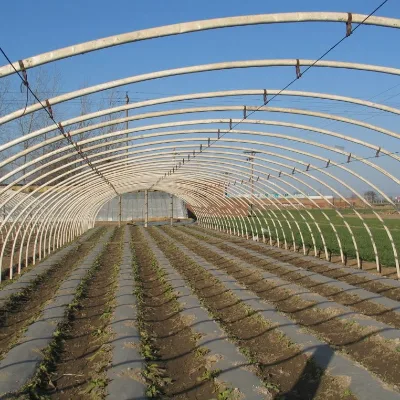


Agg Automated Light Deprivation Greenhouse Single-Span Blackout Greenhouse
$11.70 - $15.00
MOQ: 500 Square Meters

Auto Blackout Light Deprivation Greenhouse Hot Galvanized Steel Frame Ld Greenhouse
$8.00 - $30.00
MOQ: 1000 Square Meters


Scalable Light Deprivation Greenhouse for Expanding Operations From Single to Multi-Structure Setups
$8.00 - $30.00
MOQ: 1000 Square Meters

Automated Light-Deprivation-Greenhouse for Forcing Plants Into Flowering on a Precise Schedule
$5.00 - $15.00
MOQ: 1000 Square Meters

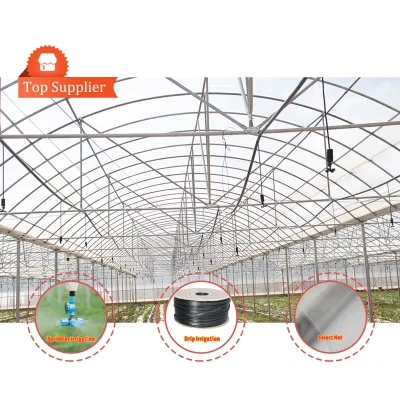


Custom Size Price Factory Garden Greenhouse Outdoor Greenhouse Tent Small Greenhouses
$150.00 - $180.00
MOQ: 1 Square Meters


Versatile Waterproof Greenhouse with Tunnel Greenhouse Waterproof and UV Protection Tent
$0.35 - $0.80
MOQ: 500 Square Meters

Comprehensive Sourcing Guide
Sourcing Guide for Automated Light Deprivation Greenhouse Tents
Understanding the Core Technology and Structural Variants
The Automated Light Deprivation Greenhouse Tent represents a specialized subset of agricultural infrastructure designed to manipulate photoperiods for precise crop management. Unlike standard transparent greenhouses, these structures prioritize light control, often utilizing blackout materials to induce flowering or extend vegetative cycles in sensitive crops. The market presents distinct configurations, ranging from single-span units to more complex multi-layered systems. Buyers must distinguish between a simple "tunnel" design and a "shaped roof" structure, as the latter often offers superior snow load handling and ventilation dynamics.
The structural integrity of these units is paramount. Observed specifications indicate that robust steel structures are the industry standard, typically utilizing hot-dip galvanized steel with a zinc coat of 275g/m² to ensure resistance against corrosion in humid agricultural environments. The frame dimensions are highly customizable, with length specifications ranging from 20 meters to over 200 meters and widths typically falling between 6 meters and 12 meters. Height is another critical variable, with standard configurations often starting at 4.5 meters but available for customization to accommodate specific machinery or vertical farming requirements.
The covering material is the defining feature of a light deprivation system. The most effective solutions employ a three-layer blackout curtain system that guarantees UV stability while achieving 100% darkness. This is distinct from standard polyethylene films used in conventional greenhouses. The "blackout" attribute is essential for applications requiring total light exclusion, such as medical plant cultivation or specific flower breeding programs. The system often includes an automated mechanism to deploy these curtains, which can be integrated with cooling, heating, and irrigation subsystems to create a fully controlled environment.
Technical Specifications and Operational Capabilities
When evaluating technical specifications, buyers must look beyond the basic frame dimensions to the operational systems integrated into the tent. The ventilation strategy is a critical differentiator. Effective light deprivation units often feature both side and top ventilation to manage temperature spikes that can occur when the blackout curtains are deployed or retracted. The roof shape, whether single-span or shaped, directly influences airflow patterns and the efficiency of the shading net system.
The cultivation method supported by these structures varies. While some units are designed for traditional horizontal farming, others are explicitly engineered for vertical farming, maximizing yield per square foot. The heating method is another key specification; while some units are designed as unheated structures for temperate climates, others support temporary heating or permanent heating systems to extend the growing season. The optional systems available for integration include cooling systems, irrigation networks, and specialized lighting, allowing the buyer to tailor the greenhouse to specific crop needs.
A comparison of common structural attributes helps clarify the differences between standard agricultural greenhouses and specialized light deprivation tents:
| Feature | Standard Agricultural Greenhouse | Automated Light Deprivation Tent |
|---|---|---|
| Primary Covering | Transparent Film | 3-Layer UV Blackout Curtain |
| Light Control | Natural Light Only | 100% Darkness Capability |
| Structure Type | Single-Span or Multi-Span | Single-Span with Shaped Roof |
| Ventilation | Side and Top | Side, Top, and Automated Curtains |
| Customization | Limited Dimensions | Highly Customizable Length/Width |
| Application | General Vegetables/Fruits | Medical Planting, Seedling, Flowers |
The "Product Name" in supplier catalogs often varies, appearing as "Agriculture Greenhouse Vegetable Tunnel," "Greenhouse Film Green House Tent," or "Blackout Greenhouse." Buyers should verify that the specific model number, such as "GT-T" or similar designations, aligns with the required blackout functionality. The instruction for use provided by manufacturers typically includes installation files, detailed drawings, and online guides, which are essential for the initial setup phase.
Compliance, Certification, and Material Standards
Navigating the compliance landscape for agricultural structures requires a clear understanding of material standards and regional regulations. While specific certification bodies are not universally mandated for the structure itself, the materials used must meet durability and safety expectations. The zinc coating on the steel structure, specified as 275g/m², is a critical standard for longevity. Buyers should verify that the galvanized coating process meets international corrosion resistance benchmarks, particularly if the greenhouse is intended for coastal or high-humidity regions.
The covering material must carry a UV guarantee, often cited as a three-year or longer warranty, to ensure the blackout curtain does not degrade prematurely under sunlight exposure. For medical planting applications, particularly in regions like the USA and Canada, additional compliance checks may be necessary regarding the purity of materials used in the construction to prevent contamination of sensitive crops.
Standard dimensions, such as the 30x100ft reference found in some catalogs, serve as a baseline but should not be treated as rigid constraints. The ability to customize length and width is a significant advantage for buyers with non-standard plot sizes. However, buyers must ensure that any custom dimensions do not compromise the structural integrity of the frame. The "30x100ft" standard serves as a reference point for modular design, but the actual product model should be verified against the specific load requirements of the local environment, including wind and snow loads.
Cost Drivers and Pricing Dynamics
The pricing of automated light deprivation greenhouses is influenced by a complex interplay of factors, including material costs, customization levels, and the complexity of the automated systems. The observed price range in the market spans from $0.35 to $7,000, reflecting the diversity of offerings from simple film covers to fully integrated, automated structures. It is crucial for buyers to understand that the lower end of this range typically refers to individual components or smaller, less complex units, while the higher end represents full-scale, turnkey solutions with advanced automation.
The cost is heavily driven by the "Optional System" inclusions. A basic structure with just the frame and blackout curtain will be significantly cheaper than one equipped with a full cooling system, irrigation network, and automated heating. The "Double Layer" construction, if specified, adds to the cost but provides superior insulation and light control. Additionally, the "Customization" factor plays a major role; structures with non-standard lengths, widths, or heights will incur higher engineering and manufacturing costs.
The Minimum Order Quantity (MOQ) also impacts the effective unit cost. The observed MOQ range spans from 1 to 3,000 units. Buyers purchasing a single unit or a small batch will face a higher per-unit cost compared to those ordering in bulk. The packaging method, whether LCL (Less than Container Load) or whole container, also affects logistics costs. For large-scale projects, shipping a whole container from the origin point, such as Henan or Shandong in China, can significantly reduce the overall landed cost.
Typical Applications and Crop Suitability
The versatility of automated light deprivation greenhouses makes them suitable for a wide range of agricultural applications. The primary use cases include flower cultivation, seedling production, and vegetable farming. The ability to control light exposure is particularly valuable for photoperiod-sensitive crops, such as certain flowers that require specific day lengths to bloom, or medical plants that need strict environmental control.
The "Suitable" category often lists Flower, Herbal Medicine, and Vegetables, indicating the broad applicability of these structures. For example, the "Medical Planting for USA, Canada" application suggests that these greenhouses are capable of meeting the stringent requirements of regulated industries. The "Vertical Farm" capability further expands the utility of these structures, allowing for high-density planting in limited spaces.
The "Usage" classification as "Commercial Greenhouse" or "Production Greenhouse" highlights their intended role in large-scale operations. The "Easy Assemble" and "Economic" advantages make them attractive for commercial growers looking to minimize labor costs and maximize efficiency. The "Temporary Heating" option is particularly useful for seasonal crops, allowing growers to extend the growing season without the high capital cost of permanent heating systems.
Supplier Evaluation and Quality Control
Evaluating suppliers for automated light deprivation greenhouses requires a rigorous approach to quality control and verification. The "Manufacturer" field often lists specific company names, but buyers should not rely solely on brand recognition. Instead, they should focus on the technical specifications provided in the product data. The "Structure" description, specifically the "Hot Galvanized Steel with 275G/M2 Zinc Coat," is a key indicator of quality. Buyers should request third-party test reports or certification documents to verify the zinc coating thickness and the structural integrity of the steel.
The "Instruction for Use" provided by the supplier is another critical factor. High-quality suppliers offer comprehensive installation files, detailed drawings, and online guidance. This documentation should be reviewed to ensure it covers all aspects of the assembly process, including the deployment of the blackout curtains and the integration of optional systems. The "Advantage" of "100% Darkness & Easy Assemble" should be verified through case studies or customer testimonials, as these claims can vary significantly between suppliers.
Quality control should also extend to the packaging and shipping process. The "prod_packing" specification, which mentions LCL or whole container options, indicates that the supplier has experience in handling large-scale logistics. Buyers should verify that the packaging protects the delicate components, such as the blackout curtains and automated mechanisms, from damage during transit. The "Place of Origin" in China, specifically Henan or Shandong, suggests a mature manufacturing base, but buyers should still conduct on-site audits or request video inspections to ensure production standards are met.
Long-Term Procurement and Maintenance Considerations
Long-term procurement considerations for automated light deprivation greenhouses focus on durability, maintenance, and scalability. The "Basic Component" of the structure, including the frame and covering film, must be designed for long-term use. The "UV Guarantee" on the covering material is a critical factor in determining the lifespan of the greenhouse. Buyers should inquire about the expected service life of the blackout curtain and the replacement schedule for automated components.
The "Optional System" integration, such as cooling and heating, requires ongoing maintenance. Buyers should assess the availability of spare parts and the technical support provided by the supplier. The "Online Guid" and "Installation Files" are essential for troubleshooting and routine maintenance. A supplier that offers comprehensive after-sales support, including remote diagnostics and on-site assistance, is preferable for large-scale operations.
Scalability is another important consideration. The "Customization" feature allows buyers to expand their operations by adding more units or increasing the dimensions of existing structures. The "Single-Span" design offers flexibility in layout, allowing for easy expansion as the business grows. Buyers should also consider the energy efficiency of the heating and cooling systems, as these will impact long-term operating costs. The "Economic" advantage of the structure is realized over time through reduced energy consumption and increased crop yields.
In conclusion, sourcing an Automated Light Deprivation Greenhouse Tent requires a careful balance of technical specifications, cost analysis, and supplier evaluation. By focusing on the structural integrity, material standards, and operational capabilities, buyers can secure a high-quality solution that meets their specific agricultural needs. The flexibility of these structures, combined with the potential for automation, makes them a valuable asset for modern commercial farming operations.
FAQs
What covering material ensures 100% darkness in these tents?
The covering material is a UV guarantee 3-layer blackout curtain. This specific design achieves total light exclusion required for medical planting and flower cultivation, unlike standard transparent films.
Can the structure dimensions be customized for large projects?
Yes, the length can be customized from 20 to 100 meters or up to 200 meters depending on the model. Width is also adjustable from 8 to 12 meters or 6 to 10 meters to fit specific site requirements.
Which heating methods are supported by the greenhouse structure?
The structure supports both unheated and temporary heating methods. Optional systems can also include permanent heating units to extend the growing season for vegetables and seedlings in various climates.
How is the steel frame constructed to ensure durability?
The frame uses hot galvanized steel with a 275G/M2 zinc coat. This specification provides high corrosion resistance for outdoor use in humid agricultural environments and ensures a stable structure for easy assembly.
What optional systems can be integrated into the tent?
Optional systems include cooling, lighting, heating, and shading nets. Additional integrations often feature irrigation systems and automated ventilation to create a fully controlled environment for vertical farming or commercial production.
Where are these greenhouses typically manufactured and shipped from?
These units originate from Henan and Shandong in China. They are packed by LCL or whole container for efficient shipping to international markets including the USA and Canada for medical planting applications.
Can this structure be used for vertical farming operations?
Yes, the design supports vertical farming cultivation methods. The adjustable height of 4.5 meters or customized options allows for high-density planting suitable for commercial greenhouses and seedling production.