Source Automatic Continuous Sludge Dehydrator for Industry
Find and compare 30 Automatic Continuous Sludge Dehydrator models from Jiangsu, China. Options include screw and enrichment types with PLC control, SS304/316L construction, and capacities up to 70kg/hr for industrial, agricultural, and hospital applications.
Key considerations
Products List

Continuous Sludge Enrichment Dehydrator for Chemical Waste Sludge Dehydrator Machine
$22000.00 - $48000.00
MOQ: 1 Pieces

Heavy Duty Stainless Steel Enrichment Dehydrator Sludge Dehydrator Machine
$22000.00 - $48000.00
MOQ: 1 Pieces

Manufacturers Direct Sale Automatic Continuous Operation Sludge Dehydrator Machine
$22000.00 - $48000.00
MOQ: 1 Pieces

Continuous Operation Screw Dehydrator for Chemical Plant Sludge Dryer Machine
$3600.00 - $60000.00
MOQ: 1 Pieces

High Efficiency Sludge Enrichment Dehydrator Low Noise Sludge Dehydrator Machine
$22000.00 - $48000.00
MOQ: 1 Pieces


Screw Type Sludge Dehydrator Machine (water treatment)
$4160.00 - $4170.00
MOQ: 1 Pieces
Shanghai Dubhe Environmental Protection &Technology Co., Ltd


Automatic Sludge Dehydrator for Industrial Wastewater Treatment
$15000.00 - $18000.00
MOQ: 1 Sets
Qingdao EVU Environmental And Engineering Equipment Co., Ltd.

Sludge Dewatering Dehydrator for Industrial Waste Treatment
$3000.00 - $10000.00
MOQ: 1 Sets
Qingdao EVU Environmental And Engineering Equipment Co., Ltd.


Sludge Dewatering Sludge Treatment Equipment Supplier
$7300.00 - $9950.00
MOQ: 1 Sets
Qingdao EVU Environmental And Engineering Equipment Co., Ltd.

Fully Automatic Sludge Dewatering Machine
$3000.00 - $10000.00
MOQ: 1 Sets
Qingdao EVU Environmental And Engineering Equipment Co., Ltd.

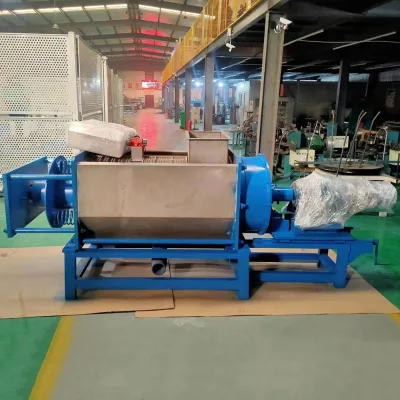


Sludge Dewatering Machine / Screw Press / Sludge Dehydrator
$5000.00 - $60000.00
MOQ: 1 Pieces
Yixing Pioniere Environmental Protection Equipment Co., Ltd.

Sludge Dewatering Press Screw Dehydrator Sludge Machine
$3100.00 - $3800.00
MOQ: 1 Sets
Yangzhou Pujiang Environmental Protection Technology Co., Ltd.

Mud Sludge Dryer Sludge Drying Machine Sludge Drying Equipment
$30000.00 - $50000.00
MOQ: 1 Pieces
Yangzhou Pujiang Environmental Protection Technology Co., Ltd.

Waste Heat Sludge Dryer Sludge Dewatering Sludge Drying Machine
$30000.00 - $50000.00
MOQ: 1 Pieces
Yangzhou Pujiang Environmental Protection Technology Co., Ltd.


Sludge Drying Equipment System Plant Sludge Drying Machine Sludge Dryer
$30000.00 - $50000.00
MOQ: 1 Pieces
Yangzhou Pujiang Environmental Protection Technology Co., Ltd.


Advanced Screw Sludge Dehydrator for Efficient Wastewater Solutions
$2400.00 - $18000.00
MOQ: 1 Pieces


Comprehensive Sourcing Guide
Automatic Continuous Sludge Dehydrator Sourcing Guide
Sourcing an Automatic Continuous Sludge Dehydrator requires a careful balance between mechanical reliability, operational efficiency, and total cost of ownership. These machines are engineered to handle the complex task of separating solids from liquids in sludge streams, offering a continuous processing method that minimizes manual intervention. Buyers must recognize that while the core function is consistent across suppliers, the specific engineering choices—such as the type of filter mechanism, the material of construction, and the control system architecture—vary significantly. Understanding these variations is critical for selecting a unit that aligns with your specific waste stream characteristics and operational constraints.
The procurement process for this equipment is not merely about purchasing a machine but about integrating a treatment solution into your existing infrastructure. The observed market signals indicate a wide range of capabilities, from basic screw-type dehydrators to more complex enrichment dehydrators. Buyers should approach this sourcing journey with a clear definition of their throughput requirements, sludge concentration ranges, and discharge specifications. By focusing on verified technical attributes and supplier qualifications rather than marketing claims, you can mitigate the risk of selecting equipment that fails to meet your long-term operational goals.
Product Scope and Observed Listing Signals
The current market for automatic continuous sludge dehydrators presents a diverse array of models, primarily categorized by their mechanical design and processing method. Listings frequently highlight screw sludge dehydrators and sludge enrichment dehydrators, with some units combining physical treatment methods with advanced dewatering techniques. The observed product scope includes models designed for industrial, agricultural, hospital, and even home applications, indicating a versatility that spans from large-scale municipal wastewater treatment to smaller, specialized facility needs. Buyers should note that while the core keyword implies a specific technology, the actual listings may encompass a broader range of dewatering solutions that share similar operational principles.
Price and minimum order quantity (MOQ) signals in the market suggest a high degree of customization and direct-to-factory sourcing. The observed price range is substantial, spanning from approximately $1,000 to $300,000, which reflects the vast difference in capacity, material quality, and automation levels between basic and high-end units. Notably, the MOQ is consistently observed at one unit, indicating that suppliers are accustomed to handling single-unit procurement orders, which is typical for industrial machinery. This structure allows buyers to procure a single pilot unit or a full-scale installation without the burden of bulk purchasing, but it also necessitates careful evaluation of the unit’s specific configuration to ensure it matches the quoted price tier.
Technical Specifications to Verify
When evaluating technical specifications, the material of construction is a primary determinant of durability and suitability for your sludge type. High-quality units typically utilize stainless steel components, specifically SS304 and SS316L, for parts that come into direct contact with corrosive sludge, while polypropylene (PP) may be used for non-critical structural elements. Buyers must verify the exact grade of stainless steel used in the screw shaft and filter screen, as lower-grade materials can lead to premature failure and contamination. Additionally, the core components, such as the multiple ring, active ring, and volute filter, should be inspected for precision engineering, as these parts directly influence the dewatering efficiency and the clarity of the filtrate.
The automation and control systems are equally critical for ensuring continuous, unattended operation. Look for units equipped with PLC control systems from reputable brands, such as Siemens, which provide reliable logic control and user-friendly interfaces. The motor and reducer assemblies should also be sourced from established manufacturers, with options like Sumitomo Nissei Sew or Siti/Nord reducers being common indicators of robust mechanical design. Buyers should verify the power consumption range, which can vary significantly from 0.36 kW to 9 kW depending on the model, and ensure that the voltage specifications, such as 380V 50Hz 3-phase, match your facility’s electrical infrastructure. Furthermore, confirm the washing water pressure and volume requirements, typically ranging from 0.1-0.2 MPa and 43-504 L/H, to ensure your water supply system can support the machine’s cleaning cycle.
Compliance and Safety Documentation
While specific certification statuses may not be explicitly guaranteed for every listing, buyers should insist on documentation that aligns with international safety and quality standards. The presence of CE marking is a common expectation for machinery exported to many regions, indicating compliance with essential health and safety requirements. However, buyers should not rely solely on the presence of a mark but should request the actual technical files and conformity assessment reports. Similarly, ISO standards such as ISO 9001 for quality management, ISO 14001 for environmental management, and ISO 45001 for occupational health and safety are relevant benchmarks. Verifying that the supplier operates under these certified frameworks provides assurance that the manufacturing process is controlled and consistent.
Safety documentation must also include detailed operational manuals and risk assessments. The automatic nature of these dehydrators requires clear instructions on emergency stops, maintenance procedures, and lockout/tagout protocols. Buyers should verify that the machine includes necessary safety guards for rotating parts, such as the screw shaft and drive motor. Additionally, the electrical cabinet should be rated appropriately for the operating environment, with clear labeling of components and wiring diagrams. Ensuring that the supplier provides comprehensive safety documentation is crucial for protecting your workforce and maintaining regulatory compliance in your facility.
Cost Drivers and Commercial Terms
The cost of an Automatic Continuous Sludge Dehydrator is driven by several key factors, including the capacity of the unit, the quality of materials, and the level of automation. Models with higher dried sludge treating capacities, such as those capable of processing 50-70 kg of dry sludge per hour, will naturally command higher prices. The inclusion of premium components, such as high-efficiency motors and precision reducers, also adds to the initial investment. Buyers should analyze the total cost of ownership, considering not just the purchase price but also the energy consumption, maintenance requirements, and expected service life, which can extend up to 20 years for well-maintained units.
Commercial terms often include customization options and specific packaging requirements to ensure safe delivery. Many suppliers offer customization for size, voltage, and control system interfaces to meet specific site conditions. The packing method is typically seaworthy or wooden crate packaging, designed to protect the machine during transit. Buyers should clarify who is responsible for freight, insurance, and customs clearance, as these costs can significantly impact the final landed cost. Additionally, after-sales service terms, such as long-term support and availability of spare parts, should be negotiated upfront to avoid unexpected expenses during the machine’s operational life.
Supplier Qualification and Quality Control
Supplier qualification is a critical step in mitigating procurement risk. Buyers should verify the supplier’s manufacturing capabilities, including their facility location, which is often in industrial hubs like Jiangsu, China, known for machinery production. Assessing the supplier’s experience in producing sludge dewatering equipment and their track record with similar clients can provide insights into their reliability. Requesting references or case studies from previous installations can help validate the supplier’s claims regarding performance and durability. Additionally, verifying the supplier’s ability to provide customization and adhere to specific standards, such as producing to your requested standard or model specifications, is essential.
Quality control measures should be integrated into the procurement process, including pre-shipment inspections and factory audits if feasible. Buyers should request detailed inspection reports that cover dimensional accuracy, material certifications, and functional testing of the PLC system and mechanical components. The net weight of the unit, such as 900 kg for certain models, can serve as a quick check for material density and construction quality. Ensuring that the supplier has a robust quality management system in place helps guarantee that the delivered machine meets the specified technical requirements and performs as expected upon installation.
Long-Term Procurement Checks
Long-term procurement success depends on the availability of spare parts and the supplier’s commitment to after-sales support. Buyers should verify the availability of critical spare parts, such as filter rings, screw shafts, and motor components, and establish a supply chain agreement for timely delivery. The automatic operation of these machines requires regular maintenance, and the supplier should provide a comprehensive maintenance schedule and training for your operational staff. Long-term service agreements can ensure that technical support is available for troubleshooting and repairs, minimizing downtime and extending the machine’s service life.
Performance monitoring and periodic reviews are also essential for long-term procurement management. Buyers should establish key performance indicators (KPIs) such as dewatering efficiency, energy consumption per ton of sludge treated, and maintenance frequency. Regularly comparing actual performance against these KPIs can help identify potential issues early and ensure the machine continues to meet your operational needs. Additionally, staying informed about technological advancements in sludge dewatering can help you plan for future upgrades or replacements, ensuring that your waste treatment infrastructure remains efficient and cost-effective over time.
FAQs
What is the primary treatment method for this machine?
The machine utilizes a combined treatment method that includes physical treatment processes. This approach effectively handles sludge dewatering for various applications including industrial, agricultural, and hospital settings without requiring complex chemical additions.
Which core components ensure reliable operation?
Key components include multiple rings, active rings, and volute filters designed for efficient separation. The system is controlled by a Siemens PLC and powered by Sumitomo Nissei Sew motors to ensure stable, long-term performance in continuous operations.
Can the machine be customized for specific needs?
Yes, customization is available for various requirements including size and standard specifications. Users can request specific metal parts like SS304 or SS316L, and the product standard can be adjusted according to the specific model requirements such as SDP-132.
What is the minimum order quantity for purchase?
The minimum order quantity is one unit, allowing flexible procurement for small or large projects. This low entry threshold applies to the screw sludge dehydrator models and supports immediate deployment for industrial or agricultural dewatering tasks.
How much power does the equipment consume?
Power consumption ranges from 0.36 to 9 Kw depending on the specific model and operational load. The system operates at 380V, 50Hz, 3-phase voltage and is designed for 24-hour automatic operation with low capital investment requirements.
What materials are used for the metal parts?
Metal parts are constructed from SS304, SS316L, or PP materials to ensure durability and corrosion resistance. These high-quality materials support the machine's service life of up to 20 years while handling sludge concentrations between 2000 and 50000mg/L.