Source Automatic Fiber Separation Scutcher Machine for Textiles, Rubber, and Recycling
Find 30 listings for the Automatic Fiber Separation Scutcher Machine designed for textile processing, rubber recycling, and nylon separation. Buyers can compare specifications including voltage, motor power, and automation levels to select the right equipment for their finishing needs.
Key considerations
Products List


Plastic Recycling Machine Color separator Machine
$5000.00 - $50000.00
MOQ: 1 Pieces
Anhui Wenyao Intelligent Photoelectronic Technology Co., Ltd.


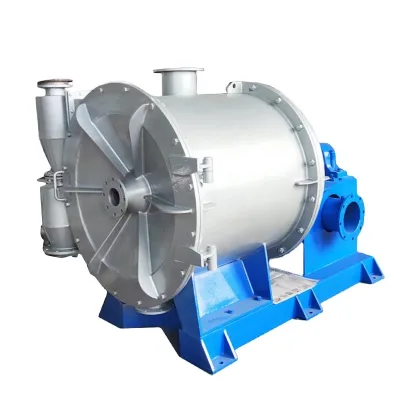


Metal Separator with Automatic Suction Machine for Plastics Recycling Industry
$3000.00 - $3500.00
MOQ: 1 Pieces

Metal Separator with Automatic Suction Machine for Plastics Particle Industry
$3000.00 - $3500.00
MOQ: 1 Pieces


Comprehensive Sourcing Guide
Strategic Sourcing Guide for Automatic Fiber Separation Scutcher Machines
Understanding the Technical Architecture and Operational Capabilities
When evaluating an Automatic Fiber Separation Scutcher Machine, buyers must first distinguish between the specific mechanical configurations available in the current market. The core functionality of these machines often revolves around the separation of composite materials, such as tires, into constituent components like rubber and nylon. The observed market data indicates that these units are available in distinct structural formats, including both vertical and horizontal configurations. The choice between a vertical or horizontal structure is not merely aesthetic; it dictates the floor space requirements and the gravity-fed flow of materials within the processing line.
A critical technical differentiator is the automation grade. While some units are classified as fully automatic, others operate on a semiautomatic basis. This distinction directly impacts the labor intensity and the consistency of the output. The automation level is often paired with specific motor power ratings, which have been observed in the range of 16kW to higher capacities depending on the model. For instance, specific models feature motor power specifications that support variable voltage inputs, including 220V, 380V, and 410V, ensuring compatibility with diverse electrical infrastructures across different regions.
The operational speed is another paramount specification. High-performance units in this category have been observed to achieve working speeds ranging from 0 to 120 meters per minute. This variable speed capability allows operators to adjust the throughput based on the density and type of the input material. Furthermore, the physical dimensions of the machinery are substantial, with standard footprints observed around 6000mm in length, 2200mm in width, and 3000mm in height. Buyers must ensure their facility can accommodate these dimensions, particularly when considering the need for maintenance access and material loading zones.
Compliance, Certification, and Regulatory Standards
In the B2B procurement of industrial machinery, certification is not a mere formality but a prerequisite for market entry and operational safety. The supplied data reveals a landscape where multiple certifications are frequently bundled together. Commonly observed certification marks include CE, ISO, and CCC. The presence of CE certification indicates compliance with European health, safety, and environmental protection standards, which is essential for machinery intended for export or use within the European market. Similarly, ISO certification, often cited alongside CE, suggests adherence to international management standards, though specific ISO numbers like ISO 9001 should be verified against the specific factory's quality management system rather than assumed for every unit.
Buyers must also scrutinize the specific standards listed on the product datasheets. Some listings reference standards such as ISO9001, SGS, and CE, while others may list CCC, which is the China Compulsory Certification. The presence of these marks on a product page suggests the manufacturer has undergone specific testing protocols, but it does not guarantee that every single unit in a batch meets these criteria without independent verification. The "Automatic Grade" of the machine is also a technical specification that often correlates with the complexity of the control systems and the rigor of the safety certifications required.
When evaluating compliance, it is vital to look for the "Condition" of the product. The market data indicates that the vast majority of these units are listed as "New." This is a significant factor for buyers seeking machinery with a full warranty and no hidden wear. However, the "Used" attribute in some listings refers to the application of the machine (e.g., "Finishing" or "Finishing Machine") rather than the condition of the hardware itself. Buyers must carefully parse this language to avoid confusion between the machine's state and its intended industrial process.
Cost Drivers and Pricing Structure Analysis
The pricing structure for automatic fiber separation scutcher machines is highly variable, reflecting the complexity of the engineering and the customization options available. The observed price range in the market spans from approximately 200 USD to 100,000 USD. This wide disparity is not indicative of a single product line but rather a spectrum of capabilities. Lower-priced units may be simpler, semiautomatic models with basic separation functions, while the upper end of the range likely encompasses fully automated systems with advanced computerized controls, high-speed capabilities, and extensive customization.
Several factors drive these costs. The "Customization" attribute is a primary cost driver. While some units are listed as "Non-Customized," others are explicitly "Customized." Customization involves tailoring the machine to specific production line requirements, which adds engineering time and material costs. Additionally, the "Load Capacity" is a significant determinant of price. Units capable of handling loads between 500kg and 1000kg will generally command a higher price point than those with lower capacities.
The "Product Time" or cycle time is another economic factor. Machines designed for a "One Mouth" operation or specific throughput rates may be priced differently based on their efficiency. The "Service Life" is also a long-term cost driver; units advertised with a service life of 15 years or more may have a higher initial purchase price but offer a lower total cost of ownership. Buyers should analyze the total cost of ownership, including energy consumption (motor power), maintenance requirements, and the potential for downtime, rather than focusing solely on the initial purchase price.
Typical Applications and Process Integration
The primary application of these machines is in the recycling and processing of end-of-life tires, specifically for the separation of rubber from steel wire and nylon. The "Function" is explicitly defined as "Separate Rubber and Nylon," making these units essential for tire recycling facilities aiming to recover high-value materials. The "Used" attribute in the context of these machines often points to their role in the "Finishing" stage of the recycling process, where the separated materials are prepared for further processing or sale.
The integration of these machines into a production line requires careful consideration of the "Chute" and "Channel" configurations. Some advanced models feature a "Multi-Screw" system and specific chute counts, such as 7 chutes, with a high number of channels, up to 448 in some configurations. These features are designed to optimize the flow of materials and ensure efficient separation. The "Type of Ejectors" being metal suggests robustness in handling abrasive materials like steel wire.
Furthermore, the "Brand of Filter" and "Brand of Power Supply" are critical for process stability. The use of reputable brands like Japan CKD/SMC for filters and Taiwan Meanwell for power supplies indicates a focus on reliability and longevity. These components are often the first to fail in harsh industrial environments, so their quality directly impacts the uptime of the entire production line. The "Type of Sensor," such as the Japan Toshiba CCD Sensor, and the "Pixels of Camera," which can reach 5400, highlight the role of vision systems in quality control, ensuring that only properly separated materials proceed to the next stage.
Supplier Evaluation and Quality Assurance Protocols
When evaluating potential suppliers, buyers must look beyond the surface-level product descriptions. The "Brand" of the machine, such as Cotex, is a factor, but the reputation of the manufacturing entity is more critical. The "prod_origin" is listed as China, which is a common hub for this type of industrial equipment. However, the origin alone does not guarantee quality. Buyers should verify the supplier's ability to provide the "Warranty" terms listed, which range from 1 Year to 5 Years. A longer warranty period often indicates the manufacturer's confidence in their build quality and after-sales support.
Quality control should be a central part of the supplier evaluation. The "prod_packing" methods, such as "Wooden Package," "Film/Wood Packing," or "in Wooden Case Safety Packing," are indicative of the care taken during shipping. Proper packaging is essential for preventing damage to sensitive components like the "12-Inch Flexem Humanized Panel" touch screen or the "America Fpga" process chip. Buyers should request photos of the packaging process to ensure that the machinery will arrive in the condition described.
The "Automation" and "Computerized" aspects of the machine require a supplier with strong technical support capabilities. The presence of a "12-Inch Flexem Humanized Panel" suggests a user-friendly interface, but the underlying "Process Chip" technology, such as the America Fpga, requires specialized knowledge for troubleshooting and maintenance. Buyers should assess the supplier's technical team's ability to support these advanced systems. Additionally, the "Delivery Time" of 30 working days is a standard lead time that buyers must factor into their production planning. Any deviation from this timeline should be clearly communicated and justified.
Long-Term Procurement and Maintenance Considerations
Procuring an Automatic Fiber Separation Scutcher Machine is a long-term investment that requires careful planning for maintenance and lifecycle management. The "Service Life" of 15 years or more is a key metric for buyers to consider. To achieve this lifespan, regular maintenance of critical components is essential. The "Motor Power" specifications, which can vary between 16kw and higher, indicate the energy demands of the machine. Buyers should calculate the ongoing energy costs and ensure their facility's power infrastructure can support these requirements.
The "Condition" of the machine upon arrival is the starting point for its lifecycle. Since the observed products are "New," buyers should expect a full warranty period. However, the "Warranty" terms vary, with some units offering 1 year and others 5 years. It is crucial to understand what is covered under the warranty, particularly regarding the "Brand of Filter" and other consumable parts. The "Used" attribute, when referring to the machine's application, implies that the machine is designed for continuous operation in a demanding environment.
Buyers should also consider the "Customization" aspect for future scalability. If the production volume increases, a customized machine may offer the flexibility to upgrade or modify the "Chute" or "Channel" configurations. The "Automatic Grade" and "Semiautomatic" options also play a role in future labor planning. A fully automatic machine may reduce the need for additional labor as production scales, whereas a semiautomatic model might require more manual intervention.
Finally, the "Product Time" and "Working Speed" are metrics that will change over time as the machine ages. Buyers should establish a baseline for performance and monitor these metrics regularly. The "Type of Touch Screen" and other electronic components may require updates or replacements over the 15-year service life. Ensuring that the supplier can provide spare parts and technical support for these components is a critical long-term procurement consideration. By focusing on these factors, buyers can secure a reliable and efficient fiber separation solution that meets their operational needs for years to come.
Comparative Analysis of Key Machine Specifications
To facilitate a clearer understanding of the differences between available models, the following table summarizes the key specifications observed in the market data. This comparison highlights the variance in automation, power, and structural design that buyers must evaluate against their specific production requirements.
| Specification | Model A (TH-K-2200) | Model B (TH-K-2200-A) | Model C (Fibre Separator) | Model D (CX-11) |
|---|---|---|---|---|
| Structure | Vertical | Vertical | Horizontal | Vertical |
| Automation Grade | Automatic | Semiautomatic | Automatic | Automation |
| Motor Power | 16kw | 220V, 380V, 410V | 220V, 380V, 410V | Variable |
| Certification | CE | ISO, CE | ISO, CE, CCC | CE, ISO9001 |
| Warranty | 1 Year | 5 Years | 5 Years | 1 Year |
| Service Life | Not Specified | Not Specified | ≥15 Years | Not Specified |
| Packing | Wooden Package | Film/Wood Packing | In Wooden Case | Not Specified |
| Key Feature | 380V Voltage | Customized | Separate Rubber/Nylon | Multi-Screw |
This table illustrates that while the core function remains consistent, the specific configuration of each model varies significantly. Buyers must align these specifications with their operational constraints, such as available power supply (220V vs 380V) and space requirements (Vertical vs Horizontal). The warranty and service life differences also suggest that Model C and Model B may offer better long-term value for high-volume operations, while Model A might be suitable for smaller-scale or pilot projects.
Final Procurement Recommendations
In conclusion, sourcing an Automatic Fiber Separation Scutcher Machine requires a meticulous approach that balances technical specifications, compliance requirements, and long-term operational needs. Buyers should prioritize models that offer the necessary automation level and structural configuration for their specific application. Verifying certifications like CE and ISO is essential for regulatory compliance, while understanding the warranty and service life ensures a sustainable investment. By carefully evaluating the cost drivers, such as customization and load capacity, and by selecting a supplier with robust technical support, buyers can secure a machine that delivers efficient and reliable fiber separation for years to come. The diversity of options in the market allows for tailored solutions, but the responsibility lies with the buyer to conduct thorough due diligence to match the right machine to their unique production environment.
FAQs
What certifications are available for these machines?
Available certifications include CE, ISO, and CCC marks depending on the specific model. Some units list CE alone, while others combine ISO and CE, and a few include CCC certification for domestic compliance.
How long is the delivery time for new units?
The standard delivery time is 30 working days for new machines. This lead time applies to the production and preparation of the equipment before it is shipped to the buyer.
Can the machine be customized for specific needs?
Customization is available for buyers requiring specific configurations. While some models are listed as non-customized, others explicitly offer customized options to meet unique production requirements.
What is the warranty period for the equipment?
Warranty periods range from 1 year to 5 years depending on the specific product listing. Buyers should verify the exact warranty terms associated with the model they intend to purchase.
Which voltage options are supported by the motor?
Motor power specifications support multiple voltage inputs including 220V, 380V, and 410V. This flexibility ensures compatibility with diverse electrical infrastructures across different regions and facilities.
What is the maximum load capacity of the machine?
The observed load capacity ranges between 500kg and 1000kg for these units. This capacity determines the volume of material the machine can handle during the separation process.
How fast can the machine operate at maximum speed?
The working speed can reach up to 120 meters per minute depending on the model. This variable speed allows operators to adjust throughput based on the density of the input material.