Source Automatic Foam Cutter for Furniture, Packaging, and Crafts
Compare 24 Automatic Foam Cutter models from verified Chinese manufacturers. Buyers can evaluate specifications like cutting type, speed adjustment, and control systems to find the right machine for industrial needs.
Key considerations
Products List

Precision Automated Foam Cutter for Efficient Foam Cutting Technology
$115000.00 - $120000.00
MOQ: 1 Pieces

Precision Automated Foam Cutter for Efficient Foam Cutting Operations
$115000.00 - $120000.00
MOQ: 1 Pieces

Precision Automated Foam Cutter for Enhanced Foam Processing Line
$115000.00 - $120000.00
MOQ: 1 Pieces


Precision Automated Foam Cutter for User-Friendly Cutting Operations
$115000.00 - $120000.00
MOQ: 1 Pieces

EPE Foam Sheet Cutting Machine Automatic Cutting Machine Foam Cutter
$8700.00 - $8900.00
MOQ: 1 Pieces

EPE Foam Sheet Cutting Machine Automatic Cutting Machine Foam Cutter
$8700.00 - $8900.00
MOQ: 1 Pieces


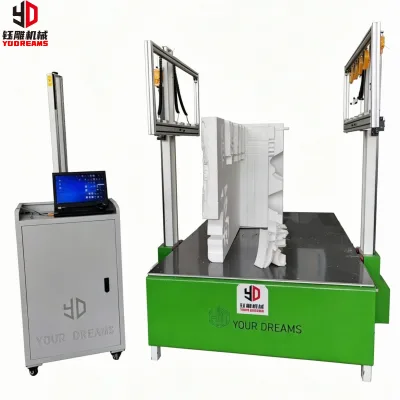
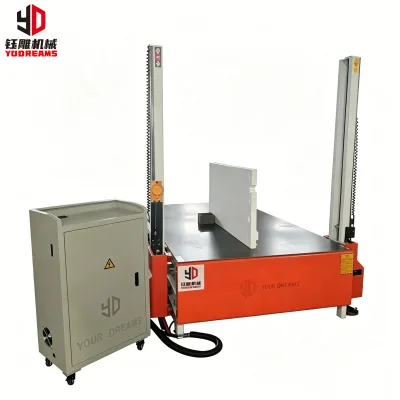
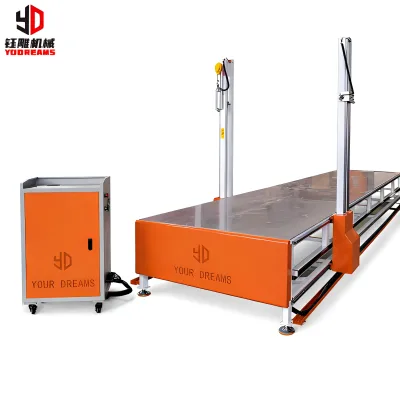


Comprehensive Sourcing Guide
Strategic Sourcing Guide for Automatic Foam Cutting Equipment
Understanding the Technical Landscape of Automated Foam Cutting
The procurement of automatic foam cutting machinery requires a precise understanding of the diverse operational architectures available in the current market. Buyers must distinguish between machines designed for horizontal processing versus those optimized for vertical operations, as this fundamental distinction dictates the workflow and material handling capabilities. The observed product data indicates a clear segmentation in the industry, with specific models designated as "Foam Cutting Machines" and others explicitly labeled as "Sponge Cutting Machines." These distinctions are not merely semantic but reflect the mechanical orientation of the cutting blade and the conveyor systems employed.
A critical technical parameter for buyers to evaluate is the cutting orientation. The market offers solutions with "Horizontal" cutting types, which often utilize a "Powerful Fan with Mesh Belt" suction device to manage dust and debris while supporting the material. In contrast, "Vertical" cutting configurations are available, often featuring a "Baffle Height" of 600mm to contain the cutting area and ensure safety. The physical dimensions of the cutting blade are equally significant; specifications show blade lengths ranging from 8700mm to 9480mm in certain heavy-duty configurations. This variation directly impacts the maximum width of the foam sheet that can be processed in a single pass.
Furthermore, the automation level is a primary differentiator. The majority of advanced units in the current supply pool are described as "Automatic" and "Computerized," utilizing a "PLC" (Programmable Logic Controller) as the central command unit. This integration allows for "Frequency Conversion" speed adjustment, enabling operators to fine-tune the cutting velocity to match the density and thickness of the foam being processed. The "Min Cutting Thickness" capability is another vital specification, with some models capable of processing materials as thin as 3mm. Buyers must verify that the machine's "Thickness Adjustment" mechanism, often a "Hand Wheel with Scale Bar," aligns with the precision requirements of their specific production line.
Compliance, Certification, and Safety Standards
When sourcing industrial machinery, particularly those involving high-speed cutting and electrical components, verifying compliance with international standards is non-negotiable. The procurement process must prioritize suppliers who can demonstrate adherence to recognized quality management systems. The available product data highlights "ISO9001" as a relevant certification, often appearing in conjunction with computerized features. This certification indicates that the manufacturer has established processes for consistent quality control, which is essential for long-term reliability.
Electrical safety and operational compliance are further validated through specific certifications such as "CE" and "SGS." These marks are critical for machinery intended for export or operation in markets with strict regulatory environments. The presence of "CE" certification suggests that the equipment meets the health, safety, and environmental protection standards required within the European Economic Area. Similarly, "SGS" certification provides an independent verification of the product's quality and safety attributes. Buyers should explicitly request documentation proving that the specific model they intend to purchase carries these certifications, as the data suggests that not all listed products may uniformly possess every certification.
The electrical specifications of the machinery also play a role in compliance. Standard operating voltages observed in the market include "380V," which is typical for industrial three-phase power systems. The power consumption for these units generally falls within the range of 8.12kW to 10.52kW. It is imperative for the buyer to ensure that their facility's power infrastructure can support these loads without requiring extensive and costly upgrades. Additionally, the "Automatic Grade" of the machinery confirms that the system is designed to operate with minimal human intervention, reducing the risk of operator error and enhancing overall safety protocols.
Cost Drivers and Pricing Structure Analysis
The pricing of automatic foam cutting machines is influenced by a complex interplay of factors, including automation level, physical dimensions, and the complexity of the control system. The observed market data reveals a significant variance in listed prices, ranging from $10 to $120,000 USD. This wide spectrum indicates that the market accommodates both entry-level semi-automated units and high-end, fully integrated computerized systems. The lower end of the price range likely corresponds to simpler mechanical designs or smaller footprint models, while the upper end reflects machines with extensive automation, larger cutting envelopes, and advanced PLC integration.
Beyond the base unit price, buyers must consider the "MOQ" (Minimum Order Quantity) and packaging requirements. The data indicates that the MOQ for these products is consistently "1," suggesting that buyers can procure single units without being forced into bulk purchases. However, the packaging method can significantly impact the total landed cost. Some units are packed in "PE Film," while others require "Wooden Cases" or are shipped "in Bulk by One 20FT Container." The choice of packaging affects shipping logistics, insurance costs, and the risk of damage during transit. For instance, a "Wooden Case for Foam Horizontal Cutter Machinery" offers superior protection but may incur higher freight charges compared to standard film wrapping.
The "Company Type" is another factor that influences pricing. The data notes that many suppliers are "Manufacturer Since 2003," implying a long-standing presence in the industry. Established manufacturers often command a premium due to their accumulated expertise, reliability, and after-sales support capabilities. Conversely, newer entrants might offer lower prices but may lack the depth of technical support. Buyers should weigh the initial cost savings against the potential risks of purchasing from less experienced suppliers, particularly regarding the availability of spare parts and technical expertise.
Typical Applications and Material Compatibility
Automatic foam cutting machines are versatile tools designed to handle a variety of foam shapes and densities. The observed product attributes specify that these machines are capable of processing "Square" foam shapes, which are common in packaging, upholstery, and insulation applications. The "Cutting Type," whether horizontal or vertical, determines the suitability for different production workflows. Horizontal cutters are often preferred for continuous sheet processing, where the foam is fed through a mesh belt system. Vertical cutters, with their specific baffle heights, are better suited for batch processing or cutting large blocks into specific dimensions.
The "Advantage" features listed, such as "Press Roller" and "Four Linear Guides," highlight the machine's ability to maintain precision during the cutting process. These features are crucial for applications requiring tight tolerances, such as automotive interior components or high-end furniture padding. The "Powerful Fan with Mesh Belt" suction device is particularly beneficial in applications where foam dust generation is a concern, ensuring a clean working environment and preventing the accumulation of debris that could interfere with the cutting mechanism.
Buyers should also consider the "Max. Cutting Depth" and "Blade Length" when selecting a machine for specific applications. The data shows a maximum cutting depth of 10240mm and blade lengths up to 9480mm, indicating that these machines can handle very large and thick foam blocks. This capability is essential for industries that require the cutting of massive insulation panels or large-scale packaging materials. The "No-Load Rotational Speed" of 0~3.5r/Min provides the necessary control for delicate cutting operations, ensuring that the foam is not damaged during the process.
Supplier Evaluation and Manufacturer Credentials
Evaluating a supplier for automatic foam cutting machinery requires a thorough assessment of their manufacturing history and technical capabilities. The data indicates that many suppliers are "Manufacturer Since 2003," a significant indicator of stability and experience in the industry. Longevity in the market often correlates with a robust supply chain, a proven track record of product reliability, and a deep understanding of customer needs. Buyers should prioritize suppliers who can demonstrate a consistent history of production and a commitment to quality.
The "After-Sales Service Provided" is another critical criterion for supplier evaluation. The data explicitly mentions that "Engineers Available to Service Machinery Overseas" is a common offering. This capability is vital for international buyers who may face challenges in troubleshooting or repairing complex machinery. A supplier that offers overseas technical support demonstrates a commitment to customer satisfaction and ensures that production downtime is minimized. Buyers should verify the scope of this support, including the availability of spare parts, the response time for service requests, and the training provided to local operators.
Furthermore, the "Condition" of the machinery is a key factor. The data specifies that the products are "New," which is the standard expectation for industrial equipment. However, buyers should confirm the condition of the machine upon delivery and ensure that it matches the specifications provided. The "Warranty" period, observed as "2 years" in the data, is another important consideration. A longer warranty period can provide peace of mind and protect the buyer against manufacturing defects. Buyers should carefully review the terms of the warranty, including what is covered and what is excluded, to ensure that their investment is adequately protected.
Quality Control and Long-Term Procurement Considerations
Implementing a rigorous quality control process is essential when procuring automatic foam cutting machinery. Buyers should verify that the machine meets the specified "prod_standard" dimensions, such as 20.5M5.6M or 75005410*3200MM, depending on the model. These dimensions are critical for ensuring that the machine fits within the allocated factory space and integrates seamlessly with existing production lines. The "prod_packing" method, whether "PE Film," "Wooden Case," or "in Bulk," should be inspected to ensure that the machine arrives in pristine condition, free from damage that could affect its performance.
Long-term procurement considerations also include the availability of spare parts and the ease of maintenance. The "Four Linear Guides" and "Hand Wheel with Scale Bar" are components that may require periodic maintenance or replacement. Buyers should inquire about the availability of these parts and the lead time for their delivery. Additionally, the "Control System" based on PLC technology should be compatible with the buyer's existing software and hardware infrastructure. Ensuring compatibility can prevent costly integration issues and streamline the operation of the machine.
Finally, buyers should consider the "Advantage" features of the machine in the context of their long-term production goals. Features like the "Press Roller" and "Powerful Fan with Mesh Belt" can enhance efficiency and reduce waste, leading to significant cost savings over time. By selecting a machine that aligns with their specific production needs and long-term strategic objectives, buyers can maximize the return on their investment and ensure the continued success of their operations. The combination of technical specifications, compliance, cost, and supplier reliability forms the foundation of a successful procurement strategy for automatic foam cutting equipment.
FAQs
What automation level do these machines offer?
The machines are fully automatic and computerized, utilizing a PLC control system for operation. This setup allows for frequency conversion speed adjustment to match material density. Buyers can expect minimal human intervention during the cutting process.
Which cutting orientations are available for foam?
Both horizontal and vertical cutting types are available in the product range. Horizontal models often feature a mesh belt suction device, while vertical units may include a 600mm baffle height. The choice depends on the specific production workflow requirements.
What certifications ensure safety and quality compliance?
Products often carry ISO9001, CE, and SGS certifications to validate quality and safety standards. These marks indicate adherence to international regulations for electrical safety and operational reliability. Buyers should verify specific model documentation for these marks.
Can suppliers provide overseas engineering support?
Yes, many manufacturers offer engineers available to service machinery overseas as part of their after-sales service. This support is crucial for international buyers to minimize downtime. The warranty period typically covers two years for new units.
What is the minimum order quantity for these machines?
The minimum order quantity is one unit, allowing buyers to procure single machines without bulk requirements. This flexibility supports small to medium enterprises needing specific equipment. Packaging varies from PE film to wooden cases depending on the model.
How is the cutting thickness adjusted on the machine?
Thickness adjustment is typically performed using a hand wheel with a scale bar for precision. Some models can handle materials as thin as 3mm. This mechanism ensures accurate cuts for various foam densities and shapes.
What power specifications do these industrial cutters require?
Machines generally operate on 380V electric power with consumption ranging from 8.12kW to 10.52kW. This standard voltage is typical for industrial three-phase systems. Buyers must ensure their facility infrastructure supports these power loads.