Source Automatic Zig-Zag Fabric Spreader for Garment, Textile, and Leather
Compare 30 listings of the automatic zig-zag fabric spreader from verified suppliers. These machines support knitting, woven, and nonwoven materials with customizable speeds and spreading widths for garment, textile, and leather applications.
Key considerations
Products List
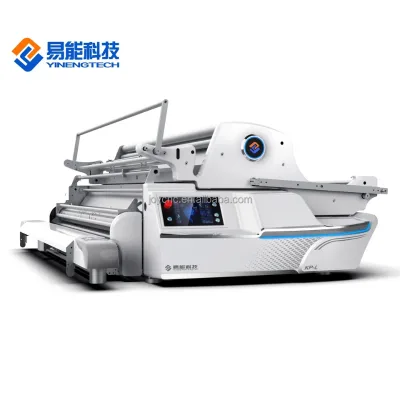
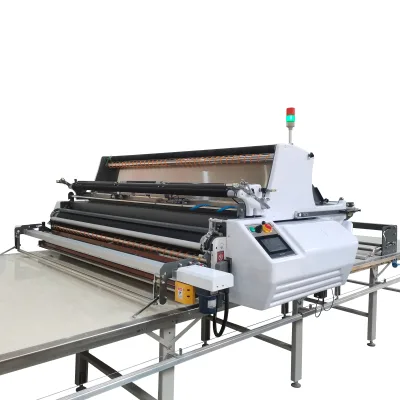
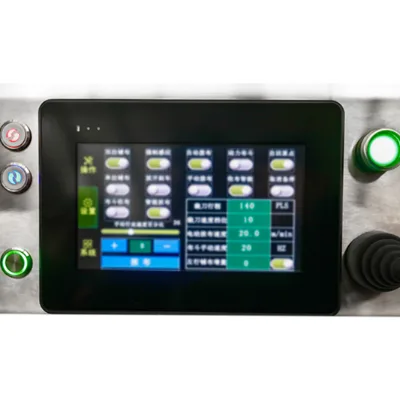
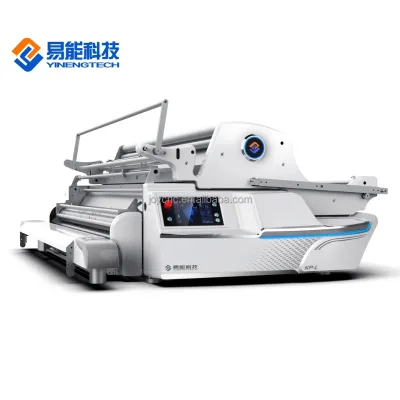
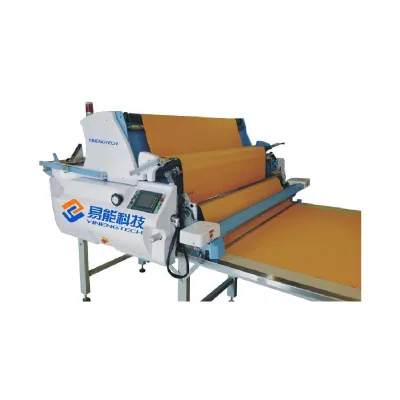
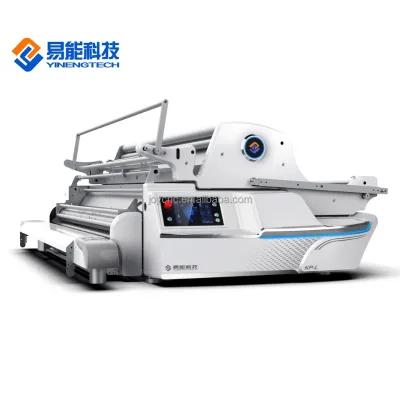
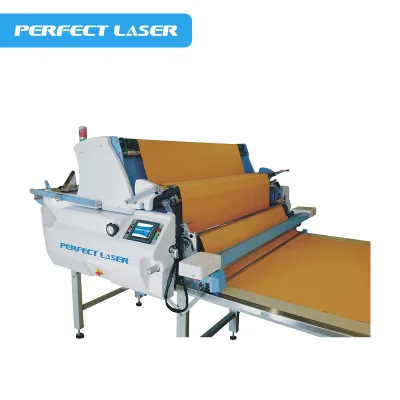
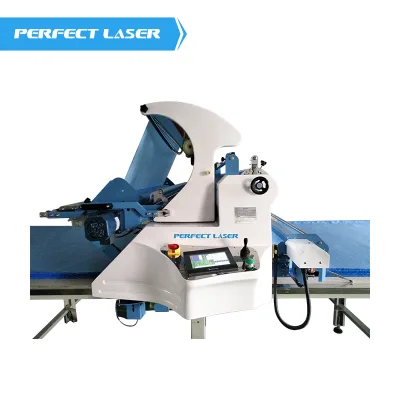
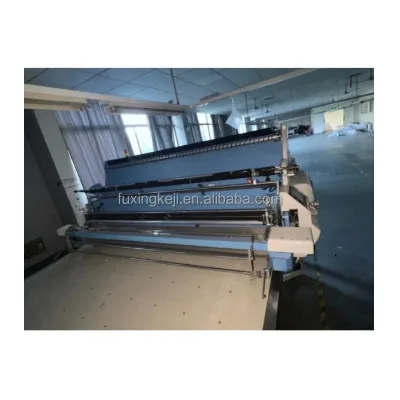

High-Quality Zig-Zag Fabric Spreader for Smooth Knit Material Application
$8000.00 - $12000.00
MOQ: 1 Pieces

Advanced S8 Series Fabric Feeding Spreader for Efficient Distribution
$8000.00 - $12000.00
MOQ: 1 Pieces

Advanced Automatic Fabric Spreader for Efficient Garment Production
$8000.00 - $12000.00
MOQ: 1 Pieces

Advanced Knit Fabric Automatic Spreader for Efficient Fabric Handling
$8000.00 - $12000.00
MOQ: 1 Pieces


Bz Zigzag Spreading Textile Machine Automatic Fabric Cutting Machine
$21216.00 - $23574.00
MOQ: 1 Pieces

One Way or Zigzag Spreading Textile Machine Automatic Fabric Cutting Machine
$25429.00 - $244091.00
MOQ: 1 Pieces

Bz One Way or Zigzag Spreading Textile Machine Automatic Fabric Cutting Machine
$21216.00 - $23574.00
MOQ: 1 Pieces

Bz One-Way Spreading Textile Machine Automatic Fabric Cutting Machine
$25429.00 - $244091.00
MOQ: 1 Pieces


High Efficiency Fully Automatic Fabric Layer Spreading Spreader Machine
$1900.00 - $3000.00
MOQ: 1 Pieces

Textile Cutting Fabric Automatic Spreading Machine for Cloth Cutting Garment
$1900.00 - $3000.00
MOQ: 1 Pieces


High Efficiency Automatic Cutting Fabric Spreading Machine for Garment
$1900.00 - $3000.00
MOQ: 1 Pieces

Advanced Fully Automatic Fabric Spreading Machine for High Efficiency
$1900.00 - $3000.00
MOQ: 1 Pieces


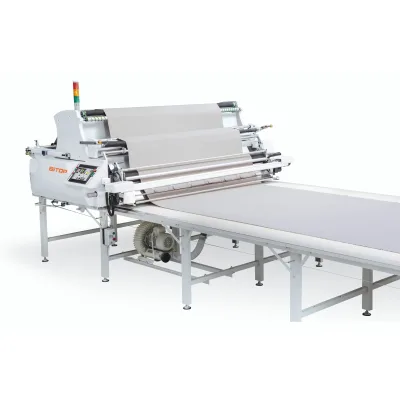

Automatic Spreading Machine Fabric Cutting Machine Clothing Spreader Garment Table Bed
$20000.00 - $30000.00
MOQ: 1 Pieces
Comprehensive Sourcing Guide
Strategic Sourcing Guide for Automatic Zig-Zag Fabric Spreaders
Understanding the Core Technology and Operational Mechanics
The automatic zig-zag fabric spreader represents a critical piece of automation within the textile and garment manufacturing value chain. Unlike manual spreading methods, these machines utilize a combination of PLCs, motors, gearboxes, and precision bearings to automate the laying of fabric rolls onto a cutting table. The fundamental operation involves feeding fabric from a roll, often with a maximum diameter capacity of 1 meter or 800mm depending on the specific model configuration, and distributing it in a controlled zig-zag pattern. This pattern is essential for maximizing material utilization and ensuring uniform tension across the fabric layers before cutting.
The mechanical architecture of these spreaders typically integrates a robust engine, motor, and gear system to drive the spreading head. The motor power requirements vary significantly across the market, with observed specifications ranging from 1KW to 6KW, and specific models citing 4KW as a standard configuration. The speed of operation is another critical variable; while some units operate at a fixed speed of 800 RPM, others offer customized speed settings to accommodate different fabric types and production rates. The machine's ability to handle various fabric weights, such as a 200kg option, and its capacity to process materials ranging from knitting and woven fabrics to nonwovens and leather, define its versatility. The spreading width is a primary determinant of the machine's footprint and throughput, with standard configurations available in widths of 1.6, 1.9, 2.1, 2.6, and 3.0 meters.
Technical Specifications and Configuration Variations
When evaluating an automatic zig-zag fabric spreader, buyers must scrutinize the specific technical parameters that align with their production line requirements. The physical dimensions of the machine are substantial, with one observed configuration measuring 2370mm in length, 1850mm in width, and 950mm in height. The weight of these units is a significant logistical factor, with observed weights ranging from 500kg to 750kg. This variance often correlates with the machine's structural robustness and the complexity of its internal components.
The core components list is a vital area of verification. High-end models typically include a PLC for automated control, an engine, bearings, a gearbox, and a motor. Some advanced configurations may also list additional components such as pressure vessels and pumps, which may indicate specialized hydraulic or pneumatic systems integrated into the spreading mechanism. The material capabilities of the machine are equally important; buyers should verify that the specific model supports the exact fabric types they intend to process, whether it is standard textile fiber, cotton wool, or specialized materials like leather.
The following table summarizes the key technical specifications observed in the current market for these machines, highlighting the range of options available to buyers.
| Specification Category | Observed Range / Options | Notes for Verification |
|---|---|---|
| Model Number | KP-L190S, KP-LLS, KP-LS | Verify compatibility with existing cutting tables. |
| Spreading Width | 1.6m, 1.9m, 2.1m, 2.6m, 3.0m | Select based on roll width and cutting table size. |
| Cloth Diameter | Max 1m (1000mm), 800mm max | Ensure the roll size fits the machine's spindle. |
| Motor Power | 1KW, 4KW, 6KW | Higher power may be required for heavy fabrics. |
| Operating Speed | 800 RPM, Customized | Confirm if speed is fixed or adjustable via PLC. |
| Machine Weight | 500kg, 510kg, 750kg | Critical for floor load capacity and shipping. |
| Voltage | 1P/220V | Must match local facility electrical standards. |
| Automatic Grade | Automatic | Distinguishes from semi-automatic or manual units. |
Cost Drivers and Financial Considerations
The procurement cost of an automatic zig-zag fabric spreader is influenced by a complex interplay of factors, including the machine's weight, motor power, and the complexity of its control systems. The observed price range in the market spans from approximately $1,900 to over $244,000 USD. This vast disparity is not indicative of a single product line but rather reflects the diversity of configurations, from basic ordinary products to highly specialized CNC fabric spreading machines.
Several specific cost drivers must be analyzed during the budgeting phase. First, the motor power is a direct cost indicator; a 6KW motor will inherently cost more than a 1KW unit due to the increased material and engineering requirements. Second, the weight of the machine, which can range from 500kg to 750kg, impacts shipping costs and the structural requirements of the installation site. Heavier machines often require reinforced flooring and more expensive logistics solutions. Third, the level of automation and the sophistication of the PLC system contribute significantly to the final price. Machines marketed as "New product 2025" or "Hot Product 2022" may carry a premium due to updated technology or marketing positioning, though buyers should verify if these labels reflect genuine technological advancements or merely promotional terminology.
The Minimum Order Quantity (MOQ) for these machines is typically low, with observed values ranging from 1 to 1 unit. This suggests that the market is structured to accommodate single-unit purchases, which is beneficial for small to medium-sized enterprises looking to upgrade their facilities without committing to large inventory volumes. However, buyers should be aware that while the MOQ is low, the lead time and production capacity of the supplier, often cited as 100 sets per month, could influence the delivery schedule for urgent orders.
Compliance, Certification, and Safety Standards
In the context of B2B procurement for industrial machinery, compliance and safety are paramount. While specific certification names are not universally listed for every unit in the provided data, buyers must rigorously verify that the machine meets the safety standards of their local jurisdiction. The core components, including the PLC, engine, and motor, must be installed and operated in accordance with electrical safety regulations. The voltage specification of 1P/220V is a critical detail that must align with the facility's power supply to prevent equipment damage or safety hazards.
Buyers should request documentation confirming that the machine's electrical systems, including the motor and PLC, adhere to relevant international or regional standards. The presence of a "New product 2025" marketing label does not automatically imply compliance with the latest safety regulations; this must be explicitly confirmed by the supplier. Furthermore, the machine's operation involves moving parts and heavy loads, necessitating robust safety guards and emergency stop mechanisms. The supplier's ability to provide video outgoing-inspection is a valuable tool for verifying the physical condition and safety features of the machine before it leaves the factory.
Supplier Evaluation and After-Sales Support
Selecting the right supplier is as critical as selecting the right machine. The data indicates that suppliers offer a range of after-sales services, including video technical support, spare parts availability, and the provision of engineers to service machinery overseas. This global support network is essential for maintaining operational continuity, especially for facilities in regions where local technical expertise may be limited. The availability of engineers to service machinery overseas suggests that the supplier has a commitment to long-term customer relationships and operational reliability.
Buyers should evaluate suppliers based on their production capacity, which is noted as 100 sets per month in the provided context. This capacity figure helps in assessing the supplier's ability to fulfill orders within a reasonable timeframe. Additionally, the location of the supplier, identified as Hubei, China, provides insight into the logistics and potential lead times. The presence of showrooms in numerous countries, including Egypt, Canada, Turkey, Vietnam, Brazil, and the UAE, indicates a global distribution network. This network can be leveraged for local support, warranty claims, and spare parts procurement.
When evaluating a supplier, buyers should also consider the warranty terms. A standard warranty period of 1 Year is observed, but the specific terms and conditions should be reviewed carefully. The "After Warranty Service" options, such as video technical support and spare parts, are crucial for extending the lifecycle of the machine. Buyers should verify the availability of spare parts and the cost implications of post-warranty support to ensure long-term cost-effectiveness.
Quality Control and Long-Term Procurement Strategy
Quality control is a multifaceted process that begins before the purchase and extends through the machine's operational life. The "Video outgoing-inspection" feature provided by some suppliers allows buyers to visually verify the machine's condition, assembly quality, and functionality prior to shipment. This is a significant advantage in mitigating the risks associated with long-distance shipping and potential damage.
For long-term procurement, buyers should focus on the durability and maintainability of the machine. The core components, such as the PLC, bearings, and gearbox, are subject to wear and tear. Ensuring that these components are of high quality and that spare parts are readily available is essential for minimizing downtime. The "New product 2025" and "Hot Product 2022" labels may indicate newer designs with improved reliability, but buyers should request performance data or case studies to substantiate these claims.
The application of the machine is another factor to consider in the long-term strategy. Whether the machine is used in a manufacturing plant, a garment shop, or a garment factory, its performance must meet the specific demands of the industry. The machine's ability to handle different fabric types, from knitting and woven fabrics to nonwovens, ensures its versatility and longevity in a changing market. Buyers should also consider the scalability of the machine; if production volumes are expected to increase, the machine's speed and width capabilities should be sufficient to meet future demands without requiring a complete replacement.
In conclusion, sourcing an automatic zig-zag fabric spreader requires a comprehensive understanding of the technical specifications, cost drivers, and supplier capabilities. By carefully evaluating the machine's core components, warranty terms, and after-sales support, buyers can make informed decisions that align with their production goals and budget constraints. The observed data provides a solid foundation for this evaluation, but buyers must always verify specific details with the supplier to ensure the machine meets their unique requirements.
FAQs
What is the maximum cloth diameter this machine can handle?
The machine can handle a maximum cloth diameter of 1 meter or 800mm depending on the specific model configuration. Buyers should verify the exact spindle capacity for their specific roll sizes before purchase.
Which core components are included in the automatic spreading system?
Core components typically include a PLC, engine, bearing, gearbox, motor, and gear. Some advanced models may also list pressure vessels and pumps for specialized hydraulic or pneumatic functions.
Can the machine operate at different spreading speeds?
Yes, some units operate at a fixed speed of 800 RPM while others offer customized speed settings. The speed capability depends on the specific model and the requirements of the fabric type being processed.
What is the standard warranty period for this equipment?
A standard warranty period of 1 Year is observed for these machines. After the warranty expires, buyers can access video technical support and spare parts for continued maintenance.
How much does the machine weigh for shipping calculations?
The weight of these units ranges from 500kg to 750kg depending on the structural robustness and configuration. This variance impacts floor load capacity and overall shipping logistics costs.
What fabric types can this machine process effectively?
The machine is capable of processing knitting, woven, nonwoven fabrics, and leather. It is designed for applications in the textile industry including cotton wool and textile fiber processing.
Where is the production facility located for these machines?
The place of origin for these machines is Hubei, China. This location influences logistics planning and potential lead times for international orders.