Source Bipolar Vessel Closure Electrosurgical Generator for Surgery
Find and compare 30 Bipolar Vessel Closure Electrosurgical Generator models from China. Evaluate features like 100W+ output, LCD displays, and multiple working modes for general surgery, gynecology, and anorectal procedures.
Key considerations
Products List


Medical Electrosurgical Unit Four Function Bipolar Cosmetic Electrosurgical Generator
$100.00 - $600.00
MOQ: 1 Pieces


400W High-Frequency Bipolar Electrosurgical Device Surgery Electrosurgical Cautery Generator
$100.00 - $1000.00
MOQ: 1 Pieces

Surgery High Frequency Bipolar High Electrosurgical Unit Electro Surgical Cautery Generator
$100.00 - $600.00
MOQ: 1 Pieces


300W Bipolar High Frequency Electrosurgical Generator Electrosurgical Unit
$500.00 - $1000.00
MOQ: 1 Pieces


100W Bipolar High Frequency Electrosurgical Generator Electrosurgical Unit
$500.00 - $1000.00
MOQ: 1 Pieces


400W Bipolar Electrosurgical Unit High Frequency Electrosurgical Generator
$899.00 - $1499.00
MOQ: 1 Pieces


High-Frequency Vascular Closure System Ligasure Electrosurgical Hf Generator
$1699.00 - $2262.00
MOQ: 1 Pieces

Medical Electrosurgery Surgical Unit Generator Bipolar Monopolar Electrosurgical Generator
$1500.00 - $2300.00
MOQ: 1 Pieces

Vessel Sealing Generator Veterinary Use Ligasure Bipolar Monopolar Electrosurgical Unit
$6200.00 - $9200.00
MOQ: 1 Pieces

Electrocautery Machine Pure Cut Bipolar Monopolar Electrosurgical Generator
$4000.00 - $4500.00
MOQ: 1 Pieces


Electrocautery Machine Medical Electrosurgical Generator Surgery Vessel Sealing Price
$2000.00 - $2500.00
MOQ: 1 Pieces

Surgical Equipment Ligasure Vessel Sealing Electrosurgical Generator Price
$2000.00 - $2500.00
MOQ: 1 Pieces
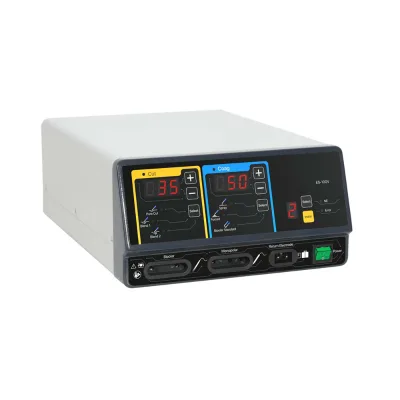

Medical Equipment Monopolar Bipolar High Frequency Electrosurgical Generator
$750.00 - $845.00
MOQ: 2 Pieces


Bipolar Ligasure Vessel Sealing Nelson Electrosurgical Generator Tissue Cutting Surgical Equipment
$500.00 - $4000.00
MOQ: 1 Pieces
Comprehensive Sourcing Guide
Bipolar Vessel Closure Electrosurgical Generator Sourcing Guide
Procuring a Bipolar Vessel Closure Electrosurgical Generator requires a precise understanding of the device's dual capability to cut tissue and seal vessels up to 7mm in diameter. Buyers must distinguish between general electrosurgical units and specialized generators designed specifically for vessel sealing, as the latter often feature advanced waveform control to minimize thermal spread. The observed market includes models with single and bipolar coagulation modes, offering versatility for procedures ranging from general surgery to neurosurgery and orthopedics.
When evaluating listings, it is critical to recognize that product attributes such as "Disposable" or "Reusable" refer to the consumable accessories rather than the generator unit itself. The core generator is typically a reusable instrument, while the electrodes or forceps may be single-use. Sourcing teams should verify that the specific model supports the required working modes, such as pure cut, blend, and various coagulation settings, to ensure compatibility with the surgical protocols of the intended facility.
Product Scope and Observed Listing Signals
The current market for these devices presents a wide price range, observed between $95 and $9,200, reflecting significant variations in power output, feature sets, and included accessories. Lower-priced units often focus on basic monopolar and bipolar functions, while higher-tier models may include advanced LCD displays, multiple power settings up to 400W, and specialized modes for precise vessel closure. Buyers should treat the listed price as a starting point for negotiation, as the final cost is heavily influenced by the specific configuration of the generator and the inclusion of compatible handpieces.
Listing signals indicate that these generators are primarily manufactured in China and are available with customization options to meet specific hospital requirements. The product names vary, ranging from "Electrosurgical Unit" to "Instrument Electrosurgical Generator," and models such as ESS9885, ESS772, and WMESU series are prevalent. Procurement teams must carefully cross-reference the model number with the stated power output and application scope, as some listings may conflate the generator with its accessories or different power classes.
Technical Specifications to Verify
A primary technical verification point is the power output, which varies significantly across the observed product range from 100W to 400W. Buyers must confirm that the generator can deliver the necessary power for the intended surgical depth, noting that some models specify a minimum output of 100W while others offer adjustable ranges up to 350W or 400W. It is essential to verify the specific bipolar and monopolar power ratings, as a unit might offer 50W for bipolar output but 200W for monopolar cutting, which dictates its suitability for different tissue types.
The physical dimensions and interface features are equally critical for integration into existing surgical suites. Observed specifications include compact dimensions such as 50x50x50 cm or larger units measuring 550x460x270 mm, which impact storage and transport logistics. Additionally, the presence of an LCD display and the availability of specific working modes, such as pure cut, blend 1, blend 2, spray coag, and soft coag, must be confirmed to ensure the device meets the clinical workflow requirements of the surgical team.
Compliance and Safety Documentation
Regulatory compliance is a non-negotiable aspect of sourcing medical electrosurgical equipment, with CE certification being a standard requirement observed in the current listings. Buyers must request valid certification documents that explicitly cover the specific model number being purchased, as certifications are often model-specific and may not automatically extend to all variations of a product line. The presence of ISOCE certification in some listings suggests a broader compliance framework, but the specific regulatory status for the target market must be validated before any purchase commitment.
Safety documentation must also address the electrical standards and output power limits to prevent tissue damage or equipment failure. While some listings mention an output power standard of ≥100W, buyers should verify that the device adheres to international safety standards for medical electrical equipment, particularly regarding leakage currents and insulation. The documentation should clearly outline the safety features for both monopolar and bipolar modes, ensuring that the device can safely handle the thermal energy required for vessel closure without exceeding safe tissue temperature thresholds.
Cost Drivers and Commercial Terms
The total cost of ownership is driven not only by the unit price but also by the packaging, shipping, and potential customization fees. Observed packaging ranges from standard paper boxes to imported cartons, which can influence shipping costs and the risk of damage during transit. Buyers should clarify whether the quoted price includes the necessary accessories, such as the specific bipolar forceps required for 7mm vessel closure, or if these are sold separately, as this can significantly alter the effective cost per procedure.
Commercial terms regarding Minimum Order Quantity (MOQ) and lead times are variable, with observed MOQs ranging from 1 to 5 units. This flexibility allows for smaller procurement cycles but may affect the per-unit pricing structure. Procurement teams should negotiate based on the specific model and power requirements, as higher-power models or those with advanced features like LCD displays may carry different volume discounts or lead times compared to basic units.
Supplier Qualification and Quality Control
Supplier qualification should focus on the manufacturer's ability to provide consistent quality control for both the generator and its associated accessories. Since the product origin is listed as China, buyers must verify the supplier's track record in exporting medical devices and their adherence to quality management systems. The distinction between disposable and reusable features in the product attributes requires clear communication with the supplier to ensure that the consumables meet the same quality standards as the generator itself.
Quality control processes must include verification of the product's functional modes and power stability. Buyers should request test reports or performance data that confirm the generator's ability to consistently close vessels up to 7mm in diameter without excessive thermal spread. The supplier should also demonstrate their capability to handle the specific packing requirements, whether standard cartons or paper boxes, to ensure the equipment arrives in optimal condition for immediate clinical use.
Long-Term Procurement Checks
Long-term procurement success depends on the availability of technical support and the supply chain stability for replacement parts and accessories. Buyers should establish a relationship with the supplier that guarantees access to compatible bipolar forceps and other consumables, as the generator's utility is limited without the correct handpieces. The observed variety of models, including ESS-LG10 and WMESU series, suggests a need for a standardized approach to spare parts to avoid compatibility issues in the future.
Regular audits of the equipment's performance and compliance status are essential for maintaining patient safety and operational efficiency. Procurement teams should schedule periodic reviews to ensure that the generators continue to meet the required power output and safety standards over time. Additionally, staying informed about updates to medical device regulations and certification requirements will help ensure that the purchased equipment remains compliant throughout its lifecycle in the surgical facility.
FAQs
What is the maximum vessel size for bipolar closure?
The device is designed to close blood vessels no larger than 7mm in diameter. This specification ensures effective sealing during general surgery, gynecology, and anorectal procedures. The bipolar vessel closure mode provides precise control for tissue cutting and coagulation in microsurgery and neurosurgery applications.
Which certifications are available for these units?
Manufacturers typically provide ISOCE and CE certifications for these electrosurgical generators. These standards verify compliance with international safety and quality requirements for medical devices. Buyers should verify specific documentation for each model, such as ESS9885 or WMESU-100, to ensure regulatory approval for their target markets.
Can the generator be customized for specific needs?
Customization is available for many electrosurgical systems. Buyers can often request specific power outputs, such as 100W, 200W, or up to 400W, depending on the model. Features like LCD displays and multiple working modes can be tailored. Contact suppliers directly to discuss packaging options and specific functional requirements for your surgical center.
What power outputs are supported by these generators?
Output power generally meets standards of at least 100W. Specific models support various configurations, including monopolar cut at 200W, monopolar coag at 120W, and bipolar at 50W. Higher capacity units may offer 300W or 400W options. Check the product specifications for the exact wattage distribution required for your surgical procedures.
Are the instruments reusable or disposable?
The product features include both disposable and reusable options. Some models are designed as reusable scalpels or sealers, while others may be single-use. The generator unit itself is typically a reusable device. Verify the specific product type and feature list for each model to determine the appropriate consumables for your inventory management.
What are the standard dimensions for shipping?
Standard packing dimensions are often around 50x50x50 cm or 550x460x270 mm, depending on the model. Units are packed in cartons or paper boxes for standard importing. These dimensions help calculate freight costs and storage requirements. Confirm the exact package size with the supplier for the specific model number you intend to purchase.