Source Boots for horse riding, winter protection, and industrial safety
Compare 30 verified listings for Boots featuring neoprene, rubber, and PU materials. Buyers can evaluate models like JS3B1513 and Waterproof High Ankled Boots-047T for seasonal use and specific closure types.
Key considerations
Products List


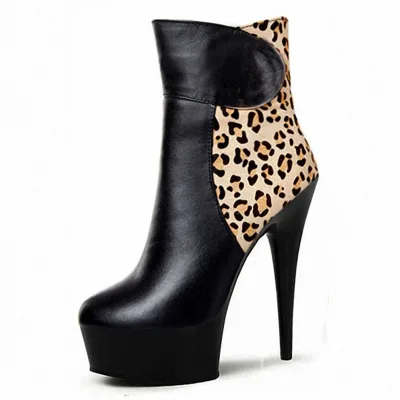


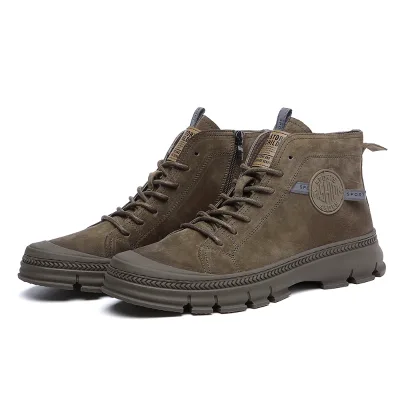
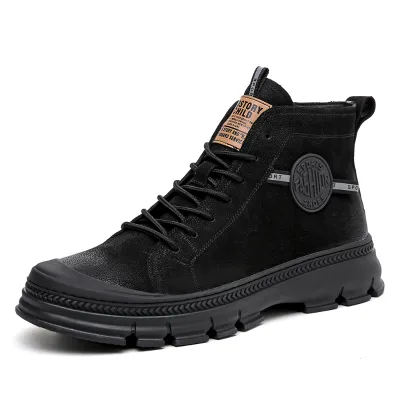
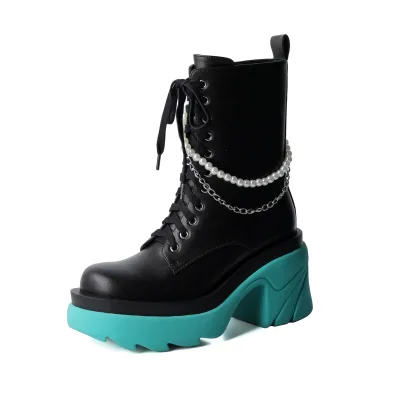

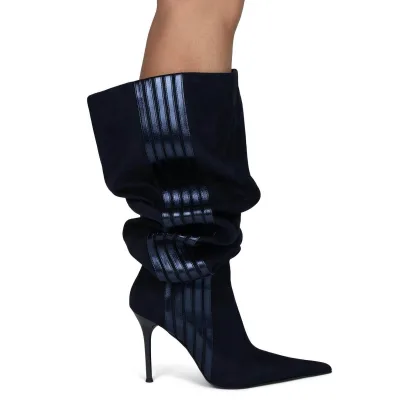

Comprehensive Sourcing Guide
Strategic Sourcing Guide for Industrial and Commercial Boots
Understanding the Product Landscape and Material Composition
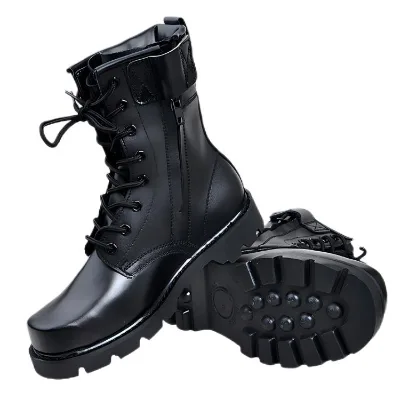
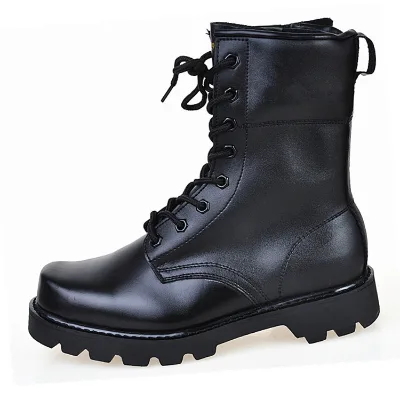
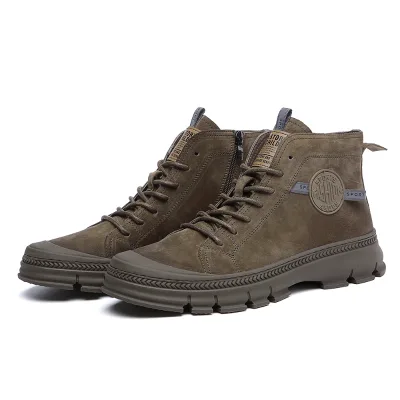
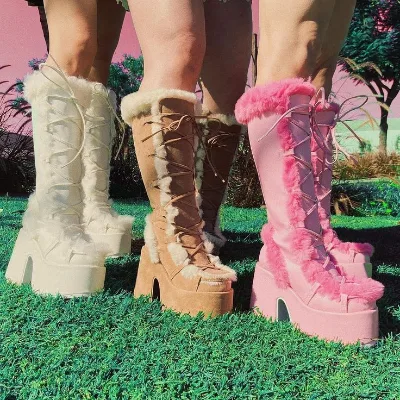
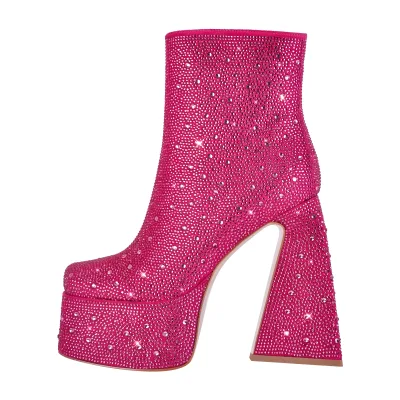
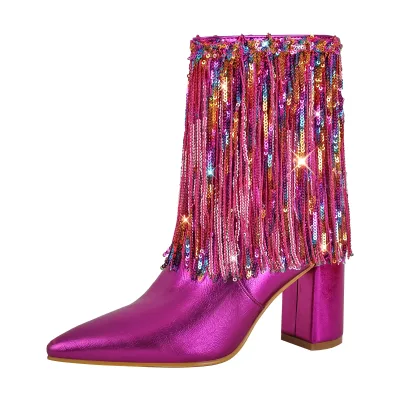
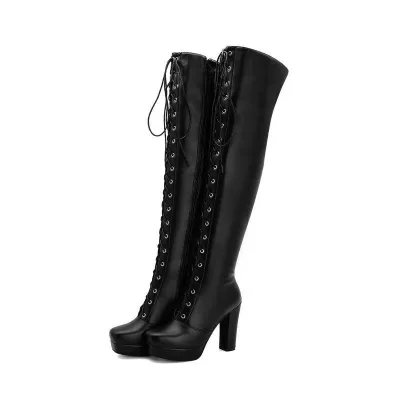
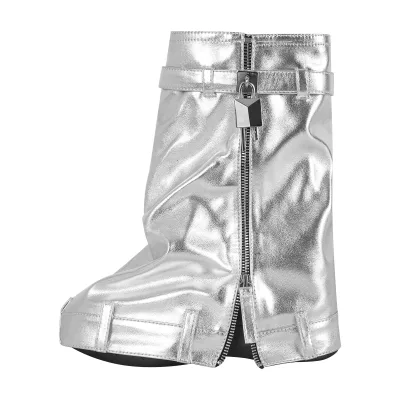
The global market for Boots encompasses a diverse array of products ranging from equestrian gear to heavy-duty industrial footwear. When initiating a sourcing strategy, the first step is to categorize the specific product type required, as the supply chain for horse Boots differs significantly from that of fashion or safety Boots. Based on current market observations, the product category includes specialized items such as "Horse Boots" constructed from neoprene, which offers elasticity and water resistance suitable for equestrian activities. In contrast, the broader footwear sector includes a wide variety of styles such as Roman Boots, Western Boots, Chelsea Boots, combat Boots, platform Boots, Martin Boots, and ankle Boots. These variations dictate the material requirements and manufacturing processes involved.
Material selection is a critical determinant of product performance and cost. The supply chain for Boots often utilizes neoprene for its durability and flexibility, particularly in protective gear. For general footwear, the upper material is frequently rubber, which provides a robust barrier against moisture and abrasion. The lining material is another vital component, with polyurethane (PU) being a common choice to ensure comfort and breathability. The outsole composition is equally important; observed specifications indicate the use of rubber and Vibram, materials known for their superior grip and longevity. The midsole often incorporates Thermoplastic Rubber (TPR) to provide cushioning and shock absorption. Buyers must verify that the specific Boots they intend to purchase match these material profiles, as the performance characteristics of neoprene, rubber, PU, and TPR vary significantly in different environmental conditions.
Technical Specifications and Design Variations
Technical specifications define the functional capabilities of the Boots and must be clearly articulated in procurement documents. The market offers a wide spectrum of design attributes, including heel height, which can range from flat to 8cm and above. Heel types vary from thin heels to platform styles, influencing both the aesthetic and the biomechanical support provided to the wearer. The closure system is another key specification, with options ranging from lace-up patterns to zipper mechanisms. The toe style is predominantly observed as round, which offers ample space for the toes and reduces the risk of injury in industrial settings.
Seasonality plays a significant role in the design and specification of Boots. Products are often categorized for specific weather conditions, with options available for winter, summer, spring, and autumn. Winter-specific models, such as snow Boots and high-ankled Boots, often feature enhanced thermal properties and waterproofing. The standard sizing conventions vary; some products adhere to regular sizes, while others offer a comprehensive range including Small (S), Medium (M), Large (L), and Extra Large (XL). Customization is a prevalent feature in the market, with many suppliers offering "as your requirement" design options and the ability to customize dimensions. This flexibility allows buyers to tailor products to specific brand identities or functional needs.
The following table summarizes the observed technical specifications and design variations found in the current market:
| Feature Category | Observed Specifications |
|---|---|
| Material | Neoprene, Rubber (Upper), PU (Lining), TPR (Midsole), Rubber/Vibram (Outsole) |
| Style | Roman, Western, Chelsea, Combat, Platform, Martin, Ankle, Snow, Horse Boots |
| Heel Height | Flat, 8cm-up |
| Heel Type | Thin heel, Platform |
| Closure | Zipper, Lace-up |
| Toe Style | Round Toe, Round |
| Season | Winter, Summer, Spring, Autumn |
| Sizing | Regular Size, S, M, L, XL |
| Customization | Available, As Your Requirement |
| Features | Waterproof, Anti-slip, Thermal, Light Weight, Cushioned, Soft, Comfort, Recyclable |
Compliance, Certification, and Safety Standards
When sourcing Boots, particularly those intended for industrial or safety-critical applications, verifying compliance with relevant standards is paramount. While the general market offers a wide range of fashion and equestrian Boots, safety Boots must meet rigorous testing criteria. Buyers should be aware that standards such as ISO 20345 and EN 13634 are often referenced in the industry for safety footwear. However, the presence of these standards in general market descriptions does not guarantee that every listed product has undergone the specific testing required for certification.
Buyers must explicitly request certification documentation from suppliers to confirm that the Boots meet the necessary safety thresholds. This includes verifying claims regarding acid and alkali resistance, anti-static properties, and slip resistance. The market data indicates that some products are marketed as "Acid and Alkali Resistant" and "Slip-Resistant," but these claims require validation through third-party testing reports. Similarly, while certifications like CE are mentioned in the broader context of the industry, they should not be assumed for specific items without direct verification. The procurement process must include a step to audit the supplier's quality management system and their ability to provide valid test results for the specific product models being ordered.
Cost Drivers and Pricing Dynamics
The pricing of Boots is influenced by a complex interplay of factors, including material costs, manufacturing complexity, and customization requirements. The observed price range in the market spans from $0.20 to $67.65 USD, reflecting the vast difference between basic equestrian accessories and high-end, feature-rich safety or fashion Boots. Several key drivers contribute to this variance. The use of premium materials such as Vibram outsoles and specialized rubber compounds increases the base cost. Additionally, the complexity of the design, such as the inclusion of thermal lining, waterproof membranes, or intricate decoration like leopard prints, adds to the manufacturing expense.
Customization is a significant cost driver. Products that require "as your requirement" design changes, custom branding, or specific size modifications often command a higher price point than standard off-the-shelf items. The Minimum Order Quantity (MOQ) also plays a crucial role in unit pricing. The market shows an MOQ range from 1 to 500 units. Buyers ordering small quantities, such as single items or small batches, may face higher per-unit costs compared to those placing large orders that allow for economies of scale. Packaging requirements, such as individual polybag packing versus carton packaging, can also impact the final cost, as specialized packaging adds labor and material expenses.
Supplier Evaluation and Geographic Considerations
Evaluating suppliers requires a thorough assessment of their capabilities, location, and operational history. The majority of the observed products originate from China, with specific regions like Shaanxi noted as places of origin. This geographic concentration suggests a robust supply chain infrastructure in these areas, but it also necessitates careful due diligence regarding logistics and communication. Buyers should verify the supplier's production capacity to ensure they can meet demand, especially when dealing with large orders or tight lead times.
The "Hand Made" attribute is another factor to consider. Most observed products are marked as "Not Handmade," indicating a reliance on automated or semi-automated manufacturing processes. This can be beneficial for consistency and speed but may limit the ability to produce highly intricate, artisanal designs. Suppliers should be evaluated on their ability to maintain consistent quality across mass production runs. Furthermore, the "Selling Units" are typically listed as single items, which suggests a flexible approach to ordering, but buyers must clarify if bulk discounts or mixed SKU orders are available. The "Single package size" and "Single gross weight" (e.g., 1.500 KG) are critical for calculating shipping costs and logistics planning. Buyers should request detailed packing lists and weight specifications to avoid unexpected freight charges.
Quality Control and Long-Term Procurement Strategy
Implementing a robust quality control (QC) strategy is essential for mitigating risks in the Boots supply chain. Given the diverse features observed, such as "Anti-slippery," "Waterproof," and "Hard-Wearing," buyers must establish clear acceptance criteria. Visual inspections should focus on the integrity of the stitching, the alignment of the zipper or laces, and the consistency of the pattern (e.g., solid or leopard print). Functional testing is equally important; buyers should verify the waterproof claims and the slip-resistance of the outsole through practical testing or by reviewing supplier test data.
Long-term procurement considerations involve building a sustainable relationship with suppliers who can adapt to changing market demands. The availability of customization options allows buyers to differentiate their products, but it requires clear communication of specifications to avoid errors. Buyers should also consider the environmental impact of their procurement choices, noting that some products are marketed as "Recyclable." This aligns with growing corporate sustainability goals and may provide a competitive advantage in the market. Finally, maintaining a buffer stock of critical items, such as standard sizes or popular styles, can help mitigate supply chain disruptions. By focusing on verified specifications, clear communication, and rigorous quality checks, buyers can secure a reliable supply of Boots that meet their operational and commercial requirements.
FAQs
What materials are commonly used for horse Boots?
Horse Boots are typically constructed from neoprene to provide elasticity and water resistance. Some general footwear options also utilize rubber for the upper material and polyurethane for the lining to ensure comfort and durability.
Which boot styles are available in the current market?
The market offers diverse styles including Roman, Western, Chelsea, Combat, Platform, Martin, and Ankle Boots. Specific categories also include Snow Boots, Winter Boots, and specialized Horse Boots designed for equestrian activities.
Can buyers request custom designs for their Boots?
Yes, customization is available with many suppliers offering designs as per your specific requirements. Buyers can often select from regular sizes or specific dimensions like S, M, L, and XL based on their needs.
What is the typical price range for sourcing Boots?
The observed price range spans from 0.20 to 67.65 USD depending on the product type and features. Costs vary significantly between basic equestrian accessories and high-end safety or fashion Boots with specialized materials.
Which heel heights and types are offered for Boots?
Boots are available with heel heights ranging from flat to 8cm and above. Heel types include thin heels and platform styles, allowing buyers to choose based on aesthetic preferences and functional support requirements.
What features do waterproof and anti-slip Boots provide?
Many Boots feature waterproof capabilities and slip-resistant outsoles made of rubber or Vibram. Additional features often include thermal properties, light weight, cushioning, and soft comfort for various seasonal conditions.
Where are most of these Boots manufactured?
The majority of observed products originate from China, with specific regions like Shaanxi noted as places of origin. This geographic concentration suggests a robust supply chain infrastructure for manufacturing these footwear items.
What are the standard packaging and weight specifications?
Products are typically packed in cartons or individual polybags with a single gross weight of 1.500 KG. Package dimensions often measure around 32x20x15 cm, which is critical for calculating shipping costs.