Source Bra Products for Lingerie, Sportswear, and Undergarments
Compare 30 Bra listings featuring wire-free, underwire, and seamless designs with various cup shapes and materials. Buyers can evaluate specifications like knitted techniques, customization options, and packing details for lingerie, sportswear, and undergarment applications; compare the available evidence and request quotations based on your requirements.
Key considerations
Products List


$1.00 - $8.00
MOQ: 1000 Pieces

$0.50 - $5.00
MOQ: 500 Pieces


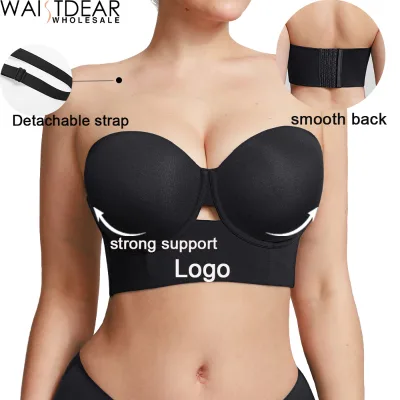


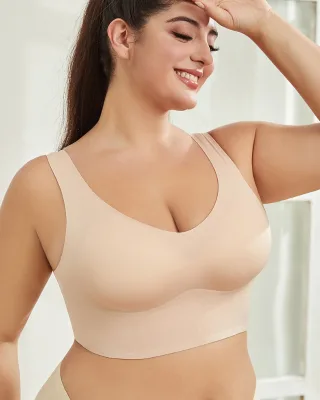
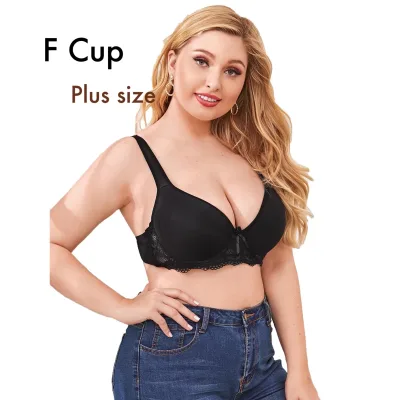
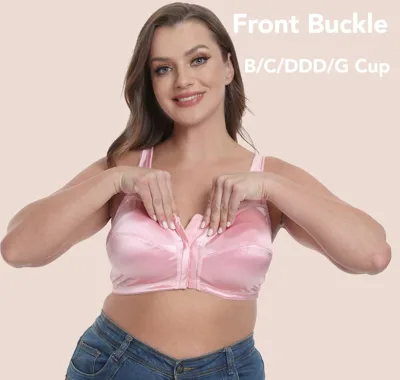


Comprehensive Sourcing Guide
Bra Sourcing Guide
Sourcing bras requires a nuanced understanding of diverse construction methods, material properties, and functional design elements that cater to specific consumer needs. Buyers must navigate a complex landscape where attributes such as wire-free versus underwire support, cup thickness, and strap configurations significantly impact both product performance and end-user satisfaction. The observed market data indicates a wide variance in product models, ranging from traditional styles to seamless and invisible designs, each demanding distinct quality control protocols. Understanding these foundational differences is critical for aligning procurement strategies with target market expectations and ensuring that the selected suppliers can deliver consistent quality across varied product lines.
Furthermore, the sourcing process involves evaluating supply chain capabilities, including customization options, packaging standards, and origin locations, which directly influence cost structures and delivery timelines. With observed origins in regions like Shantou and Zhejiang, buyers must assess the logistical advantages and potential risks associated with these manufacturing hubs. The availability of OEM services and various packing methods, from polybags to color boxes, offers flexibility but also requires rigorous verification to ensure that branding and protection standards are met. This guide provides a structured approach to navigating these complexities, ensuring that procurement decisions are informed by verified data and industry best practices rather than assumptions.
Product Scope and Observed Listing Signals
The current market landscape for bras exhibits a broad spectrum of product attributes, reflecting diverse consumer preferences and functional requirements. Observed listings highlight key variations such as wire-free and underwire support systems, indicating that buyers must carefully select designs based on the intended comfort and support levels for their target demographic. Cup shapes, including three-quarter and seamless options, along with strap types ranging from basic to strapless, further diversify the product scope. These structural differences are not merely aesthetic but dictate the engineering and material choices required to achieve the desired fit and durability, necessitating a detailed review of each product’s technical specifications before placing orders.
Additionally, material composition and surface treatments play a pivotal role in product differentiation and performance. Listings indicate the use of materials like nylon, often combined with features such as windbreak, waterproof, and moisture-wicking properties, suggesting applications beyond traditional lingerie into activewear or outerwear categories. Decorative elements like lace and patterns, alongside solid color options, allow for extensive customization and branding opportunities. The presence of specific product models and size ranges, from S to free size, underscores the importance of verifying inventory availability and sizing consistency. Buyers should leverage these observed signals to narrow down supplier options and ensure that the selected products align with their specific market positioning and quality expectations.
Technical Specifications to Verify
Verifying technical specifications is paramount to ensuring that the sourced bras meet functional and aesthetic requirements. Buyers must confirm critical attributes such as cup thickness, which is observed to be thin in some listings, and the specific knitting or dyeing techniques employed, such as plain dye or standard dye processes. These technical details directly influence the garment’s drape, breathability, and colorfastness. It is essential to request detailed technical packs that outline the exact construction methods, including seam types and elastic integration, to prevent discrepancies between samples and bulk production. Misalignment in these specifications can lead to significant quality issues, affecting both the product’s appearance and its longevity in the market.
Furthermore, the verification of size ranges and fit models is crucial for minimizing return rates and customer dissatisfaction. Observed size ranges from A to D, as well as specific size indicators like S or free size, require precise grading rules to ensure consistency across batches. Buyers should also verify the accuracy of product models and part numbers, such as Bra adjusters or cups, to facilitate accurate inventory management and reorder processes. Customization availability should be explicitly confirmed, including the extent of logo placement, color matching, and packaging modifications. By rigorously validating these technical parameters, buyers can establish clear quality benchmarks and reduce the risk of production errors, ensuring that the final products meet the intended design and performance standards.
Compliance and Safety Documentation
Compliance and safety documentation form the backbone of responsible sourcing, ensuring that products meet international standards and regulatory requirements. Buyers must verify that suppliers adhere to recognized safety standards, such as Oeko-Tex, which certifies the absence of harmful substances in textiles. Although specific certification statuses may vary, it is imperative to request valid test reports and certificates of conformity for each batch of products. These documents provide assurance that the materials used, including nylon and other fabrics, are safe for skin contact and do not contain prohibited chemicals. Without proper documentation, buyers risk facing legal liabilities, product recalls, and damage to their brand reputation in regulated markets.
In addition to chemical safety, buyers should ensure that products comply with labeling and packaging regulations specific to their target regions. This includes accurate fiber content labeling, care instructions, and country of origin markings, which are often required by law. The observed international standards suggest a baseline for quality, but buyers must confirm that suppliers are up-to-date with the latest regulatory changes. Furthermore, verifying the supplier’s adherence to environmental and labor standards can enhance brand value and appeal to ethically conscious consumers. By prioritizing comprehensive compliance documentation, buyers can mitigate risks and ensure that their sourcing activities align with global best practices and legal obligations.
Cost Drivers and Commercial Terms
Understanding the cost drivers and commercial terms is essential for effective budgeting and negotiation in Bra sourcing. Key factors influencing cost include material selection, such as the use of nylon, and the complexity of construction techniques like knitting or seamless manufacturing. Observed price ranges and minimum order quantities (MOQs) provide a baseline for financial planning, but buyers must account for additional costs related to customization, packaging, and shipping. The availability of OEM services and various packing options, from polybags to color boxes, can significantly impact the final unit cost. Buyers should request detailed quotations that break down these costs to identify potential areas for savings and negotiate favorable terms based on order volume and long-term partnership potential.
Commercial terms also encompass payment conditions, lead times, and return policies, which must be clearly defined in contracts to avoid disputes. Buyers should verify the supplier’s production capacity and lead times to ensure timely delivery, especially for seasonal or promotional items. The observed MOQ ranges, from low to high, offer flexibility for different business models, but buyers must balance inventory costs with the need for product availability. Additionally, understanding the supplier’s policies on defects, rejections, and replacements is crucial for managing risk. By establishing clear commercial terms and maintaining open communication with suppliers, buyers can optimize their supply chain efficiency and protect their profit margins.
Supplier Qualification and Quality Control
Supplier qualification and quality control are critical steps in ensuring the reliability and consistency of Bra sourcing. Buyers should conduct thorough audits of potential suppliers, assessing their manufacturing capabilities, quality management systems, and track record. This includes verifying the supplier’s ability to handle customization requests and maintain consistent quality across different product models. Observing the supplier’s production facilities and reviewing their quality control processes, such as inline inspections and final random inspections, can provide valuable insights into their operational efficiency. Buyers should also evaluate the supplier’s responsiveness and communication skills, as these factors are essential for resolving issues promptly and maintaining a productive partnership.
Implementing a robust quality control plan is equally important to prevent defects and ensure product conformity. Buyers should define clear quality standards and inspection criteria, including checks for stitching, fabric integrity, and color consistency. Regular sampling and testing during production can help identify and address issues early, reducing the risk of large-scale defects. Additionally, buyers should establish a feedback loop with suppliers to continuously improve quality and address any recurring issues. By investing in supplier qualification and rigorous quality control, buyers can build a resilient supply chain that delivers high-quality products and meets customer expectations consistently.
Long-Term Procurement Checks
Long-term procurement checks involve ongoing monitoring and evaluation of supplier performance to ensure sustained quality and reliability. Buyers should establish key performance indicators (KPIs) to track metrics such as on-time delivery, defect rates, and responsiveness to issues. Regular performance reviews and audits can help identify areas for improvement and reinforce accountability. Additionally, buyers should maintain open communication with suppliers to discuss market trends, product innovations, and potential challenges. This collaborative approach can foster a strong partnership and drive continuous improvement in product quality and service levels.
Furthermore, buyers should stay informed about changes in regulations, market demands, and technological advancements that may impact sourcing strategies. Regularly updating supplier qualification criteria and quality control protocols ensures that the supply chain remains compliant and competitive. Buyers should also diversify their supplier base to mitigate risks associated with single-source dependencies. By implementing long-term procurement checks and maintaining a proactive approach to supplier management, buyers can build a resilient and efficient supply chain that supports their business growth and adapts to changing market conditions effectively.
FAQs
What customization options are available for these bras?
Customization is available for the listed Bra products, allowing buyers to request specific modifications. The items support OEM services and come in various styles like traditional or invisible designs. Buyers can select from different cup shapes and patterns to meet their unique requirements.
Which Bra styles are offered in the current inventory?
The inventory includes traditional, invisible, and seamless styles with features like push-up or wire-free support. Some models feature lace decoration while others have solid patterns. Strap options range from basic to strapless, catering to diverse fashion needs and functional requirements for different occasions.
How is the product packed for international shipping?
Products are packed in polybags, inner cartons, and master cartons to ensure safe transit. Specific items may come in color boxes or be packed as one piece per polybag with sixty to eighty pieces per carton. This packaging standard aligns with international shipping requirements for bulk orders.
Can I find bras with specific material properties like nylon?
Yes, nylon is a confirmed material used in the available Bra products. Some items also feature advanced properties such as windbreak, waterproof, and moisture-wicking capabilities. These materials ensure durability and comfort, making them suitable for various active or everyday wear scenarios.
What is the minimum order quantity for these bras?
The minimum order quantity ranges from one to six thousand five hundred units depending on the specific model. Buyers can find options with low MOQs for testing or high-volume orders for mass distribution. This flexibility supports both small businesses and large retailers in sourcing efficiently.
Where are these Bra products manufactured?
The products originate from manufacturing locations in Shantou and Zhejiang, China. These regions are known for their textile production capabilities and supply chain efficiency. Buyers can expect consistent quality standards and reliable logistics from these established production hubs.
Are there bras with specific cup thickness or shape?
Yes, the collection includes thin cup thickness options and three-quarter cup shapes. Some models offer free size or specific size ranges from A to D. These specifications ensure a comfortable fit and desired silhouette for various body types and style preferences.