Source Carbon Brush Power Window Motor for Cars, Power Tools, and Industrial
Compare 30 listings for Carbon Brush Power Window Motor options from Chinese manufacturers. Buyers can evaluate models like LWZD112XR and C-11 based on specifications, materials, and pricing to find suitable components for cars, household appliances, and industrial applications.
Key considerations
Products List




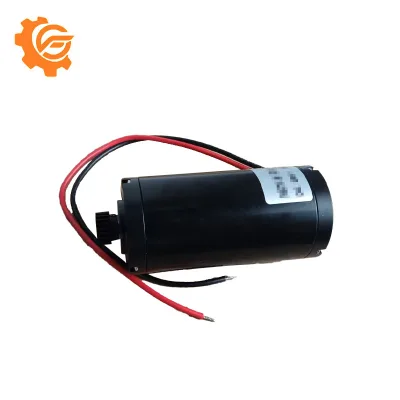
Power Window Motor 12V 24V 63mm Permanent Magnet Brushes DC Motor with Break
$28.99 - $35.99
MOQ: 2 Pieces
Comprehensive Sourcing Guide
Strategic Sourcing Guide for Carbon Brush Power Window Motors
Navigating the global market for carbon brush power window motors requires a disciplined approach that balances technical precision with rigorous supplier verification. The core component in these systems, the carbon brush, serves as the critical interface for electrical conduction between the stationary and rotating parts of the motor. For procurement professionals, understanding the specific attributes of these components is essential to ensuring reliability in automotive and industrial applications. This guide synthesizes available product data and industry standards to provide a framework for evaluating potential supply chain partners without relying on unverified claims or speculative data.
Technical Specifications and Component Architecture
The fundamental architecture of a carbon brush motor relies on the interaction between the brush material and the commutator. In the context of power window systems, the motor must deliver consistent torque across a range of operating speeds. The supplied data indicates that these motors often operate with a high-speed configuration, utilizing a specific number of poles to achieve the necessary rotational dynamics. The excitation mode is typically described as "excited," which implies a specific method of generating the magnetic field required for operation.
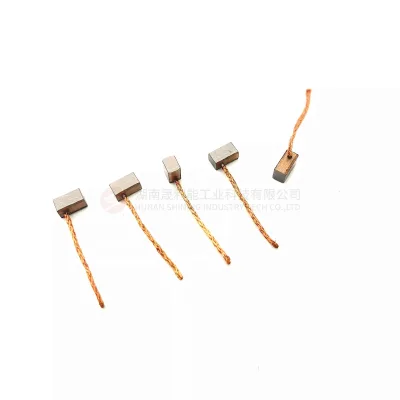
Material composition is a primary differentiator in performance. Available listings highlight materials such as Carbon, Graphite, and Copper, with some specifications explicitly noting "Electro Graphite" as a preferred material choice. The selection between imported and national materials can influence the final cost and longevity of the component. Buyers must verify the specific material grade, as the electrical conductivity and wear resistance of electro-graphite differ significantly from standard carbon composites. Furthermore, the commutation process is a critical area of focus; while some systems utilize brushless technology, the specific requirement for power window motors often necessitates a "Brush" commutation type to manage the high current loads during window actuation.
The physical dimensions of the brushes are equally critical. Specific model data points to precise sizing requirements, such as a dimension of 5.5x6.5x11mm for certain applications. Deviations from these tolerances can lead to poor contact, arcing, or premature motor failure. The product models identified in the market, such as LWZD112XR, 105R, and C-series variants like C-11 and C-20, suggest a highly segmented market where exact model matching is non-negotiable. Procurement teams must ensure that the ordered components match the exact model number required by the original equipment manufacturer (OEM) specifications.
Compliance, Certification, and Quality Standards
In the automotive sector, compliance is not merely a regulatory hurdle but a prerequisite for market entry. The supplied information references several key certifications that buyers should verify during the supplier evaluation process. These include TUV, GS, ISO9001, BV, and SGS. While the presence of these certifications is a strong indicator of a supplier's commitment to quality, buyers must treat them as observations of the supplier's current status rather than guarantees of every unit's performance. The distinction between "Certificate" and "Certification" in the data suggests that different documents may cover different aspects of the supply chain, from manufacturing processes to product testing.
Quality levels are often described as "OEM Quality," which implies that the components meet the stringent standards set by major automotive manufacturers. However, this term is a broad classification. To validate this claim, buyers should request specific test reports that align with the ISO9001 standard, noting that older versions like ISO9001:2008 may still be referenced in legacy documentation, though current standards are typically more rigorous. The "Tags" associated with these products, such as "Quality Assured," serve as marketing descriptors but must be backed by tangible evidence, such as third-party audit reports from BV or SGS.
Furthermore, the standard for packaging and handling, such as "Pallet" or "BV" standards, impacts the integrity of the product during transit. Neutral packaging or custom designs are available, but the structural integrity of the packaging must be sufficient to protect the delicate carbon brushes from physical damage and environmental factors. Buyers should verify that the supplier's quality management system is certified and that the specific batch of goods being purchased has undergone the necessary quality checks to meet the stated "OEM Quality" level.
Cost Drivers and Pricing Dynamics
The pricing landscape for carbon brush motors is characterized by a wide variance, with observed ranges spanning from $0.08 to $200 USD. This broad spectrum is driven by several factors, including the complexity of the motor design, the quality of the materials used, and the scale of the order. The Minimum Order Quantity (MOQ) also plays a significant role in unit pricing, with observed ranges from 1 to 5,000 units. Smaller orders, which are often accepted by suppliers, may carry a higher per-unit cost due to the fixed overheads of production setup and logistics.
Material choice is a primary cost driver. The use of imported materials versus national materials can create a significant price differential. Imported graphite or copper composites often command a premium due to their superior consistency and performance characteristics, which are critical for automotive applications where failure rates must be minimized. Additionally, the level of customization available affects pricing. Suppliers offering "Your Design" options for packaging or specific model configurations will typically charge more than those providing standard off-the-shelf solutions.
The "No Load Current" specification is another technical parameter that influences cost. Data points show variations such as 0.5 Max, 2.0 Max, and 2.5 Max. Motors designed for lower no-load currents often require more precise engineering and higher-quality materials to minimize energy loss and heat generation, which can increase the manufacturing cost. Buyers should analyze the total cost of ownership rather than just the unit price, considering that a slightly more expensive motor with lower current consumption and higher durability may offer better long-term value.
Typical Applications and Functional Requirements
The versatility of carbon brush motors is evident in their diverse application areas. The supplied data lists applications ranging from Cars and Household Appliances to Industrial machinery, Power Tools, and Universal uses. For power window motors specifically, the application is primarily automotive, where the motor must function reliably in varying environmental conditions, including temperature fluctuations and vibration. The "Driving" and "Control" functions are central to these applications, requiring the motor to provide precise movement for window lifting and lowering.
In addition to automotive use, these motors are frequently employed in grinding and polishing tools, as indicated by the "Grinding/Polisher/Grinding" function tag. This dual-use capability suggests that the underlying technology is robust and adaptable. The "Universal" classification implies that these motors can be integrated into various systems with minimal modification, provided the electrical and mechanical interfaces match.
The excitation mode and structure are tailored to these specific applications. The "Brush" structure and "Excited" mode are well-suited for the high-torque, variable-speed requirements of power windows. In industrial settings, the "High Speed" operation capability ensures that the motor can handle rapid cycling and heavy loads. Buyers must ensure that the selected motor model aligns with the specific functional requirements of their end product, particularly regarding the operating speed and the current type, which is specified as DC in the available data.
Supplier Evaluation and Sourcing Strategy
Evaluating suppliers for carbon brush motors requires a multi-faceted approach that goes beyond price comparison. The origin of the products is a critical factor, with data indicating origins in China, specifically Shanghai and Hunan. While these regions are known for manufacturing capabilities, buyers should verify the specific factory's capacity and reputation. The "Place of Original" and "Place of Origin" distinctions in the data suggest that different facilities may be involved in the production chain, and buyers should seek clarity on where the final assembly and testing occur.
Supplier capabilities regarding customization are a key differentiator. The availability of "Customization" and "Your Design" options indicates a flexible supply chain that can adapt to specific client needs. However, this flexibility must be balanced with the supplier's ability to maintain quality standards. Buyers should assess the supplier's track record in delivering "OEM Quality" products and their willingness to provide samples for testing before committing to large orders.
The "Small Orders: Accepted" attribute is beneficial for buyers who are in the prototyping or low-volume production phase. However, for large-scale procurement, the ability to handle high volumes, indicated by the high-end MOQ of 5,000, is equally important. Buyers should evaluate the supplier's production capacity to ensure they can meet demand spikes without compromising quality or delivery timelines.
Quality Control and Long-Term Procurement Considerations
Quality control is paramount in the automotive industry, where component failure can lead to safety hazards and significant recall costs. The "Quality Level" of "OEM Quality" is a strong starting point, but it must be validated through rigorous testing protocols. Buyers should insist on test results that verify the "No Load Current" specifications, ensuring that the actual performance matches the stated limits of 0.5 Max, 2.0 Max, or 2.5 Max. Consistency in these parameters is essential for the reliable operation of power window systems.
Long-term procurement considerations involve building a resilient supply chain. The "Export Markets: Global" status of the suppliers suggests that they have experience navigating international logistics and compliance requirements. However, buyers should also consider the stability of the supply chain, including the availability of raw materials like imported graphite and copper. Disruptions in the supply of these materials can impact production schedules and costs.
Packaging standards, such as "Neutral Package" or "Blister Card Packing," also play a role in long-term quality. Proper packaging protects the brushes from contamination and physical damage during storage and transport. Buyers should ensure that the packaging standards are maintained consistently across all shipments. Finally, the "Tags" of "Quality Assured" should be viewed as a commitment to ongoing quality improvement, requiring regular audits and performance reviews to ensure that the supplier continues to meet the evolving standards of the industry.
| Attribute | Observation from Data | Procurement Verification Action |
|---|---|---|
| Material | Carbon/Graphite Copper, Electro Graphite | Request material certificates and composition analysis. |
| Certification | TUV, GS, ISO9001, BV, SGS | Verify current validity of certificates with issuing bodies. |
| Origin | China (Shanghai, Hunan) | Confirm specific factory location and audit reports. |
| Model | LWZD112XR, 105R, C-11, etc. | Match exact model numbers to OEM specifications. |
| Dimensions | 5.5x6.5x11mm (Example) | Measure physical samples against technical drawings. |
| Current | 0.5 Max, 2.0 Max, 2.5 Max | Test no-load current on incoming batches. |
| Packaging | Neutral, Blister, Polybag | Inspect packaging integrity and labeling accuracy. |
In conclusion, sourcing carbon brush power window motors requires a meticulous approach that prioritizes technical alignment, verified certifications, and robust supplier evaluation. By focusing on the specific attributes provided in the market data and adhering to strict quality control protocols, buyers can secure a reliable supply chain that supports the demanding requirements of the automotive and industrial sectors. The wide range of available models and customization options offers flexibility, but it is the diligence in verifying each component's specifications that ensures long-term success.
FAQs
What materials are used for carbon brush power window motors?
Materials include Carbon, Graphite, Copper, and Electro Graphite. Buyers can choose between imported or national material grades to balance cost and performance requirements for specific applications.
Which certifications verify the quality of these motors?
Common certifications include TUV, GS, ISO9001, BV, and SGS. These documents indicate the supplier meets specific quality management and safety standards required for automotive and industrial sectors.
How is the no load current specified for these units?
No load current specifications vary, with observed values of 0.5 Max, 2.0 Max, and 2.5 Max. Selecting the correct current rating is essential for ensuring efficient operation and preventing motor overheating.
Can suppliers provide custom packaging for these products?
Yes, customization is available with options like Neutral Package, Blister Card Packing, or designs according to customer requirements. This flexibility allows buyers to align packaging with their specific branding or logistics needs.
Where are these carbon brush motors typically manufactured?
Products originate from China, with specific locations noted as Shanghai and Hunan. Buyers should verify the exact place of origin to understand logistics capabilities and potential supply chain stability.
What is the minimum order quantity for these motors?
Minimum order quantities range from 1 to 5000 units depending on the supplier and product model. Small orders are accepted, making it feasible for prototyping or low-volume production runs.