Source Container Corner Casting for Shipping, Logistics, and Storage
Find 30 verified container corner casting options from Chinese manufacturers. Compare specifications like ISO 1161 compliance, ABS certifications, and CNC machining tolerances to select the right fittings for your supply chain needs; compare the available evidence and request quotations based on your requirements.
Key considerations
Products List


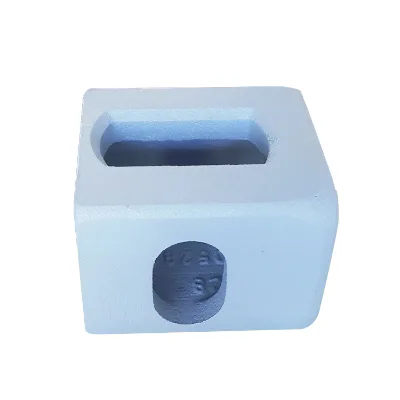
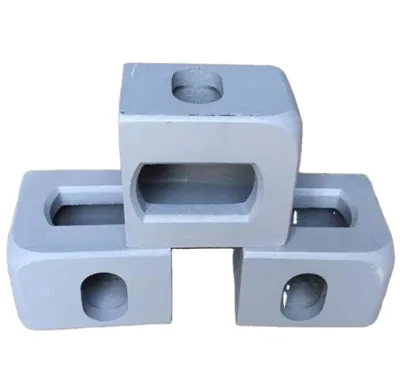


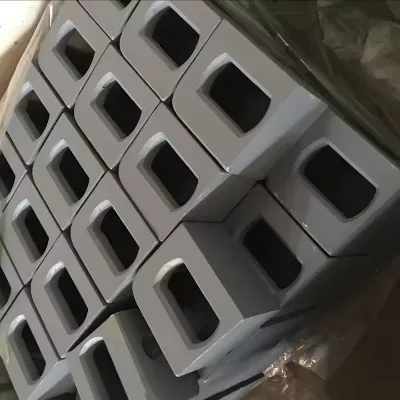
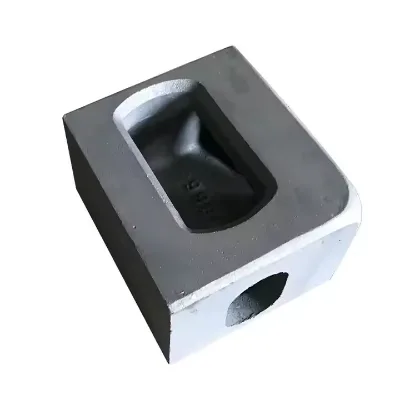
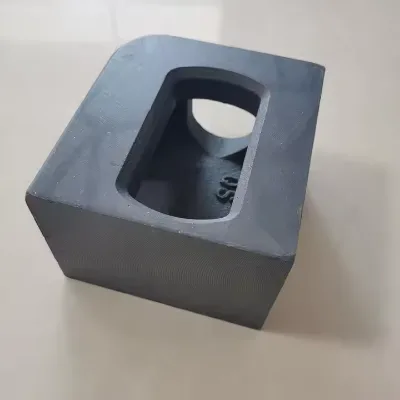


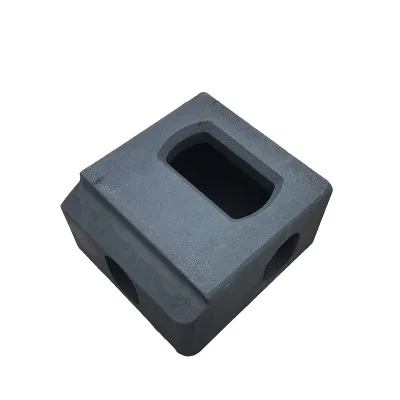


Comprehensive Sourcing Guide
Container Corner Casting Sourcing Guide
Procuring container corner castings requires a disciplined approach to verifying structural integrity and dimensional accuracy, as these components are critical for the safe stacking and securing of intermodal units. Buyers must prioritize suppliers who demonstrate consistent manufacturing capabilities, particularly those utilizing permanent casting forms and advanced CNC machining to achieve tight tolerances. The observed market data indicates a wide range of product models, from RS-CC-002 to MYCT14, suggesting that customization is a standard expectation rather than an exception. Sourcing teams should evaluate whether a supplier’s technical support includes dedicated R&D capabilities to address specific design requirements or non-standard applications.
The geographic distribution of manufacturing hubs, including Ningbo, Shanghai, and Shandong, offers buyers access to established industrial clusters with deep expertise in steel fabrication. However, proximity to ports is only one factor; the supplier’s ability to maintain quality control across large production runs is paramount. Given that some listings indicate a production period of just seven to ten days while others suggest twenty days, procurement managers must align lead time expectations with project schedules. It is essential to confirm that the supplier’s internal processes, such as closed-loop control and contour control machining, are consistently applied to every batch to prevent defects that could compromise container safety.
Product Scope and Observed Listing Signals
The current market landscape for container corner castings reveals a diverse array of product specifications, with observed models ranging from generic identifiers like "corner casting" to specific codes such as SW480 and ESEN-D19. Buyers should note that while many listings share common dimensions, such as 178 x 162 x 118mm, these measurements may represent standard profiles rather than universal constraints. The presence of customization options indicates that suppliers are equipped to handle bespoke requirements, but this flexibility must be balanced against the risk of increased complexity in quality assurance. Procurement teams should verify if the listed dimensions apply to the specific model they intend to purchase, as deviations can impact the compatibility of locking mechanisms and stacking configurations.
Packaging and logistics details provide additional insight into a supplier’s operational maturity. Observed packing methods vary from simple protective bubble wrap and paper cartons to more robust wooden cases and palletized configurations, with some suppliers offering container-specific loading strategies like 250 sets per container. These variations suggest that buyers should explicitly define their packaging requirements to prevent damage during transit, especially for heavy steel components with gross weights ranging from 5kg to 11kg per piece. Understanding the supplier’s packing standards is crucial for calculating total landed costs and ensuring that the corner castings arrive in pristine condition, ready for immediate installation or further processing without additional handling risks.
Technical Specifications to Verify
Dimensional precision is the most critical technical attribute for container corner castings, as even minor deviations can lead to significant issues in container stacking and securing. Buyers must verify that the supplier’s machining tolerance is within acceptable limits, with some observed specifications citing a tolerance of +/-0.01mm for machining processes. This level of precision is essential for ensuring that the corner castings fit seamlessly into the container frame and interact correctly with twistlock mechanisms. Procurement teams should request detailed technical drawings and tolerance maps for each model, such as RS-CC-002 or MYCT14, to confirm that the supplier’s CNC capabilities can consistently deliver the required accuracy without compromising the structural integrity of the steel components.
Surface finish and material composition are equally important factors that influence the durability and performance of corner castings in harsh marine environments. Observed surface roughness values, such as Ra12.5, indicate the level of post-casting treatment applied to the components, which can affect corrosion resistance and the effectiveness of protective coatings. Buyers should confirm the specific steel grade used in production, as the material’s tensile strength and fatigue resistance directly impact the lifespan of the container. Additionally, verifying the casting form usage, particularly whether permanent molds are employed, can provide insight into the consistency of the microstructure and the overall quality of the final product, ensuring that each piece meets the rigorous demands of intermodal transport.
Compliance and Safety Documentation
Certification is a non-negotiable requirement for container corner castings, as these components must meet international standards to ensure the safety of global supply chains. Buyers should prioritize suppliers who hold recognized certifications such as ISO 9001, which demonstrates a commitment to quality management systems, and industry-specific approvals like ABS, CSC, or CE. These certifications indicate that the supplier’s manufacturing processes have been independently audited and verified against strict safety and quality criteria. Procurement teams must request valid certification documents for each batch of corner castings, ensuring that the certifications are current and applicable to the specific models being purchased, as outdated or generic certificates may not provide adequate assurance of product reliability.
Adherence to specific standards, such as ISO 1161 and ASTM, is essential for ensuring that corner castings are compatible with global container handling equipment. Buyers should verify that the supplier’s products are manufactured in compliance with these standards, which define the geometric dimensions, mechanical properties, and testing procedures for corner castings. While some listings mention these standards, it is crucial to confirm that the supplier’s internal quality control processes are aligned with the latest revisions of these documents. Procurement managers should also inquire about the supplier’s testing protocols, including load testing and impact resistance checks, to ensure that the corner castings can withstand the extreme forces encountered during stacking, lifting, and transportation.
Cost Drivers and Commercial Terms
Pricing for container corner castings is influenced by a variety of factors, including material costs, manufacturing complexity, and order volume. Observed price ranges in the market vary significantly, reflecting differences in quality, certification levels, and customization requirements. Buyers should be cautious of unusually low prices, as they may indicate compromises in material quality or manufacturing processes. It is essential to request detailed quotations that break down costs for raw materials, machining, surface treatment, and packaging, allowing for a transparent comparison between suppliers. Procurement teams should also consider the total cost of ownership, including logistics, insurance, and potential costs associated with quality issues, rather than focusing solely on the unit price.
Minimum order quantities (MOQ) and payment terms are critical commercial considerations that can impact cash flow and inventory management. Observed MOQs range from small quantities of 1 unit to large volumes of 10,000 units, indicating that suppliers cater to both niche and high-volume markets. Buyers should negotiate MOQs that align with their production schedules and storage capabilities, avoiding excessive inventory that ties up capital. Additionally, understanding the supplier’s payment terms, such as deposits and balance payments upon shipment, is crucial for managing financial risk. Procurement teams should also clarify the warranty period, which is often listed as one year, and the scope of after-sales support, including online technical assistance, to ensure that any issues are resolved promptly and efficiently.
Supplier Qualification and Quality Control
Evaluating a supplier’s experience and technical capabilities is vital for ensuring a reliable supply of container corner castings. Buyers should prioritize suppliers with a proven track record, such as those claiming over ten years of experience in the industry, as this often correlates with refined manufacturing processes and established quality control systems. It is essential to verify the supplier’s factory location and production capacity, as facilities in established industrial hubs like Ningbo or Shanghai may have better access to raw materials and skilled labor. Procurement teams should request evidence of the supplier’s technical support capabilities, including R&D resources, to ensure that they can address any design challenges or custom requirements that may arise during the procurement process.
Quality control procedures must be rigorously assessed to prevent defects that could compromise container safety. Buyers should inquire about the supplier’s inspection protocols, including in-process checks and final product testing, to ensure that every corner casting meets the specified standards. It is crucial to verify that the supplier uses advanced machinery, such as CNC metal-cutting tools with closed-loop control, to maintain consistent precision across production batches. Procurement teams should also request samples for independent testing before placing large orders, allowing for a thorough evaluation of the corner castings’ dimensional accuracy, surface finish, and material properties. Establishing a clear quality agreement with the supplier can help mitigate risks and ensure that the delivered products meet the buyer’s expectations.
Long-Term Procurement Checks
Building a sustainable supply chain for container corner castings requires ongoing monitoring of supplier performance and product quality. Buyers should establish key performance indicators (KPIs) to track metrics such as on-time delivery, defect rates, and responsiveness to technical queries. Regular audits of the supplier’s quality management systems can help identify potential issues before they impact production, ensuring that the supplier maintains their certification standards and manufacturing capabilities. Procurement teams should also foster open communication with the supplier, encouraging feedback and collaboration to drive continuous improvement in product quality and service levels.
Adapting to changes in industry standards and market conditions is essential for maintaining a competitive advantage in container procurement. Buyers should stay informed about updates to relevant standards, such as ISO 1161, and ensure that their suppliers are compliant with the latest requirements. It is also important to monitor market trends, such as shifts in material costs or logistics challenges, to anticipate potential impacts on pricing and lead times. By maintaining a proactive approach to supplier management and quality assurance, buyers can secure a reliable supply of high-quality container corner castings that support the safety and efficiency of their intermodal operations.
FAQs
What certifications do container corner castings have?
These products hold ISO 9001, ABS, BV, and CE certifications. Some listings also include CSC certification. Buyers should verify specific documents for each supplier to ensure compliance with international shipping standards and safety requirements.
How long is the production period for these parts?
The producing period typically ranges from 7 to 10 days or up to 20 days depending on the order. Specific timelines vary by manufacturer and order volume. Buyers must confirm the exact lead time with the factory before placing an order.
Which dimensions are standard for container corner castings?
Standard dimensions are often 178 x 162 x 118mm. This size is consistent across multiple product models listed. Custom sizes may be available, but the standard metric is the primary reference for compatibility with shipping containers.
Can I get custom metal parts for this product?
Yes, customization is available for these metal parts. Buyers can request specific modifications to fit unique requirements. The manufacturer offers R&D technical support to assist with custom design and production needs for specialized applications.
What is the warranty period for these castings?
The warranty period is typically one year for these products. Some listings specify a one-year warranty covering manufacturing defects. Buyers should check the specific terms provided by the supplier to understand coverage details and claim procedures.
How are these items packed for shipping?
Packing options include 100 pieces on a pallet or protective bubble with paper cartons and wooden cases. Some suppliers offer pallets or custom packaging according to customer requirements. This ensures safe transport and prevents damage during international shipping.
Where are these container parts manufactured?
Manufacturing locations include Ningbo, Shanghai, and Shandong in China. Different factories operate in these regions to serve global demand. Buyers can select suppliers based on their preferred location or specific regional capabilities for logistics planning.