Source Contoured Sponge Tire Shine Applicator for Car Detailing, Tire Dressing, and Wheel Cleaning
Compare 30 listings for the Contoured Sponge Tire Shine Applicator designed for efficient car detailing, tire dressing application, and wheel cleaning. Buyers can evaluate variations in material, size, and MOQ to find the right supplier for bulk needs.
Key considerations
Products List






Comprehensive Sourcing Guide
Strategic Sourcing Guide for Contoured Sponge Tire Shine Applicators
The automotive detailing industry relies heavily on specialized tools to achieve professional-grade finishes, with the Contoured Sponge Tire Shine Applicator serving as a critical component in the tire dressing workflow. This guide provides a comprehensive, evidence-based framework for procurement professionals seeking to source these specific items. The analysis focuses on the technical attributes, material composition, and supply chain variables observed in the current market, ensuring that buyers can make informed decisions without relying on unverified claims or speculative data.
Technical Specifications and Material Composition
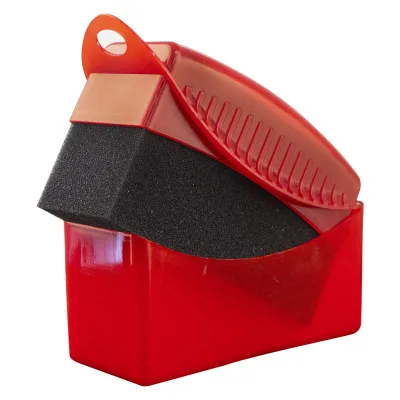
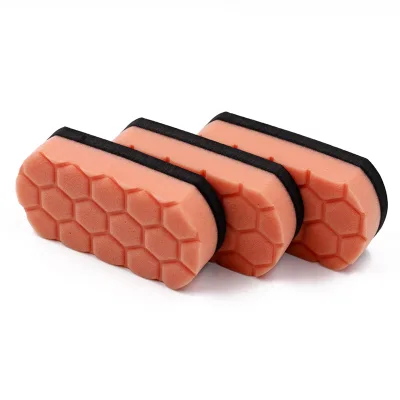
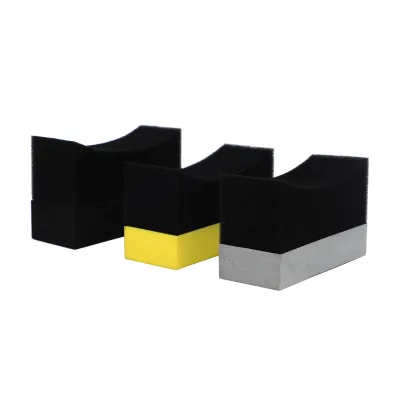
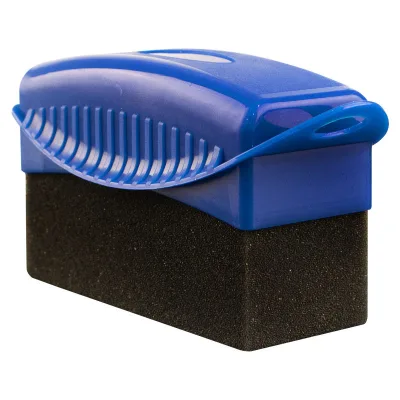
Understanding the physical and chemical properties of the applicator is the first step in defining procurement requirements. The core function of these tools is to apply tire dressing evenly while adhering to the complex geometry of tire sidewalls. Based on observed product data, the primary material composition varies between pure sponge, plastic-sponge composites, and EVA foam. Pure sponge variants are often marketed for their softness and washability, which allows for reuse and reduces long-term waste. In contrast, composite units featuring a plastic base with a sponge head offer enhanced structural integrity, preventing the applicator from collapsing under pressure during application.
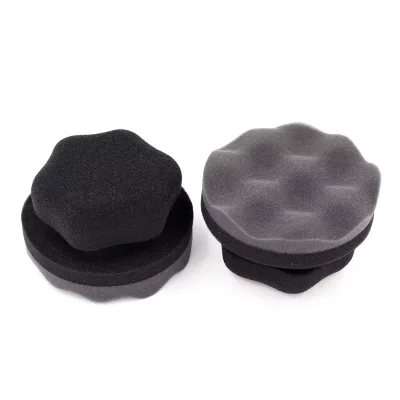
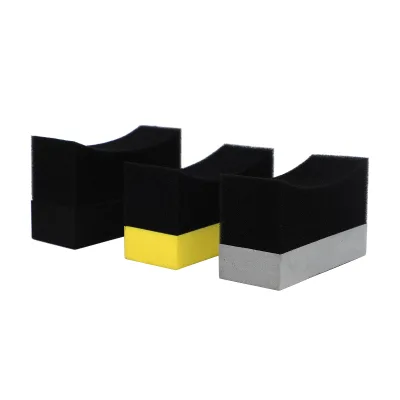
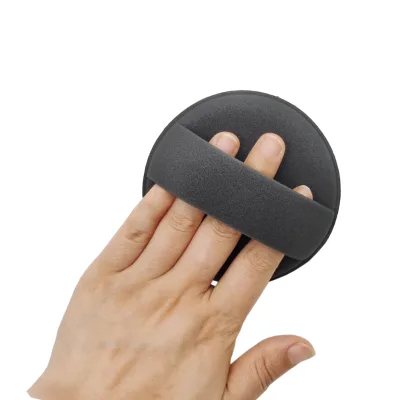
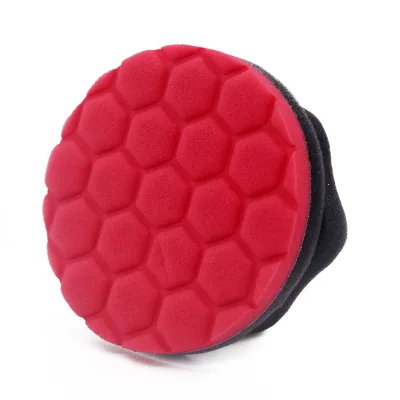
The shape of the applicator is equally critical for performance. Market observations indicate a diversity in patterns, including circular, square, and rectangular configurations. The circular pattern is frequently associated with specific model numbers like "dy001," suggesting a design optimized for general coverage. Square and rectangular patterns, such as those found in model "dy123," may offer different surface area advantages for specific tire profiles. The dimensions of these units vary significantly, with single package sizes ranging from compact 12.5x12.5x2 cm units to larger 15x15x3 cm configurations. Buyers must verify that the selected size matches the specific tire dimensions they intend to service, as a mismatch can lead to inefficient application or product waste.
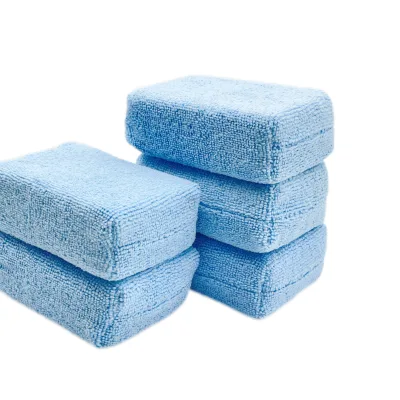
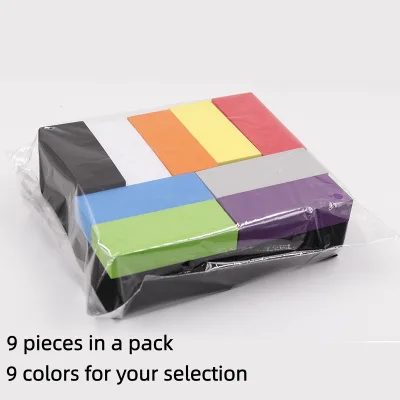
Weight is another specification that impacts user experience. Observed gross weights range from 0.020 kg to 0.200 kg per unit. Lighter units, often associated with EVA foam or smaller sponge pads, reduce hand fatigue during extended detailing sessions. Heavier units may provide more stability but could be less ergonomic for high-volume operations. The color of the applicator is typically black, though blue and yellow options are available, often serving as a visual cue for different product lines or contamination levels.
Compliance, Certification, and Safety Verification
When sourcing automotive detailing tools, compliance with safety and environmental standards is paramount, even for non-consumable items like applicators. While the provided data does not list specific certification numbers or test results, buyers must actively verify that suppliers adhere to relevant international safety standards. The absence of explicit certification data in product listings should not be interpreted as a lack of compliance, but rather as a requirement for the buyer to request documentation.
Procurement teams should inquire about the chemical safety of the materials used, particularly regarding the sponge and any binding agents. Since these tools come into direct contact with chemical tire dressings, the material must be non-reactive and non-absorbing to prevent chemical degradation or contamination of the dressing itself. The "Non-Absorbing" feature observed in some listings is a critical performance attribute that buyers should validate through material safety data sheets (MSDS) or supplier declarations.
Furthermore, environmental compliance is increasingly relevant. Buyers should verify if the materials, such as PE (Polyethylene) or EVA foam, are recyclable or if the manufacturing process adheres to specific environmental regulations in the destination market. Although the origin is listed as Hebei, China, for many units, the specific factory certifications (such as ISO 9001) are not explicitly stated in the general product attributes. Therefore, a robust supplier evaluation process must include a request for valid quality management system certificates to ensure consistent manufacturing standards.
Cost Drivers and Pricing Dynamics
The pricing of contoured sponge tire shine applicators is influenced by several variables, including material cost, manufacturing complexity, and order volume. The observed price range in the market spans from $0.10 to $2.62 USD per unit. This wide disparity suggests that factors beyond simple material cost drive the final price. High-end units featuring composite construction, custom molding, or specialized packaging likely command the upper end of this range, while basic sponge-only units fall toward the lower end.
Minimum Order Quantity (MOQ) is a significant cost driver in the procurement process. The market data reveals an MOQ range from as low as 1 piece to as high as 12,000 pieces. For small businesses or those testing a new product line, suppliers offering an MOQ of 1 to 10 pieces provide a low-risk entry point. However, these low-MQO options often carry a higher unit cost. Conversely, bulk purchasers can leverage the lower price points by ordering in larger quantities, potentially reaching the 12,000-piece threshold for maximum economies of scale.
Additional cost factors include customization. The availability of OEM and ODM services allows buyers to brand the applicators with their own logos or specifications, but this typically incurs additional setup fees and higher per-unit costs. Customization options extend to color, size, and shape, which can further influence the final price. Buyers must balance the desire for customization against the budget constraints, ensuring that the added value of branding justifies the increased expenditure.
Typical Applications and Usage Scenarios
The primary application for contoured sponge tire shine applicators is automotive detailing, specifically for the application of tire dressings. These tools are designed to facilitate "Quick Detailing" processes, where efficiency and speed are essential. The non-absorbing nature of the sponge ensures that the dressing is applied evenly without being soaked up by the tool, allowing for a uniform finish on the tire sidewall.
The versatility of these applicators extends to various vehicle types, from passenger cars to heavy-duty trucks, depending on the size and shape of the unit. The "car tire sponge applicator" keyword highlights their specific utility in the tire care segment, but the same tools can be adapted for other detailing tasks requiring controlled application of liquids. The "Folded" feature observed in some listings suggests that certain models may be designed for compact storage or specific handling techniques, enhancing their utility in professional detailing environments where space is at a premium.
In a commercial setting, the durability and reusability of the applicator are key considerations. Products labeled as "Durable and Reusable" are ideal for high-volume operations where tools are used repeatedly. The washability of the sponge ensures that the tool can be cleaned and reused multiple times, reducing the long-term cost of ownership. Buyers should evaluate the specific usage patterns of their team to determine whether a disposable or reusable model offers the best value proposition.
Supplier Evaluation and Selection Criteria
Selecting the right supplier requires a rigorous evaluation process that goes beyond price and product specifications. The geographic origin of the products is predominantly Hebei, China, a region known for its manufacturing capabilities. However, the specific location of the factory and the reputation of the supplier are not explicitly detailed in the product attributes. Buyers should prioritize suppliers who provide transparent information about their manufacturing facilities and quality control processes.
Key evaluation criteria include the supplier's ability to meet customization requests, their sample availability, and their responsiveness to inquiries. The availability of samples, including free samples in some cases, allows buyers to physically inspect the product quality before committing to a large order. This step is crucial for verifying the softness, density, and shape accuracy of the sponge.
Additionally, buyers should assess the supplier's capacity to handle large orders, given the observed MOQ of up to 12,000 pieces. A supplier with a robust supply chain can ensure consistent delivery and quality, even during peak demand periods. The acceptance of ODM and OEM services indicates a supplier's flexibility and willingness to collaborate on product development, which is a positive indicator for long-term partnerships.
Quality Control and Long-Term Procurement Strategy
Implementing a robust quality control (QC) strategy is essential for maintaining product standards. Buyers should establish clear acceptance criteria based on the observed specifications, such as material composition, dimensions, and weight. Regular inspections, either through third-party agencies or internal teams, can help identify defects early in the production process. The "Stocked" feature mentioned in some listings suggests that some suppliers maintain inventory, which can be beneficial for ensuring immediate availability, but buyers must verify the freshness and condition of these stock items.
For long-term procurement, building a relationship with reliable suppliers is key. Consistent communication regarding product updates, material changes, and market trends can help buyers stay ahead of potential issues. The ability to customize products allows for continuous improvement and adaptation to changing market demands. Buyers should also consider the environmental impact of their procurement choices, seeking suppliers who prioritize sustainable materials and manufacturing practices.
In conclusion, sourcing contoured sponge tire shine applicators requires a balanced approach that considers technical specifications, cost dynamics, and supplier reliability. By focusing on verified attributes and maintaining a rigorous evaluation process, buyers can secure high-quality tools that meet their specific detailing needs while optimizing their procurement costs. The diversity in materials, shapes, and sizes available in the market offers ample opportunity for customization, but success depends on careful selection and ongoing quality management.
| Attribute Category | Observed Variations | Procurement Consideration |
|---|---|---|
| Material | Sponge, Plastic + Sponge, EVA Foam, PE | Verify chemical compatibility with tire dressings; check for non-absorbing properties. |
| Shape/Pattern | Circular, Square, Rectangle | Match shape to tire profile; ensure ergonomic handling for the intended application. |
| Dimensions | 11cm, 12.5x12.5x2 cm, 15x15x3 cm | Confirm size fits specific tire dimensions; check packaging size for logistics. |
| MOQ | 1 Pcs to 12,000 Pcs | Balance unit cost against inventory needs; negotiate based on order volume. |
| Customization | Color, Logo, Shape (OEM/ODM) | Assess cost impact of branding; request samples for approval before bulk order. |
| Weight | 0.020 kg to 0.200 kg | Evaluate ergonomic impact for high-volume usage; lighter may reduce fatigue. |
FAQs
What materials are used for contoured sponge tire shine applicators?
These applicators are made from sponge, plastic combined with sponge, or EVA foam. Pure sponge variants offer softness and washability, while composite units provide structural integrity for better handling during application.
How does the shape of the applicator affect its performance?
Shapes include circular, square, and rectangular patterns to match different tire profiles. Circular patterns like model dy001 suit general coverage, while square or rectangular shapes may offer advantages for specific tire sidewall geometries.
Can buyers request custom colors for the tire applicator sponge?
Yes, customization is available for colors such as black, blue, and yellow. While black is the standard color, suppliers can often produce other hues to meet specific branding or identification needs for the detailing tools.
What is the minimum order quantity for sourcing these applicators?
The minimum order quantity ranges from 1 piece up to 12,000 pieces depending on the supplier. Low MOQ options allow for small trial orders, while bulk purchases can leverage economies of scale for larger operations.
Are samples available for testing the quality of the sponge applicator?
Samples are available and some suppliers offer them for free. This allows buyers to verify the softness, density, and non-absorbing features before committing to a larger purchase order for the tire dressing tools.
Which features make the applicator suitable for quick detailing?
The applicator features a non-absorbing sponge that ensures effortless application on any vehicle. This design allows for even distribution of tire dressing without soaking up the product, facilitating faster and cleaner detailing work.
Where are these sponge tire shine applicators typically manufactured?
The products originate from Hebei, China, and other regions within China. Buyers should verify specific factory locations and quality certifications when sourcing to ensure consistent manufacturing standards for the detailing tools.