Source Copper Instant Gas Water Heater for Home, Kitchen, Bathroom
Find 30 Copper Instant Gas Water Heater models with mechanical control and stainless steel housing. Compare specifications like thermal efficiency and installation types for home and kitchen applications.
Key considerations
Products List


Advanced Instant Gas Water Heater High Efficiency Constant Temperature
$240.00 - $255.00
MOQ: 100 Pieces


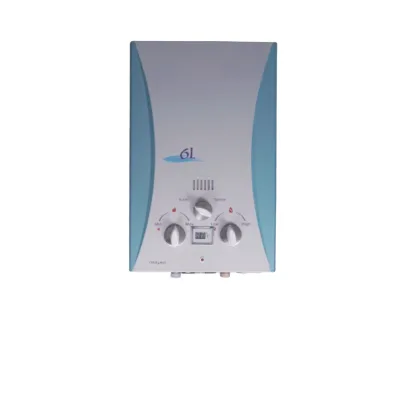

Rapid Heating Gas Water Heater Utilizing High-Conductivity Copper Heat Exchanger
$8.00 - $13.00
MOQ: 200 Pieces


Low-Maintenance Gas Water Heater Designed with Copper Heat Exchanger System
$8.00 - $13.00
MOQ: 200 Pieces

Instant Tankless Gas Water Heater Using High-Conductivity Copper Exchanger
$8.00 - $13.00
MOQ: 200 Pieces

Energy Saving Gas Water Heater Equipped with Advanced Copper Heat Exchanger
$8.00 - $13.00
MOQ: 200 Pieces
Comprehensive Sourcing Guide
Strategic Sourcing Guide for Copper Instant Gas Water Heaters
Understanding the Core Product Architecture and Technical Specifications
When sourcing copper instant gas water heaters, buyers must first distinguish between the specific architectural designs available in the current market. The core keyword implies a focus on units where copper is utilized as a critical internal component, typically within the heat exchanger or water circulation system, to maximize thermal conductivity and corrosion resistance. Based on observed product attributes, the housing material for these units is frequently stainless steel, providing a robust external shell that protects the internal copper elements from environmental damage and physical impact.
The internal architecture often features a copper heat exchanger, which is essential for rapid heat transfer in instant (tankless) systems. This design allows the unit to heat water on demand rather than storing it, aligning with the "Flue Type" and "Forced Exhaust" classifications observed in the product data. The combustion process is typically managed through a "Chamber Combustion Boiler" structure, ensuring efficient fuel usage and safety. The fuel source is explicitly identified as "Natural Gas," requiring specific venting and gas pressure regulations to be met during installation.
Technical performance is a primary driver for selection. The thermal efficiency for these units is observed to exceed 90%, a critical metric for operational cost savings. The power generation capabilities vary, with specific models showing a rated voltage of 120W and a minimum power consumption of 100W. The water circulation is forced, meaning the unit relies on pumps or pressure differentials to move water through the system, rather than relying solely on gravity. The maximum set temperature for hot water can reach 80°C, while the minimum is set at 30°C, offering a wide operational range suitable for various domestic needs.
Compliance, Certification, and Regulatory Verification
Navigating the compliance landscape is non-negotiable for B2B procurement of gas appliances. The product data indicates that suppliers must provide units with specific certifications to ensure market entry and safety. High-confidence facts confirm the presence of CE and CCC certifications, alongside ISO standards. The CE mark is essential for European market access, while CCC (China Compulsory Certification) is mandatory for products sold within China. Buyers must verify that the specific model they are sourcing carries these exact markings, as the absence of either can lead to customs delays or legal liabilities.
Beyond the primary certifications, the product standard is listed as "Regular size" or specific capacity ratings like "20KW 24KW." Buyers should not assume that all units meet a single universal standard; instead, they must verify that the specific model number, such as "JSD-S12" or "L1P20-WS/A1," aligns with the local regulatory requirements of the destination market. The "Mechanical Edition" control mode suggests a specific type of regulation system that must be compatible with the intended installation environment.
Safety standards regarding pressure are also critical. The observed data notes a maximum pressure of domestic hot water at 0.7MPa and a minimum of 0.03MPa. Procurement teams must ensure that the purchased units are rated to handle these pressures safely, particularly in high-rise buildings where water pressure can fluctuate. Additionally, the "Anti-Freeze System Start-up Temperature" is noted as less than 8°C, a vital specification for installations in colder climates where freezing could damage the copper heat exchanger.
Cost Drivers and Pricing Structure Analysis
The pricing structure for copper instant gas water heaters is influenced by several tangible factors. The observed listed price range in the market spans from 8 to 650 USD. This wide variance is not arbitrary but reflects differences in capacity, material quality, and feature sets. The lower end of the spectrum likely corresponds to basic models with smaller capacities or simpler mechanical controls, while the higher end reflects units with advanced features, larger capacities (such as the 12L or 20KW/24KW variants), and higher energy efficiency grades.
Energy efficiency is a significant cost driver. The product data highlights two distinct energy efficiency grades: "One" and "Two." Units with a Grade "One" rating typically command a higher upfront price due to superior thermal insulation and more efficient combustion chambers, which result in lower long-term operational costs. The "Two" grade units may be more affordable initially but could incur higher fuel expenses over time.
Material composition also dictates cost. The use of copper for the internal heat exchanger and stainless steel for the housing represents a premium material choice compared to aluminum or plastic alternatives. This combination increases manufacturing costs but offers superior durability and heat transfer efficiency. The "Water Tube" structure and "Galvanized and Powder Coated" finishes add to the production complexity and, consequently, the unit price. Buyers should evaluate the total cost of ownership, balancing the initial purchase price against the expected lifespan and energy savings.
Typical Applications and Installation Requirements
The application scope for these units is diverse, covering both residential and light commercial sectors. The product attributes explicitly list "Home Appliances" as the primary application, with specific usage in "Kitchen" and "Bathroom" environments. The "Forced Exhaust" and "Flue Type" designs make these units suitable for indoor standard installation, provided that proper ventilation is ensured. The "Wall-Mounted" drum placement is a common configuration, saving floor space and integrating seamlessly into modern kitchen or utility room designs.
Installation requirements are stringent due to the nature of gas appliances. The "Indoor Standard Installation" attribute implies that the unit must be placed in a well-ventilated area, away from direct exposure to the elements. The "Natural Gas" fuel type requires a dedicated gas line and pressure regulator, which must be installed by certified professionals. The "Forced Circulation" system means that the unit requires a stable electrical supply, typically at 120W, to operate the circulation pump and control electronics.
In colder regions, the "Anti-Freeze System" is a critical feature. The start-up temperature of less than 8°C ensures that the unit can operate without freezing damage in mild winter conditions. However, for areas with temperatures below this threshold, additional insulation or external heating measures may be required. The "Expansion Tank Capacity" of 6L and "Expansion Tank Pressure" of 0.1MPa are standard configurations that help manage pressure fluctuations within the plumbing system, preventing damage to pipes and the unit itself.
Supplier Evaluation and Quality Assurance Protocols
Selecting the right supplier requires a rigorous evaluation process that goes beyond price comparison. Buyers should prioritize suppliers who can demonstrate consistent adherence to the observed certifications (CE, CCC, ISO). The origin of the products is another key factor; the data indicates origins in "Guangdong" and "Dezhou, China," regions known for their manufacturing capabilities in home appliances. Buyers should verify the specific manufacturing level, such as "Level a," which may indicate a higher standard of production control.
Quality assurance should focus on the integrity of the copper heat exchanger and the stainless steel housing. Suppliers must provide evidence of the "Copper" interior material and "Stainless Steel" exterior to ensure the unit meets the durability expectations. The "Customization: Available" attribute suggests that some suppliers may offer tailored solutions, such as specific model numbers or capacity adjustments. Buyers should inquire about the customization process, including lead times and minimum order quantities (MOQ), which range from 5 to 300 units.
Packaging is also a critical aspect of supplier evaluation. The "Carton" and "Carton Packing" specifications indicate standard protective packaging, but buyers should confirm the quality of the packaging to prevent damage during transit. The "Regular size" standard suggests that units are manufactured to fit standard shipping containers, but specific dimensions should be verified to ensure compatibility with logistics requirements.
Long-Term Procurement Considerations and Maintenance
Long-term procurement success depends on understanding the maintenance requirements and warranty provisions of the units. The "Warranty Period" is consistently listed as 1 Year across the observed products. This is a standard industry baseline, but buyers should negotiate for extended warranties if the supplier offers them, particularly for high-volume orders. The warranty should cover defects in materials and workmanship, including the copper heat exchanger and the mechanical control system.
Maintenance is essential for maintaining the high thermal efficiency (>90%) observed in these units. The "Mechanical Edition" control mode may require periodic calibration or cleaning of the gas valves and burners. Buyers should establish a maintenance schedule with their suppliers to ensure that the units continue to operate safely and efficiently. The "Water Boiler" and "Steam Boilers" functional attributes suggest that these units may be part of a larger system, requiring integration with other equipment.
The "Power Generation" of 2W and "Rated Voltage" of 120W indicate that the units have low power consumption for their control systems, which contributes to energy savings. However, buyers should verify that the electrical infrastructure at the installation site can support these requirements. The "Minimum Set Temperature for Domestic Hot Water" of 30°C and "Maximum Set Temperature" of 80°C provide flexibility, but users must be educated on the appropriate settings to prevent scalding or inefficient operation.
Comparative Analysis of Key Product Attributes
To facilitate decision-making, the following table summarizes the key attributes observed in the product data, highlighting the variations that buyers should consider during the sourcing process.
| Attribute Category | Specific Observation | Sourcing Implication |
|---|---|---|
| Certification | CE, CCC, ISO | Mandatory for market entry; verify model-specific compliance. |
| Material | Housing: Stainless Steel; Interior: Copper | Ensures durability and heat efficiency; verify material grades. |
| Fuel Type | Natural Gas | Requires gas line infrastructure; check local gas pressure standards. |
| Efficiency | Grade One or Two; Thermal Efficiency >90% | Grade One offers better long-term savings; higher upfront cost. |
| Installation | Indoor Standard; Wall-Mounted; Forced Exhaust | Requires ventilation; check space constraints and venting options. |
| Capacity | 12L; 20KW/24KW | Select based on household size and peak demand. |
| Warranty | 1 Year | Standard term; negotiate for extended coverage in bulk orders. |
| Origin | Guangdong, Dezhou, Zhongguo Dezhou | Verify logistics capabilities and shipping times from these regions. |
| Control Mode | Mechanical Edition | Simple operation; suitable for environments with limited technical support. |
| Anti-Freeze | Start-up <8°C | Critical for cold climates; verify if additional protection is needed. |
Final Procurement Recommendations
In conclusion, sourcing copper instant gas water heaters requires a balanced approach that weighs technical specifications, compliance, and cost. The presence of copper heat exchangers and stainless steel housings indicates a focus on quality and longevity, while the high thermal efficiency (>90%) supports energy-conscious procurement strategies. Buyers must rigorously verify certifications (CE, CCC, ISO) and ensure that the specific model numbers align with local regulations.
The wide price range (8-650 USD) reflects the diversity of options available, from basic models to high-efficiency units with advanced features. Suppliers should be evaluated based on their ability to provide consistent quality, customization options, and reliable after-sales support. By focusing on these core areas, buyers can secure a supply chain that delivers reliable, efficient, and compliant water heating solutions for their specific market needs. The long-term success of the procurement depends on maintaining a clear understanding of the product's operational requirements and establishing strong relationships with suppliers who prioritize quality and safety.
FAQs
What certifications are required for copper instant gas water heaters?
High-confidence facts confirm CE, CCC, and ISO certifications are present for these units. Buyers must verify that the specific model carries these exact markings to ensure market entry and safety compliance in their target region.
Which housing and interior materials are used in these heaters?
The housing material is stainless steel while the interior material is copper. This combination provides a robust external shell and maximizes thermal conductivity for rapid heat transfer in instant water heating systems.
How does the energy efficiency grade affect the product price?
Units are available in Grade One or Grade Two energy efficiency ratings. Grade One units typically command a higher upfront price due to superior thermal insulation and combustion efficiency compared to Grade Two models.
Can the product be customized for specific buyer requirements?
Customization is available for these copper instant gas water heaters. Buyers should inquire about the customization process, including lead times and minimum order quantities which range from 5 to 300 units.
What is the typical warranty period for these gas water heaters?
The warranty period is consistently listed as 1 Year across the observed products. This standard industry baseline covers defects in materials and workmanship, including the copper heat exchanger and mechanical control system.
Where are these water heaters manufactured and what is the origin?
Products originate from Guangdong and Dezhou, China. These regions are known for their manufacturing capabilities in home appliances, and buyers should verify the specific manufacturing level such as Level a for quality assurance.