Source Digital Cameras for Vlogging, Surveillance, and Events
Source 30 Digital Camera options featuring CMOS sensors, WDR technology, and manual focus lenses. Compare specifications like 480tvl resolution, 7-10X optical zoom, and SD card support to find suitable devices for vlogging, security, and general photography needs; compare the available evidence and request quotations based on your requirements.
Key considerations
Products List


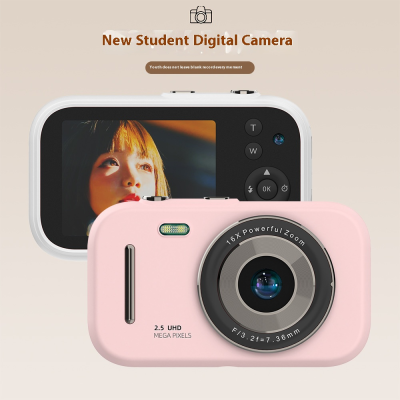
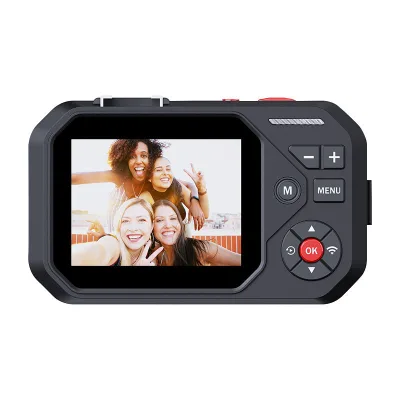


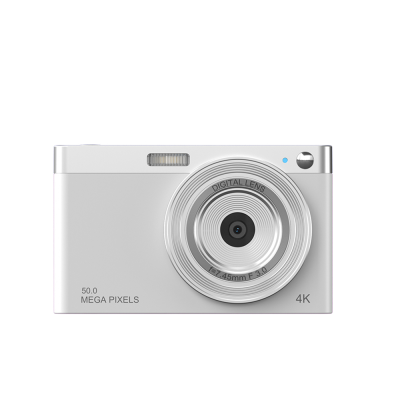
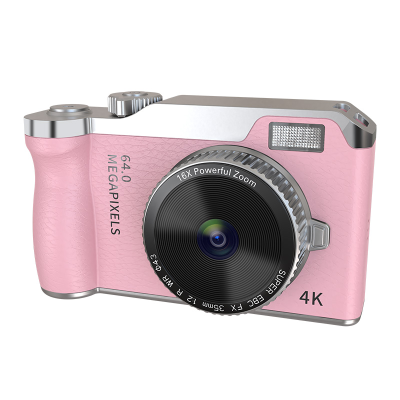
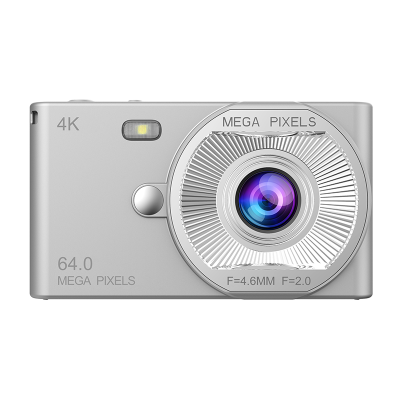
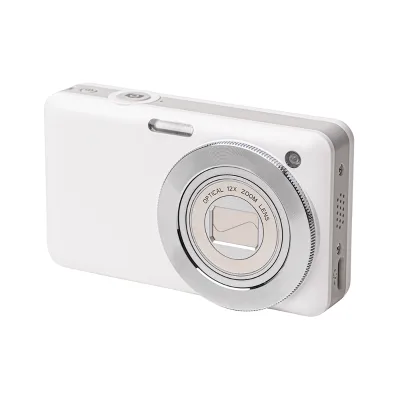
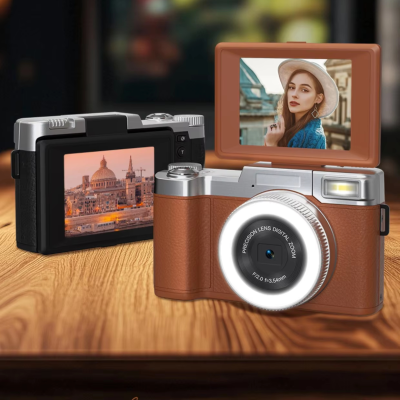
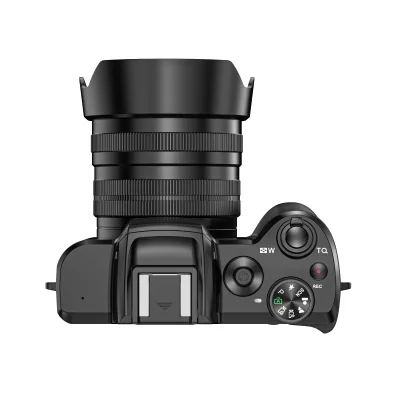
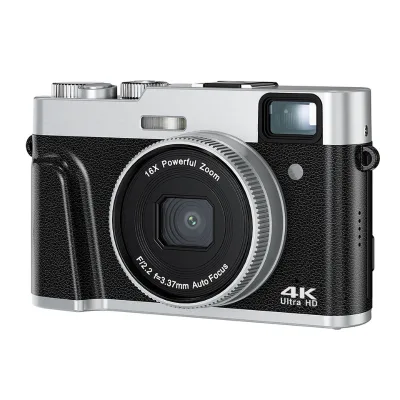
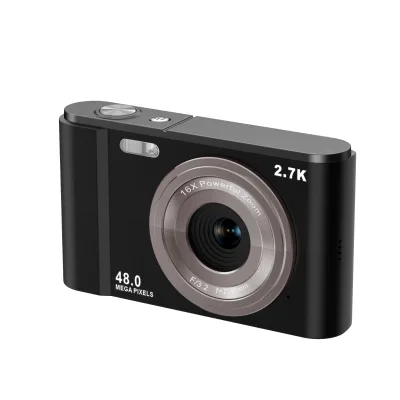
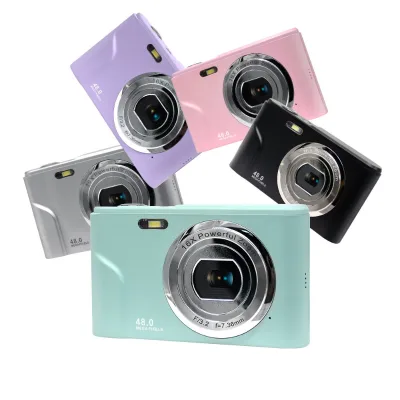


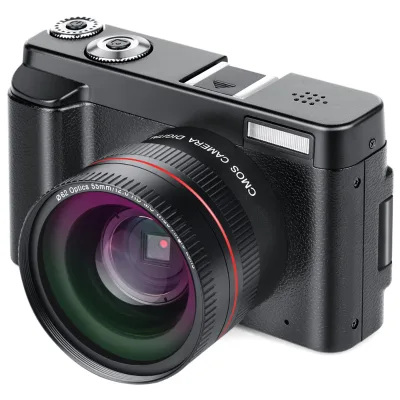
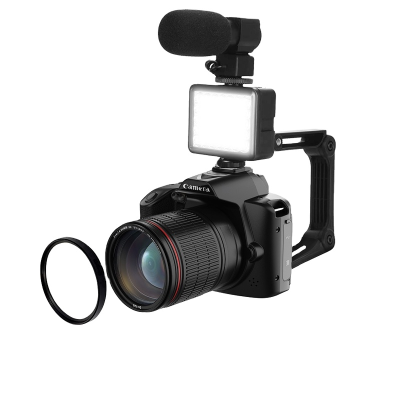
Comprehensive Sourcing Guide
Digital Camera Sourcing Guide
The Digital Camera market presents a diverse array of devices ranging from compact vlog cameras to advanced DSLR models, each serving distinct professional and consumer needs. Buyers must navigate a landscape where product attributes vary significantly, such as sensor types including both CMOS and CCD, and resolution capabilities spanning from HD to 4k and even exceeding 24 megapixels. Understanding these fundamental differences is critical for aligning procurement with specific operational requirements, whether for high-resolution photography or video capture workflows.
Sourcing decisions should be grounded in the specific technical constraints observed in current listings, such as the presence of manual focus lenses, optical zoom ranges between 7-10X, and the absence of features like WiFi or image stabilization in certain models. Procurement teams must verify if the target device supports necessary connectivity, such as SD card memory, and ensure the physical dimensions and weight, often around 147g or larger, fit the intended deployment environment. This initial filtering prevents the acquisition of mismatched hardware that fails to meet core functional expectations.
Product Scope and Observed Listing Signals
Current market listings indicate a wide price spectrum, with observed values ranging from approximately 7.48 to 10,000 USD, reflecting the disparity between entry-level compact units and high-end professional systems. This variance is driven by factors such as the claimed photo resolution, which can reach up to 40MP in some models, or the inclusion of specialized features like WDR technology and electronic viewfinders. Buyers must carefully correlate the listed price with the specific configuration of the camera to avoid overpaying for unnecessary features or underestimating the cost of robust industrial-grade equipment.
Minimum Order Quantities (MOQ) in the observed data range from single units to 500 pieces, offering flexibility for both small-scale pilots and large-volume distribution contracts. The availability of customization options allows buyers to tailor products for specific branding or functional requirements, though this may impact lead times and unit economics. It is essential to confirm whether the "Package" style and single item selling units align with the logistical needs of the supply chain, ensuring that the packaging standards meet the destination market's regulatory and aesthetic expectations.
Technical Specifications to Verify
Buyers must rigorously verify the sensor specifications, as the market contains models utilizing either CMOS or CCD sensors with varying sizes, such as the 1/3 inch format, which directly impacts low-light performance and image quality. The horizontal resolution of 480tvl is a specific metric observed in certain video camera models, while others boast photo resolutions up to 40MP or video capture capabilities in 4k. Procurement teams should demand detailed datasheets that explicitly state the image sensor type and resolution to ensure the hardware meets the precise clarity and sensitivity requirements of the intended application.
Optical and physical characteristics require equal scrutiny, particularly regarding the focal length, which is listed as 9.88mm in some models, and the optical zoom capabilities ranging from 7 to 10X. The working temperature range of -20 to 60 degrees Celsius is a critical specification for equipment deployed in extreme environments, and the absence of image stabilization or external flash in certain listings must be accounted for in the system design. Additionally, the screen size, typically between 2-3 inches, and the battery type, often Lithium, must be validated to ensure operational longevity and user interface usability in the field.
Compliance and Safety Documentation
Regulatory compliance is a non-negotiable aspect of Digital Camera procurement, with observed listings frequently citing certifications such as CE, FCC, and CCC. These marks indicate adherence to specific safety and electromagnetic compatibility standards required for market entry in various regions, particularly for electronic devices containing batteries and wireless components. Buyers must request valid certification documents for every batch to ensure that the products have undergone the necessary testing procedures and have not been falsely labeled, as non-compliant goods can lead to customs seizures and legal liabilities.
Beyond certifications, the material composition and manufacturing standards play a vital role in product safety and durability. Some products are constructed from ABS plastic or metal, which influences the device's resistance to impact and environmental factors. The standard dimensions, such as 8.8cm x 6.2cm x 3.4cm, and the origin location, often Shenzhen, China, provide context for the manufacturing ecosystem but do not guarantee quality without proper verification. Procurement teams should verify that the materials used meet the specific safety standards of the destination market to prevent hazards related to overheating or structural failure.
Cost Drivers and Commercial Terms
The final cost of digital cameras is heavily influenced by the complexity of the internal components, such as the megapixel count, which can exceed 24.0MP in high-end models, and the inclusion of advanced technologies like WDR. While the observed price range is broad, the unit cost is often a function of the sensor quality, lens construction, and the level of customization requested by the buyer. Understanding these drivers helps procurement teams negotiate effectively, ensuring that the price reflects the actual value of the hardware rather than inflated marketing claims regarding resolution or features.
Commercial terms, including MOQ and lead times, are critical variables that affect the total cost of ownership and inventory planning. With MOQs ranging from 1 to 500 units, buyers must balance the economies of scale against the risk of holding excess stock, especially for customized orders. The single package size and gross weight, such as 0.250 kg, also impact shipping costs and logistics efficiency. Buyers should clarify all payment terms and delivery schedules upfront to avoid unexpected expenses that could erode the profit margins of the final product.
Supplier Qualification and Quality Control
Supplier qualification requires a thorough assessment of the manufacturer's ability to consistently deliver products that match the observed specifications, such as the ZM901 or WP-0003 models. Buyers should verify the supplier's production capacity and quality control processes to ensure that the claimed attributes, like the 140-degree field of view or the specific screen type, are maintained across all units. A robust quality assurance program is essential to minimize the risk of receiving defective units, particularly given the variation in sensor types and resolution capabilities within the same product category.
Quality control checks should extend beyond the final product to include the raw materials and assembly processes, ensuring that components like the Lithium battery and SD card slots function reliably. The absence of features like red-eye reduction or external flash in some models must be clearly communicated and verified to prevent disputes over product expectations. Implementing a pre-shipment inspection protocol is advisable to confirm that the physical dimensions, weight, and packaging standards align with the agreed-upon specifications before the goods leave the factory.
Long-Term Procurement Checks
Sustaining a successful supply chain for digital cameras involves regular audits of supplier performance and product consistency over time. Buyers should monitor the stability of key specifications, such as the working temperature range and the reliability of the CMOS or CCD sensors, to ensure that the products continue to meet operational demands. Long-term partnerships require a commitment to continuous improvement, where feedback from end-users is used to refine product specifications and address any recurring quality issues that may arise during the product lifecycle.
Future-proofing procurement strategies involves staying informed about technological advancements and market trends that could render current inventory obsolete. As the industry evolves, features like WiFi connectivity and higher megapixel counts may become standard, necessitating a proactive approach to updating product requirements. Buyers should establish clear criteria for product obsolescence and maintain a flexible sourcing strategy that allows for rapid adaptation to new technologies, ensuring that the Digital Camera portfolio remains competitive and relevant in the long term.
FAQs
How do I choose a Digital Camera for security or recording use?
Match the camera type to your application first. The listed models include video cameras with CMOS or CCD sensors, WDR technology, and zoom lens styles, so confirm sensor type, resolution, and focus type before ordering. Also check working temperature range, size, and whether customization is available if you need the camera adapted to a specific installation or housing.
What certifications do these digital cameras carry?
The listed products show CE, FCC, and CCC certification, which cover common safety and compliance requirements for electronics in Europe, the United States, and China. Certification should still be confirmed per order because listings can mix multiple models. If you sell into another region, ask the supplier about additional documentation or test reports before placing a bulk purchase.
Which image resolutions are available across the listed models?
Resolution varies widely by model. Listed attributes include 480 TVL horizontal resolution for analog-style units, HD 1280x720 recording, 4K image resolution on CCD-based retro models, photo resolutions from 8MP up to 40MP, and some units above 24MP. Always confirm the exact sensor size, such as 1/3 inch CMOS, and video output format like 1080P HDMI for the specific model you intend to buy.
Can these digital cameras be customized for my brand or application?
Yes, customization is listed as available for the products on this page. Typical options may include branding, packaging, or hardware adjustments, but scope must be confirmed with each supplier because customization depth differs by factory. Provide your requirements, target quantity, and any certification needs early so the supplier can confirm feasibility, tooling costs, and the effect on lead time before you commit.
What are the minimum order quantities and price ranges?
Observed minimum order quantities on this page range from 1 unit to 500 units, and listed prices range from about 7.48 to 10,000 US dollars, reflecting the wide mix of camera types. Low MOQ items usually suit sampling or small retail testing, while lower unit pricing typically applies at higher volumes. Confirm the exact MOQ and tiered pricing for your chosen model directly with the supplier.
How should I handle shipping, packaging, and storage conditions?
Listed units ship in packages, with one model packed at a single item per sale and a package size of 13x12x8 cm and 0.25 kg gross weight. Check working temperature tolerance, listed as -20 to 60 degrees Celsius for one model, when planning transport and storage. Confirm carton quantities, protective packaging, and whether lithium battery shipping rules apply to your destination before arranging freight.