Source Digital Multimeter for Industrial Testing, Home Repairs, and Lab Analysis
Explore 30 verified listings for the Digital Multimeter, comparing features like auto-ranging, DC voltage ranges, and accuracy specifications. Buyers can evaluate models from Shanghai and China with options for portable or direct connected installation.
Key considerations
Products List


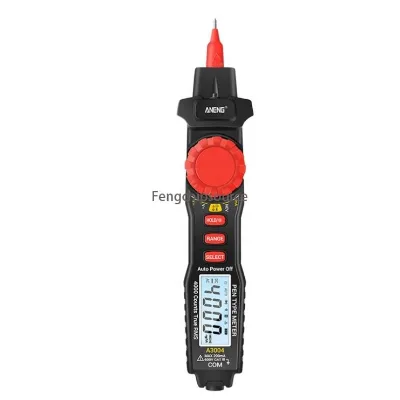
Rpm80 Quality Multimeter Digital Multifunction Meter Digital Multimeter
$107.00 - $267.00
MOQ: 1 Pieces


Comprehensive Sourcing Guide
Digital Multimeter Sourcing Guide
Product Scope and Observed Listing Signals
The Digital Multimeter market presents a diverse array of instruments ranging from compact handheld units to specialized industrial energy meters, reflecting varied procurement needs across different sectors. Based on observed listing signals, the product count stands at thirty distinct items, indicating a moderately active supply base with sufficient variety for comparative evaluation. Buyers will encounter a wide spectrum of form factors, from portable devices designed for field technicians to direct-connected units intended for permanent installation in industrial panels. This diversity necessitates a clear definition of use cases early in the sourcing process to filter out irrelevant options and focus on suppliers who specialize in the specific instrument type required.
Pricing and minimum order quantities (MOQ) exhibit significant variance, with observed prices ranging from $1.8 to $2000 USD and MOQs spanning from 1 to 1200 units. This broad range suggests that the market includes both low-cost consumer-grade tools and high-precision, feature-rich industrial meters that command premium pricing. The low-end MOQs indicate that suppliers are willing to accommodate small trial orders, which is beneficial for initial quality testing, while higher MOQs may offer better unit economics for large-scale deployments. Procurement teams must align their volume expectations with the appropriate price tier, recognizing that the lowest price point may correspond to basic functionality, whereas higher costs often reflect advanced features such as auto-ranging, higher accuracy, or specialized certifications.
Technical Specifications to Verify
Accuracy and resolution are paramount when selecting a Digital Multimeter, as these metrics directly impact the reliability of measurement data in critical applications. The observed specifications reveal a range of accuracy levels, with some units offering precision between 0.5% and 1%, while others provide specific tolerances such as ±(0.4%+3) for DC voltage or ±(1.2%+3) for AC voltage. Buyers must verify the accuracy class for each measurement function—DC voltage, AC voltage, DC current, AC current, resistance, and capacitance—since a device may excel in one area but lag in another. Additionally, the maximum display count, often cited as 6000 counts, indicates the resolution of the analog-to-digital converter, which is crucial for detecting minute fluctuations in stable circuits.
Range conversion and connectivity features further differentiate these instruments, influencing their suitability for automated testing or manual field work. Many listed models support automatic range conversion, reducing the risk of overload and simplifying operation for less experienced users, while others offer manual range selection for advanced control. Display technologies vary, with LCD screens being standard, and some units featuring bargraphs for visual trend analysis. Connectivity options such as RS-232 or digital interfaces allow for data logging and integration with computer systems, which is essential for industrial monitoring. Buyers should also confirm the power source requirements, noting that some portable units use DC batteries like 2*1.5V AA cells, while others may require AC power for continuous operation in fixed installations.
Compliance and Safety Documentation
Safety certifications are non-negotiable for electrical testing equipment, ensuring that the device protects the user from electrical hazards during operation. The presence of CE and ISO certifications in the observed listings indicates that certain suppliers adhere to European safety standards and international quality management systems. However, buyers must verify the specific safety categories (CAT I, II, III, or IV) relevant to their working environment, as these categories define the level of transient overvoltage protection the meter can withstand. Without explicit confirmation of these categories, there is a risk of using an instrument in an environment where it may fail to protect the operator from high-energy faults.
Documentation regarding environmental and operational standards also plays a crucial role in procurement decisions. Some products are listed with specific dimensions, such as 190mm x 88mm x 34mm, which may relate to ergonomic design or compatibility with existing toolkits, while others are packaged in cartons or boxes, affecting logistics and storage. Buyers should request detailed technical datasheets that confirm the operating temperature ranges, humidity tolerance, and drop-test results. These documents provide evidence that the multimeter can withstand the physical and environmental stresses of its intended deployment, whether in a controlled laboratory or a harsh industrial site.
Cost Drivers and Commercial Terms
The total cost of ownership for digital multimeters extends beyond the unit price to include packaging, customization, and logistical considerations. Observed packing methods include cartons and boxes, with specific standard dimensions like 175mm x 94mm x 35mm for certain models, which influences shipping volume and handling costs. Customization options are available for some suppliers, allowing for branding or specific feature modifications, but these services often incur additional fees and longer lead times. Procurement teams should evaluate whether the need for customization justifies the added complexity and cost, or if off-the-shelf models with standard specifications are sufficient for their requirements.
Commercial terms such as payment conditions, warranty periods, and after-sales support significantly impact the procurement strategy. While specific lead times and prices are not universally fixed, the wide range of observed MOQs suggests that negotiation leverage exists for larger orders. Buyers should clarify whether the quoted prices include taxes, duties, and shipping costs, as these variables can drastically alter the final expense. Furthermore, understanding the supplier’s policy on returns, repairs, and calibration services is essential, as digital multimeters require periodic verification to maintain accuracy. Establishing clear commercial terms upfront helps avoid unexpected costs and ensures a smooth transaction process.
Supplier Qualification and Quality Control
Supplier qualification involves assessing the manufacturer’s capability to produce consistent, high-quality digital multimeters that meet specified technical requirements. The origin of products, often listed as Shanghai or China, provides context for the manufacturing base, but buyers must look beyond geographic indicators to evaluate the supplier’s production processes. Requesting information about the supplier’s quality management system, including ISO 9001 certification, can provide assurance that standardized procedures are in place for manufacturing and testing. Additionally, verifying the supplier’s experience in the multimeter industry, including their product portfolio and customer base, helps gauge their reliability and expertise.
Quality control measures should be explicitly defined in the procurement agreement to ensure that every unit delivered meets the agreed-upon specifications. Buyers should inquire about the supplier’s incoming material inspection, in-process testing, and final random inspection protocols. For digital multimeters, this includes verifying the accuracy of each measurement function, checking the integrity of the display and buttons, and ensuring proper insulation and safety features. Implementing a pre-shipment inspection (PSI) or third-party quality audit can provide an independent verification of product quality before goods are dispatched. This step is critical for mitigating the risk of receiving defective or non-compliant units, which could lead to operational disruptions or safety incidents.
Long-Term Procurement Checks
Long-term procurement success depends on establishing a robust framework for ongoing supplier performance monitoring and product lifecycle management. Regular audits of supplier quality metrics, such as defect rates and on-time delivery performance, help identify potential issues before they escalate. Buyers should also maintain open communication channels with suppliers to stay informed about product updates, discontinuations, or new model releases. This proactive approach ensures that the organization can transition smoothly to newer technologies or improved models as needed, maintaining the relevance and efficiency of their testing equipment.
Calibration and maintenance services are vital for preserving the accuracy and longevity of digital multimeters over time. Buyers should verify whether the supplier offers calibration services or can recommend accredited calibration laboratories. Establishing a schedule for regular calibration, based on usage frequency and regulatory requirements, ensures that the instruments remain within their specified accuracy tolerances. Additionally, keeping an inventory of spare parts, such as fuses and probes, can reduce downtime in case of component failure. By integrating these long-term checks into the procurement strategy, organizations can maximize the value of their Digital Multimeter investments and ensure consistent, reliable measurement results.
FAQs
What video system do these digital multimeters support?
These devices automatically recognize NTSC and PAL video systems. This feature ensures compatibility with various display standards without manual configuration, allowing for seamless operation across different regional equipment setups.
Which models are available for this Digital Multimeter product line?
Available models include SRCT30V, 31V, 91N, SRCT601, 611, 621, 890, LONN-HT112A, HT112B, Ut53, and UT15B MAX. These specific model numbers represent the distinct variants offered in the current product catalog for different measurement needs.
Can I customize the Digital Multimeter for specific requirements?
Yes, customization is available for these digital multimeters. Buyers can request tailored specifications to meet unique operational needs, ensuring the final product aligns precisely with their specific industrial or commercial application requirements.
How is the Digital Multimeter installed and used?
The device supports portable installation and direct connection types. It is designed for versatile use as a multi-functional energy meter suitable for both industry and home applications, offering flexibility in deployment scenarios.
What certifications do these digital multimeters hold?
The products hold CE and ISO certifications. These standards verify that the digital multimeters meet international safety and quality requirements, providing assurance of compliance for global procurement and regulatory adherence.
What is the accuracy range for DC voltage measurements?
DC voltage accuracy ranges from 0.4% to 3% depending on the specific range selected. This precision ensures reliable readings for various voltage levels, supporting accurate diagnostics and measurements in professional settings.
Where are these digital multimeters manufactured?
The products originate from Shanghai, China. This location indicates the manufacturing hub for the devices, providing context for supply chain logistics and potential lead times associated with sourcing from this specific region.