Source Disposable Sponge Toilet Brush Refills for Homes, Hotels, and Bathrooms
Find 30 listings for Disposable Sponge Toilet Brush Refills from verified suppliers. Compare features like material, packaging, and eco-friendly options to match your household or commercial cleaning needs.
Key considerations
Products List
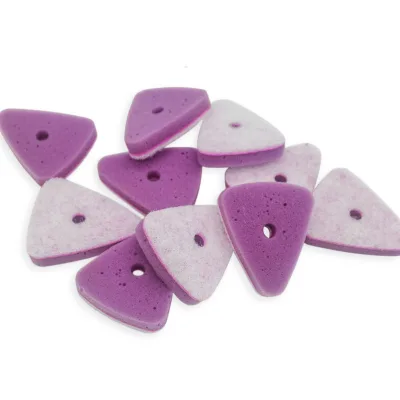
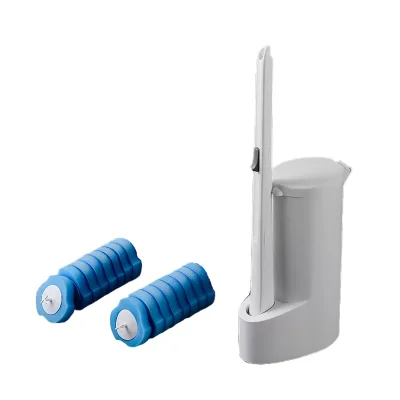
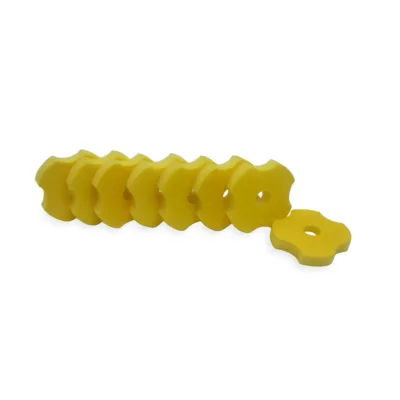
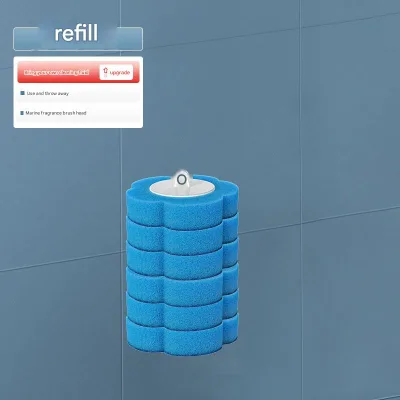


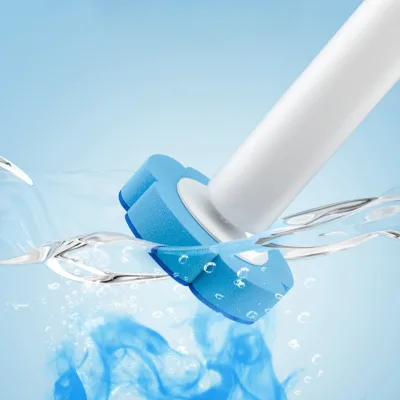
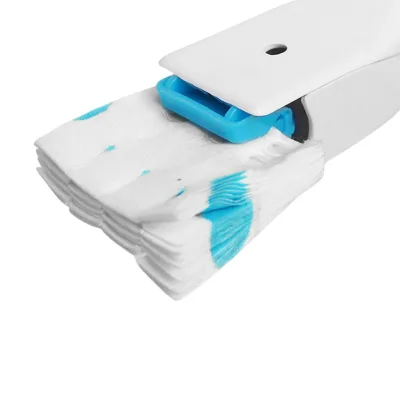

Disposable Toilet Cleaning Brush with Plastic Handle Nylon Bristle Sponge Brush
$3.50 - $5.60
MOQ: 50 Pieces


Comprehensive Sourcing Guide
Strategic Sourcing Guide for Disposable Sponge Toilet Brush Refills
Understanding Product Definitions and Core Specifications
The market for Disposable Sponge Toilet Brush Refills is characterized by a specific convergence of hygiene, convenience, and material science. When sourcing these items, buyers must first distinguish between the reusable brush handle and the consumable refill unit. The core product, often identified by keywords such as "Disposable Sponge Toilet Brush Refills," "toilet easily," or "one time use," is designed to be attached to a handle or used as a standalone cleaning tool that is discarded after a single use or a short service life. The primary function is household cleaning, specifically targeting sewer and toilet sanitation, with applications extending to general bathroom hygiene.
Technical specifications vary significantly across the supply base, requiring precise definition in procurement documents. Observed product attributes indicate that the primary cleaning material is sponge, often combined with scouring pads to enhance abrasive action against stubborn stains. The structural composition typically involves a two-layer design, which may include a soft sponge layer for absorption and a firmer scouring layer for scrubbing. The handle component, where applicable, is frequently constructed from plastic, specifically Polypropylene (PP), or other unspecified materials depending on the manufacturer's design. Dimensions are critical for logistics and storage; observed single package sizes range from 16x10x26 cm to 16x16x5 cm, while batch packaging can reach 20x20x7.8 cm. Weight data suggests a significant variance, with single gross weights recorded as low as 0.010 kg for individual refills and up to 0.700 kg for larger sets or bundled units.
Buyers should note that the "style" of these products ranges from modern designs to hand-held units, with some listings specifying a "caddy" style or a "ten-piece set" configuration. The color palette is not limited to standard white, with options such as lavender appearing in the market. Packaging formats are equally diverse, ranging from single items to bulk bags containing 6 pieces or 10 pieces per bag. Understanding these granular specifications is the first step in ensuring that the sourced product matches the operational requirements of the end-user, whether for residential, commercial, or hospitality applications.
Material Composition and Functional Performance
The efficacy of a disposable sponge toilet brush refill is almost entirely dependent on its material composition. The dominant material observed in this category is sponge, selected for its ability to absorb cleaning solutions and trap debris. In many instances, the product is described as a "scouring pad, sponge" composite, indicating a dual-material approach intended to balance gentleness on porcelain surfaces with the necessary friction to remove mineral deposits and organic matter. The handle material, when present, is predominantly plastic, with Polypropylene (PP) being a verified specification in several listings. PP is favored for its durability, chemical resistance, and cost-effectiveness in mass production.
Functionally, these products are engineered for "household cleaning" and "bathroom" applications, with specific claims regarding their ability to clean "toilet easily." The "one time use" or "disposable" nature of the product is a key differentiator from traditional bristle brushes. This design philosophy eliminates the need for washing and drying the brush head, thereby reducing the risk of bacterial regrowth and cross-contamination. The "eco-friendly" attribute is frequently cited in product descriptions, suggesting that manufacturers may be utilizing biodegradable sponges or sustainable packaging, though buyers must verify the specific environmental claims against local regulations and sustainability goals.
The "layer" specification, often noted as a "2 Layer" construction, implies a deliberate engineering choice to separate functions. One layer may be designed for initial scrubbing, while the other provides a finishing polish or absorption of the cleaning solution. This multi-layer approach can enhance the cleaning performance compared to single-material sponges. However, the "commercial buyer" segment, which includes specialty stores, often requires products that can withstand higher frequency of use or specific chemical interactions. Therefore, verifying the chemical resistance of the sponge material against common toilet cleaners is a critical technical check before finalizing a bulk order.
Compliance, Certification, and Safety Standards
In the realm of household cleaning products, particularly those involving direct contact with sanitary facilities, compliance and safety are paramount. While the supplied data does not list specific certification bodies or test results, buyers must proactively verify that products meet the regulatory standards of their target market. For products originating from Zhejiang, China, a major manufacturing hub, compliance with international safety standards is a prerequisite for export.
Buyers should request documentation confirming that the sponge material and the plastic handle are free from harmful substances such as heavy metals, phthalates, or other volatile organic compounds (VOCs) that could off-gas or leach into the cleaning solution. Since the product is often marketed as "eco-friendly," buyers must scrutinize the validity of these claims. This involves checking for recognized environmental certifications, such as biodegradability standards or recycled content verification, rather than relying solely on marketing terminology. The "eco-friendly" and "disposable" attributes must be substantiated by third-party test reports to ensure they align with local waste management regulations.
Furthermore, the "commercial buyer" status implies that the product may be used in settings with higher hygiene standards, such as hotels, hospitals, or public restrooms. In these environments, the product must comply with strict sanitation protocols. Buyers should verify that the manufacturing process adheres to Good Manufacturing Practices (GMP) and that the facility holds relevant quality management certifications. Although specific standard numbers are not provided in the source data, the buyer should explicitly ask for compliance with ISO standards related to hygiene and material safety. Additionally, the "place of origin" being Zhejiang, China, necessitates a review of any trade-specific regulations or import requirements applicable to the destination country, particularly regarding plastic waste and single-use items.
Cost Drivers and Pricing Dynamics
The pricing of Disposable Sponge Toilet Brush Refills is influenced by a complex interplay of material costs, packaging requirements, and order volume. The observed price range in the market spans from $0.01 to $6.07 USD, a wide variance that reflects differences in product configuration, quality, and packaging density. The lower end of the spectrum likely corresponds to single-item purchases or basic sponge refills with minimal packaging, while the higher end may include multi-piece sets, branded units, or those with specialized features like lavender scents or advanced scouring layers.
Material costs are a primary driver, with the price of raw sponge and plastic fluctuating based on global market trends. The "handle material" being plastic, specifically PP, ties the cost to petrochemical prices. Packaging is another significant factor; products sold in "10pcs/bag" or "6pcs/PE Bag" configurations may have different unit economics compared to bulk loose items. The "single gross weight" and "package size" directly impact shipping costs, which are a critical component of the landed cost for international buyers. Lighter, more compact packages, such as those measuring 16x16x5 cm with a weight of 0.010 kg, offer significant logistical advantages over larger, heavier units.
Order volume, represented by the "MOQ" (Minimum Order Quantity) range of 1 to 100,000, plays a decisive role in unit pricing. Buyers can expect economies of scale to kick in as order quantities increase, potentially reducing the per-unit cost significantly. However, the "selling units" vary from single items to multiples of 6, which can affect the flexibility of the order and the ability to negotiate bulk discounts. Buyers should also consider the "style" and "color" options; custom colors or specialized designs may incur additional tooling or setup costs. Understanding these cost drivers allows procurement teams to balance quality requirements with budget constraints effectively.
Supplier Evaluation and Operational Reliability
Selecting the right supplier for Disposable Sponge Toilet Brush Refills requires a rigorous evaluation process that goes beyond price comparison. The "place of origin" is consistently identified as Zhejiang, China, a region known for its robust manufacturing infrastructure but also subject to varying levels of quality control. Buyers should prioritize suppliers who demonstrate transparency in their production processes and supply chain management. The "brand name" field shows variations, with "gloria" and "Doteclean" appearing in the data, indicating that both private label and branded products are available.
Key evaluation criteria should include the supplier's ability to meet specific "application" requirements, such as "toilet" or "bathroom" specific needs. The "feature" of being "stocked" suggests that some suppliers maintain inventory, which can reduce lead times and ensure supply continuity. Conversely, "eco-friendly" and "disposable" features require suppliers to have a clear understanding of environmental regulations and sustainable sourcing practices. Buyers should verify the supplier's capacity to handle "commercial buyer" demands, which often involve larger order volumes and stricter quality expectations.
Reliability is further assessed through the supplier's adherence to "packing" standards. Consistency in packaging, such as "10pcs/bag" or "6pcs/PE Bag," is essential for inventory management and retail display. The "single package size" and "gross weight" data provided in the listings serve as benchmarks for verifying that the supplier can consistently deliver products that match the agreed specifications. Additionally, the "style" and "color" options should be evaluated for their consistency across batches. A supplier that can maintain color accuracy and design integrity over time is more likely to be a reliable long-term partner.
Quality Control and Long-Term Procurement Strategy
Implementing a robust quality control (QC) strategy is essential for maintaining the integrity of the disposable sponge toilet brush refill supply chain. Given the "one time use" nature of the product, QC should focus on material integrity, dimensional accuracy, and packaging consistency. Buyers should establish clear acceptance criteria for the "sponge" material, ensuring it is free from defects such as tears, uneven density, or discoloration. The "2 layer" construction must be verified to ensure the layers are properly bonded and do not separate during use.
For long-term procurement, buyers should consider the lifecycle of the product and its impact on the end-user experience. The "usage" of "household cleaning" and "home bathroom" implies that the product must perform reliably in a domestic setting. This includes the ability to absorb cleaning solutions effectively and provide sufficient scrubbing power without damaging the toilet surface. The "season" being "everyday" indicates that the product is intended for continuous use, requiring consistent quality across all batches.
Procurement strategy should also account for the "commercial buyer" segment, which may require specialized products or custom branding. Building a relationship with suppliers who can offer flexibility in "model number" and "style" changes can provide a competitive advantage. Additionally, buyers should monitor the "keywords" and market trends, such as the growing demand for "eco-friendly" and "disposable" solutions, to ensure their product offerings remain relevant. Regular audits and sample testing should be integrated into the procurement process to maintain high standards and mitigate risks associated with supply chain disruptions.
Application Scenarios and Market Fit
The versatility of Disposable Sponge Toilet Brush Refills allows them to fit into a wide range of application scenarios. The primary "application" is the "toilet," but the "usage" extends to general "household cleaning" and "bathroom" maintenance. The "style" of the product, whether "modern" or "hand," influences its suitability for different environments. For instance, a "ten-piece set" might be ideal for large households or commercial facilities with multiple restrooms, while single items are better suited for individual consumers or small businesses.
The "color" options, such as "lavender," can be leveraged for branding or to match the aesthetic of a specific bathroom design. The "layer" and "material" composition make these products suitable for various cleaning tasks, from light dusting to heavy scrubbing. The "function" of "toilet easily" suggests that the product is designed to simplify the cleaning process, making it an attractive option for time-poor consumers or facilities looking to reduce labor costs.
Understanding the specific needs of the target market is crucial for successful procurement. For example, "specialty stores" may require products with unique features or packaging, while "household" buyers may prioritize cost and convenience. The "commercial buyer" segment, including hotels and hospitals, may demand products that meet strict hygiene standards and are easy to dispose of. By aligning the product specifications with the specific application scenarios, buyers can ensure that their procurement decisions deliver maximum value and meet the expectations of the end-users.
FAQs
What materials are used in these disposable toilet brush refills?
The primary cleaning material is sponge, often combined with a scouring pad for enhanced scrubbing. Some units feature a two-layer design to separate absorption from abrasive action. The handle component, when included, is typically made of plastic or Polypropylene.
How are these products packaged for bulk orders?
Packaging varies by supplier, with common formats including 6 pieces per PE bag or 10 pieces per bag. Single package dimensions range from 16x10x26 cm to 16x16x5 cm, while batch packaging can reach 20x20x7.8 cm. Buyers should verify the specific packing style before ordering.
Which origin location is most common for these items?
The majority of these products originate from Zhejiang, China, a major manufacturing hub for household cleaning supplies. This region provides access to a wide range of suppliers offering both standard and customized configurations for the global market.
Can I find eco-friendly options for these disposable refills?
Yes, several listings explicitly feature eco-friendly attributes alongside their disposable nature. Buyers should verify specific environmental claims and biodegradability standards with the supplier, as marketing terms alone do not guarantee compliance with local waste regulations.
What is the typical minimum order quantity for these refills?
The observed minimum order quantity ranges from 1 unit to 100,000 units depending on the supplier and product configuration. Single items are available for small purchases, while bulk bags and sets cater to larger commercial or retail requirements.
How much do these disposable toilet brush refills cost per unit?
The market price range spans from 0.01 to 6.07 USD per unit, influenced by packaging density and material quality. Lower prices typically reflect single-item or basic sponge refills, while higher costs may include multi-piece sets or specialized features like scents.
What specific cleaning functions do these refills perform?
These refills are designed for household cleaning, specifically targeting toilets and sewer sanitation. They function to clean easily without the need for washing, reducing bacterial regrowth risks associated with reusable bristle brushes.