Source Electronic Cold Fireworks Ignitor for Stage, Events, and Displays
Find and compare 30 Electronic Cold Fireworks Ignitor options for stage effects, holiday parties, and family celebrations. Review specifications like wireless remote control, independent cueing, and various wire lengths to select the right ignition system for your pyrotechnic needs; compare the available evidence and request quotations based on your requirements.
Updated
Key considerations
Products List




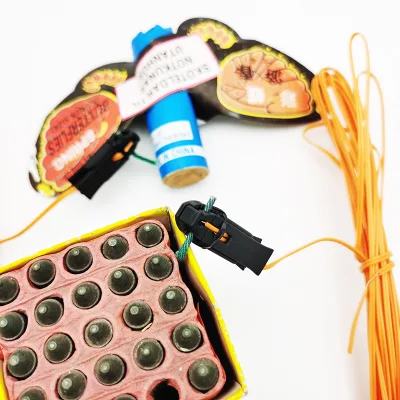
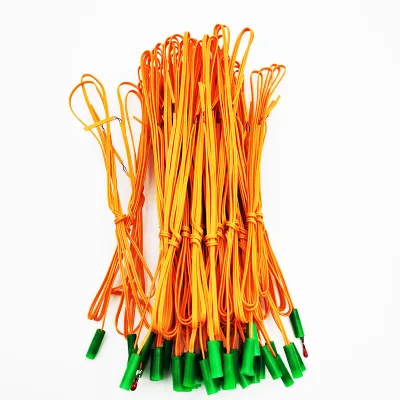
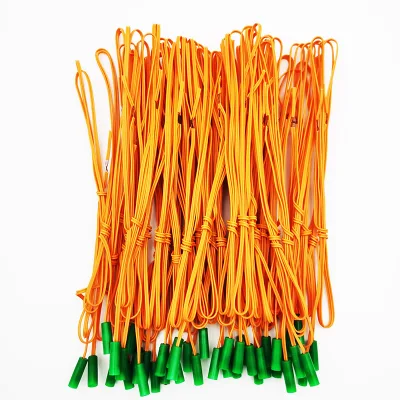
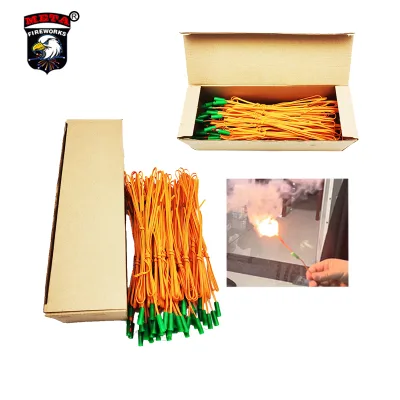



Comprehensive Sourcing Guide
Electronic Cold Fireworks Ignitor Sourcing Guide
Procuring electronic cold fireworks ignitors requires a nuanced understanding of both pyrotechnic safety and stage effect technology. Buyers must distinguish between traditional hot-fire ignition systems and modern cold spark generators, which rely on mechanical friction or chemical reactions that produce minimal heat. The core keyword highlights a specific niche where electronic control meets visual spectacle. Sourcing decisions should prioritize devices that offer precise timing and reliable signal transmission, ensuring that the visual effect aligns perfectly with the performance schedule. This guide focuses on the technical and commercial aspects of sourcing these specialized ignition components, emphasizing verification of material properties and operational safety.
The market for these devices is diverse, ranging from simple manual triggers to complex wireless remote control systems. Buyers often encounter products labeled with various model numbers, such as ignitor, YOVON, or U06, which may indicate different control capabilities or power outputs. It is crucial to verify whether the device is intended for standalone use or integration into a larger firing system. The distinction between a simple electric match and a full-stage effect igniter can significantly impact procurement costs and logistical requirements. Understanding these variations helps buyers align their technical specifications with the actual needs of their event or production environment, avoiding unnecessary complexity or insufficient performance.
Product Scope and Observed Listing Signals
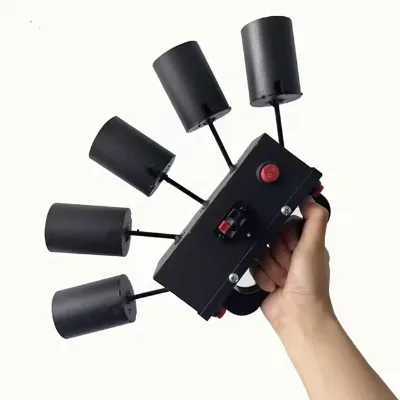
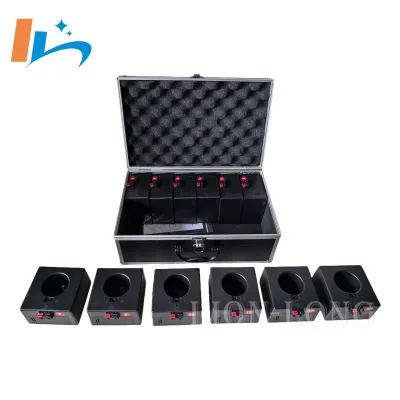
Current market listings reveal a wide spectrum of product attributes, indicating that the term "Electronic Cold Fireworks Ignitor" encompasses multiple device types. Observed listings include products made from plastic, with customization available for various party types, including holiday and family gatherings. Some items are explicitly designed for stage effects, featuring applications like ice fountains and cold spark generation. These devices often highlight professional features such as independent cue control and stable remote signals, suggesting a move toward more sophisticated, multi-channel ignition systems. Buyers should note that while some products are marketed for general decoration, others are engineered for high-stakes professional performances requiring precise timing.
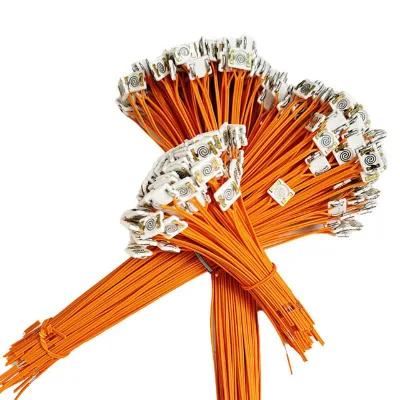
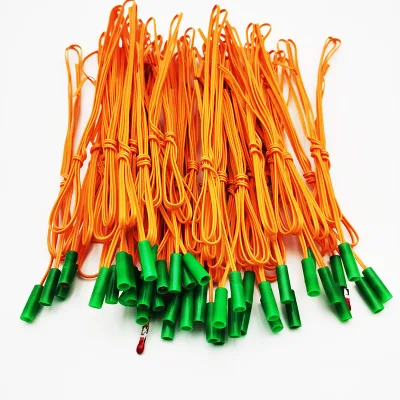
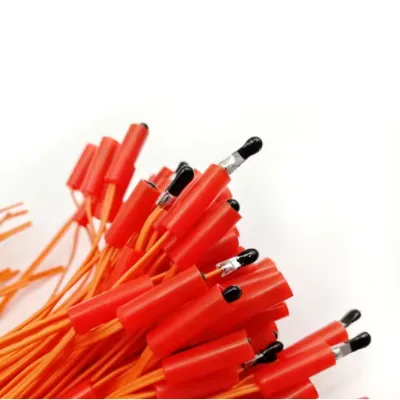
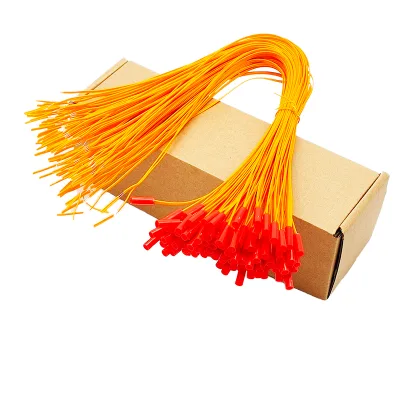
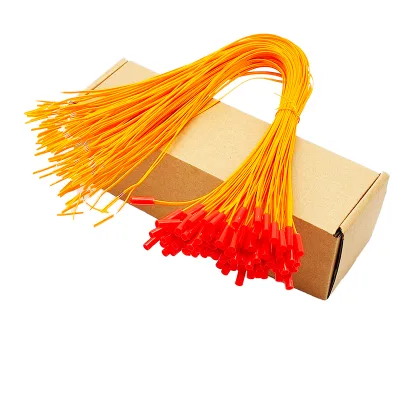
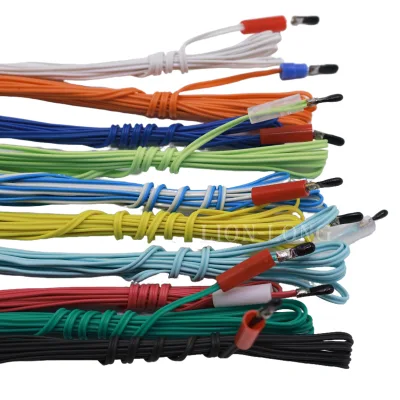
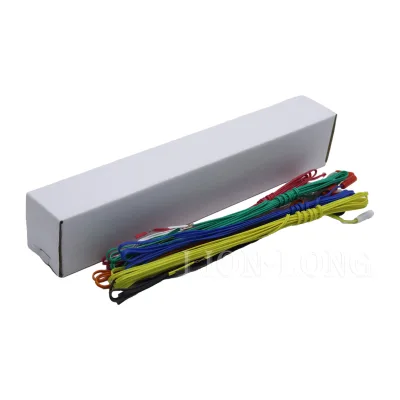
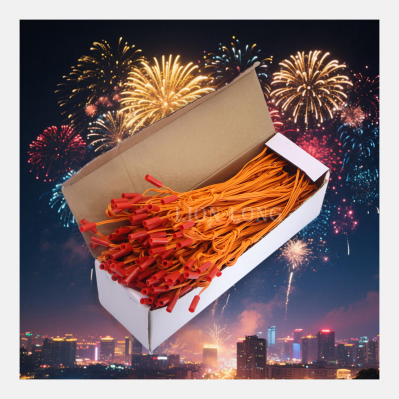
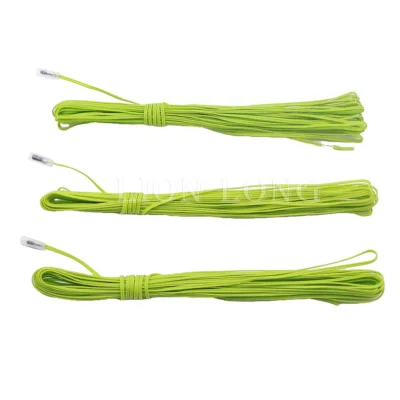
The observed data also shows significant variation in physical specifications and packaging. Models range from small electric matches with specific wire lengths, such as 50cm, 1m, and 3m, to larger units with customized sizes. Packaging methods vary from simple cartons and bags to robust flight cases, indicating different levels of protection required for transport and storage. Origin locations frequently cited include Liling and Hunan in China, regions known for fireworks machinery manufacturing. These signals suggest that buyers must carefully review product descriptions to determine if the item is a simple component or a complete ignition unit, as the scope of supply can vary dramatically between suppliers.
Technical Specifications to Verify
When evaluating technical specifications, buyers must prioritize the control mode and signal stability of the ignitor. Wireless remote control systems are prevalent, offering flexibility for stage setups, but the stability of the signal is critical to prevent misfires or delayed ignition. Specifications such as "6 Cues Independent Control" indicate advanced capabilities suitable for complex choreography. Buyers should verify the operating voltage and current requirements to ensure compatibility with existing power infrastructure. Additionally, the presence or absence of a cooling system is a key differentiator; some devices may require active cooling to maintain performance during extended use, while others rely on passive dissipation.
Material composition and physical dimensions also play a vital role in performance and safety. Products made from plastic may offer lightweight advantages but must meet specific durability standards for repeated use. Wire length specifications, such as 50cm, 1m, or 3m electric matches, determine the reach and flexibility of the ignition system. Buyers should confirm the conductivity and ignition reliability of the components, as high conductivity is essential for consistent performance. The model number, whether it is RC-WH EM, RC-BL EM, or a customized variant, should be cross-referenced with technical datasheets to understand the exact capabilities and limitations of the device.
Compliance and Safety Documentation
Safety is paramount when sourcing electronic ignition devices for pyrotechnic displays. Buyers must ensure that all products comply with relevant local and international safety standards for electrical equipment and pyrotechnics. Documentation should include detailed safety instructions, warning labels, and emergency shutdown procedures. It is essential to verify that the devices have undergone appropriate testing for electrical safety, including insulation resistance and short-circuit protection. Buyers should request test reports or certification documents from the supplier to confirm that the products meet the required safety benchmarks for their intended market.
In addition to electrical safety, buyers must consider the regulatory requirements for the use of cold spark effects and fireworks. Some regions have strict regulations regarding the types of pyrotechnic devices that can be used in public spaces. Buyers should consult with local authorities to understand any permits or restrictions that may apply. The supplier should provide clear information on the chemical composition of any consumable parts, such as electric matches, to ensure compliance with environmental and safety regulations. Proper documentation and adherence to safety protocols are essential to mitigate risks and ensure a safe event environment.
Cost Drivers and Commercial Terms
Several factors influence the cost of electronic cold fireworks ignitors, including the complexity of the control system, the quality of materials, and the level of customization. Devices with advanced features, such as independent cue control and wireless remote operation, typically command higher prices due to their sophisticated electronics and engineering. Customization options, such as specific wire lengths or branded packaging, can also add to the overall cost. Buyers should request detailed quotes that break down these costs to understand the value proposition of each product. Comparing prices across multiple suppliers can help identify market trends and negotiate better terms.
Commercial terms, including minimum order quantities (MOQ) and lead times, are critical considerations for procurement planning. Observed MOQs can range from small quantities for testing to larger batches for full-scale events. Buyers should assess their inventory needs and production schedules to determine the appropriate order size. Lead times can vary based on the complexity of the order and the supplier's production capacity. It is advisable to establish clear communication with suppliers regarding delivery schedules and any potential delays. Understanding these commercial terms helps buyers manage their budget and ensure timely delivery for their events.
Supplier Qualification and Quality Control
Selecting a reliable supplier is crucial for ensuring the quality and safety of electronic cold fireworks ignitors. Buyers should verify the supplier's manufacturing capabilities, including their production facilities and quality control processes. Suppliers located in established manufacturing hubs, such as Liling and Hunan, may have a proven track record in fireworks machinery production. Buyers should request information about the supplier's experience, client references, and any relevant industry certifications. Conducting due diligence on the supplier's reputation and reliability can help mitigate the risk of receiving substandard products.
Quality control measures should be implemented throughout the procurement process, from initial sampling to final delivery. Buyers should request product samples to test the performance and reliability of the ignitors before placing large orders. Establishing clear quality standards and inspection criteria can help ensure that the products meet the required specifications. Buyers should also consider implementing a post-delivery inspection process to verify that the products are free from defects and damage. Building a strong relationship with the supplier and maintaining open communication can help address any issues that may arise during the procurement process.
Long-Term Procurement Checks
Long-term procurement success depends on continuous monitoring of supplier performance and product quality. Buyers should establish key performance indicators (KPIs) to track metrics such as delivery times, product defect rates, and customer satisfaction. Regular reviews of these metrics can help identify areas for improvement and ensure that the supplier continues to meet the buyer's expectations. Buyers should also stay informed about industry trends and technological advancements in electronic ignition systems to ensure that their procurement strategy remains competitive. Engaging in ongoing dialogue with suppliers can help foster a collaborative relationship and drive innovation.
Additionally, buyers should regularly update their safety protocols and compliance documentation to reflect changes in regulations and industry standards. This includes reviewing safety manuals, updating emergency procedures, and ensuring that all personnel are trained on the safe operation of the ignition devices. By maintaining a proactive approach to safety and compliance, buyers can minimize risks and ensure the successful execution of their events. Long-term procurement checks also involve evaluating the total cost of ownership, including maintenance, repairs, and replacement costs, to optimize the overall value of the procurement investment.
FAQs
What customization options are available for electronic cold fireworks ignitors?
Customization is available for electronic cold fireworks ignitors to meet specific buyer needs. Products like the YOVON model offer customized standards and sizes. Buyers can request specific wire lengths or control modes to ensure the ignitor fits their unique pyrotechnic display requirements effectively.
Which suppliers offer wireless remote control for stage effect ignition?
Suppliers provide wireless remote control systems for safe stage effect ignition. The U06 model features stable remote signals with six independent cues. This control mode ensures reliable operation for ice fountain and cold spark stage effects during professional performances.
How does the MOQ vary for Electronic Cold Fireworks Ignitor orders?
The minimum order quantity varies significantly across different product listings. Some items have an MOQ of just one unit, while others require 120 roots. Buyers should check specific product pages to confirm the exact MOQ before placing an order for their event.
Can these ignitors be used for both family and holiday parties?
Yes, these ignitors are suitable for various party types including family and holiday parties. They are designed for safe ignition in diverse settings. The products support applications ranging from small gatherings to large pyrotechnic displays requiring stable performance.
What are the standard wire lengths available for E-match ignitors?
Standard wire lengths for E-match ignitors include 50cm, 1m, and 3m options. These specifications ensure compatibility with different firing system setups. Buyers can select the appropriate length based on their specific distance requirements for the fireworks display.
Where are electronic cold fireworks ignitors manufactured?
Electronic cold fireworks ignitors are manufactured in China, specifically in locations like Liling and Hunan. Factories such as Liling Yovon Fireworks Machinery Factory produce these devices. The origin ensures access to established manufacturing capabilities for pyrotechnic equipment.
What packaging types are used for shipping these ignitors?
Packaging types vary from cartons and bags to flight cases with carton boxes. The U06 model uses a flight case plus carton box for protection. Standard items often come in simple cartons or bags depending on the specific product model and size.