Source European Antique Style Door Handle for Cabinet, Drawer, Wardrobe
Explore 30 listings for European Antique Style Door Handle options including stainless steel and zinc alloy models. Buyers can compare specifications, finishes, and lead times for embedded or surface installation types suitable for doors, cabinets, and dressers.
Key considerations
Products List


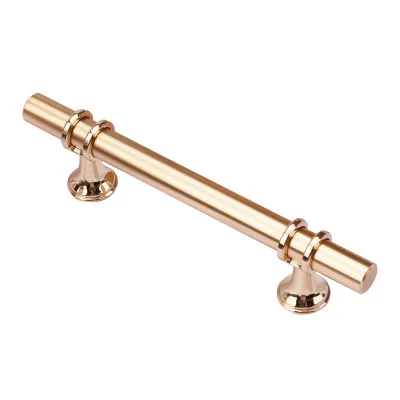
Customized Different Color Euro Antique Style Aluminium Alloy Door Handle
$3.50 - $4.50
MOQ: 500 Pieces


French European Stylish Hardware Antique External Gold Door Lever Handles
$3.20 - $4.20
MOQ: 300 Pieces




Comprehensive Sourcing Guide
Strategic Sourcing Guide for European Antique Style Door Handles
Understanding Product Attributes and Material Composition
When sourcing European antique style door handles, buyers must first distinguish between the specific material compositions and finish treatments that define the aesthetic and functional integrity of the product. The market offers a diverse range of options, primarily centered on stainless steel, zinc alloy, and aluminum alloy. Stainless steel is frequently cited as a primary material for high-durability applications, offering resistance to corrosion and a robust structural base. In contrast, zinc alloy is often utilized for intricate detailing, allowing for the complex casting required to achieve the ornate profiles characteristic of the European antique style. Aluminum alloy presents another viable option, particularly for applications where weight reduction is a priority without sacrificing structural strength.
The finish treatment is equally critical in defining the "antique" appearance. The observed market data indicates a preference for brushed surfaces and specific treatments such as satin, antique brass, and antiqued copper. These finishes are not merely cosmetic; they serve to mask minor surface imperfections and provide a tactile experience that aligns with historical design expectations. The product models available, such as PHP-03 and various JS-series models, demonstrate that manufacturers offer finishes ranging from standard satin to highly customized antique treatments. Buyers should verify that the specific finish, whether it is a standard "Ss" (stainless steel) or a custom "Ab" (antique brass), matches the design intent of the project. The surface treatment process, often involving painting or specialized plating, must be consistent across the batch to ensure uniformity in color and texture.
Technical Specifications and Installation Requirements
The technical specifications of European antique style door handles vary significantly based on the intended installation type and the specific model selected. A primary distinction in the current market is between embedded installation and surface installation. Embedded installation, often referred to as "exposed type" in certain product listings, requires precise cutouts in the door or cabinet to accommodate the hardware, ensuring a flush and seamless appearance. Conversely, surface installation types are designed to be mounted directly onto the face of the door, which can be advantageous for retrofitting older structures where door thickness or material integrity does not support recessed mounting.
The functional configuration of these handles is another vital technical consideration. Products are available in "C/Dummy" configurations, where the handle is non-functional and serves purely as a pull, or as functional locking mechanisms. The "With Lock" attribute indicates that certain models integrate a locking mechanism, which is essential for security applications in residential or commercial settings. The rotary mechanism is typically fixed, ensuring smooth operation without the risk of unintended rotation. Furthermore, the shape is predominantly "Strip-type," a design choice that offers a sleek, elongated profile that complements the European aesthetic. Buyers must carefully review the model specifications, such as TL203R-C-SS or JS22831, to confirm the exact dimensions and mounting requirements. The standard packaging, often consisting of an inner plastic bag and an outer carton box, is designed to protect these delicate finishes during transit, but the internal dimensions of the packaging, such as 453411, must be considered for logistics planning.
Compliance, Certification, and Standard Verification
Navigating the compliance landscape for European antique style door handles requires a rigorous approach to verifying standards and certifications. While specific certification statuses cannot be universally asserted for all listed products, buyers must prioritize verification of standards that align with their target market regulations. The product data indicates that standards are often set "as Customer's Request," suggesting a high degree of flexibility but also a responsibility for the buyer to define and validate these requirements. In the context of European markets, where the "European Antique Style" is most prevalent, buyers should verify compliance with relevant safety and quality standards, such as those potentially related to EN 1906, though this specific standard should be treated as a reference point for verification rather than an automatic guarantee.
The "High Quality" designation found in product descriptions is a qualitative claim that requires objective validation. Buyers should request third-party test results or certification documents that confirm the material composition, such as the specific grade of stainless steel or the purity of the zinc alloy. Additionally, the "Good Treating" advantage mentioned in some listings refers to the durability of the surface finish, which should be validated through salt spray tests or adhesion tests to ensure resistance to corrosion and wear. The origin of the products, primarily Guangzhou, China, and other regions in China, necessitates a thorough check of export compliance and adherence to international trade regulations. Buyers must ensure that the supplier can provide documentation proving that the materials and manufacturing processes meet the specific standards required for the destination market, particularly regarding environmental regulations and material safety.
Cost Drivers and Pricing Dynamics
The pricing of European antique style door handles is influenced by a complex interplay of factors, including material costs, customization levels, and order volume. The observed price range in the market spans from $0.1 to $300 USD, a wide spectrum that reflects the diversity of product complexity and material quality. At the lower end of the spectrum, products may utilize standard aluminum alloys or basic zinc alloy castings with minimal customization. Conversely, the higher price points are likely associated with premium stainless steel models, intricate antique brass treatments, and custom-designed finishes that require specialized labor and equipment.
Order volume plays a significant role in determining the final cost per unit. The Minimum Order Quantity (MOQ) ranges from 1 to 10,000 pieces, with specific models like the JS22831 requiring an MOQ of 2,000 pieces. This variation allows buyers to scale their procurement based on project needs, but it also means that unit costs will decrease as order volumes increase. Customization is a major cost driver; the availability of "Customized" options for shape, finish, and material means that bespoke orders will incur higher setup and production costs compared to standard off-the-shelf items. The payment terms, typically structured as a 30% deposit and 70% balance, also impact cash flow and overall procurement costs. Buyers should factor in the potential for price fluctuations due to raw material market volatility, particularly for metals like stainless steel and zinc, which are subject to global supply chain dynamics.
Supplier Evaluation and Production Capabilities
Evaluating suppliers for European antique style door handles requires a deep dive into their production capabilities, lead times, and quality control processes. The observed lead times vary significantly, with some suppliers offering delivery within 25-30 days, while others indicate a longer lead time of 40-50 days. This discrepancy often correlates with the level of customization required and the current production capacity of the supplier. For standard models, a shorter lead time is achievable, but custom finishes or specific material requests may extend the production schedule.
Sample availability is another critical factor in supplier evaluation. Most suppliers offer samples within 3-7 working days, with some providing samples in as little as 7 days. This rapid turnaround allows buyers to assess the quality of the finish, the smoothness of the rotary mechanism, and the overall craftsmanship before committing to a large order. The "Condition: New" attribute confirms that products are manufactured to current standards, but buyers should verify the supplier's track record for consistency. The origin of the products, primarily Guangzhou, China, suggests a concentration of manufacturing expertise in this region, but buyers should still conduct on-site audits or request detailed factory profiles to ensure that the supplier maintains the necessary infrastructure for high-quality production. The ability to meet the "as Customer's Request" standard is a key indicator of a supplier's flexibility and responsiveness to specific project requirements.
Quality Control and Long-Term Procurement Strategy
Implementing a robust quality control (QC) strategy is essential for ensuring the longevity and performance of European antique style door handles. Given the aesthetic sensitivity of the antique finish, QC processes must focus heavily on surface treatment consistency, color matching, and the absence of defects such as scratches, dents, or uneven plating. The "Inner Plastic Bag, Outer Carton Box" packaging is a standard measure to prevent damage during transit, but buyers should verify that the packaging is sufficient to protect the delicate finishes, especially for high-value items.
For long-term procurement, buyers should establish clear communication channels with suppliers regarding quality expectations and defect tolerance levels. The "High Quality" claim should be backed by a defined quality assurance protocol, including pre-shipment inspections and random sampling based on statistical methods. The "Function: Connector" or "Function: C/Dummy" attributes require specific testing to ensure that the mechanical components operate smoothly and securely over time. Additionally, buyers should consider the environmental impact of the finishing processes, particularly when sourcing for markets with strict environmental regulations. The ability of the supplier to provide consistent quality over multiple production runs is crucial for maintaining the integrity of the project design. By prioritizing suppliers with proven track records in quality control and flexibility, buyers can mitigate risks associated with material inconsistencies and production delays, ensuring a successful and sustainable procurement strategy for European antique style door handles.
FAQs
What materials are used for european antique style door handles?
Stainless steel, zinc alloy, and aluminum alloy are the primary materials used. Stainless steel offers high durability and corrosion resistance, while zinc alloy allows for intricate detailing suitable for antique profiles.
Which installation types are available for these door handles?
Both embedded and surface installation types are available. Embedded installation requires precise cutouts for a flush look, whereas surface installation mounts directly onto the door face for easier retrofitting.
Can I customize the finish and shape of the handles?
Yes, customization is available for shape, finish, and material. Buyers can request specific finishes like satin, antique brass, or antiqued copper, and the shape is typically strip-type but can be tailored.
What are the typical lead times for delivery?
Delivery times range from 25 to 50 days depending on the order specifics. Standard models may arrive within 25-30 days, while customized orders often require 40-50 days for production and shipping.
How is the payment structured for these products?
The standard payment term is a 30% deposit followed by a 70% balance. This structure applies to most orders, ensuring commitment from both the buyer and the supplier before production begins.
What is the minimum order quantity for zinc alloy handles?
The minimum order quantity for specific zinc alloy models is 2000 pieces. This requirement varies by model, with some standard items allowing lower quantities while others maintain higher thresholds.
Where are these door handles manufactured?
Products originate primarily from Guangzhou, China, and other regions within China. This location indicates a concentration of manufacturing expertise, though specific factory locations should be verified per supplier.