Source Face Cream for Whitening Anti-Aging and Moisturizing
Compare 30 Face Cream options from verified suppliers in Guangdong, China. Buyers can evaluate formulations with ingredients like hyaluronic acid and vitamin C for whitening, anti-aging, and moisturizing needs across various skin types; compare the available evidence and request quotations based on your requirements.
Key considerations
Products List
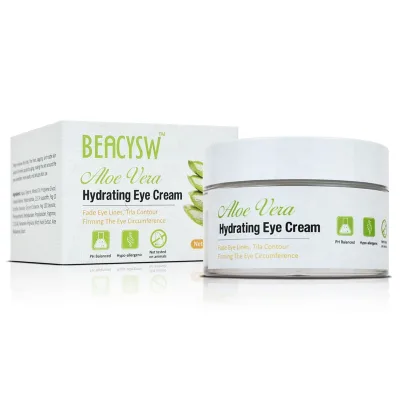
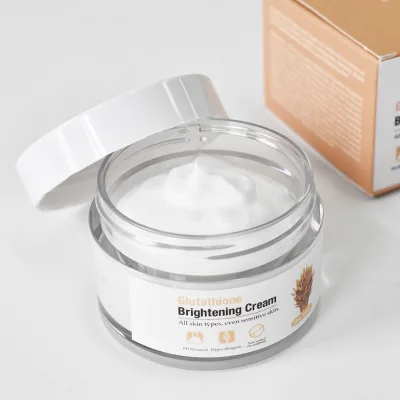
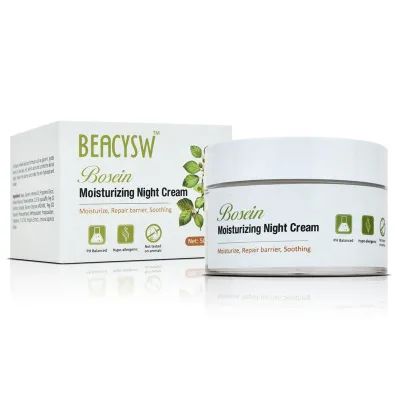
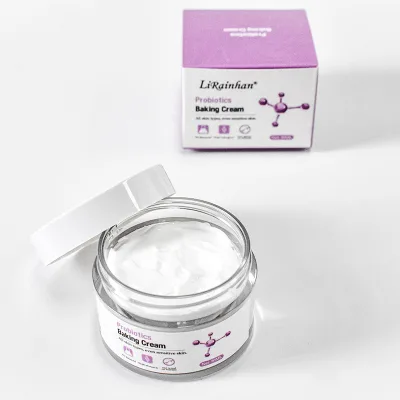


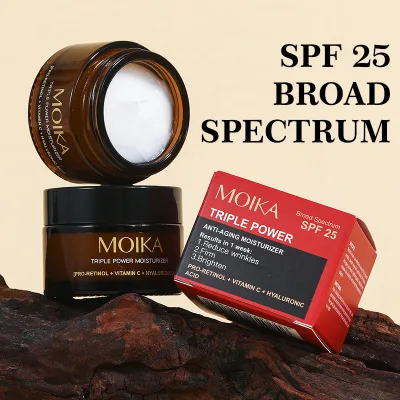
Private Label Face-Lifting Anti-Wrinkle Cream Whitening Day Night Face Cream
$2.52 - $2.99
MOQ: 3000 Pieces




Comprehensive Sourcing Guide
Face Cream Sourcing Guide
Sourcing Face Cream requires a strategic balance between cosmetic efficacy, regulatory compliance, and supply chain reliability. Buyers must navigate a market where product formulations vary significantly in active ingredients, texture, and target skin types. The core keyword "Face Cream" encompasses a broad category of skincare products designed for hydration, anti-aging, and brightening, often targeting adult consumers for daily use. Understanding the specific functional claims and ingredient profiles is essential for aligning product selection with brand positioning and consumer expectations.
Procurement decisions are heavily influenced by customization capabilities and minimum order quantities (MOQs). Many suppliers offer OEM and ODM services, allowing brands to tailor formulations and packaging to their unique identity. However, these customizations often come with higher MOQs and longer lead times. Buyers need to assess whether their volume justifies the investment in private labeling or if they should opt for existing stock solutions. This decision impacts cash flow, inventory risk, and time-to-market, making it a critical initial step in the sourcing process.
Product Scope and Observed Listing Signals
The observed product listings indicate a wide range of functional claims, including whitening, anti-aging, moisturizing, and firming. These products are primarily marketed for adult users with a focus on dry or all skin types, suggesting versatility in formulation. Key ingredients frequently cited include Aloe Vera, Hyaluronic Acid, Vitamin C, Niacinamide, and Retinol, which are well-established for their skincare benefits. The presence of these ingredients signals a focus on hydration, brightening, and collagen support, aligning with current consumer trends in effective, multi-functional skincare solutions.
Packaging and physical specifications vary across listings, with volumes typically around 50ml and forms predominantly as creams. Some listings note specific model numbers like "159" or "2-lobed yeast Face Cream," indicating distinct product lines or formulations. The single gross weight ranges from 0.500 kg to 2.000 kg, which may include bulk packaging or multiple units. Buyers should verify these physical attributes carefully, as discrepancies in weight or volume can affect shipping costs and inventory management. The observed price range of 0.3-5.99 USD suggests a competitive market with options for various budget tiers.
Technical Specifications to Verify
Verifying technical specifications is crucial to ensure product consistency and performance. Buyers should confirm the exact concentration of active ingredients such as Vitamin C, Retinol, and Peptides, as these determine the efficacy of anti-aging and whitening claims. The form of the product, whether it is a day cream, night cream, or suitable for both, must be clearly defined. Additionally, the shelf life, often listed as 3 years, should be validated through stability testing to ensure product integrity over time.
Packaging dimensions and material quality are also key technical factors. Listings show single package sizes ranging from 6.8X6.8X4.7 cm to 25X10X20 cm, which impacts storage and logistics. Buyers must verify that the packaging is compatible with the cream’s formulation to prevent leakage or degradation. The net weight of 50 ml should be accurately measured to avoid customer complaints. Furthermore, the color variants, such as Chamomile or Ginseng, should be checked for consistency in hue and scent, as these sensory attributes influence consumer perception and brand loyalty.
Compliance and Safety Documentation
Compliance with safety standards is non-negotiable in the skincare industry. Buyers must ensure that suppliers provide necessary documentation, such as GMP (Good Manufacturing Practice) and MSDS (Material Safety Data Sheet), which indicate adherence to quality and safety protocols. These documents are critical for importing products into various markets and for demonstrating due diligence to regulatory bodies. The absence of these certifications can lead to shipment delays or rejection at customs.
Additionally, ingredient transparency is vital for consumer trust and regulatory compliance. Listings mention ingredients like Paraben-Free, Cruelty-Free, and Vegan options, which appeal to specific consumer segments. Buyers should verify these claims through third-party testing or supplier declarations. The presence of herbal, organic, and natural ingredients like Ginseng and Aloe Vera should be authenticated to prevent mislabeling. Ensuring that all ingredients are safe for topical use and comply with local regulations is essential to avoid legal liabilities and protect brand reputation.
Cost Drivers and Commercial Terms
Cost drivers in Face Cream sourcing include raw material prices, formulation complexity, and packaging customization. Ingredients like Retinol, Peptides, and Gold can significantly increase production costs. Buyers should analyze the cost breakdown to understand where value is added. The observed MOQ range of 1-30000 pieces offers flexibility, but higher volumes often result in lower unit costs. Understanding the relationship between order quantity and price is essential for budgeting and negotiating favorable terms.
Commercial terms such as payment methods, shipping options, and lead times also impact the total cost of ownership. Suppliers may offer samples, typically one box, allowing buyers to test product quality before committing to large orders. However, sample costs and shipping fees should be factored into the overall budget. Buyers should also consider the cost of private labeling and custom packaging, which can add to the per-unit price. Clear communication of these terms upfront helps avoid unexpected expenses and ensures a smooth procurement process.
Supplier Qualification and Quality Control
Supplier qualification involves assessing their manufacturing capabilities, quality control processes, and track record. Buyers should verify that suppliers have experience in producing face creams with the desired formulations and packaging. Requesting references or case studies can provide insights into their reliability and consistency. It is also important to check if the supplier has a dedicated quality control team that conducts regular inspections and testing throughout the production process.
Quality control measures should include raw material inspection, in-process checks, and final product testing. Buyers should ask for test reports on microbial contamination, heavy metals, and stability. Ensuring that the supplier adheres to ISO 22716 standards, if applicable, can further validate their quality management system. Regular audits or third-party inspections can provide additional assurance of product quality. Building a strong relationship with a qualified supplier is key to maintaining consistent product quality and meeting market demands.
Long-Term Procurement Checks
Long-term procurement success depends on continuous monitoring of supplier performance and market trends. Buyers should establish key performance indicators (KPIs) such as on-time delivery, product quality, and responsiveness to issues. Regular reviews of these metrics help identify potential problems early and allow for corrective actions. Maintaining open communication with suppliers fosters collaboration and ensures that any changes in regulations or market demands are addressed promptly.
Additionally, buyers should stay informed about emerging ingredients and formulations in the skincare industry. Trends like probiotics, astaxanthin, and ceramide repair creams are gaining popularity, and suppliers may need to adapt their offerings. Regularly updating product specifications and exploring new suppliers can help maintain a competitive edge. Building a diversified supplier base reduces dependency on a single source and mitigates supply chain risks. Continuous improvement in procurement strategies ensures long-term sustainability and growth for the brand.
FAQs
How should buyers verify Face Cream quality before placing a bulk order?
Buyers should request samples, typically one box, and review product documentation such as GMP and MSDS certification listed by the supplier. Testing the sample on formulation feel, absorption, and packaging integrity helps confirm suitability. Checking shelf life, stated at three years for many listings, and confirming ingredient lists against your market's requirements adds further assurance before committing to volume.
What is the typical minimum order quantity for private label Face Cream?
Many Face Cream listings show a minimum order quantity of 1000 pieces, though observed MOQs across products range from 1 to 30000 units depending on formulation and packaging. Sample orders are often available as a single box so you can evaluate the product first. Always confirm the exact MOQ for your chosen variant, since whitening, anti-aging, and moisturizing creams may differ.
Which skin types are these face creams formulated for?
Listings indicate formulations for dry skin as well as options suitable for all skin types. Since each variant uses different main ingredients such as aloe vera, shea butter, hyaluronic acid, niacinamide, retinol, and ceramide, you should match the ingredient profile to your customers' needs. Day and night cream options are also available, so consider time of use when selecting products.
Can suppliers provide OEM or ODM private label Face Cream production?
Yes, the listed products include OEM, ODM, and private label service, with customization available. This means you can typically apply your own branding, choose formulations, and adjust packaging for your market. When negotiating, confirm artwork requirements, minimum quantities for custom printing, and how customization affects unit pricing and lead time, as these details vary by supplier and by formulation complexity.
What ingredients are commonly used in these Face Cream formulations?
Common main ingredients include aloe vera, shea butter, green tea, glycerin, hyaluronic acid, vitamin C, arbutin, niacinamide, ginseng, vitamin E, collagen, retinol, peptide, squalane, witch hazel, turmeric, and ceramide. Some listings also highlight vegan, organic, herbal, paraben-free, and cruelty-free attributes. Review the ingredient list for each specific variant to ensure it aligns with your market's regulations and your customers' preferences.
How much does Face Cream cost per unit when sourcing in bulk?
Observed listed prices for Face Cream products range from about 0.3 to 5.99 US dollars, with actual unit pricing depending on formulation, packaging, order volume, and customization. Larger quantities generally reduce per-unit cost, especially at the 1000-piece MOQ level. Request quotations for the specific variant and volume you need, since whitening, anti-aging, and specialized ingredient creams are priced differently.
What packaging and shipping specifications should buyers expect for Face Cream?
Typical listings show a 50 ml cream in cream form, with single package sizes such as 25X10X20 cm or 6.8X6.8X4.7 cm and single gross weights around 0.5 to 2 kg. Units are sold as single items with an available quantity of 100000. Confirm carton dimensions and total shipping weight with the supplier, since these affect freight cost and container planning.
Where are these Face Cream products manufactured and what functions do they offer?
The products are manufactured in Guangdong, China. Listed functions include whitening, anti-aging, moisturizing, firming, lightening, anti-wrinkle, and sunscreen features, with some variants also offering exfoliating and pore-shrinking benefits. They are intended for adult home use on the face and body, marketed mainly to women. Match the specific function claims to your target customers and verify regulatory acceptance in your destination market.