Source Farm Garden Chain Link Fence for Villa, School, and Farm
Compare 30 listings for Farm Garden Chain Link Fence from verified Chinese manufacturers. Evaluate options based on material, dimensions, and customization features for residential and commercial security needs. These products offer durable protection with galvanized steel construction, anti-UV properties, and various mesh sizes suitable for livestock, crowd control, and home security applications across different environments.
Key considerations
Products List
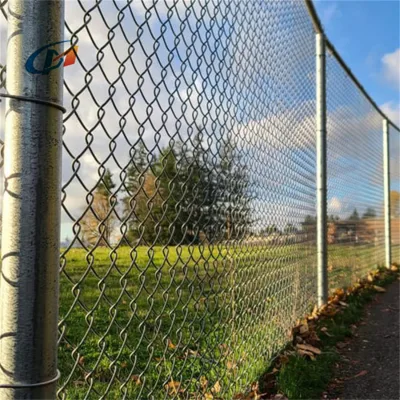


Customized Factory Price Waterproof Galvanized Chain Link Fence Farm Fence
$1.00 - $1.50
MOQ: 100 Square Meters

Chain Link Fence PVC Green Coating Garden Chain Link Fencing Security Fence
$1.00 - $1.50
MOQ: 100 Square Meters
Comprehensive Sourcing Guide
Farm Garden Chain Link Fence Sourcing Guide
Procurement professionals evaluating farm and garden chain link fencing must first distinguish between standard security panels and specialized decorative mesh options. The market offers products ranging from simple galvanized steel wire constructions to vinyl-coated units designed for residential aesthetics. Buyers should verify whether the listed item is a pre-fabricated panel or a roll of mesh, as this distinction dictates installation methods and structural requirements for agricultural or residential boundaries.
The observed product attributes indicate a strong focus on durability and environmental resistance, with features like anti-UV, rot-proof, and waterproof capabilities being common selling points. Sourcing decisions should prioritize materials that explicitly state low-carbon steel or galvanized iron wire construction to ensure longevity in outdoor farm environments. Understanding the specific finish, such as powder coating or galvanization, is critical for selecting a fence that withstands local weather conditions without rapid degradation.
Product Scope and Observed Listing Signals
Buyers analyzing current listings will encounter a diverse range of dimensions, with specific observations noting sizes like 1x2 meters and 6-foot heights. The product scope extends beyond basic fencing to include applications for driveways, construction sites, and livestock containment, requiring careful alignment between the listed usage and the buyer's specific site needs. It is essential to confirm that the listed dimensions match the intended enclosure area, as variations in mesh size and panel height significantly impact the overall structural integrity and security level.
Listing signals often highlight customization options, allowing for tailored designs in traditional, industrial, or modern styles to suit various property aesthetics. The presence of features like wind resistance and anti-climb properties suggests these products are engineered for high-security or high-wind environments common in open farm settings. Procurement teams must scrutinize whether the "customized" label refers to mesh dimensions, wire gauge, or frame finishing, as these variables directly influence the final cost and performance of the installed fence.
Technical Specifications to Verify
Technical due diligence requires a rigorous check of wire diameter and mesh aperture, as specifications typically range from 1.8mm to 4.5mm for wire and 50mm to 80mm for hole sizes. Buyers must verify that the selected mesh size aligns with the intended use, such as smaller apertures for livestock containment versus larger openings for general perimeter security. Confirming the exact wire diameter is crucial, as thinner wires may be prone to bending or cutting, while thicker gauges offer superior resistance against animal pressure and environmental stress.
The structural frame and post dimensions are equally critical, with observed data indicating posts of 50x50mm or 60x60mm and frames made from galvanized steel. Verification of the frame finishing process, specifically whether it is hot-dip galvanized or merely painted, ensures the product meets the necessary corrosion resistance standards for long-term outdoor exposure. Buyers should also confirm the single package weight and dimensions to calculate accurate shipping logistics, as heavy steel components can significantly impact freight costs and handling requirements.
Compliance and Safety Documentation
While specific certification documents are not explicitly detailed in the provided product facts, buyers must request evidence of compliance with export standards and local safety regulations for agricultural fencing. The presence of an HS code, such as 73089000, indicates the product falls under specific trade classifications, necessitating proper documentation for customs clearance and import duties. Procurement teams should ensure that the supplier can provide material safety data sheets or proof of non-toxic coatings, especially if the fence will be used in areas accessible to livestock or children.
Safety considerations extend to the physical design of the fence, particularly regarding sharp edges or anti-climb features that could pose risks during installation or daily use. Buyers should verify that the product design includes rounded edges or protective finishes to prevent injury, aligning with general safety expectations for farm and garden environments. Additionally, confirming that the product meets any specific regional building codes for temporary or permanent fencing structures is essential to avoid legal liabilities and ensure the installation is legally compliant.
Cost Drivers and Commercial Terms
Cost structures for chain link fencing are heavily influenced by material volume, specifically the weight of the galvanized steel wire and the complexity of the frame finishing. Buyers should anticipate that higher wire diameters and additional coatings, such as vinyl or eco-friendly powder coating, will increase the unit price significantly compared to standard galvanized options. Understanding the relationship between material thickness and cost is vital for budgeting, as the observed price range suggests a wide variance based on these technical specifications.
Commercial terms often include minimum order quantities that can range from 50 sets to 300 units, requiring buyers to consolidate orders to meet supplier thresholds. Packaging methods, such as pallet or shrink-wrapped rolls, also impact the total landed cost due to differences in shipping volume and handling fees. Procurement professionals must negotiate clear terms regarding lead times and payment schedules, ensuring that the supplier can meet delivery deadlines without compromising on the quality of the galvanized or coated materials.
Supplier Qualification and Quality Control
Supplier qualification should focus on verifying the origin of the materials, with many listings indicating production in Hebei or Anping, China, known for wire mesh manufacturing. Buyers must assess the supplier's capacity to maintain consistent quality control, particularly regarding the uniformity of the galvanization process and the integrity of the welded joints. Requesting samples or 3D modeling services can help validate the product's physical attributes before committing to a large-scale order, ensuring the final product matches the advertised specifications.
Quality control protocols should include checks for surface defects, such as uneven powder coating or rust spots, which can compromise the fence's lifespan. Buyers should inquire about the supplier's testing procedures for wind resistance and UV stability, as these are key performance indicators for outdoor agricultural fencing. Establishing a clear communication channel for addressing potential defects or discrepancies in the delivered goods is essential for maintaining a reliable supply chain and ensuring long-term satisfaction with the purchased fencing solutions.
Long-Term Procurement Checks
Long-term procurement strategies must account for the maintenance requirements of the selected fencing material, particularly regarding the durability of the galvanized or vinyl-coated finishes. Buyers should evaluate the supplier's track record for providing replacement parts or additional panels that match the original specifications, ensuring seamless expansion or repair of the fence line over time. Consistency in product quality across multiple orders is critical, as variations in wire gauge or mesh size can lead to installation difficulties and aesthetic inconsistencies.
Regular audits of the supplier's production capabilities and adherence to export standards help mitigate risks associated with supply chain disruptions. Buyers should maintain a relationship with the supplier to stay informed about any changes in material costs or manufacturing processes that could affect the product's performance. By focusing on suppliers who offer comprehensive support, including graphic design and marketing copy, buyers can ensure a sustainable partnership that supports both the immediate fencing needs and future property development projects.
FAQs
What materials are used for Farm Garden Chain Link Fence frames?
The frames are constructed from galvanized steel to ensure durability and rust resistance. This material choice provides a sturdy structure that withstands outdoor conditions. The wire mesh itself is made from low carbon steel wire or galvanized iron wire, offering strength for security and boundary applications in garden settings.
Can the chain link fence be customized for specific garden sizes?
Yes, customization is available for various dimensions and design styles. Buyers can select from mesh sizes like 50x50mm or 60x60mm to suit their needs. The product supports custom designs and can be tailored to fit specific garden layouts, ensuring a perfect fit for residential or commercial outdoor spaces.
What is the typical mesh size for this type of fence?
The typical mesh sizes available are 50x50mm, 60x60mm, and 70x70mm. These dimensions provide a diamond hole shape that balances visibility with security. The usual wire diameter ranges from 1.8mm to 4.5mm, allowing for flexible selection based on the required strength and aesthetic preference for the garden area.
How is the fence surface finished for outdoor durability?
The surface is finished with eco-friendly powder coating and galvanization. This dual treatment ensures the fence is waterproof, rustproof, and UV resistant. The vinyl-coated or painted options, often in black, protect against weathering and rot, making it suitable for long-term outdoor use in gardens and yards without significant maintenance.
What is the minimum order quantity for purchasing these fences?
The minimum order quantity is typically 50 sets. This MOQ applies to the standard protective fence panels. Buyers should note that observed MOQ ranges can vary from 1 to 300 depending on the specific supplier and product configuration, so confirming the exact requirement with the manufacturer is recommended before placing an order.
Where are these chain link fences manufactured?
These fences are manufactured in Hebei, China, specifically originating from Anping. This region is known for its wire mesh production capabilities. The products meet export standards and are packaged in cartons or on pallets for safe shipping, ensuring they arrive ready for assembly in various international markets.