Source Fast Cutting Tape Dispenser for Packaging, Shipping, and Manufacturing
Explore 30 options for a fast cutting tape dispenser suitable for industrial and commercial use. Compare models with varying voltage, power, and cutting lengths to find the right fit for your operational needs; compare the available evidence and request quotations based on your requirements.
Key considerations
Products List






Comprehensive Sourcing Guide
Fast Cutting Tape Dispenser Sourcing Guide
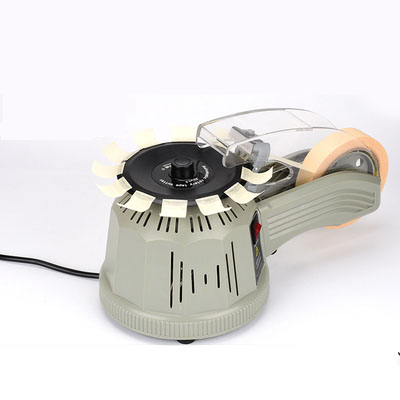
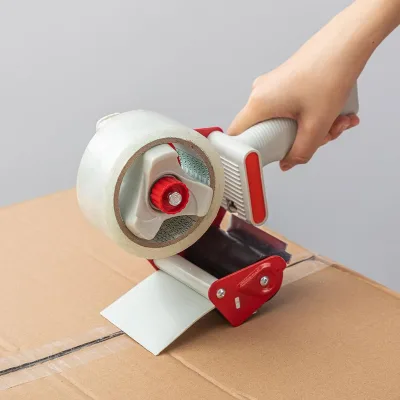
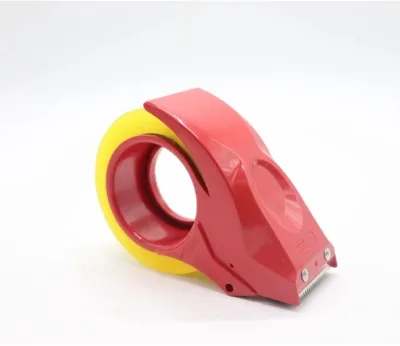
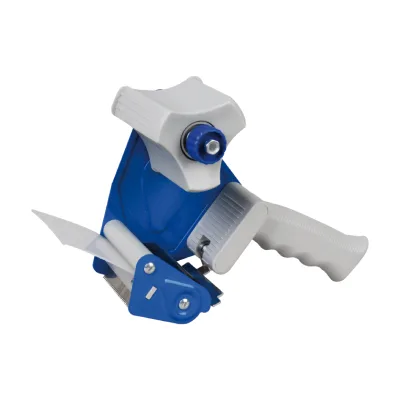
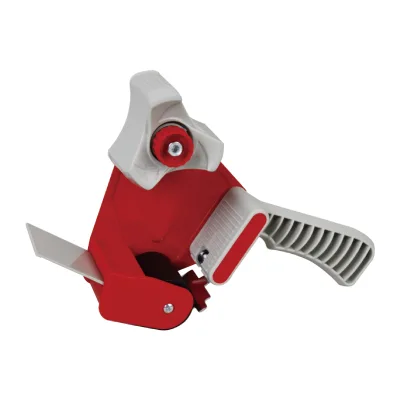
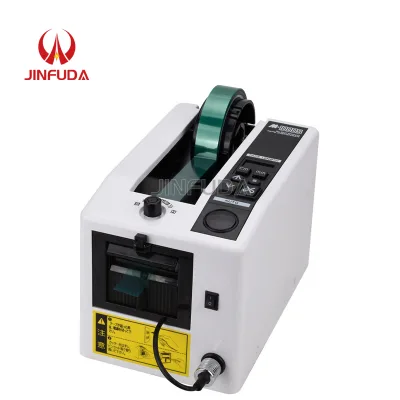
Buyers evaluating fast cutting tape dispensers must first distinguish between fully automatic industrial units and semi-automatic handheld models, as the supplied data reveals a mix of both types in the market. The observed listings include machines with electric driven types and specific motor components designed for high-speed operations reaching up to 65 pieces per minute, alongside manual-wired control options for smaller scale tasks. This distinction is critical because the application scope varies significantly between heavy-duty packaging lines requiring 130mm tape diameter capacity and lighter tasks involving 3-25mm widths or specific tape types like Kapton and fiber tape.
Procurement decisions should also account for the diverse material compositions and operational environments indicated by the available product attributes. While some units feature ABS bodies suitable for general industrial use, others are constructed from a combination of plastic and metal to ensure durability in harsher conditions. The voltage requirements further complicate the selection process, with listings showing compatibility for both 110V and 220V systems, necessitating a careful review of local power infrastructure before finalizing any purchase to ensure seamless integration into existing workflows.
Product Scope and Observed Listing Signals
The market for fast cutting tape dispensers presents a wide range of product scopes, from specialized tape guns to fully automated cutting machines capable of handling various adhesive types. Buyers will encounter listings describing applications for food, beverage, chemical, and textile industries, indicating that these devices are versatile tools for diverse packaging needs. The observed product names often highlight features like "hot selling" status and specific functions such as automatic tape cutting, which suggests a high demand for efficiency in logistics and manufacturing sectors where speed and precision are paramount.
When analyzing listing signals, it is essential to note the variability in packaging and branding details provided by different suppliers. Some entries specify packaging types like cartons, bags, or foil, while others mention customized logo services, reflecting a market that caters to both generic procurement and branded corporate needs. The presence of multiple brand names, including Vinica, Jiahe, and Chuanli, alongside varying model numbers like VNC-2 and PS8051, indicates a fragmented supply chain where buyers must carefully cross-reference specifications to ensure the selected unit matches their specific operational requirements.
Technical Specifications to Verify
Technical verification must begin with the core mechanical specifications, particularly the maximum tape diameter and cutting length capabilities, which directly impact production throughput. The observed data indicates a maximum tape diameter of 130mm and a cutting length range of 12-60mm, but buyers must confirm if these figures apply to their specific tape inventory, as some listings also mention widths of 2 inches or 50mm. Ensuring the machine's inside diameter application matches the core size of the tape rolls, such as 25mm, 32mm, or 75mm, is vital to prevent mechanical jams and ensure consistent performance during high-volume operations.
Power and operational speed are equally critical parameters that require strict validation against the buyer's production targets. Listings cite a power consumption of 160W and a maximum speed of 65 pieces per minute, yet the actual performance may vary based on the material being cut and the specific model configuration. Buyers should verify the driven type, whether electric or manual-wired, and confirm the single package size and gross weight to ensure the equipment fits within their facility's spatial constraints and can be safely transported and installed without requiring specialized handling equipment.
Compliance and Safety Documentation
Safety and compliance documentation for industrial tape dispensers often lack standardized test reports in the current market listings, as indicated by the "Not Available" status for machinery test reports in several entries. This absence requires buyers to proactively request safety certifications and electrical compliance documents from suppliers before placing orders, particularly for units operating at 110V or 220V. Without verified test results, there is a risk that the equipment may not meet local electrical safety standards or occupational health regulations, potentially leading to operational delays or liability issues during audits.
Buyers must also scrutinize the warranty terms and after-sales support structures to mitigate risks associated with equipment failure. The observed data shows a standard one-year warranty and the provision of video technical support or online assistance, which are essential for maintaining uptime in continuous production environments. However, the lack of detailed maintenance manuals or safety data sheets in the initial listings suggests that these documents should be explicitly requested as part of the procurement package to ensure operators have the necessary guidance for safe and efficient machine usage.
Cost Drivers and Commercial Terms
Cost drivers for fast cutting tape dispensers are heavily influenced by the level of automation, material quality, and the complexity of the control systems integrated into the unit. Units featuring electric driven types with motors and advanced cutting mechanisms typically command higher prices compared to semi-automatic or manual-wired models, reflecting the difference in manufacturing costs and performance capabilities. The observed price range of 0.1 to 1200 USD highlights the vast disparity between basic handheld tape guns and sophisticated automated dispensers, requiring buyers to align their budget with the specific throughput and precision requirements of their application.
Commercial terms such as Minimum Order Quantity (MOQ) and packaging specifications also play a significant role in the total cost of ownership. Listings show an MOQ range from 1 to 10,000 units, offering flexibility for small businesses while potentially providing volume discounts for larger industrial buyers. Additionally, the packaging type, whether in colorful boxes, cartons, or bulk cases, affects shipping costs and handling efficiency, making it a key factor in the final negotiation. Buyers should clarify whether the quoted price includes customization services like logo design, as this can significantly impact the overall expenditure.
Supplier Qualification and Quality Control
Supplier qualification should focus on verifying the place of origin and the consistency of product attributes across different listings, as the data shows origins in both Henan and Zhejiang provinces in China. Buyers must assess the supplier's ability to maintain quality control standards, especially given the variation in body materials like ABS or mixed plastic and metal constructions. The presence of multiple brands and model numbers suggests a competitive market where quality can vary, necessitating a thorough vetting process that includes requesting samples and reviewing past performance records for similar industrial equipment.
Quality control protocols must also address the variability in product attributes such as color, weight, and operational speed. The observed listings mention product colors like black, blue, and red, along with varying gross weights from 0.306 kg to 3.000 kg, indicating that specifications may differ even within the same product category. Buyers should implement a rigorous inspection plan that includes verifying the single package size and ensuring that the delivered units match the agreed-upon technical specifications, particularly regarding the motor components and cutting mechanisms, to avoid receiving substandard or incompatible equipment.
Long-Term Procurement Checks
Long-term procurement checks should prioritize the availability of spare parts and the reliability of after-sales support services over the lifespan of the equipment. The observed data confirms that video technical support and online assistance are provided, but buyers must establish clear service level agreements to ensure rapid response times in case of mechanical failures or operational issues. Given the one-year warranty period, it is crucial to define the scope of coverage and the process for claiming repairs or replacements to minimize downtime and protect the investment in the tape dispensing system.
Sustainability and adaptability are also key considerations for long-term procurement strategies, as the market for tape dispensers continues to evolve with new materials and technologies. Buyers should evaluate the supplier's commitment to providing updated models that can handle new tape types or increased speeds, ensuring the equipment remains relevant as production needs change. Additionally, monitoring the supply chain for consistent availability of core components like motors and the ability to customize logos or packaging will help maintain operational flexibility and brand consistency in the long run.
FAQs
What is the cutting length range for this dispenser?
The cutting length ranges from 12mm to 60mm, allowing for precise adjustments to meet specific packaging requirements. This flexibility ensures that users can handle various tape widths and application needs efficiently without needing multiple specialized tools for different tasks.
Can the device operate with both automatic and manual modes?
Yes, the device supports both automatic and manual operation types to suit different workflow speeds. This dual functionality provides versatility, enabling operators to switch between modes based on production volume or specific handling requirements for different tape materials and widths.
What is the maximum speed of the tape dispenser?
The maximum speed reaches 65 pieces per minute, ensuring efficient processing for high-volume tasks. This performance level supports rapid packaging operations while maintaining accuracy, making it suitable for environments where speed and consistency are critical for daily production targets.
Which inside diameters are supported by the dispenser?
The dispenser supports inside diameters of 25mm, 32mm, and 75mm to accommodate various tape roll sizes. This compatibility allows users to utilize standard tape rolls without adapters, streamlining the setup process and reducing downtime associated with changing tape specifications.
What warranty is provided for the automatic tape dispenser?
A one-year warranty is provided for the automatic tape dispenser, covering manufacturing defects and component failures. This assurance protects the buyer's investment and ensures that technical support is available to resolve any issues that may arise during the initial period of use.
What is the power consumption of the machine?
The machine operates with a power consumption of 160W, ensuring energy-efficient performance during continuous use. This moderate power requirement helps keep operational costs low while delivering consistent cutting performance for various tape types, including plastic and paper materials.