Source Full-Automatic Excavator for Mining, Construction, and Landscaping
Explore 30 listings of Full-Automatic Excavator units with varying operating weights, fuel types, and model specifications. Buyers can compare features like arm length, track shoe width, and lift height across diesel and electric options to find the right equipment for their projects.
Key considerations
Products List


Good Condition China Excavator with Fully Hydraulic System for Cheap Sale
$1000.00 - $2000.00
MOQ: 1 Pieces


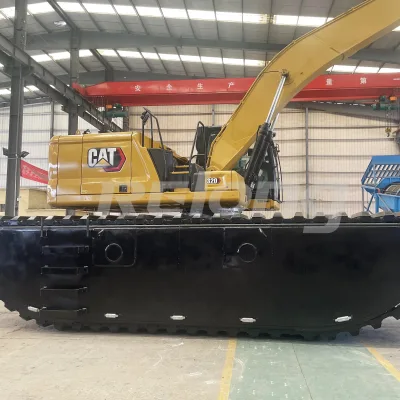


$1800.00 - $2000.00
MOQ: 1 Pieces


Comprehensive Sourcing Guide
Strategic Sourcing Guide for Full Automatic Excavators
Understanding the Technical Landscape of Modern Excavators
The procurement of full automatic excavators requires a nuanced understanding of the diverse specifications available in the global market. These machines are not monolithic; they vary significantly in operating weight, model designation, and auxiliary capabilities. Buyers must first categorize their requirements based on the specific operational environment. For instance, the market features units with an operating weight of 20 tons, which are often suitable for medium-duty construction tasks, while other listings indicate heavy-duty models with an operating weight of 36,000 kg. This disparity in mass directly influences the machine's stability, fuel consumption, and transport requirements.
A critical technical parameter to verify is the arm length and track configuration. Data indicates specific configurations where the arm length is standardized at 1.5 meters, paired with track shoe widths of either 400 mm or 300 mm. The selection between these widths depends on the ground conditions; wider tracks generally provide better flotation on soft terrain, while narrower tracks may offer better maneuverability in confined spaces. Furthermore, the minimum ground clearance is a vital metric for rough terrain operations, with observed specifications ranging up to 440 mm. Buyers should ensure that the selected model's clearance matches the specific topography of the job site to prevent undercarriage damage.
The powertrain and hydraulic systems are equally critical. The fuel tank capacity is a key determinant of operational uptime, with specific models citing a capacity of 390 liters. This allows for extended shifts without refueling. The hydraulic system's performance is often linked to the brand of the cylinders; for example, some units are equipped with Kato hydraulic cylinders, which suggests a specific tier of component reliability. Additionally, the maximum torque output, observed in ranges such as 580/1600, dictates the machine's ability to handle high-resistance digging tasks. When evaluating a Full-Automatic Excavator, the buyer must cross-reference these torque figures with the intended material density to ensure the machine will not be underpowered for the application.
Compliance, Certification, and Operational Standards
Navigating the compliance landscape for heavy machinery involves verifying that the equipment meets both the origin country's standards and the destination market's regulatory requirements. The origin of these machines is frequently listed as China, with specific manufacturing hubs identified in locations such as Taizhou, Zhejiang. While the country of origin is a known variable, the specific production standards applied during manufacturing must be confirmed. Some product listings reference a standard weight of 21,000 kg, which may serve as a classification benchmark for certain regulatory categories, though this should be treated as a product attribute rather than a universal legal standard.
Certification and testing documentation are essential for risk mitigation. Buyers should request a Machinery Test Report, which is noted as being provided for certain units in the market. This document serves as evidence that the machine has undergone functional testing prior to shipment. In the absence of specific certification names in the provided data, the buyer must verify if the machine adheres to international safety standards relevant to the operating region. The condition of the machine is another compliance factor; listings distinguish between "New" units and those with a "5-10 Years Old" age range. Older units may require more rigorous inspection to ensure they meet current emission and safety regulations, whereas new units typically come with factory warranties and compliance with the latest standards.
Furthermore, the working hours of the machine are a critical compliance metric for used equipment. The observed range of 0-2000 working hours suggests a spectrum from barely used to moderately utilized machinery. Buyers must verify the authenticity of these hour meters against maintenance logs. For new units, the working hours should be near zero. The fuel type is another compliance consideration; while diesel is the dominant fuel source, with specific models listed as "Diesel," there are also electric options available, indicated by "Electric" fuel attributes and "AC Motor" or "DC Motor" power specifications. The transition to electric or hybrid powertrains may be driven by local environmental regulations, making the verification of the power source a mandatory step in the compliance checklist.
Cost Drivers and Pricing Variables in the Market
The pricing structure for full automatic excavators is influenced by a complex array of variables, resulting in a wide observed range from 1,000 to 77,884.28 USD. This significant variance is not merely a reflection of brand prestige but is driven by the specific configuration, age, and condition of the unit. The primary cost driver is the operating weight and associated engine power. A 36,000 kg excavator will inherently command a higher price than a 5-ton unit due to the raw material costs and engineering complexity involved in its construction. Similarly, the inclusion of specialized components, such as Kato hydraulic cylinders or specific track shoe widths, adds to the manufacturing cost and, consequently, the market price.
The condition of the machine is the second most significant cost factor. New units, particularly those with zero working hours, are priced at the premium end of the spectrum. In contrast, units with 5-10 years of age and up to 2000 working hours are positioned in the mid-to-low range. The "Year of Manufacture" attribute serves as a proxy for depreciation; older machines may have lower acquisition costs but could incur higher maintenance expenses, which must be factored into the total cost of ownership. Additionally, the customization availability is a variable cost. Buyers who require specific modifications, such as custom cab locations or specialized bucket capacities, may face additional charges for these bespoke features.
Packing and logistics also play a role in the final landed cost. The market offers various packing methods, including "Bulk," "Framework," "RO-RO," "Carton," and "Standard" packing. The choice of packing method affects shipping efficiency and insurance premiums. For example, RO-RO (Roll-on/Roll-off) shipping is often more cost-effective for large, self-propelled units, whereas framework or carton packing might be necessary for disassembled components or smaller attachments. The load capacity of the machine, ranging from less than 1 ton to over 42 tons, further dictates the shipping method and associated freight costs. A 42-ton unit requires specialized heavy-lift vessels and potentially higher insurance rates compared to a 5-ton unit.
Typical Applications and Operational Versatility
Full automatic excavators are designed for a wide array of applications, ranging from light material handling to heavy civil engineering. The versatility of these machines is evident in the diverse load capacities and lift heights observed in the market. Units with a load capacity of 5 tons to 10 tons are well-suited for general construction, landscaping, and utility work. These machines often feature a lift height of greater than 5000 mm, allowing them to load trucks or place materials at significant elevations. The adjustable cab location is a feature that enhances operator comfort and visibility, making these units ideal for prolonged operation in varied environments.
For heavier applications, the market offers excavators with a load capacity exceeding 42 tons. These massive units are typically employed in mining, large-scale earthmoving, and major infrastructure projects. The operating weight of 36,000 kg supports the high torque and hydraulic pressure required for breaking rock or moving large volumes of earth. The bucket capacity, observed at 0.8 cubic meters for certain models, is a critical metric for estimating productivity. A larger bucket capacity reduces the number of cycles required to move a specific volume of material, thereby increasing efficiency on large-scale projects.
The distinction between diesel and electric powertrains also influences application suitability. Diesel-powered excavators, with their high torque and long operational hours, are the standard for outdoor, heavy-duty construction sites where fuel infrastructure is readily available. Conversely, electric forklifts and stackers, which are sometimes categorized alongside excavators in broad machinery listings, are better suited for indoor environments or sites with strict emission controls. The "Type" attribute, ranging from diesel forklifts to electric forklifts and pallet jacks, highlights the need for buyers to clearly define the primary function of the machine. If the primary need is excavation, the diesel-powered models with high operating weights are the appropriate choice. If the need involves material handling in a warehouse, the electric models with lower load capacities and specific lift heights are more suitable.
Supplier Evaluation and Quality Assurance Protocols
Evaluating a supplier for full automatic excavators requires a rigorous assessment of their documentation and transparency. The presence of a "Machinery Test Report" is a strong indicator of a supplier's commitment to quality assurance. Buyers should verify that this report is comprehensive, covering hydraulic pressure tests, engine performance checks, and safety system validations. The absence of such documentation should be a red flag, regardless of the price point. Additionally, the "Condition" of the machine must be verified through third-party inspections, especially for used units. The discrepancy between the listed "Year of Manufacture" and the actual "Working Hours" can indicate potential issues with the machine's history or the accuracy of the seller's data.
Customization capabilities are another factor in supplier evaluation. The availability of customization suggests that the supplier has the engineering capacity to adapt the machine to specific client needs. This includes modifications to the cab location, track shoe width, or hydraulic cylinder brands. A supplier that offers these options demonstrates flexibility and a customer-centric approach. However, buyers must ensure that any customizations do not compromise the structural integrity or safety of the machine. The "Standard" attribute, listed as "Standard" or "21000 KG," should be cross-referenced with the supplier's technical specifications to ensure consistency.
The origin of the machine, such as Taizhou, Zhejiang, provides context for the supply chain but does not guarantee quality. Buyers should investigate the specific factory's reputation and history. The "prod_packing" method, whether "Bulk," "Framework," or "Carton," should be discussed in detail to ensure the machine arrives in the condition specified. Poor packing can lead to transit damage, which increases the total cost of ownership. Furthermore, the "Model No." and "prod_model" designations, such as HD1638, HD1430, or Sy215, should be used to trace the machine's lineage and verify that the parts and components are genuine and compatible with the rest of the fleet.
Long-Term Procurement and Lifecycle Management
The decision to procure a Full-Automatic Excavator extends beyond the initial purchase price; it encompasses the entire lifecycle of the asset. The "Operating Weight" and "Fuel Tank" capacity are long-term cost drivers. A 36,000 kg machine with a 390-liter fuel tank will have different fuel consumption rates and maintenance schedules compared to a 5-ton unit. Buyers should analyze the total cost of ownership, including fuel, maintenance, and potential downtime. The "Maximum Torque" and "Hydraulic Cylinder Brand" are also critical for long-term reliability. High-quality components like Kato cylinders may have a higher upfront cost but can reduce the frequency of repairs and extend the machine's service life.
The "Working Hours" and "Year of Manufacture" are key indicators of the remaining useful life of the machine. For used units, the 0-2000 hour range suggests a machine that has not reached its peak wear period, but the 5-10 year age range indicates that major components may need replacement soon. Buyers should budget for a comprehensive overhaul or major component replacement as the machine approaches its end-of-life. The "Condition" of the machine, whether "New" or used, dictates the warranty coverage and the initial maintenance schedule. New units typically come with a manufacturer's warranty, while used units may require a third-party warranty or a self-funded maintenance plan.
Finally, the "Load Capacity" and "Bucket Capacity" determine the machine's versatility over time. A machine with a 0.8 cubic meter bucket and a 5-10 ton load capacity can handle a wide range of tasks, making it a versatile asset for a growing business. However, if the business expands to larger projects, the buyer may need to upgrade to a 42-ton unit with a larger bucket. The "Customization" option allows for future adaptability, enabling the machine to be modified as project requirements change. By considering these long-term factors, buyers can make a strategic investment that aligns with their operational goals and financial constraints, ensuring that the Full-Automatic Excavator remains a productive asset for years to come.
Comparative Analysis of Key Specifications
To facilitate a clearer decision-making process, the following table summarizes the key technical specifications observed in the market for full automatic excavators and related machinery. This comparison highlights the diversity in operating weights, power sources, and functional capabilities.
| Specification Category | Observation Range / Specific Value | Application Implication |
|---|---|---|
| Operating Weight | 5 tons to 36,000 kg | Determines transport logistics and site suitability; heavier units for mining, lighter for urban work. |
| Track Shoe Width | 300 mm to 400 mm | Wider tracks for soft ground; narrower for confined spaces. |
| Fuel Type | Diesel, Electric | Diesel for high power/long hours; Electric for low emission/indoor use. |
| Power Source | Diesel Engine, AC Motor, DC Motor | Diesel for torque; Electric for precision and quiet operation. |
| Maximum Torque | 580/1600 (Variable) | Higher torque for heavy digging; lower for light material handling. |
| Lift Height | 3000-5000 mm to >5000 mm | Higher lift for loading trucks or multi-story work. |
| Bucket Capacity | 0.8 cubic meters (Example) | Larger capacity increases productivity per cycle. |
| Condition | New, 5-10 Years Old | New for warranty; Used for cost savings (verify hours). |
| Model Designations | Sy215, HD1638, HD1430, AE350 | Specific model numbers for parts compatibility and service history. |
| Origin | China (e.g., Taizhou, Zhejiang) | Indicates supply chain origin; verify specific factory standards. |
This table serves as a reference point for buyers to quickly identify which specifications align with their project requirements. It underscores the importance of matching the machine's technical attributes to the specific demands of the job site, ensuring that the procurement decision is both technically sound and economically viable.
FAQs
What is the operating weight range for these excavators?
Operating weights range from 5 tons to 36,000 kg depending on the specific model selected. Units like the Sy215 weigh 20 tons, while heavy-duty variants reach 36,000 kg to support high-torque digging tasks.
Which hydraulic cylinder brands are available for these machines?
Some units are equipped with Kato hydraulic cylinders to ensure component reliability. Buyers should verify the specific brand in the product specifications before purchasing to match their quality requirements.
Can I find excavators with a 1.5 meter arm length?
Yes, specific models feature a standardized arm length of 1.5 meters. This dimension is paired with track shoe widths of 300 mm or 400 mm to suit different ground conditions.
What is the minimum ground clearance for rough terrain models?
The minimum ground clearance is observed at 440 mm for certain configurations. This metric is vital for preventing undercarriage damage during operations on uneven or rough job site topography.
How does the fuel tank capacity affect operational uptime?
Specific models cite a fuel tank capacity of 390 liters for extended shifts. This allows for prolonged operation without frequent refueling, which is critical for continuous construction workflows.
Are customization options available for these excavators?
Customization is available for various features including cab location and bucket capacity. Buyers requiring specific modifications should confirm these options with the supplier to ensure they meet project needs.
What is the condition of the listed machinery?
Listings include both new units and machines aged 5 to 10 years old. New units typically have zero working hours, while older units may have up to 2000 hours of operation.