Source Galvanized Steel Wire Rope for Hoist Winch Lifting
Compare 30 listings of galvanized steel wire rope for hoist and winch applications. Buyers can evaluate specifications like tensile strength, core types, and surface treatments from verified Chinese manufacturers offering customization and CE or ISO certifications; compare the available evidence and request quotations based on your requirements.
Key considerations
Products List




Comprehensive Sourcing Guide
Galvanized Steel Wire Rope for Hoist and Winch Sourcing Guide
Procuring galvanized steel wire rope for hoist and winch applications requires a precise understanding of material composition, structural integrity, and surface treatment. The core keyword highlights a specialized category where corrosion resistance and tensile strength are paramount. Buyers must distinguish between general-purpose lifting cables and those engineered for specific industrial loads, ensuring the selected product aligns with the operational demands of the machinery. This guide provides evidence-based procurement strategies to mitigate risk and ensure long-term reliability in demanding environments.
The sourcing landscape for these components is diverse, with suppliers offering various configurations to meet distinct engineering requirements. Understanding the interplay between wire rope construction, coating methods, and core materials is essential for making informed purchasing decisions. This article outlines the critical technical parameters, compliance documentation, and commercial considerations that define a successful procurement cycle. By focusing on verified specifications and supplier qualifications, buyers can secure high-quality wire rope that enhances equipment safety and operational efficiency.
Product Scope and Observed Listing Signals
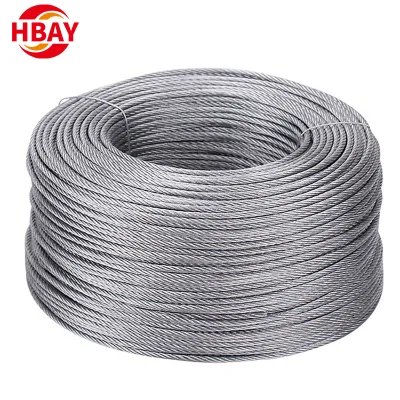
The observed product listings indicate a wide range of specifications, with materials primarily identified as carbon steel and galvanized steel wire. Key structural models observed include 6X36WS+IWRC, 19X7, 6X29FI, 6X24+7FC, and 6X19S+FC, each offering different flexibility and strength characteristics. The presence of both steel core and fiber core options suggests versatility in application, allowing buyers to select based on the specific bending radius and load requirements of their hoist or winch systems. These models are critical for matching the mechanical properties to the intended lifting duty.
Surface treatments and techniques vary, with galvanized and copper-coated options available to address corrosion concerns. The listings also note applications in construction, netting, rope, fencing, packaging, and manufacturing, though the specific focus here is on lifting, marine, and elevator uses. Dimensions observed range from 1mm to 60mm in diameter, with lengths available in 1000m, 500m, 300m, and 200m coils. Buyers should verify that the specific model and diameter match their equipment’s sheave groove and load capacity requirements to prevent premature wear or failure.
Technical Specifications to Verify
Tensile strength is a primary technical parameter, with observed nominal values including 1770 N/mm², 1960 N/mm², and 2160 N/mm². Higher tensile grades like 1960 N/mm² offer greater load-bearing capacity but may require more careful handling to avoid kinking. The lay direction, observed as R.H.R.L, R.H.L.L, and L.H.R.L, must be matched to the winding drum of the winch to ensure proper rope seating and longevity. Incorrect lay direction can lead to rapid degradation and unsafe operating conditions, making this a critical verification step during procurement.
Core type and lubrication are equally important for performance. Steel core and fiber core options provide different levels of support and flexibility, while lubrication types such as "All Dry" or specific compound grades affect internal friction and corrosion resistance. The standard diameters observed range from 4mm to 20mm for certain models, and up to 60mm for others, requiring precise measurement against existing equipment specifications. Buyers must confirm that the rope’s construction, including the number of strands and wires, aligns with the manufacturer’s recommendations for their specific hoist or winch model.
Compliance and Safety Documentation
Certifications such as CE, ISO, and API are frequently cited in product listings, indicating adherence to international quality and safety standards. These certifications provide a baseline assurance of manufacturing consistency and regulatory compliance, which is crucial for industrial lifting equipment. Buyers should request valid certification documents from suppliers to verify that the products meet the specific safety regulations applicable in their region. This documentation is essential for insurance purposes and for passing safety inspections in regulated industries.
Additional documentation may include material test reports and quality control certificates, which provide detailed data on the mechanical properties of the wire rope. The ability of suppliers to provide these certificates upon request is a strong indicator of their quality management systems. Buyers should ensure that the documentation matches the specific batch or lot of the purchased rope, allowing for traceability in case of future performance issues. This level of documentation support is vital for maintaining a robust safety record and operational continuity.
Cost Drivers and Commercial Terms
The price range for galvanized steel wire rope is broad, observed from $0.1 to $5000, reflecting variations in diameter, length, tensile strength, and construction complexity. Larger diameters and higher tensile grades typically command higher prices due to increased material costs and manufacturing complexity. Buyers should consider the total cost of ownership, including installation and maintenance, rather than focusing solely on the initial purchase price. Higher-quality rope may have a higher upfront cost but can offer longer service life and reduced downtime.
Minimum order quantities (MOQ) range from 1 to 5000 units, offering flexibility for both small-scale repairs and large-scale industrial projects. Packaging details, such as wooden plywood reels or pallets, are standard, but buyers should confirm that the packaging is suitable for sea freight or other transport methods to prevent damage during transit. Terms like FCL or LCL shipping options should be discussed to optimize logistics costs. Clear communication regarding packaging and shipping requirements helps avoid unexpected expenses and ensures the rope arrives in optimal condition.
Supplier Qualification and Quality Control
Supplier qualification involves verifying their manufacturing capabilities and quality control processes. The observed customization availability suggests that suppliers can tailor products to specific requirements, but buyers must ensure that these customizations are produced under strict quality control. Suppliers with established certifications and a history of providing detailed technical documentation are generally more reliable. Buyers should assess the supplier’s ability to provide consistent quality across large orders, which is critical for maintaining safety standards in industrial applications.
Quality control checks should include visual inspections for surface defects, dimensional accuracy, and tensile strength verification. Suppliers that offer processing services such as bending, cutting, and welding may provide additional value, but buyers must ensure that these services do not compromise the integrity of the wire rope. It is advisable to request samples for testing before placing large orders, allowing buyers to verify the product’s performance and quality firsthand. This proactive approach helps mitigate the risk of receiving substandard products.
Long-Term Procurement Checks
Long-term procurement success depends on establishing a reliable supply chain and maintaining ongoing quality assurance. Regular audits of supplier performance, including delivery times and product consistency, are essential for identifying potential issues early. Buyers should maintain open communication with suppliers to address any concerns promptly and to stay informed about product updates or improvements. Building a strong relationship with qualified suppliers can lead to better pricing, priority service, and access to new technologies.
Continuous monitoring of product performance in the field is crucial for identifying any trends in wear or failure. Feedback from maintenance teams can provide valuable insights into the suitability of the selected wire rope for specific applications. Buyers should use this feedback to refine their procurement specifications and to select products that offer the best balance of performance and cost. By focusing on long-term reliability and supplier collaboration, buyers can ensure the safe and efficient operation of their hoist and winch systems.
FAQs
What certifications are available for galvanized steel wire rope for hoist and winch?
CE, ISO, and API certifications are available for these products. These standards ensure compliance with international quality and safety requirements. Buyers can request specific certificates to verify material integrity and manufacturing processes. This documentation is essential for industrial applications requiring strict regulatory adherence and verified performance metrics.
Which specifications are offered for galvanized steel wire rope for hoist and winch?
Specifications include models like 6X36WS+IWRC, 19X7, and 6X29FI. Standard diameters range from 1mm to 60mm or 4mm to 20mm depending on the type. These variations allow for precise selection based on load requirements. Buyers should match the specific model and diameter to their equipment's operational needs for optimal performance.
Can galvanized steel wire rope for hoist and winch be customized?
Yes, customization is available for these wire ropes. Buyers can request specific lengths, packaging, or surface treatments to meet unique project requirements. The supplier offers processing services like bending, cutting, and welding. This flexibility ensures the product fits specific industrial applications and logistical constraints effectively.
What is the typical packaging for galvanized steel wire rope for hoist and winch?
Products are typically packed on wooden plywood reels or coils. Shipping options include FCL or LCL via sea container. This packaging protects the wire rope from damage during transit. Buyers can also request palletized packaging or other requirements to ensure safe delivery and easy handling at the destination site.
What tensile strength options exist for galvanized steel wire rope for hoist and winch?
Nominal tensile strengths include 1770, 1960, and 2160 N/mm2. High carbon steel grades provide high strength for demanding lifting applications. These strength levels ensure durability and safety under heavy loads. Buyers should select the appropriate tensile rating based on the specific weight and frequency of their hoisting operations.
Where are galvanized steel wire rope for hoist and winch products manufactured?
These products originate from China. The manufacturing process involves galvanized techniques to enhance corrosion resistance. Buyers can source directly from Chinese factories offering various certifications. This origin provides access to a wide range of specifications and competitive pricing for global industrial procurement needs.