Source Home Theatre Speakers and Seating for Homes, Cinemas, and Commercial Venues
Explore a curated selection of 30 Home Theatre products, including passive loudspeakers, coaxial speakers, and cinema seating. Buyers can compare power ratings, sensitivity, frequency response, materials, certifications, MOQ, and packing options to identify suitable suppliers for residential, commercial, and cinema installations.
Key considerations
Products List


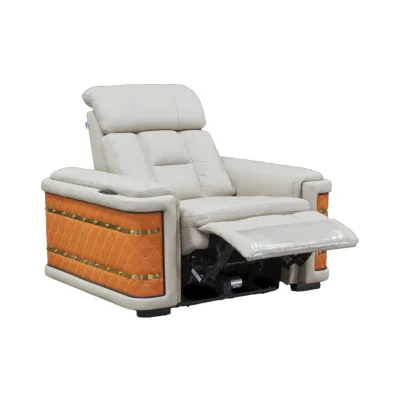
Home Theater Leather Home Cinema Media Room Cinema Movie Theater Auditorium Seat
$10.00 - $200.00
MOQ: 100 Pieces


VIP Home Cinema Home Theater Multiplex Auditorium Movie Theater Cinema Recliner
$10.00 - $200.00
MOQ: 100 Pieces
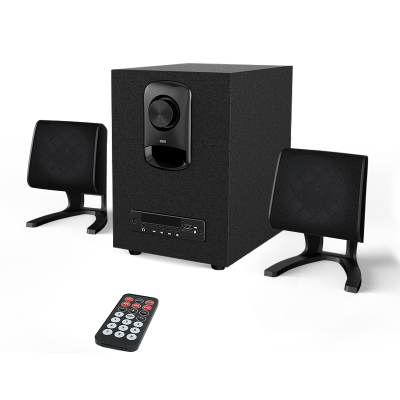


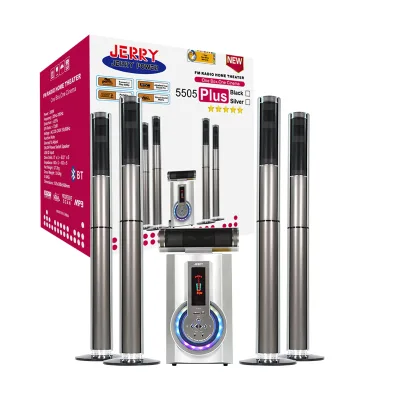
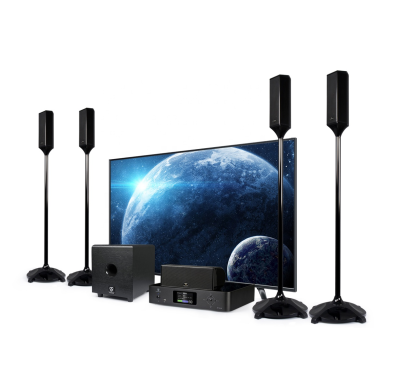




Comprehensive Sourcing Guide
Home Theatre Sourcing Guide
Sourcing components for a Home Theatre system requires a nuanced understanding of the distinction between passive audio equipment and integrated seating solutions. The available market data indicates a diverse range of products, from high-power loudspeakers to specialized cinema seating, each serving a distinct role in the final installation. Buyers must carefully separate these categories during the initial sourcing phase, as the technical verification, compliance requirements, and commercial terms for a 15-inch full-range loudspeaker differ significantly from those for a modern leather cinema seat. This guide provides a structured approach to evaluating these disparate product types, ensuring that procurement decisions are based on verified specifications rather than marketing assumptions.
The core keyword "Home Theatre" encompasses both the acoustic delivery system and the physical environment in which it is experienced. Procurement teams often encounter listings that bundle these elements or present them as interchangeable options. It is critical to recognize that a passive speaker system requires an external amplifier and precise impedance matching, whereas seating solutions focus on ergonomics, material durability, and spatial integration. By maintaining a clear boundary between audio hardware and furniture procurement, buyers can apply the correct technical scrutiny to each item, reducing the risk of compatibility issues and ensuring that the final installation meets the intended performance and aesthetic standards.
Product Scope and Observed Listing Signals
The observed product landscape reveals a wide variance in pricing, ranging from approximately $10 to over $23,000, which reflects the broad spectrum of Home Theatre components available. This price disparity is driven by factors such as material quality, brand reputation, and technical complexity. For instance, basic accessories or entry-level components may sit at the lower end of the spectrum, while high-end, custom-built audio systems or premium cinema seating with advanced features command significantly higher prices. Buyers should interpret this range as an indicator of the need for precise specification matching, as a low price point may not correlate with the performance required for a high-fidelity Home Theatre environment.
Minimum Order Quantities (MOQ) also vary considerably, spanning from single units to batches of 1,000 pieces, highlighting the flexibility of the supply chain for different procurement strategies. Small-scale projects or individual upgrades may benefit from suppliers offering low MOQs, allowing for the acquisition of single high-performance items like a specific speaker model or a single cinema seat. Conversely, large-scale commercial installations or bulk procurement for multiple residential units may leverage higher MOQs to negotiate better terms. Understanding these signals helps buyers align their order volumes with supplier capabilities, ensuring that they do not overcommit to inventory or face delays due to insufficient production capacity for smaller orders.
Technical Specifications to Verify
When sourcing audio components, verifying the technical specifications of loudspeakers is paramount to ensuring acoustic performance. The available data highlights models such as the KS15, a single 15-inch two-way full-range loudspeaker with a power rating of 450W AES and a sensitivity of 98dB. Buyers must verify that the frequency response, listed as 60Hz~17kHz (±3dB), aligns with the desired audio profile for the Home Theatre setup. Additionally, the Total Harmonic Distortion (THD) of less than 0.005% indicates a high level of signal purity, which is crucial for clear dialogue and immersive sound effects. It is essential to confirm that the "passive" activity classification matches the buyer's existing amplifier infrastructure, as passive speakers do not have built-in amplification.
For seating and furniture components, technical verification shifts towards dimensions, materials, and structural integrity. The CF26 model, for example, is a dual 6-inch coaxial full-range speaker with a power rating of 120W and a frequency response of 80Hz~20kHz, offering a different acoustic profile suitable for different room sizes or as surround channels. In contrast, cinema seating models like the HJ811 require verification of physical dimensions, such as 105cm x 64cm x 83cm, to ensure they fit the designated space. Buyers should also verify material compositions, such as wood for speakers or leather and metal for seating, and confirm features like armrests, rotary mechanisms, and packing methods, which impact installation logistics and long-term durability.
Compliance and Safety Documentation
Compliance with international standards is a critical aspect of sourcing Home Theatre components, particularly for audio equipment that involves electrical connections. The presence of certifications such as CE, RoHS, and CCC indicates that certain products meet European, environmental, and Chinese safety and regulatory requirements. Buyers must request valid certification documents for each product batch to ensure ongoing compliance, especially when importing goods into different jurisdictions. These certifications serve as proof that the products have undergone necessary testing for electrical safety, electromagnetic compatibility, and restricted hazardous substances, reducing the risk of regulatory hurdles at customs and ensuring user safety.
In addition to product-specific certifications, broader quality management standards may apply to the manufacturing processes. Some suppliers may adhere to ISO9001-2008 and ISO14001-2004 standards, reflecting a commitment to quality control and environmental management. While these standards do not directly certify the end product's performance, they provide assurance that the supplier has established systematic processes for production consistency and waste management. Buyers should verify the current validity of these certifications, as standards evolve over time, and ensure that the supplier's quality management system is robust enough to maintain consistent product quality across large orders.
Cost Drivers and Commercial Terms
The cost of Home Theatre components is influenced by several factors, including material selection, customization options, and packaging requirements. For audio speakers, the use of wood as a primary material can affect both the acoustic properties and the cost, while customization availability allows buyers to tailor products to specific aesthetic or functional needs. Similarly, for seating, the choice between leather and other materials, along with features like concealed word pads and foot landing structures, impacts the final price. Buyers should evaluate these cost drivers against their budget constraints and performance requirements, recognizing that higher customization levels may lead to increased unit costs and longer production times.
Commercial terms such as FOB (Free on Board) or EXW (Ex Works) define the responsibilities and costs associated with shipping and logistics. These terms significantly affect the total landed cost of the products, as they determine who bears the risk and expense of transportation from the supplier's location to the destination. Buyers must carefully review these terms in conjunction with the MOQ and production time, which can range from 20-25 days for certain items. Understanding the implications of these commercial terms allows buyers to accurately calculate the total cost of ownership, including freight, insurance, and customs duties, and to plan their supply chain logistics accordingly.
Supplier Qualification and Quality Control
Supplier qualification involves assessing the manufacturer's capability to deliver products that meet the specified technical and compliance requirements. Buyers should verify the supplier's production capacity, quality control processes, and warranty policies, which may include a 5-year warranty for certain products. This warranty period indicates a level of confidence in the product's durability and performance, providing buyers with recourse in case of defects. Additionally, buyers should inquire about the supplier's experience in exporting to their target market, as this can influence their understanding of local regulations and customer expectations.
Quality control measures should be integrated into the procurement process to ensure that the delivered products match the approved samples and specifications. This may involve third-party inspections, factory audits, or the implementation of strict incoming quality control procedures. Buyers should also consider the packaging methods, such as carton boxes, flight cases, or knocked-down packing, which can affect the protection of products during transit and the ease of installation at the final site. By establishing clear quality control protocols and verifying supplier capabilities, buyers can minimize the risk of receiving defective or non-compliant products, ensuring a smooth procurement process.
Long-Term Procurement Checks
Long-term procurement success depends on establishing strong relationships with suppliers and maintaining open communication channels for ongoing support and issue resolution. Buyers should regularly review supplier performance metrics, such as on-time delivery rates, product quality consistency, and responsiveness to inquiries. This continuous monitoring helps identify potential issues early and allows for corrective actions to be taken before they impact the supply chain. Additionally, buyers should stay informed about changes in product specifications, certifications, or market conditions that may affect their sourcing strategy, ensuring that their procurement decisions remain aligned with current best practices and regulatory requirements.
Finally, buyers should consider the lifecycle management of the products, including availability of spare parts, technical support, and potential upgrades. For Home Theatre systems, the ability to replace or upgrade components over time is crucial for maintaining system performance and adapting to evolving technology. By planning for long-term maintenance and support, buyers can ensure that their investment in Home Theatre components continues to deliver value over time. This proactive approach to procurement management helps mitigate risks and enhances the overall reliability and satisfaction of the Home Theatre installation.
FAQs
How do I choose between passive and active Home Theatre speakers?
Passive speakers require an external amplifier, while active models have built-in amplification. For a Home Theatre, passive designs like a single 15 inch two-way full-range loudspeaker give you flexibility to match amplifiers to room size and budget. Active systems are simpler to install but harder to upgrade component by component over time.
What power rating is suitable for a Home Theatre speaker system?
A passive full-range loudspeaker rated around 450W AES with 98dB sensitivity is sufficient for medium to large Home Theatre rooms. Sensitivity matters as much as wattage, because a higher dB rating means the speaker produces more output from the same amplifier power. Always match amplifier output to the speaker's continuous power rating.
Which certifications should Home Theatre audio products have for export?
Common certifications for audio products destined for different markets include CE and RoHS for Europe, and CCC for China. Some manufacturers also hold ISO9001 quality management certification, which indicates standardized production processes. Request copies of certificates before ordering, and confirm which certifications apply to the specific model you intend to purchase.
Can Home Theatre speaker systems be customized for specific projects?
Yes, customization is available from many manufacturers, covering cabinet finishes, driver configurations, and packaging options such as carton box or flight case. Wood cabinet construction is common and can often be finished to match interior designs. Discuss minimum order quantities and customization lead times with suppliers before committing to a project specification.
How should I evaluate speaker frequency response for Home Theatre use?
Look for a wide, flat response range; a full-range speaker covering roughly 60Hz to 17kHz within plus or minus 3dB handles most movie soundtracks well. Bass extension below this range usually requires a dedicated subwoofer. Check whether the manufacturer publishes the tolerance band, since a figure without tolerance limits tells you very little.
What is the typical MOQ for Home Theatre speakers and seating?
Minimum order quantities vary widely by product type and supplier, commonly ranging from a single sample unit for speakers to around 10 or 100 pieces for cinema seating and furniture. Sample orders let you verify quality before committing to volume. Confirm whether the quoted MOQ applies per model, per color, or per production run.
How long does production take for customized Home Theatre equipment orders?
Production time for customized orders typically falls around 20 to 25 days after order confirmation, depending on order size and customization level. Stock or standard configurations can ship faster. Factor in additional time for packaging, quality inspection, and shipping, and always confirm the current lead time in writing before placing the order.
What packaging options protect Home Theatre speakers during shipping?
Standard options include carton box packing for cost efficiency and flight case packing for added protection on higher-value units. Some furniture items ship knocked down to reduce volume, which lowers freight costs but requires assembly on site. Choose flight cases or reinforced packing if units will face repeated handling or long multimodal transport routes.