Source Hot and Cold Waterfall Pull Out Kitchen Tap for Hotel Home Villa
Compare 30 Hot and Cold Waterfall Pull Out Kitchen Tap models with single or double hole structures, stainless steel or brass materials, and various installation types for hotels, homes, and villas.
Key considerations
Products List


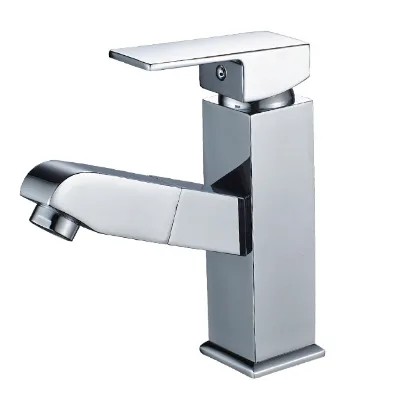
Pull out Kitchen Faucet Water Tap Pull-out Kitchen Mixer Taps Kitchen Faucet
$11.90 - $29.90
MOQ: 5 Pieces

Modern Pull out Kitchen Tap Water Sink Faucet Black Hot and Cold Sink Tap
$24.00 - $26.50
MOQ: 32 Pieces




Comprehensive Sourcing Guide
Sourcing Guide for Hot and Cold Waterfall Pull-Out Kitchen Taps
The global market for kitchen fixtures has seen a significant shift toward high-performance, aesthetically pleasing, and functional designs. Among the most sought-after configurations is the hot and cold waterfall pull-out kitchen tap. This specific combination offers a unique blend of visual elegance, often associated with the "waterfall" spout design, and the practical utility of a pull-out spray head for versatile cleaning. For B2B procurement professionals, sourcing these units requires a disciplined approach that distinguishes between marketing claims and verifiable product attributes. This guide outlines the critical technical specifications, compliance considerations, and supplier evaluation criteria necessary for securing reliable supply chains for this product category.
Technical Specifications and Design Architecture
When evaluating a hot and cold waterfall pull-out kitchen tap, the primary focus must be on the structural integrity and the specific configuration of the water delivery system. The core keyword implies a faucet that integrates a wide, sheet-like water flow (waterfall) with a retractable spray mechanism. However, product attributes in the supply chain often vary significantly. Buyers must verify if the "waterfall" outlet style is compatible with the "pull-out spray" functionality, as these are sometimes distinct features found on different models.
The installation type is a fundamental constraint. Most standard units for this category are designed as deck-mounted fixtures, requiring a single hole or double hole configuration on the countertop. The "Single Hole" structure is prevalent for modern, streamlined designs, while "Double Hole" configurations may be required for units that separate the faucet body from the spray head or include additional handles. The number of handles is another critical specification; the observed market data indicates a strong preference for "Single Handle" designs, which allow for easy temperature and flow control. Conversely, some units may utilize a "Revolving Type" or "Wrench Type" opening mechanism, which affects the user experience and maintenance requirements.
Material composition is the next decisive factor. The supply chain presents two primary material options: Stainless Steel and Brass. Stainless Steel units offer a modern, durable finish that resists corrosion, while Brass units, often cited with a brass content of 57-60%, provide superior weight and durability. The surface treatment for these materials varies; some units undergo "Metallic Painted" processes, while others feature "Archaistic" treatments to achieve an antique look. Buyers must cross-reference the material with the intended application environment, as high-humidity commercial kitchens may demand different corrosion resistance than residential settings.
Performance Standards and Functional Capabilities
The functional performance of a kitchen tap is defined by its internal components and testing standards. A critical component in any faucet is the cartridge, which controls water flow and temperature mixing. High-quality units are often specified with a "No Leakage Over 500,000 Times" rating, indicating a ceramic cartridge designed for longevity. The specific dimensions of the cartridge, such as a "35mm Ceramic" size, are essential for replacement compatibility and ensuring a tight seal.
Water pressure testing is another vital metric for quality assurance. Verified data suggests that robust units undergo pressure testing within the range of 0.6-0.8MPa. This ensures the faucet can withstand standard municipal water pressures without leaking or failing. Additionally, the flexibility of the supply lines is a key specification. Standards for flexible hoses often include lengths such as 370mm, 500mm, or 600mm. Buyers must confirm that the hose length matches the sink depth and installation requirements to prevent strain on the connections.
The swivel capability of the faucet head is a distinguishing feature. While many modern taps offer a "360 Swivel" for maximum reach, some specific models are noted as "Not Rotatable." This distinction is crucial for installation planning. Similarly, the presence of a "Pull Out Spray" function must be explicitly confirmed, as some units are designed solely as fixed waterfall faucets without a retractable spray head. The absence of a "Purified Water Outlet" is a common attribute in standard models, meaning the tap is designed for general hot and cold water supply rather than integrated filtration systems.
Compliance, Certification, and Safety Verification
In the B2B procurement of kitchen fixtures, compliance with safety and environmental standards is non-negotiable. While specific certification statuses for individual suppliers may not always be publicly listed in general product catalogs, buyers must insist on verification of relevant standards. The supply chain data references "flexible hoses" and specific weight standards (e.g., 1.2kg or 2kg), which serve as proxies for material density and build quality.
Buyers should verify that the products meet international safety standards for potable water contact. Although specific certification names like "REACH" are mentioned in background contexts, they should not be assumed as a guarantee for every listed product without direct confirmation from the supplier. The procurement process must include a request for current test reports regarding lead content and material safety. The "Water Pressure Testing" standard of 0.6-0.8MPa serves as a baseline for mechanical safety, but additional checks for thermal shock resistance and flow rate consistency are recommended.
Furthermore, the origin of the product plays a role in compliance. The supply data indicates origins in "Guang Dong, China" and "Foshan China," which are major manufacturing hubs. Buyers should ensure that the suppliers from these regions adhere to the export standards of the destination market. The "Standard Export Packing" and "Inner Box, Master Box" configurations are standard practices, but the packaging must be robust enough to prevent damage during transit, which could compromise the structural integrity of the faucet.
Cost Drivers and Pricing Dynamics
The pricing of hot and cold waterfall pull-out kitchen taps is influenced by a complex interplay of materials, manufacturing processes, and order volume. The observed price range in the market spans from 1.15 USD to 73 USD, a wide variance that reflects differences in material quality, brand positioning, and feature sets. Stainless steel models and those with advanced ceramic cartridges typically command higher prices compared to basic brass models with simpler finishes.
The Minimum Order Quantity (MOQ) is a significant cost driver, with observed ranges from 1 to 500 units. Smaller MOQs allow for lower initial capital expenditure but often result in a higher unit cost. Conversely, larger orders can leverage economies of scale to reduce the per-unit price. Buyers must also consider the "Service" options, such as OEM (Original Equipment Manufacturer) and ODM (Original Design Manufacturer) capabilities. Customization is available in the market, and engaging in OEM services can add to the initial setup costs but provides unique branding opportunities.
Lead times also impact the total cost of ownership. Delivery times are observed to range from 20-45 days for standard orders and 25-35 days for specific configurations. Extended lead times may necessitate higher inventory holding costs or require more complex supply chain planning. Payment terms, including EXW, FOB, CFR, and CIF, further influence the financial structure of the deal. Buyers should calculate the total landed cost, including shipping and insurance, rather than focusing solely on the factory gate price.
Supplier Evaluation and Quality Control
Selecting the right supplier requires a rigorous evaluation process that goes beyond the initial product listing. The supply chain data highlights several key attributes that serve as indicators of supplier reliability. The availability of "OEM & ODM" services suggests a supplier's capacity for customization and flexibility. The "Application" scope, which includes Hotel, Home, Villa, Commercial, and Apartment, indicates the versatility of the product and the supplier's experience in serving diverse market segments.
Quality control should be a continuous process. Buyers should verify the "Cartridge" specifications and ensure that the "No Leakage" claims are backed by independent testing. The "Surface Treatment" process, whether "Metallic Painted" or "Archaistic," must be consistent across batches to maintain brand integrity. Inspecting the "Brass Content" for units claiming high durability is essential, as lower brass content can lead to premature failure.
A comparison of key attributes can help in the decision-making process. The following table summarizes the critical differentiators observed in the market:
| Attribute | High-End / Premium | Standard / Budget | Verification Requirement |
|---|---|---|---|
| Material | Brass (57-60% content) | Stainless Steel | Request material composition reports |
| Cartridge | 35mm Ceramic (500k+ cycles) | Standard Ceramic | Verify cycle count testing data |
| Installation | Single Hole, Deck Mounted | Double Hole, Wall Mounted | Confirm hole configuration compatibility |
| Function | 360 Swivel, Pull Out Spray | Fixed, No Pull Out | Test swivel and spray extension |
| Pressure | 0.6-0.8MPa Tested | Unspecified | Request pressure test certificates |
| Origin | Foshan / Guang Dong, China | Various | Verify factory location and audit |
Long-Term Procurement and Application Strategy
The long-term success of a procurement strategy for kitchen taps depends on understanding the application environment. The "Application" field lists Hotel, Home, Villa, Commercial, and Apartment as target sectors. Commercial applications, such as hotels and restaurants, demand higher durability and frequent usage resistance. Residential applications may prioritize aesthetic appeal and ease of use.
Buyers should consider the "Optional" accessories that can be bundled with the faucet, such as Sink, Shower Head, Drainer, and additional Faucets. This bundling capability can streamline the procurement process for large projects. The "Specification Optional" for Bath & Shower Faucets indicates that some suppliers offer a comprehensive suite of bathroom and kitchen fixtures, which can simplify supply chain management.
Sustainability and maintenance are also long-term considerations. The "Foam+Box+Carton" packing method suggests a focus on protecting the product, but the environmental impact of the packaging materials should be evaluated. Additionally, the availability of spare parts, particularly the ceramic cartridge and flexible hoses, is crucial for the lifecycle management of the product. Suppliers that offer "Service" in terms of after-sales support and warranty claims will provide better long-term value.
In conclusion, sourcing a hot and cold waterfall pull-out kitchen tap requires a meticulous approach that balances aesthetic desires with technical realities. By focusing on verified attributes such as material composition, cartridge quality, and pressure testing standards, buyers can mitigate risks and ensure the delivery of high-quality products. The wide range of options available in the market, from 1.15 USD to 73 USD, offers flexibility, but the key to success lies in rigorous supplier evaluation and clear communication of technical requirements.
FAQs
What installation types are available for this tap?
The tap is available in deck mounted and wall mounted configurations. Buyers should verify the specific structure, which can be single hole or double hole, to ensure compatibility with their countertop or sink setup before ordering.
Which materials are used in manufacturing these taps?
Products are manufactured using stainless steel or brass with a content of 57-60%. The surface treatment varies between metallic painted and archaistic finishes to suit different aesthetic requirements for residential or commercial applications.
Can the faucet head rotate 360 degrees?
Some models feature a 360 swivel capability while others are not rotatable. Buyers must check the specific product model attributes to confirm if the 360 swivel function is included for the desired unit.
How long is the delivery time for these products?
Delivery times typically range from 20 to 45 days depending on the order specifics. Some configurations may require 25 to 35 days, so lead time should be confirmed with the supplier before finalizing the purchase agreement.
What is the minimum order quantity for these taps?
The minimum order quantity ranges from 1 to 500 units based on the supplier and product model. Buyers can find options with low MOQs for smaller projects or higher volumes for bulk procurement needs.
Are customization services like OEM available?
Yes, customization is available including OEM and ODM services for branding and design. Buyers can request specific modifications to the product model or packing to align with their brand requirements and market needs.
What is the price range for these kitchen taps?
The observed price range spans from 1.15 to 73 USD per unit. Pricing varies significantly based on material quality, features like pull-out spray, and order volume, so detailed quotes are necessary for accurate budgeting.