Source Hot Dipped Galvanized Ledger for Building Scaffolding
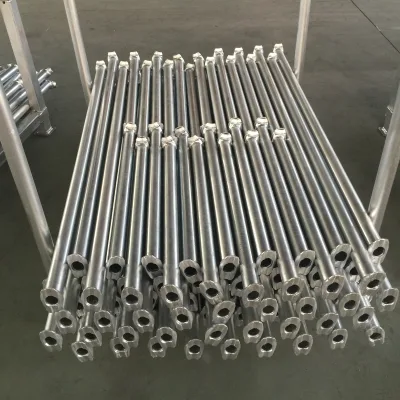
Compare 30 listings of Hot Dipped Galvanized Ledger components designed for external and internal scaffolding applications. Buyers can evaluate specifications, surface treatments, and structural styles from verified Chinese manufacturers offering mobile and fixed systems; compare the available evidence and request quotations based on your requirements.
Key considerations
Products List


Q345 48.3X3.2mm Hot-DIP Galvanized Steel Ledger for Ringlock Scaffolding
$1100.00 - $1350.00
MOQ: 20 Tons


Reliable OEM Quality Assurance Steel Aluminum Ringlock Scaffolding Ledger
$1100.00 - $1350.00
MOQ: 20 Tons


One-Step Factory Supply Ledger of Ringlock System Layher Allround From China
$900.00 - $1500.00
MOQ: 1 Tons


Comprehensive Sourcing Guide
Hot Dipped Galvanized Ledger Sourcing Guide
Procuring hot dipped galvanized ledgers requires a precise understanding of their structural role within scaffolding systems, particularly those utilizing cuplock or ringlock connection mechanisms. These horizontal components serve as critical load-bearing elements that connect vertical standards and support the working platform, ensuring stability across external and internal erection positions. Buyers must recognize that while the term "ledger" often appears in isolation, it is functionally integrated into larger frameworks such as combined scaffolding or multi-pole structures. The material composition, typically Q235 or Q345 steel, dictates the baseline strength, but the galvanization process is what ensures longevity against environmental corrosion, especially for outdoor applications where exposure to moisture and weathering is inevitable.
The sourcing landscape reveals a diverse array of product models, including specific designations like MTM-Scaffolding, OSR-TL, and OSC-L, each potentially tailored to different project requirements. Observed listings indicate a wide range of lengths, from 787mm to 2133mm, allowing for flexible configuration in various building heights and span requirements. It is essential for procurement teams to verify that the selected ledger dimensions align with the specific standards of the scaffolding system being deployed, whether it is a floor type or projecting support mode. Misalignment in dimensions or connection types can lead to significant safety hazards and project delays, making accurate specification the first step in a successful sourcing strategy.
Product Scope and Observed Listing Signals
The current market offers a variety of ledger configurations, with observed product names frequently referencing specific system types such as Cuplock or Ringlock scaffolding systems. These listings often highlight customization availability, allowing buyers to request specific lengths or surface treatments to match project blueprints. The structural style may vary between doors scaffolding and multi-pole scaffolding, influencing how the ledger interfaces with other components. Buyers should note that while many products are described as mobile or fixed, the ledger itself is a static component whose mobility is determined by the overall scaffold structure. Understanding these distinctions helps in filtering suppliers who offer generic parts versus those providing system-integrated solutions.
Surface treatment is a critical differentiator, with hot dipped galvanization being the preferred method for durability, though some listings also mention painted or standard galvanization options. The observed price range is broad, reflecting variations in material thickness, length, and surface quality. Buyers should be cautious of listings that do not explicitly state the galvanization method, as this can impact the lifespan of the scaffolding in harsh environments. Additionally, packaging methods such as steel pallets or wooden cases are commonly used to protect the ledgers during transit, which is vital for maintaining the integrity of the zinc coating. Verifying the packaging details ensures that the product arrives in usable condition, reducing the risk of damage-related rejections.
Technical Specifications to Verify
Technical verification must begin with the material grade and dimensional accuracy, as these factors directly influence load-bearing capacity. The supplied data indicates the use of Q235 and Q345 steel, with standard tube dimensions often cited as 48.3mm in diameter. Buyers should confirm the wall thickness, which varies across listings from 2.5mm to 3.2mm, as this is a primary determinant of structural integrity. It is crucial to request mill certificates or material test reports to verify that the steel meets the specified grade and mechanical properties. Discrepancies in wall thickness can lead to premature failure under load, making precise measurement and documentation a non-negotiable aspect of the procurement process.
Connection geometry and surface finish are equally important technical parameters that require rigorous inspection. The ledger must fit securely into the cuplock or ringlock nodes, which demands tight tolerances in the manufacturing process. Buyers should verify the surface quality of the hot dipped galvanization, looking for uniform coverage and absence of bare spots or excessive zinc buildup that could interfere with connections. The standard length options, such as 1219mm or 1828mm, should be cross-referenced with the project’s structural design to ensure compatibility. Additionally, checking for any welding defects in the ledger ends or connection points is essential, as these are stress concentration areas that can compromise safety.
Compliance and Safety Documentation
Compliance with international and regional standards is paramount for scaffolding components, as they are subject to strict safety regulations. Buyers should request documentation that confirms adherence to relevant construction safety standards, such as ISO9001 for quality management systems. While specific structural standards may vary by region, certifications like CE or CCC can indicate that the product has undergone necessary testing for market entry. It is important to verify that the supplier provides a Declaration of Conformity for each batch of ledgers, ensuring that the product meets the claimed specifications. This documentation serves as a legal safeguard and is often required by site managers and safety inspectors before the scaffolding can be erected.
Safety data sheets and installation guidelines should also be part of the supplier’s documentation package. These materials provide critical information on handling, storage, and assembly, which can prevent accidents during the construction process. Buyers should ensure that the supplier offers clear instructions on load limits and proper erection techniques, as improper use of ledgers can lead to catastrophic failures. Additionally, verifying that the supplier has a traceability system in place is crucial for quality control. This allows buyers to track the production batch of each ledger, facilitating recalls or investigations in the event of a defect. Comprehensive documentation not only ensures compliance but also enhances the overall safety culture on the construction site.
Cost Drivers and Commercial Terms
The cost of hot dipped galvanized ledgers is influenced by several key factors, including raw material prices, manufacturing complexity, and surface treatment quality. Steel prices fluctuate based on global market conditions, directly impacting the final cost of the ledgers. Buyers should monitor these trends to negotiate favorable pricing and avoid unexpected cost increases. The thickness of the steel wall and the length of the ledger also play significant roles in pricing, with thicker and longer ledgers commanding higher prices due to increased material usage. Additionally, the quality of the galvanization process can affect cost, as hot dipped galvanization is more expensive than other surface treatments but offers superior protection.
Commercial terms such as minimum order quantity (MOQ) and payment terms are critical considerations in the procurement process. Observed MOQs can range widely, requiring buyers to balance inventory costs with project needs. Negotiating flexible MOQs can help small projects avoid excess inventory, while larger projects may benefit from volume discounts. Payment terms should be structured to protect the buyer’s interests, with options such as letters of credit or escrow services providing security for large transactions. Buyers should also consider logistics costs, including shipping and insurance, which can significantly impact the total landed cost. Clear communication of these terms early in the sourcing process helps in budgeting and avoids surprises during contract finalization.
Supplier Qualification and Quality Control
Supplier qualification is a multi-step process that begins with verifying the manufacturer’s capabilities and reputation. Buyers should conduct on-site audits or request virtual tours to assess the production facilities, ensuring that the supplier has the necessary equipment for manufacturing and galvanizing ledgers. Checking the supplier’s history of exports and client references can provide insights into their reliability and quality consistency. It is also important to verify that the supplier has a robust quality control system in place, including in-process inspections and final product testing. This ensures that every batch of ledgers meets the specified standards before shipment.
Quality control measures should extend to the packaging and shipping stages, as these can affect the condition of the product upon arrival. Buyers should specify packaging requirements, such as the use of steel pallets or wooden cases, to protect the ledgers from damage during transit. Additionally, implementing a pre-shipment inspection protocol can help identify any defects or discrepancies before the goods leave the factory. This may include visual inspections, dimensional checks, and surface quality assessments. By establishing clear quality control expectations and verifying the supplier’s ability to meet them, buyers can minimize the risk of receiving substandard products and ensure a smooth construction process.
Long-Term Procurement Checks
Long-term procurement success depends on establishing a continuous improvement loop with suppliers, focusing on performance metrics and feedback. Buyers should track key performance indicators such as on-time delivery rates, defect rates, and responsiveness to issues. Regular reviews of these metrics can help identify areas for improvement and strengthen the supplier relationship. Additionally, staying informed about industry trends and technological advancements in scaffolding components can provide opportunities for optimization. For example, new galvanization techniques or material innovations may offer better durability or cost savings, which buyers should evaluate for future orders.
Sustainability and ethical sourcing are increasingly important considerations in long-term procurement strategies. Buyers should assess the supplier’s environmental practices, such as waste management and energy efficiency, to ensure alignment with corporate sustainability goals. Verifying that the supplier adheres to labor standards and ethical practices is also crucial for maintaining a responsible supply chain. By integrating these considerations into the procurement process, buyers can build a resilient and sustainable supply base that supports long-term project success. Continuous engagement with suppliers fosters trust and collaboration, leading to better outcomes for both parties.
FAQs
What is the standard tube specification for Hot Dipped Galvanized Ledger?
The standard tube specification is 48.3mm in diameter with wall thicknesses of 3.0mm, 3.2mm, or 2.5mm. These dimensions ensure structural integrity for cuplock and ringlock scaffolding systems. The steel material, often Q235 or Q345, provides the necessary strength for building construction applications while maintaining compatibility with standard scaffolding components.
Can Hot Dipped Galvanized Ledger be customized for specific projects?
Yes, customization is available for various project requirements. Manufacturers offer different lengths such as 787mm, 914mm, 1066mm, 1219mm, 1524mm, 1828mm, and 2133mm. This flexibility allows for precise fitting in external or internal scaffolding setups. Buyers can request specific dimensions to match their unique construction needs and structural designs.
Which certifications are typically associated with Hot Dipped Galvanized Ledger?
Common certifications include ISO9001, CCC, and CE. These indicate compliance with quality management and safety standards. The hot dipped galvanization process ensures durability and corrosion resistance. Buyers should verify specific certification documents with suppliers to ensure the products meet local regulatory requirements and project specifications for construction safety.
How is Hot Dipped Galvanized Ledger packaged for shipping?
Packaging typically involves steel pallets or wooden cases for secure transport. Standard seaworthy packaging is used to protect the galvanized surface during transit. This method prevents damage and corrosion exposure. The robust packaging ensures that the ledger arrives in optimal condition, ready for immediate installation on construction sites without additional handling precautions.
What are the common surface treatments for scaffolding ledger?
The primary surface treatment is hot dipped galvanization, which provides excellent corrosion resistance. Some variants may also feature painted finishes for aesthetic or additional protection. The galvanization process coats the steel tube thoroughly, ensuring longevity in outdoor and harsh environmental conditions. This treatment is critical for maintaining the structural integrity of scaffolding systems over time.
What is the typical MOQ for ordering Hot Dipped Galvanized Ledger?
The minimum order quantity ranges from 1 to 3000 units, depending on the supplier and product type. This flexibility accommodates both small repair projects and large-scale construction endeavors. Buyers can negotiate MOQs based on their specific volume requirements. Understanding these thresholds helps in planning procurement strategies and managing inventory levels effectively for ongoing construction activities.