Source Hot Galvanized Steel Venlo Greenhouse for Planting, Exhibition, Research
Compare 26 Hot Galvanized Steel Venlo Greenhouse options featuring double or single layers, tempered or hollow glass, and integrated ventilation systems. These structures support commercial production, scientific research, and exhibition applications with customizable cooling and heating setups.
Key considerations
Products List


High Quality Venlo Type Multi-Span Glass Greenhouse for Hydroponics
$30.00 - $80.00
MOQ: 1000 Square Meters

Factory Wholesale Multispan Glass Greenhouses Made of Galvanized Steel Frame
$18.00 - $68.00
MOQ: 1000 Square Meters

Venlo Type Glass Greenhouses with Internal and External Shading System
$18.00 - $68.00
MOQ: 1000 Square Meters

Hot Galvanized Venlo Greenhouse Insulated Tempered Glass Greenhouse
$8.00 - $20.00
MOQ: 1000 Square Meters


Premium Adjustable Height Venlo Greenhouse for Optimal Plant Growth
$69.84 - $80.02
MOQ: 500 Square Meters
Chongqing Qing Cheng Agricultural Science and Technology Co., Ltd.

Premium Durable Glass Greenhouse for Sustainable Farming Solutions
$69.84 - $80.02
MOQ: 500 Square Meters
Chongqing Qing Cheng Agricultural Science and Technology Co., Ltd.


Premium Galvanized Venlo Greenhouses for Efficient Plant Growth
$26.00 - $48.00
MOQ: 500 Square Meters

Agricultural Venlo Greenhouse Glass Greenhouse Equipped with Hydroponics System
$26.00 - $48.00
MOQ: 500 Square Meters

Green House Garden Wholesale Price Agricultural Glass Greenhouse Venlo Greenhouse
$26.00 - $48.00
MOQ: 500 Square Meters


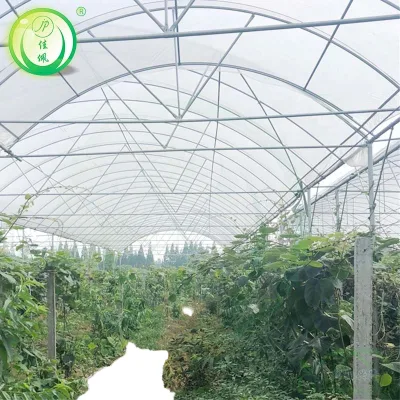
Comprehensive Sourcing Guide
Strategic Sourcing Guide for Hot Galvanized Steel Venlo Greenhouses
The global demand for controlled environment agriculture has elevated the Hot Galvanized Steel Venlo Greenhouse to a cornerstone of commercial horticulture. These structures, characterized by their multi-span design and high light transmittance, offer a robust solution for large-scale planting, scientific research, and exhibition purposes. For procurement professionals, navigating the market requires a disciplined approach to verifying technical specifications, understanding cost drivers, and ensuring long-term structural integrity. This guide synthesizes observed market data and technical attributes to provide a comprehensive framework for sourcing these critical agricultural assets.
Technical Architecture and Material Specifications
The defining characteristic of a Venlo greenhouse is its structural framework, which is predominantly constructed from hot-dip galvanized steel. This material choice is not merely aesthetic but functional, providing superior resistance to corrosion in humid agricultural environments. The observed market data indicates that the skeleton material is consistently described as "Hot Galvanized Steel Frame" or "Hot DIP Galvanized Steel," ensuring a protective zinc coating that extends the lifespan of the structure. Buyers should verify that the galvanization process meets specific thickness requirements, as the "Hot DIP" designation implies a robust immersion process rather than a simple electro-galvanization.
The glazing system is equally critical, with the majority of units utilizing glass as the primary cover material. The data highlights a preference for "Tempered Float Single" or "Hollow Glass," with specific thicknesses observed ranging from 5mm to 10mm. The choice between single and hollow glass often depends on the thermal requirements of the specific application. Single glass offers maximum light transmittance, often cited as exceeding 80% or even 90%, which is vital for photosynthesis in vegetable production and scientific research. Conversely, hollow glass provides enhanced insulation properties, making it suitable for regions with extreme temperature fluctuations. The glass color is typically clear to maximize solar gain, though buyers must confirm the specific optical properties of the selected pane.
Structural dimensions vary significantly based on the intended span and column spacing. Observed specifications include column spaces of 4 meters and 8 meters, with standard multi-span configurations often utilizing module widths of 6 meters, 8 meters, or 12 meters. The roof shape is generally described as a "Shaped Roof," a design feature that facilitates efficient rainwater runoff and snow shedding. The structure is designed for outdoor deployment and can support various cultivation methods, including column-based systems. The durability of the frame is a key selling point, with some manufacturers claiming a service life of up to 30 years for the greenhouse columns, provided that the galvanized coating remains intact.
System Integration and Operational Capabilities
A modern Venlo greenhouse is rarely a passive structure; it is an integrated ecosystem of mechanical and control systems. The observed product attributes list a comprehensive suite of optional and standard systems, including ventilation, shading, heating, control, and irrigation. These systems are essential for maintaining optimal growing conditions regardless of external weather patterns. The heating method is frequently specified as "Continuous Heating," which suggests a design capable of maintaining a steady thermal baseline rather than intermittent warming.
Ventilation is typically achieved through roof vents and side windows, which are automated to regulate temperature and humidity. Shading systems are often installed to prevent light saturation during peak summer months, protecting sensitive crops from photoinhibition. The control systems serve as the brain of the operation, integrating data from various sensors to automate the ventilation, heating, and irrigation cycles. For commercial operations, the inclusion of an irrigation system is standard, allowing for precise water and nutrient delivery. Buyers should verify the compatibility of these subsystems with the specific crop requirements, whether for vegetables, flowers, or scientific specimens.
The application scope for these greenhouses is broad, covering planting, exhibition, and scientific research. The "Department" classification often falls under "Glass Greenhouse," indicating a specialized facility designed for high-value agriculture. The suitability for vegetables is explicitly noted, but the high light transmittance and controlled environment also make these structures ideal for ornamental plants and experimental botanical studies. The ability to customize the internal layout and system integration is a significant advantage, allowing buyers to tailor the facility to their specific production goals.
Cost Drivers and Procurement Parameters
Understanding the cost structure of a Hot Galvanized Steel Venlo Greenhouse is essential for budgeting and financial planning. The observed price range in the market spans from approximately 8 to 80.02 USD, though this variance likely reflects differences in unit of measure, such as price per square meter versus price per structural component, or the inclusion of various system packages. The Minimum Order Quantity (MOQ) typically ranges from 100 to 1000 units, suggesting that these projects are generally large-scale commercial endeavors rather than small residential installations.
Lead times are a critical factor in procurement planning. Data indicates a delivery window of approximately 20 days after the receipt of a deposit, though this can vary based on the complexity of the order and the specific manufacturer's production schedule. Buyers must account for this lead time when scheduling project timelines, especially if the greenhouse is part of a larger agricultural development. The origin of the products is predominantly China, with specific manufacturing hubs noted in Shouguang, Qingzhou, and other locations in Shandong Province. This geographic concentration offers a competitive advantage in terms of supply chain efficiency but requires careful due diligence regarding logistics and import regulations.
Packing standards are also a consideration for international shipping. Products are typically packed in "Seaworthy" containers, with options for "Nude" or "Carton" packing depending on the component. For large structural elements, seaworthy packing is essential to prevent damage during transit. The customization options available allow buyers to tailor the packing to their specific logistical needs, ensuring that fragile components like glass are protected during the journey from the factory to the site.
Supplier Evaluation and Verification Protocols
When evaluating potential suppliers for hot galvanized steel Venlo greenhouses, buyers must look beyond basic product descriptions. The presence of specific model numbers, such as ZN-1331, G2, G32, G61, G59, and Sinok, indicates a standardized product line, but the underlying engineering quality can vary. Buyers should verify the manufacturer's identity, with "Xinhe Greenhouse" appearing as a notable entity in the observed data, though this should not be interpreted as an exclusive endorsement. Instead, it serves as a reference point for the type of documentation and product codes to expect.
A critical aspect of supplier evaluation is the verification of the "Hot DIP Galvanized" claim. Buyers should request third-party test reports or certification documents that confirm the zinc coating thickness and adhesion properties. The standard for the structure is often listed as "multi span" or "Standard," but these terms are generic. Procurement teams must define the specific engineering standards required for their project, such as wind load, snow load, and seismic resistance, and ensure the supplier can meet these criteria.
Service capabilities are another key differentiator. Many suppliers offer "Engineers Are Available to Service Overseas," which is a valuable asset for international buyers who may lack local technical expertise. This service can include on-site installation supervision, system commissioning, and training for local staff. Buyers should clarify the scope of this service, including travel costs, duration, and the specific qualifications of the engineers. Additionally, the availability of customization is a strong indicator of a supplier's flexibility and ability to meet unique project requirements.
Quality Control and Long-Term Procurement Considerations
Quality control in the manufacturing of Venlo greenhouses must be rigorous, given the long-term investment involved. The structural integrity of the hot galvanized steel frame is paramount, and any defects in the welding or galvanization process can lead to premature failure. Buyers should implement a quality assurance plan that includes pre-shipment inspections, focusing on the dimensional accuracy of the frame, the quality of the glass glazing, and the functionality of the integrated systems. The "Seaworthy" packing standard is a baseline requirement, but additional protective measures may be necessary for delicate components.
Long-term procurement considerations extend beyond the initial purchase price. The durability of the structure, with claims of a 30-year lifespan for columns, suggests a high return on investment if maintained correctly. However, this lifespan is contingent on regular maintenance of the galvanization and the mechanical systems. Buyers should plan for the replacement of consumable parts, such as seals, gaskets, and control system components, which may have shorter lifespans than the structural frame.
The environmental impact and energy efficiency of the greenhouse are also becoming increasingly important. The high light transmittance of the glass reduces the need for artificial lighting, while the shading and ventilation systems help regulate temperature naturally. Buyers should evaluate the energy consumption of the heating and cooling systems to ensure they align with sustainability goals. Furthermore, the flexibility of the design allows for future expansion or modification, making it a scalable solution for growing agricultural operations.
Comparative Analysis of Structural and System Options
To assist in decision-making, the following table summarizes key variations observed in the market for hot galvanized steel Venlo greenhouses. This comparison highlights the trade-offs between different configurations and helps buyers align their procurement choices with specific project needs.
| Feature | Option A: Single Span / Basic | Option B: Multi Span / Advanced |
|---|---|---|
| Structure | Hot Galvanized Steel Frame | Hot DIP Galvanized Steel Frame |
| Span Configuration | Single Span (Variable) | Multi Span (6m, 8m, 12m modules) |
| Column Space | 4m or 8m | 4m, 8m, or Custom |
| Cover Material | Tempered Float Single Glass | Hollow Glass or Tempered Float |
| Glass Thickness | 5mm / 8mm | 5mm / 8mm / 10mm |
| Light Transmittance | >80% | >90% |
| Systems Included | Ventilation, Basic Irrigation | Ventilation, Shading, Heating, Control, Irrigation |
| Application | Production Greenhouse | Commercial, Scientific Research, Exhibition |
| Origin | China (Various) | China (Shouguang, Qingzhou) |
| Service | Standard | Overseas Engineer Support Available |
This comparison illustrates that while basic configurations focus on core structural integrity and light transmission, advanced options offer a comprehensive suite of environmental controls. The choice between these options depends on the specific crop requirements, the local climate, and the budget constraints of the project. Buyers must carefully assess whether the additional cost of advanced systems yields a proportional increase in yield or operational efficiency.
In conclusion, sourcing a Hot Galvanized Steel Venlo Greenhouse requires a meticulous approach to technical verification, supplier evaluation, and long-term planning. By focusing on the quality of the galvanization, the specifications of the glazing, and the integration of essential systems, buyers can secure a durable and efficient agricultural facility. The market offers a wide range of options, from basic production units to complex research facilities, allowing for tailored solutions that meet diverse agricultural needs.
FAQs
What is the light transmittance rate for this greenhouse?
The light transmittance rate exceeds 90 percent for most units. Some configurations specify a rate above 80 percent depending on whether single or hollow glass is selected for the cover material.
Can the greenhouse frame be customized for specific needs?
Yes, customization is available for this product line. Buyers can request specific structural adjustments or system integrations like ventilation and irrigation to match their commercial or research requirements.
What is the typical lead time for delivery after deposit?
Delivery occurs approximately 20 days after receiving the deposit. This timeline applies to standard orders and may vary slightly based on the specific model and packing requirements selected by the buyer.
Which glass thickness options are available for the cover?
Glass thickness options include 5mm, 8mm, and 10mm variants. These specifications apply to tempered float single or hollow glass types used in the construction of the greenhouse structure.
What is the minimum order quantity for purchasing this unit?
The minimum order quantity ranges from 100 to 1000 units. This range reflects the commercial scale of the product, which is designed for large-scale planting, exhibition, or scientific research applications.
How is the steel frame protected against corrosion?
The frame is constructed from hot-dip galvanized steel to ensure superior corrosion resistance. This material choice provides a durable skeleton suitable for outdoor commercial greenhouse environments over long periods.
Are engineers available to assist with overseas installation?
Engineers are available to provide service overseas for these greenhouses. This support helps ensure proper installation and system commissioning for buyers located outside the manufacturing origin in China.