Find industrial colorless p-nitroacetophenone for synthesis research
Source 30 listings of industrial colorless p-nitroacetophenone with varying specifications. Buyers can compare purity, packing options, and supplier details for scientific research and organic synthesis applications.
Key considerations
Products List


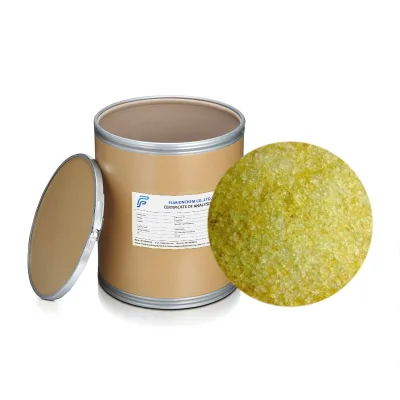
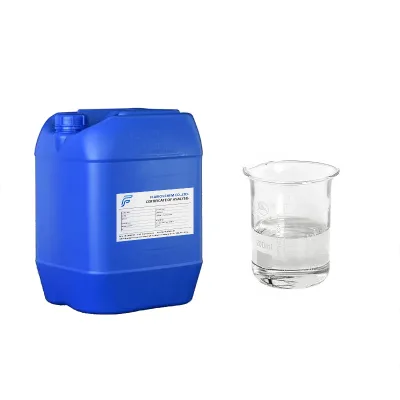


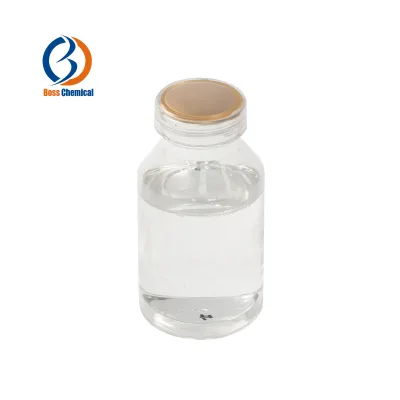


Comprehensive Sourcing Guide
Strategic Sourcing Guide for Industrial Colorless p-Nitroacetophenone
Procuring industrial-grade chemical intermediates requires a disciplined approach that balances technical precision with supply chain reliability. For buyers targeting p-nitroacetophenone, the market presents a complex landscape where product attributes, such as physical state and purity, can vary significantly between listings. The core keyword "industrial colorless p-nitroacetophenone" implies a specific set of expectations regarding the chemical's appearance and grade. However, a rigorous analysis of available market data reveals that while some listings describe the product as a colorless liquid, others identify it as a yellow powder or white powder. This discrepancy underscores the necessity for buyers to verify physical specifications against their specific process requirements before committing to a purchase order. This guide provides a structured framework for evaluating suppliers, understanding technical constraints, and ensuring compliance without relying on unverified marketing claims.
Technical Specifications and Physical State Verification
The primary challenge in sourcing p-nitroacetophenone lies in reconciling the observed variations in physical appearance and state. Market observations indicate that the product is frequently listed with a purity of 99%, which is a standard benchmark for industrial reagents. However, the physical description varies: some data points list the appearance as "colorless liquid" or "colorless," while others describe it as "yellow powder" or "white." These contradictions often stem from the inclusion of different chemical entities or CAS numbers within the same search results. For instance, one dataset identifies the product by the CAS number 100-19-6, while another lists 1009-14-9, which corresponds to Valerophenone, a distinct chemical with different properties.
Buyers must prioritize the verification of the Molecular Formula (MF) and CAS number to ensure they are acquiring the correct compound. The correct formula for p-nitroacetophenone is C8H7NO3. If a supplier lists a formula of C11H14O, they are offering a different substance entirely. Furthermore, thermal properties are critical for process integration. Literature values suggest a melting point in the range of 75-78 °C for the target compound. If a supplier lists a melting point of -9 °C or 4 °C, or a boiling point of 77-78 °C at 10 mm Hg, these values likely belong to a different chemical, such as Valerophenone or a solvent, and do not represent the target solid intermediate.
To mitigate risk, procurement teams should request a Certificate of Analysis (CoA) that explicitly confirms the melting point range of 75-78 °C and the physical state as a solid powder. The presence of a boiling point of 202 °C is also a relevant data point for thermal stability assessments, though this is typically applicable to the liquid phase under specific conditions. Relying on a single listing without cross-referencing these physical constants can lead to the acquisition of incorrect materials, causing production delays and safety hazards.
Compliance, Certification, and Regulatory Standards
Navigating the regulatory landscape for industrial chemicals requires a clear understanding of the standards applicable to the region of origin and the destination. The supplied data indicates that the Place of Origin is often listed as China, specifically Shandong, which is a major hub for chemical manufacturing. In this context, the "Grade Standard" is frequently cited as "Industrial Grade." This classification implies that the material is suitable for general industrial applications but may not meet the stringent purity requirements of pharmaceutical or food-grade standards unless explicitly certified otherwise.
Buyers must verify the EINECS (European Inventory of Existing Commercial Chemical Substances) number to ensure regulatory compliance for export to the European Union. The correct EINECS number for p-nitroacetophenone is 202-827-4. If a listing provides a different number, such as 213-767-3, it indicates a different chemical substance. Additionally, the classification of the product as "General Reagents" or "Synthesis Material Intermediates" provides insight into its intended use. Products labeled for "Scientific Research" may have different packaging and documentation requirements compared to those designated for large-scale "Organic Synthesis."
Certification status is a critical area where buyers must remain vigilant. While some listings mention "Industrial" quality, specific certifications such as ISO 9001 or REACH compliance are not explicitly confirmed in the provided data. Buyers should not assume a supplier holds these certifications based on the product description alone. Instead, the procurement process must include a direct request for current certification documents. The absence of a specific certification standard in the product listing should be treated as a gap that requires verification before finalizing the contract.
Cost Drivers and Pricing Dynamics
The pricing of industrial p-nitroacetophenone is influenced by several factors, including purity levels, packaging requirements, and the scale of the order. The observed price range in the market spans from $0.10 to $1,600.00 USD. This wide variance is not necessarily indicative of the unit price per kilogram but rather reflects the difference between single-item samples and bulk drum orders. The Minimum Order Quantity (MOQ) also plays a significant role in cost determination, with observed ranges from 1 unit to 200 units.
For large-scale industrial procurement, the cost per unit typically decreases as the order volume increases. However, buyers must be cautious of listings that appear unusually low without clear context regarding the packaging size. Standard packaging for this chemical often involves drums, with a standard capacity of 200KG. Some suppliers offer flexible packaging options, such as 1kg bags or 25kg drums, which can impact the final cost due to handling and logistics expenses. The "Selling Units" field often indicates "Single item," which suggests that the listed price may be for a sample or a small quantity rather than a bulk shipment.
When evaluating cost drivers, buyers should consider the total landed cost, which includes the base price, packaging fees, and shipping. Suppliers offering "tailored package on request" may charge a premium for customizing the packaging to specific logistical needs. Conversely, standard drum packaging is generally more cost-effective for bulk transport. It is essential to clarify whether the quoted price includes the cost of the drum or if it is a separate line item. Misunderstanding these cost components can lead to budget overruns and unexpected expenses upon delivery.
Typical Applications and Usage Scenarios
Understanding the intended application of p-nitroacetophenone is crucial for selecting the appropriate grade and purity. The product is primarily classified as a "Synthesis Material Intermediate" and is used for "Organic Synthesis" and "Scientific Research." In these contexts, the chemical serves as a building block for the production of dyes, pharmaceuticals, and other complex organic molecules. The high purity of 99% is generally required for these applications to ensure the efficiency of subsequent reactions and the quality of the final product.
The classification as "General Reagents" suggests that the material is suitable for laboratory-scale experiments and pilot plant operations. However, for large-scale industrial manufacturing, the "Industrial Grade" designation is more relevant. Buyers must ensure that the supplier's quality control processes align with the specific demands of their application. For instance, if the p-nitroacetophenone is to be used in a sensitive pharmaceutical synthesis, even minor impurities could affect the yield or safety of the final drug product. Therefore, verifying the specific usage claims of the supplier is essential.
Additionally, the physical state of the product can influence its application. If the target process requires a liquid intermediate, a supplier offering a powder form would necessitate additional processing steps, such as melting or dissolution, which could introduce variability. Conversely, if the process involves solid-state reactions, a powder form is preferred. Buyers should align their application requirements with the physical specifications provided by the supplier to avoid operational inefficiencies.
Supplier Evaluation and Quality Control Protocols
Evaluating suppliers for p-nitroacetophenone requires a multi-faceted approach that goes beyond simple price comparison. The first step is to verify the supplier's ability to provide accurate and consistent product specifications. Given the discrepancies in the market data regarding appearance and melting points, suppliers must be able to provide definitive documentation that matches the buyer's requirements. This includes a detailed CoA that confirms the CAS number (100-19-6), the molecular formula (C8H7NO3), and the melting point (75-78 °C).
Quality control protocols should be a central part of the supplier evaluation. Buyers should inquire about the supplier's internal testing procedures and whether they adhere to any specific quality management systems. While the supplied data mentions "Industrial" quality, it does not specify the testing methods used. Buyers should request information on the analytical techniques employed, such as High-Performance Liquid Chromatography (HPLC) or Gas Chromatography (GC), to verify the 99% purity claim. Additionally, the supplier's ability to provide batch-to-batch consistency is critical for maintaining production stability.
Another key factor in supplier evaluation is the flexibility of their packaging and shipping options. The observed data shows a variety of packaging types, including drums, bags, and custom requests. A reliable supplier should be able to accommodate the buyer's logistical needs, whether that involves 25kg drums for smaller shipments or 200kg drums for bulk orders. The "Place of Origin" being Shandong, China, is a common source, but buyers should verify the specific facility's reputation and capacity to ensure they are dealing with a legitimate manufacturer or distributor.
Long-Term Procurement Considerations and Risk Management
Establishing a long-term procurement relationship for p-nitroacetophenone requires careful risk management and strategic planning. One of the primary risks is the potential for supply chain disruptions, which can be exacerbated by geopolitical factors or regulatory changes in the country of origin. Buyers should develop contingency plans that include identifying alternative suppliers or maintaining safety stock to mitigate the impact of delays. The lead time, while not explicitly detailed in the provided data, is a critical factor that should be negotiated and confirmed in the contract.
Sustainability and environmental compliance are also becoming increasingly important in chemical procurement. Buyers should assess the supplier's commitment to environmental standards and their ability to manage waste and emissions effectively. Although the supplied data does not explicitly mention environmental certifications, buyers should inquire about the supplier's practices regarding the production and disposal of chemical byproducts. This proactive approach can help ensure compliance with evolving international regulations and enhance the company's corporate social responsibility profile.
Finally, the relationship between the buyer and the supplier should be built on transparency and clear communication. Regular audits and performance reviews can help maintain high standards of quality and service. By focusing on these long-term considerations, buyers can secure a reliable supply of industrial-grade p-nitroacetophenone that meets their technical and operational needs while minimizing risks associated with supply chain volatility.
Comparative Analysis of Product Attributes
To assist buyers in distinguishing between similar listings, the following table summarizes the key attributes observed in the market data. This comparison highlights the critical differences that must be verified to ensure the acquisition of the correct chemical.
| Attribute | Target Specification (p-Nitroacetophenone) | Common Discrepancy (Valerophenone/Other) | Verification Action |
|---|---|---|---|
| CAS Number | 100-19-6 | 1009-14-9 | Confirm CAS on CoA |
| Molecular Formula | C8H7NO3 | C11H14O | Check MF in documentation |
| Appearance | Solid (often White/Yellow Powder) | Colorless Liquid | Request physical sample |
| Melting Point | 75-78 °C | -9 °C, 4 °C, or 77-78 °C (Boiling) | Verify thermal data |
| Purity | 99% | Varies | Demand CoA with assay |
| EINECS No. | 202-827-4 | 213-767-3 | Cross-reference registry |
| Grade | Industrial Grade | Industrial Grade | Confirm intended use |
| Packaging | Drum (200KG), Bag | Drum, 1kg Bag | Confirm packaging specs |
This table serves as a quick reference for buyers to identify potential mismatches between their requirements and the product listings they encounter. By systematically checking these attributes, buyers can significantly reduce the risk of procuring incorrect materials.
In conclusion, sourcing industrial colorless p-nitroacetophenone demands a meticulous approach to verifying technical specifications, regulatory compliance, and supplier reliability. By adhering to the guidelines outlined in this guide, buyers can navigate the complexities of the chemical market and secure high-quality materials that support their operational goals. The emphasis on data verification and risk management ensures that procurement decisions are based on facts rather than assumptions, leading to more successful and sustainable supply chain outcomes.
FAQs
What is the melting point of industrial colorless p-nitroacetophenone?
The melting point is 75-78 °C for the target compound. Some listings show different values like -9 °C or 4 °C, which likely refer to other chemicals such as Valerophenone, so verify the specific product data before purchasing.
Can I find industrial colorless p-nitroacetophenone in liquid form?
While some listings describe the product as a colorless liquid, the correct physical state for p-nitroacetophenone is typically a solid powder. Buyers must check the molecular formula and melting point to ensure they are not receiving a different substance.
Which packaging options are available for industrial colorless p-nitroacetophenone?
Standard packaging includes 200KG drums, 1kg bags, or 25kg drums. Some suppliers offer tailored packaging on request, but standard drum sizes are generally more cost-effective for bulk industrial shipments compared to smaller bag quantities.
How do I verify the purity of industrial colorless p-nitroacetophenone?
The product is frequently listed with a purity of 99%, which is standard for industrial reagents. Buyers should request a Certificate of Analysis to confirm this purity level and ensure the material meets specific process requirements.
What is the minimum order quantity for industrial colorless p-nitroacetophenone?
The observed minimum order quantity ranges from 1 unit to 200 units depending on the supplier. Small samples may be available as single items, while bulk orders typically require larger quantities to achieve better pricing per unit.
Can I source industrial colorless p-nitroacetophenone from China?
Yes, the place of origin is frequently listed as China, specifically Shandong. Buyers should verify the supplier's location and ensure they are dealing with legitimate manufacturers or distributors in this major chemical manufacturing hub.