Source Industrial Equipment Solenoid Control Valve for Flow, Temp, Safety
Find and compare 30 Industrial Equipment Solenoid Control Valve options for flow, temperature, and safety applications. Evaluate specifications like voltage, pressure ratings, and materials to select the right component for your machinery needs.
Key considerations
Products List


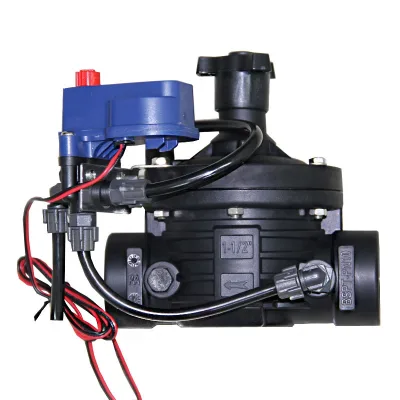


Industrial Semiconductor Valve for Gas and Oil Control - Semiconductor Valve
$65.00 - $69160.00
MOQ: 1 Pieces


High Temperature Resistant Control Valve for Multi-Power Industrial Equipment
$6.50 - $7.00
MOQ: 100 Pieces

Industrial Control Valve with Broad Temperature Endurance and Compact Outline
$6.50 - $7.00
MOQ: 100 Pieces


Customizable Stainless Steel Electric Control Valve for Industrial Use
$250.00 - $300.00
MOQ: 10 Pieces
Comprehensive Sourcing Guide
Industrial Equipment Solenoid Control Valve Sourcing Guide
Sourcing industrial equipment solenoid control valves requires a disciplined approach that balances technical precision with commercial reliability. These components serve as critical actuators in fluid and gas management systems, where rapid, automated response is necessary to maintain process integrity. Buyers must navigate a market characterized by diverse manufacturing origins, varying material compositions, and a wide spectrum of performance specifications. The following guide outlines the essential verification steps, technical considerations, and commercial safeguards required to secure high-quality solenoid valves for industrial applications.
The procurement process begins with a clear definition of operational requirements, including pressure ratings, media compatibility, and electrical standards. Observed market data indicates a significant variance in product attributes, ranging from non-customized standard components to specialized units with dual-voltage capabilities. Understanding these distinctions is vital for aligning supplier offerings with specific engineering needs. This guide provides a structured framework for evaluating listings, verifying technical claims, and establishing robust quality control measures to mitigate supply chain risks.
Product Scope and Observed Listing Signals
The current market landscape for solenoid valves exhibits a broad range of product classifications, from general-purpose industrial units to specialized components for specific machinery. Listings often highlight attributes such as "Non-Customized" status alongside "Available" customization options, indicating that suppliers may offer standard models that can be adapted to specific client needs. Buyers should carefully distinguish between off-the-shelf inventory and bespoke solutions, as this distinction directly impacts lead times, pricing structures, and minimum order quantities (MOQs). The observed MOQ range of 1 to 5,000 units suggests flexibility for both prototype testing and large-scale deployment, requiring buyers to align their order volume with supplier capabilities.
Geographic origin and brand attribution are prominent signals in product listings, with origins ranging from China and Poland to Europe. Specific brand names, such as "Shangair 09wm/Cwm," and model identifiers like "Solvent Valve" or "Washing machine" components, appear in various contexts, reflecting the diverse end-use applications of these valves. It is crucial to verify that the listed model numbers, such as "4721732260" or "CY-SMC-2604012Z," correspond to the actual technical specifications required for the intended application. Misalignment between model codes and functional requirements can lead to procurement errors, making it essential to cross-reference part numbers with engineering datasheets before finalizing orders.
Technical Specifications to Verify
Technical verification must focus on the valve’s structural design, material composition, and operational parameters. Key specifications include the valve structure, such as "Pilot Membrane Structure," and the actuation type, which is typically "Solenoid Actuated" with options for "Electric" actuators. The body material, often "Aluminum Alloy with NBR Seal," and the seal material, specified as "NBR (Oil-Resistant & Aging-Resistant)," are critical for ensuring durability and compatibility with the intended fluid media, such as "Compressed Air" or "Inert Gas." Buyers must confirm that these materials meet the chemical and physical demands of their specific industrial environment to prevent premature failure or leakage.
Operational parameters, including pressure, temperature, and electrical requirements, require precise alignment with system design. The rated pressure range of "0.15MPa - 0.8MPa" and the operating temperature range of "-10°C ~ 50°C" define the safe working envelope for many standard units. Electrical specifications, such as "DC24V / AC220V" dual-voltage availability, and connection types like "Threaded Connection (G1/8" / NPT1/8")," must be verified to ensure compatibility with existing control systems and piping infrastructure. Additionally, protection classes like "IP65" and response times of "≤ 0.5 Seconds" are vital for applications requiring rapid switching and environmental resilience.
Compliance and Safety Documentation
Compliance and safety documentation are non-negotiable elements of industrial procurement, ensuring that components meet international standards for quality and operational safety. Certifications such as "ISO9001" and "CE Certified" indicate adherence to recognized quality management systems and European safety directives, respectively. Buyers should request valid certification documents from suppliers to verify that the manufacturing processes and final products have undergone rigorous testing and evaluation. These certifications provide assurance that the valves meet baseline safety and quality requirements, reducing the risk of non-compliance in regulated industries.
Beyond formal certifications, buyers must verify that the valves are suitable for their specific application environment, including considerations for "Industrial Usage" and "Safety" functions. The reliability of the component, often described as "Original" or sourced from reputable manufacturers, is a key factor in maintaining system integrity. Documentation should also include detailed technical datasheets that outline the valve’s performance characteristics, such as "Flow Control," "Temperature Control," and "Safety" applications. Ensuring that all documentation is up-to-date and accurately reflects the product being supplied is essential for maintaining audit trails and regulatory compliance.
Cost Drivers and Commercial Terms
Cost drivers for solenoid valves are influenced by a combination of material costs, manufacturing complexity, and commercial terms. The observed price range of $1 to $69,160 USD reflects the vast diversity in product types, from simple manual or basic electric valves to complex, high-performance industrial units. Factors such as the valve’s orifice size, pressure rating, and material composition significantly impact the final cost. Buyers should analyze the cost structure in relation to the valve’s technical specifications and expected lifespan, rather than focusing solely on the initial purchase price.
Commercial terms, including packaging, warranty, and inspection services, also play a crucial role in the total cost of ownership. Products are typically packed in "Wooden Box" or "Export Standard Packing" to ensure safe transit, with single gross weights around 1.0 Kg for smaller units. A standard warranty of "1 Year" is commonly offered, providing protection against manufacturing defects. Additionally, services such as "Video Outgoing-Inspection" can offer buyers peace of mind by allowing them to verify the condition and quality of the products before shipment. Understanding these terms helps buyers negotiate better deals and manage post-purchase risks effectively.
Supplier Qualification and Quality Control
Supplier qualification is a critical step in ensuring the reliability and consistency of solenoid valve supplies. Buyers should assess suppliers based on their manufacturing capabilities, quality control processes, and track record in the industry. Suppliers originating from regions like "Ningbo" or "Poland" may have different strengths and specializations, so it is important to evaluate their specific expertise in producing the required valve types. Verification of the supplier’s ability to provide "Original" components and adhere to "Standard Component" or "Non-Standard Component" requirements is essential for maintaining product integrity.
Quality control measures should be integrated into the procurement process to minimize the risk of receiving defective or non-conforming products. Buyers should request detailed inspection reports, including test results for pressure, leakage, and electrical performance, to verify that the valves meet the specified technical parameters. The availability of "Video Outgoing-Inspection" services can provide an additional layer of verification, allowing buyers to visually inspect the products before they are shipped. Establishing clear quality expectations and communication channels with suppliers is vital for resolving any issues that may arise during the procurement process.
Long-Term Procurement Checks
Long-term procurement success depends on establishing robust relationships with suppliers and implementing continuous improvement strategies. Regular performance reviews of the solenoid valves in service can provide valuable feedback on their durability, reliability, and suitability for the intended application. Buyers should monitor key performance indicators, such as failure rates, maintenance frequency, and energy consumption, to assess the long-term value of the components. This data can inform future purchasing decisions and help identify opportunities for optimization or replacement with more efficient alternatives.
Supply chain resilience is another critical aspect of long-term procurement, requiring buyers to diversify their supplier base and maintain adequate inventory levels. Given the observed MOQ ranges and lead times, it is important to plan orders strategically to avoid production disruptions. Building strong relationships with multiple suppliers can provide flexibility in sourcing and help mitigate risks associated with supply chain disruptions. Regular communication with suppliers regarding market trends, technological advancements, and potential supply constraints can help buyers stay ahead of challenges and ensure a steady supply of high-quality solenoid valves.
FAQs
What is the warranty period for these valves?
The warranty period is 1 year for the listed products. This coverage applies to the Solenoid Valve models sourced from China and Poland, ensuring reliability for industrial usage applications.
Can I find valves with ISO9001 certification?
Yes, the products are ISO9001 and CE Certified. This certification confirms that the manufacturing processes meet international quality standards for the aluminum alloy body valves with NBR seals.
What is the operating temperature range?
The operating temperature range is -10°C to 50°C. This specification ensures the valves function correctly for ordinary temperature applications involving compressed air or inert gas media.
Which connection types are available for these valves?
Threaded connections such as G1/8 and NPT1/8 are available. These connection forms allow for versatile mounting styles including manifold or inline installation for various industrial flow control needs.
How fast is the switching response time?
The switching response time is less than or equal to 0.5 seconds. This rapid actuation supports safety and temperature control applications requiring quick flow adjustments in industrial settings.
What is the minimum order quantity for these items?
The minimum order quantity ranges from 1 to 5000 units depending on the specific product listing. Buyers can source single units or larger batches based on their project requirements.
Are customized options available for these valves?
Customization is available for the listed products. While some items are non-customized, the supplier offers options to tailor specifications like voltage or pressure ratings for specific industrial usage scenarios.