Find Industrial White Di-Tert-Butyl Dicarbonate for synthesis, food, and cosmetics
Source 30 verified listings for Industrial White Di-Tert-Butyl Dicarbonate. Buyers can compare specifications like purity, packaging, and origin from suppliers in China and Hebei to find suitable synthesis intermediates for food and cosmetic applications.
Key considerations
Products List






Comprehensive Sourcing Guide
Strategic Sourcing Guide for Industrial White Di-Tert-Butyl Dicarbonate
Procuring industrial-grade Di-Tert-Butyl Dicarbonate requires a disciplined approach that balances technical precision with rigorous supplier vetting. This chemical intermediate, often associated with specific CAS registry numbers and synthesis applications, is critical for manufacturers in the pharmaceutical and fine chemical sectors. The market landscape presents a variety of product forms, from oily liquids to white crystals, necessitating that buyers carefully align their technical requirements with the specific attributes offered by potential vendors. This guide outlines the essential factors for sourcing this material, focusing on verified specifications, compliance protocols, and supply chain stability without relying on unverified market claims.
Technical Specifications and Physical Attributes
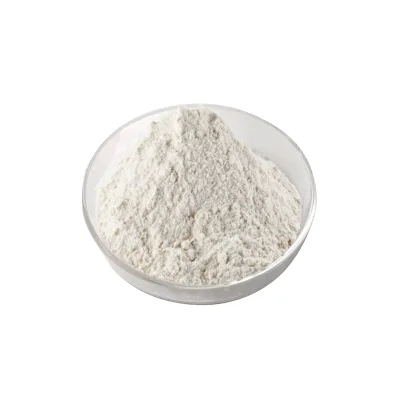
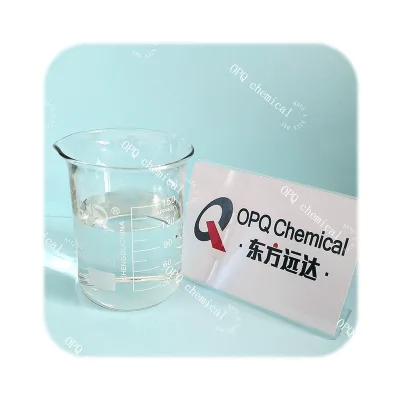
The first step in any sourcing strategy is defining the precise physical and chemical parameters required for the intended application. In the current market, Di-Tert-Butyl Dicarbonate is observed in multiple physical states, including oily liquids and white crystals. Buyers must verify which form aligns with their synthesis process. For instance, some listings describe the product as a light yellow liquid with a flash point of 71 and a viscosity of 250, while others specify a white crystalline form. The density of the crystalline variant is noted around 1.02, with a melting point ranging between 37-41 ℃.
Purity is a non-negotiable metric for industrial intermediates. The standard observed for high-quality stock is 99%, which serves as a baseline for acceptance in most synthesis applications. The molecular formula for the crystalline variant is C5h12n2o2, with a molecular weight of 132.16. Solubility characteristics are equally critical; the product is generally insoluble in water, a factor that influences storage and handling procedures. When evaluating product data sheets, buyers should look for the CAS Registry Number 870-46-2 or 24424-99-5, as these identifiers distinguish the specific isomer and purity grade required. The specific gravity at 25℃ is typically recorded at 1.25 for the liquid variants, while the calculated OH number is 0, indicating a lack of hydroxyl groups in the specific molecular structure being sourced.
Compliance, Certification, and Grade Standards
Navigating the regulatory landscape for industrial chemicals requires a clear understanding of grade standards and origin. The primary grade standard observed in the market is Industrial Grade, which dictates the acceptable level of impurities and the intended use cases. It is crucial to distinguish between materials intended for food and cosmetic applications versus those strictly for industrial synthesis. While some product listings mention applications in food and cosmetics, the core keyword specifies "industrial," suggesting that the primary focus should be on materials meeting industrial safety and quality thresholds.
Origin plays a significant role in compliance verification. The majority of available supply originates from Hebei, China, a region known for its chemical manufacturing capacity. Buyers must ensure that the supplier can provide documentation confirming the origin and adherence to local and international shipping regulations. The standard packaging often involves 200kg drums, though 25kg drums are also available for smaller batch requirements. Verification of the "Industrial" quality label is essential, as this confirms the material meets the necessary specifications for large-scale manufacturing without the elevated costs associated with pharmaceutical-grade certification unless explicitly required.
Cost Drivers and Pricing Dynamics
Understanding the cost structure of Di-Tert-Butyl Dicarbonate is vital for budgeting and negotiation. The price range in the market is broad, observed from as low as 0.5 USD to as high as 15,400 USD. This significant variance is not indicative of a single product but rather reflects differences in purity, packaging size, order volume, and the specific form of the chemical (liquid vs. crystal). The Minimum Order Quantity (MOQ) also heavily influences the unit cost, with observed ranges spanning from 1kg to 200kg.
Several factors drive the final landed cost. First, the packaging method—whether by sea, air, or carrier—adds a variable layer of expense. Air freight is significantly more expensive than sea transport, impacting the total cost for time-sensitive orders. Second, the purity level and the specific CAS number associated with the batch can alter the price. High-purity batches with verified molecular weights and specific gravity readings command a premium. Finally, the supplier's location and logistics capabilities affect the price. Suppliers in Hebei may offer competitive base prices, but the cost of international shipping and customs duties must be factored into the total procurement budget. Buyers should request detailed quotes that break down the product cost, packaging fees, and shipping charges to ensure accurate cost modeling.
Typical Applications and Synthesis Utility
The utility of Di-Tert-Butyl Dicarbonate extends across various sectors, primarily serving as a synthesis material intermediate. Its primary function is in the protection of amino groups during organic synthesis, a critical step in the production of complex molecules. The product is frequently utilized in the pharmaceutical industry for the synthesis of active pharmaceutical ingredients (APIs). Additionally, the material is noted for applications in the food and cosmetic sectors, although the industrial grade specification suggests a broader utility in general chemical manufacturing.
The versatility of the product is supported by its chemical stability and reactivity profile. The flash point of 71 indicates specific handling requirements during storage and transport to prevent ignition hazards. The insolubility in water makes it suitable for reactions in organic solvents, where it acts as a protecting group reagent. The shelf life of the product is typically workable within 24 months, provided it is stored under appropriate conditions. This timeline is a key consideration for inventory management, ensuring that materials are utilized before any potential degradation affects the synthesis yield. Buyers should verify the specific application requirements of their synthesis pathways to ensure the product's properties, such as the boiling point of 63-65 ℃ at 0.1 Mmhg, align with their process parameters.
Supplier Evaluation and Verification Protocols
Selecting the right supplier is a critical risk mitigation strategy. The market contains numerous entities claiming to be manufacturers, factories, or suppliers of Di-Tert-Butyl Dicarbonate. A robust evaluation process involves verifying the supplier's ability to provide consistent quality and reliable logistics. Buyers should look for suppliers who explicitly state their origin as Hebei, China, and who can demonstrate a track record of exporting to the target market.
When evaluating a potential partner, buyers must scrutinize the product attributes listed in their catalogs. Discrepancies in the CAS number, molecular formula, or physical appearance (e.g., claiming a white crystal when the standard is a light yellow liquid) can indicate a lack of technical accuracy. It is also essential to verify the payment terms, with Bank Transfer being a common method. Suppliers offering flexible payment terms or those who are transparent about their production capacity are generally more reliable. Furthermore, the availability of customization options is a strong indicator of a supplier's flexibility and commitment to meeting specific buyer needs. Buyers should request samples and test reports to validate the supplier's claims before committing to a large order.
Quality Control and Long-Term Procurement Considerations
Implementing a rigorous quality control (QC) framework is essential for maintaining the integrity of the supply chain. Given the variability in product attributes, such as the difference between an oily liquid and a white crystal, buyers must establish clear acceptance criteria. Regular testing for purity, specifically targeting the 99% threshold, is necessary to ensure the material meets the required specifications. The shelf life of 24 months provides a window for testing and usage, but buyers should implement a first-in, first-out (FIO) inventory system to prevent the use of aged stock.
Long-term procurement considerations involve building a resilient supply chain that can withstand market fluctuations. This includes diversifying suppliers to mitigate the risk of disruption, although the concentration of production in Hebei, China, may limit options. Buyers should also consider the lead times associated with different shipping methods. Delivery options such as sea, air, and express services offer varying speeds and costs, and the choice should align with production schedules. Establishing a long-term contract with a verified supplier can help stabilize pricing and ensure consistent access to high-quality Di-Tert-Butyl Dicarbonate. Additionally, maintaining open communication regarding regulatory changes and market trends will help buyers adapt their sourcing strategies proactively.
Comparative Analysis of Product Variants
To facilitate decision-making, it is helpful to compare the different variants of Di-Tert-Butyl Dicarbonate available in the market. The following table summarizes the key differences based on observed attributes.
| Attribute | Variant A (Liquid) | Variant B (Crystal) |
|---|---|---|
| Appearance | Oily Liquid / Light Yellow Liquid | White Crystal |
| CAS Number | 24424-99-5 | 870-46-2 |
| Density | 1.25 (Specific Gravity at 25℃) | 1.02 |
| Melting Point | N/A | 37-41 ℃ |
| Boiling Point | N/A | 63-65 ℃ (0.1 Mmhg) |
| Molecular Formula | N/A | C5h12n2o2 |
| Molecular Weight | N/A | 132.16 |
| Packaging | 200kg Drum | 25kg Drum / 200kg Plastic Drum |
| Solubility | Insoluble in Water | Insoluble in Water |
| Flash Point | 71 | N/A |
| Viscosity | 250 | N/A |
This comparison highlights the importance of specifying the exact variant required. The liquid form is characterized by its viscosity and flash point, making it suitable for specific reaction conditions, while the crystalline form offers distinct thermal properties defined by its melting and boiling points. Buyers must ensure that the selected variant matches the technical requirements of their synthesis process to avoid operational inefficiencies.
In conclusion, sourcing industrial white Di-Tert-Butyl Dicarbonate demands a thorough understanding of the product's diverse physical forms, strict adherence to quality standards, and a strategic approach to supplier selection. By focusing on verified attributes such as purity, CAS numbers, and origin, buyers can navigate the complex market landscape effectively. The broad price range and varied packaging options require careful budgeting and logistics planning. Ultimately, a disciplined procurement strategy that prioritizes quality control and long-term supplier relationships will ensure a steady supply of this essential chemical intermediate for industrial applications.
FAQs
What is the purity level of Industrial White Di-Tert-Butyl Dicarbonate?
The standard purity level is 99%. This grade is suitable for industrial synthesis applications and meets the baseline requirements for most chemical manufacturing processes.
How is the product packaged for shipment?
The product is typically packed in 200kg drums or 25kg plastic drums. Shipping methods include sea, air, or carrier transport depending on the buyer's logistics needs.
Can the product be customized for specific needs?
Yes, customization is available for this chemical intermediate. Buyers can request specific packaging or processing adjustments to align with their synthesis requirements.
What is the shelf life of the material?
The product is workable within 24 months. Proper storage is required to maintain stability and ensure the material remains effective for organic synthesis applications.
Which CAS numbers are associated with this product?
The relevant CAS numbers are 24424-99-5 and 870-46-2. These identifiers distinguish the specific isomers and forms, such as the oily liquid or white crystal variants.
What is the minimum order quantity for purchase?
The minimum order quantity starts at 1kg. This low entry point allows buyers to test the product before committing to larger bulk orders of up to 200kg.