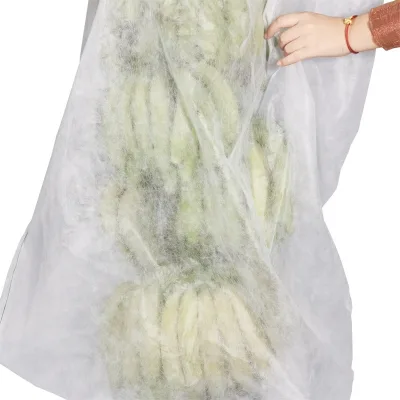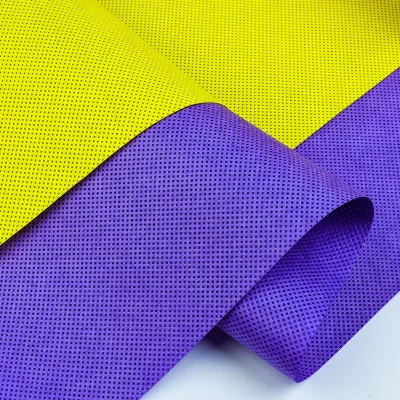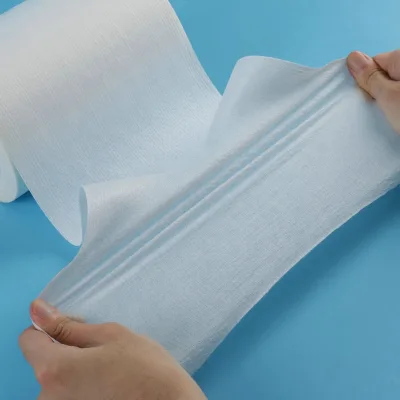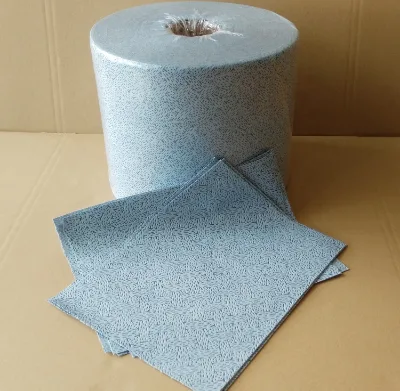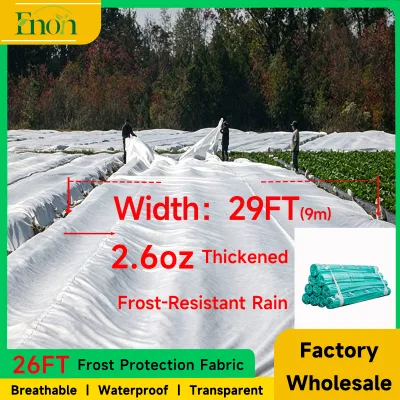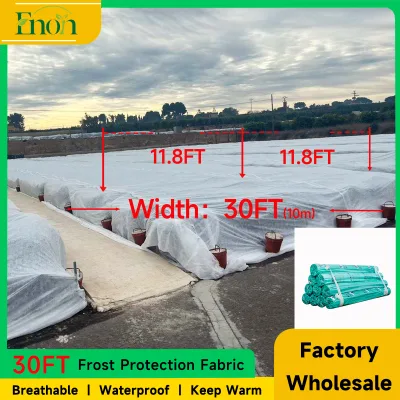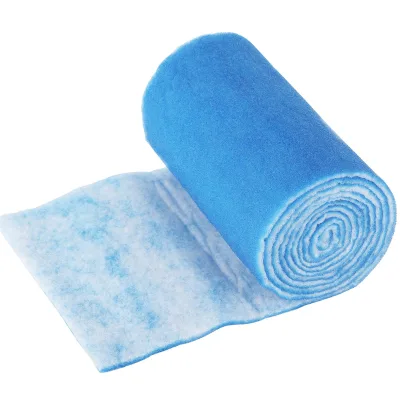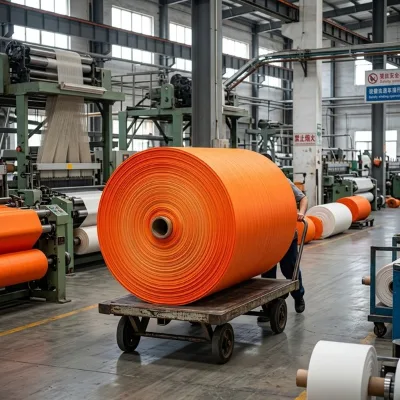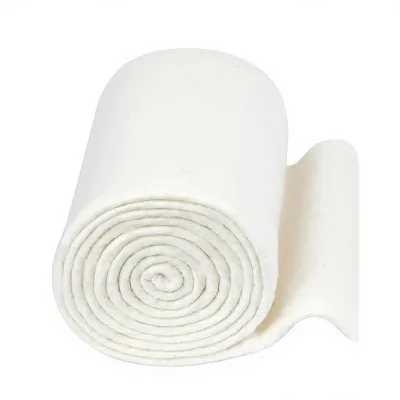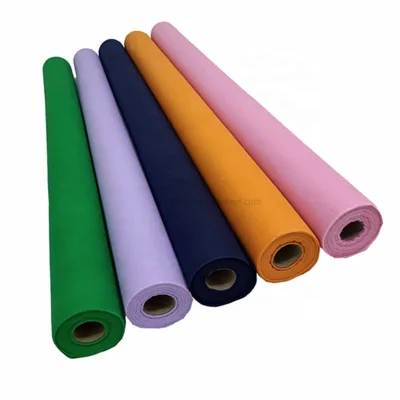
Click to enlarge
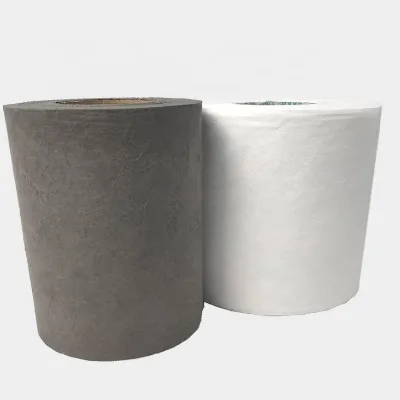
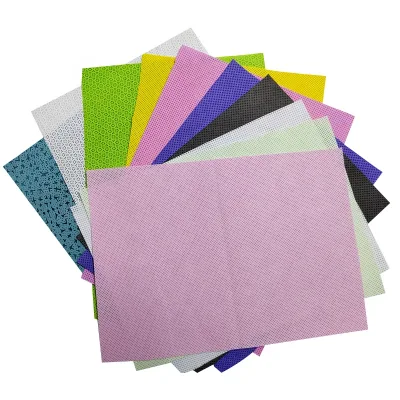
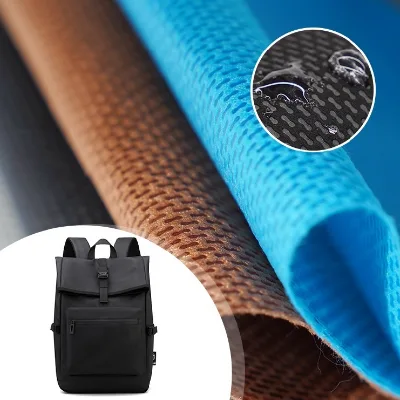
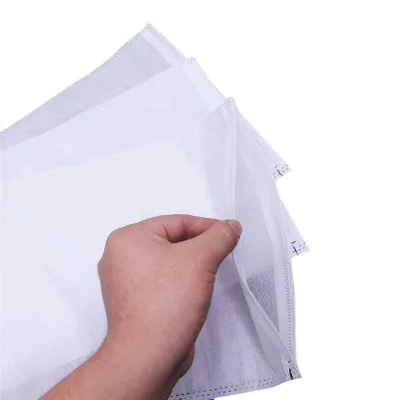
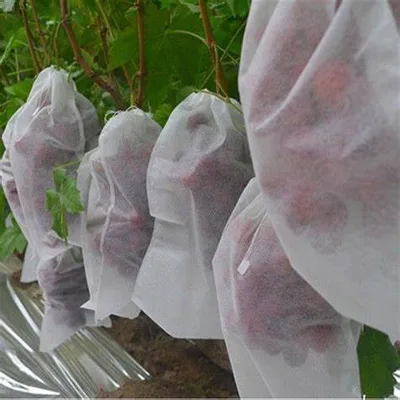
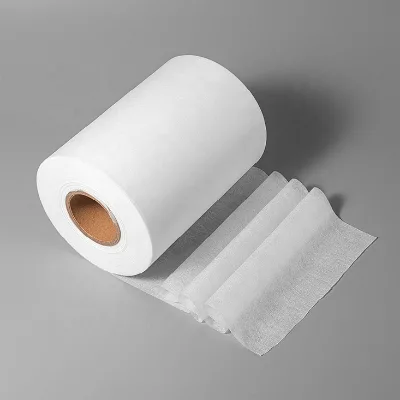
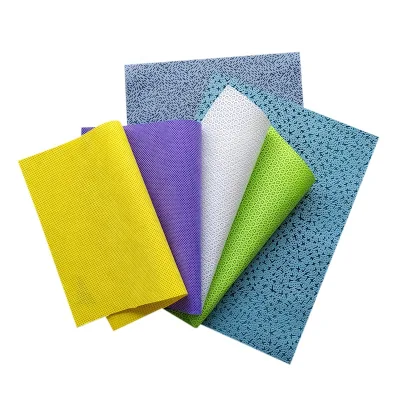
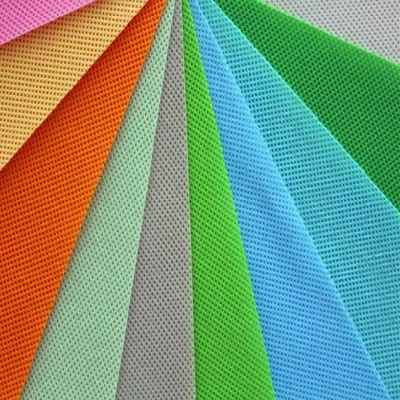
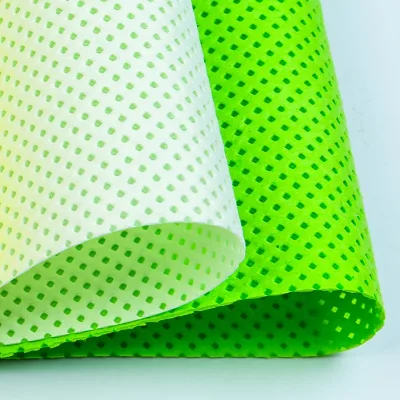
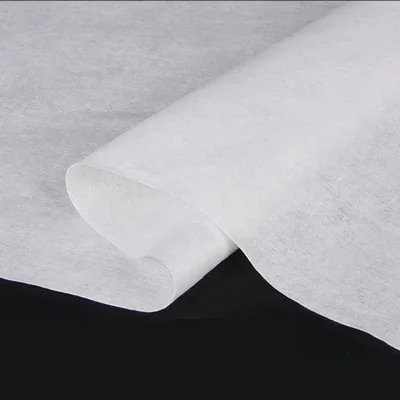
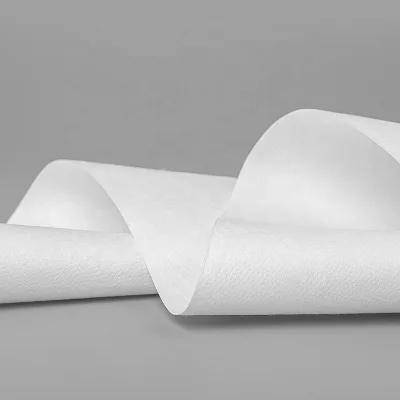
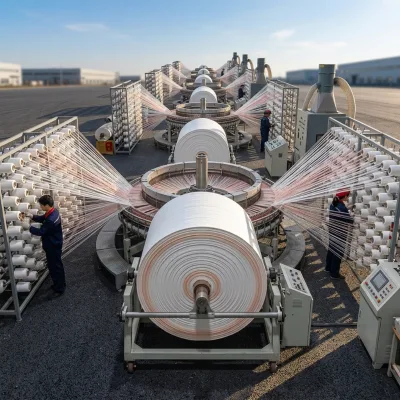
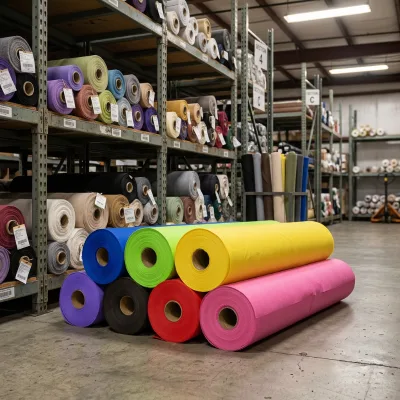
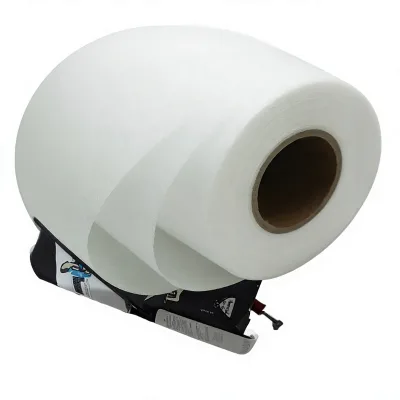
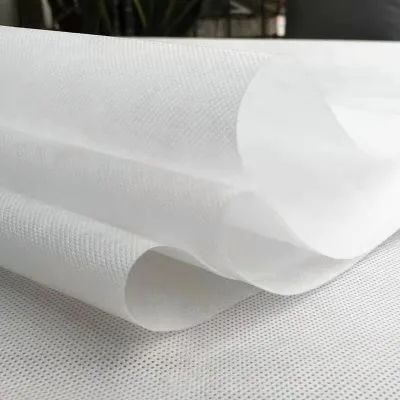
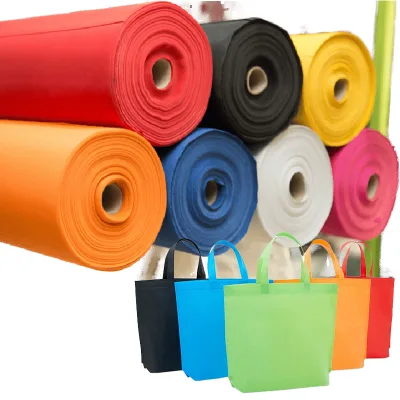
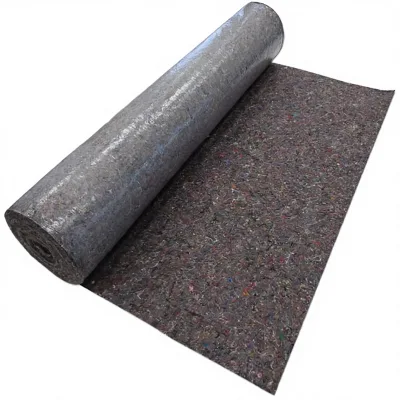
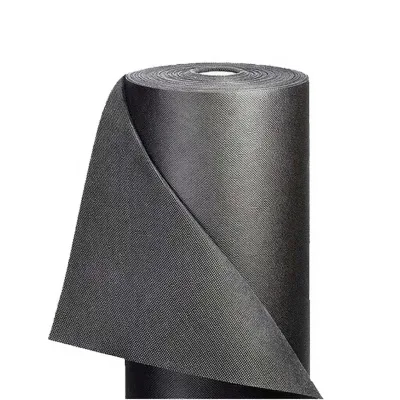
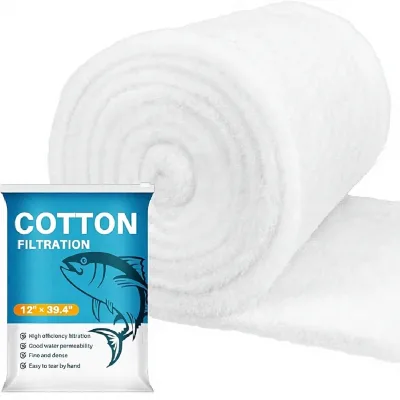
Spunlace Chemical Bonded Sisal Fiber Material Non Woven Fabric in Rolls for Bag Making in Saudi Arabia
Fujian, ChinaJinjiang Eco Nonwoven Co., Ltd.
US$1.00 - 1.35
Lead Time
| Quantity | 旺季 | 淡季 |
|---|---|---|
| 1 - 1000 | 16 days | 16 days |
| 1001 - 5500 | 8 days | 8 days |
| 5501 - 12000 | 8 days | 8 days |
| > 12000 | To be negotiated | To be negotiated |
Product profile
- Certification
- ISO9001:2008
- Use
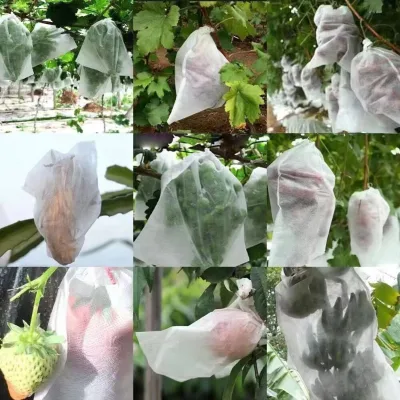
- Home Textile, Hospital, Agriculture, Hygiene, Industry, Mattress, Upholstery, Pillows, Home Textile-Mattress, Outdoor-Agriculture, Outdoor-Industry, Diapers
- Pattern
- Dyed
- Supply Type
- Make-To-Order
- Place of Origin
- Fujian, China
- Model Number
- ECO-TNT24031021
- Width
- 43/44"
- Size
- 2cm-3.2m
- Product name
- cellulose nonwoven fabric
- Material
- 100% Polypropylene
- Raw Material
- 100% Virgin Polypropylene
- Brand Name
- ECO NONWOVEN
- Technics
- Nonwoven
- Single package size
- 24X27X7 cm
- Gram weight
- 9g-180g
- Weight
- 15-100gsm
- Quality
- 100% Pp Pet Rpet Pla
- Thickness
- Heavyweight
- Sample
- Free
- Nonwoven Technics
- Spun-Bonded
- Keywords
- 80gsm bangladesh nonwoven fabric
- Applicable to the Crowd
- Women, Men, Girls, Boys, Infant/Baby
- Web
- www.econonwoven.com
- Single gross weight
- 0.500 kg
- Style
- Plain, Cross, Dot, Slub
- Feature
- Waterproof, Eco-Friendly, Breathable, Wind Proof, Anti-UV, Windproof
- Color
- Customized Color
- Selling Units
- Single item
- Type
- Filter Fabric
Company profile
Jinjiang Eco Nonwoven Co., Ltd.
晋江市宜可无纺布有限公司Fujian, China4-06A, Century Garden, Hongzhai Section, Quan 'an Road, Qingyang Street Quanzhou Fujian China- CertifiedTrade Assurance
- Business Type: Trading Company
- Established: 2020
- Employees: 11 - 50 People
- Annual Export Value: US$1 Million - US$2.5 Million
- Avg. Response Time: ≤ 1h
Main Products
- pp spunbond nonwoven fabric
- meltblown nonowoven fabric
- non woven fabric
- nonwoven bag
- nonwoven tablecloth
Main Markets
Domestic Market(80.0%), South America(18.0%), Southeast Asia(15.0%), North America(15.0%), Western Europe(12.0%), Mid East(10.0%), Eastern Europe(8.0%), Africa(2.0%)