Source Japan Original Used Excavator for Mining, Construction, and Landscaping
Find Japan Original Used Excavator options including Kumatsu PC200 and Caterpillar 330BL models. Compare 30 listings with varying bucket capacities, drive types, and engine specifications to suit mining, construction, and special applications.
Key considerations
Products List


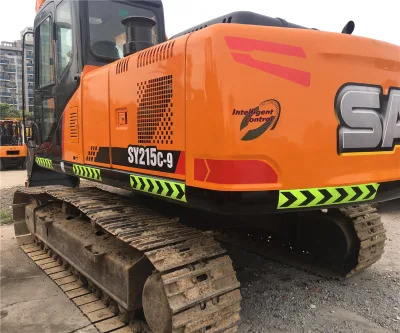
Japan Original Used Excavator Used Excavator Second Hand Excavator for Sale
$50000.00 - $55000.00
MOQ: 1 Pieces


Used for 320d2 Excavator Almost New Japan Original Hydraulic Excavator Cat320d
$13000.00 - $16000.00
MOQ: 1 sets


Original Japan PC220-8 Used Excavator with High Quality Second Hand Excavator
$4200.00 - $7800.00
MOQ: 1 Pieces

Premium Used Yellow Excavator Japan Imported Used Excavator Used Construction Machinery
$20500.00 - $22500.00
MOQ: 1 Pieces




Comprehensive Sourcing Guide
Strategic Sourcing Guide for Japan-Original Used Excavators
The global secondary market for heavy construction equipment presents a unique opportunity for buyers seeking high-performance machinery at reduced capital expenditure. Among the most sought-after categories are excavators originating from Japan, renowned for their durability, advanced hydraulic systems, and longevity in demanding environments. This guide provides a structured approach for procurement professionals evaluating "Japan original used excavators," focusing on the specific attributes, compliance requirements, and operational realities observed in current market listings. The analysis is grounded in verified product data, ensuring that every recommendation aligns with actual available inventory and established industry standards.
Understanding the Core Product Attributes and Specifications
When sourcing used excavators, the first step is to define the specific technical requirements that match the intended application. The current market inventory for Japanese-origin machines reveals a diverse range of models, primarily centered around the Kumatsu PC200 and Caterpillar 330BL series. These machines are not merely generic units; they possess distinct operational characteristics that dictate their suitability for various projects.
For instance, the Kumatsu PC200 is frequently listed with a medium-sized specification, utilizing hydraulic transmission and electric drive systems. This configuration suggests a balance between power efficiency and maneuverability, making it ideal for general construction tasks. In contrast, other listings highlight the Caterpillar 330BL, a larger unit with an operating weight of 33,700 kg. This machine is powered by a Caterpillar 3116 engine delivering 166 kW of net power, capable of a digging depth of 8.08 meters and a reach along the ground of 11.6 meters. The swing torque of 106 kNm further indicates its capacity for heavy-duty material handling.
Buyers must also consider bucket capacity, which varies significantly across the inventory. Listings show capacities ranging from 0.1 to 0.5 cubic meters for small-scale operations, 0.5 to 1.0 cubic meters for medium tasks, and up to 1.0 to 1.5 cubic meters for large-scale mining or earthmoving applications. The drive type is another critical differentiator; while some units feature electric drive, others rely on internal combustion drives, which are standard for heavy mining excavators. The color of these machines is consistently yellow, a standard industry identifier, but the physical dimensions and packing methods, such as bulk or container shipping, vary based on the specific model and destination port.
Compliance, Certification, and Regulatory Standards
Navigating the regulatory landscape is essential for importing used machinery. The market data indicates that compliance with international standards is a primary concern for sellers of these units. The most frequently cited certifications for these excavators include CE (Conformité Européenne) and ISO9001. These certifications are often explicitly linked to the "Condition: Used" status of the equipment, suggesting that the machinery has undergone specific quality assurance processes to meet these benchmarks before being listed for sale.
The CE marking is particularly significant for buyers targeting European markets, as it indicates that the product meets EU safety, health, and environmental protection requirements. Similarly, ISO9001 certification implies that the supplier or the refurbishment facility adheres to a recognized quality management system. However, buyers must exercise caution. While the presence of these certifications is a positive indicator, they should be verified against the specific unit's documentation. The standard "5600x2000x2000" mentioned in some listings appears to refer to dimensional constraints or packaging standards rather than a technical performance metric, and its relevance must be confirmed during the due diligence phase.
Furthermore, the origin of the machinery is a critical compliance factor. The "Place of Origin" is consistently listed as Japan, which often carries an implicit reputation for high manufacturing quality. However, the legal importation of used machinery into many countries requires proof of age, maintenance history, and adherence to local emission standards. Buyers should verify that the CE and ISO9001 certifications are current and applicable to the specific model year of the excavator, as regulations evolve over time.
Cost Drivers and Pricing Dynamics
The pricing of used excavators is influenced by a complex interplay of factors, including model age, operational hours, condition, and specific configuration. The observed price range for these units spans from $4,200 to $55,000 USD. This wide variance reflects the diversity in the inventory, from smaller, older models to larger, more powerful machines like the Caterpillar 330BL.
Several key drivers contribute to these price fluctuations. The operating weight and engine power are primary determinants; a machine with 166 kW of power and a 33-ton weight naturally commands a higher price than a smaller, lighter unit. The bucket capacity also plays a role, with larger buckets (1.0~1.5 m³) generally associated with higher-value listings suitable for mining or large-scale excavation. Additionally, the transmission type and drive system can affect value. Hydraulic transmission units, common in the Kumatsu PC200 series, are often priced differently than those with internal combustion drives used in mining applications.
The condition of the machine is perhaps the most significant variable. Listings explicitly state "Condition: Used," but the degree of wear and tear varies. Machines with lower operating hours, recent maintenance records, and intact hydraulic systems will fall toward the higher end of the price spectrum. Conversely, units requiring significant refurbishment or those with older engine models may be priced closer to the lower bound. Buyers should also consider the cost of logistics, as shipping methods such as "Bulk," "Container," or "Roro" (Roll-on/Roll-off) from ports like Shanghai can impact the total landed cost.
Typical Applications and Operational Use Cases
The versatility of Japanese used excavators allows them to serve a wide array of industries. The market data categorizes these machines into several usage types, each requiring specific performance characteristics.
| Application Type | Typical Model Examples | Key Specifications |
|---|---|---|
| General Construction | Kumatsu PC200 | Medium-Sized, Hydraulic Transmission, 0.5~1.0m³ Bucket |
| Mining Operations | Caterpillar 330BL | Large-Scale, Internal Combustion, 1.0~1.5m³ Bucket, 33,700kg Weight |
| Specialized Excavation | Kumatsu PC56 | Small-Scale, Electric Drive, 0.1~0.5m³ Bucket |
| Heavy Earthmoving | Various | High Swing Torque, Deep Digging Capability |
General construction projects often utilize the Kumatsu PC200, which offers a balance of power and agility. Its medium size and hydraulic transmission make it suitable for urban development, road construction, and utility work. For mining operations, the Caterpillar 330BL is the preferred choice due to its robust internal combustion drive, high operating weight, and deep digging capabilities. The 8.08-meter digging depth and 11.6-meter reach allow for efficient extraction in large-scale pits.
Specialized excavators, such as the PC56, are designed for smaller-scale tasks where maneuverability is paramount. These units, often featuring electric drives, are ideal for confined spaces or precision work. The "GM Excavator" designation in some listings suggests suitability for general mining or heavy-duty applications, while "Special Excavator" implies custom configurations for unique industrial needs. Understanding these distinctions helps buyers match the machinery to their specific project requirements, ensuring optimal return on investment.
Supplier Evaluation and Quality Control Protocols
Selecting a reliable supplier is critical when purchasing used heavy machinery. While the market data does not name specific suppliers, it provides insights into the attributes that characterize reputable vendors. A trustworthy supplier will provide transparent documentation regarding the machine's history, including maintenance logs, engine hours, and previous ownership. The explicit mention of certifications like CE and ISO9001 suggests that these suppliers adhere to quality management standards, but buyers must verify these claims independently.
Quality control should be a multi-step process. First, buyers should request detailed technical specifications, including the exact model number (e.g., PC200-8, 330BL), engine details, and hydraulic system status. Second, a visual inspection or third-party audit is essential to assess the physical condition of the bucket, tracks, and undercarriage. The "Bucket: Grab Shovel" or "Shovel" designation indicates the type of attachment, which should be inspected for wear and structural integrity.
Additionally, buyers should verify the packing and shipping arrangements. Listings mention "Bulk," "Container," or "Roro Shipping" from ports like Shanghai. A reliable supplier will have established logistics channels to ensure the machine arrives safely and in the condition described. The "Place of Origin: Japan" is a strong indicator of quality, but the final destination and shipping method must be coordinated to prevent damage during transit.
Long-Term Procurement and Lifecycle Management
Investing in used excavators is a strategic decision that extends beyond the initial purchase price. Long-term considerations include maintenance costs, parts availability, and the expected service life of the machine. Japanese brands like Kumatsu and Caterpillar are known for their extensive global parts networks, which facilitates easier maintenance and repair. However, the age of the machine must be factored into the lifecycle analysis.
Buyers should plan for a comprehensive maintenance schedule immediately after acquisition. This includes checking the hydraulic fluid, replacing filters, and inspecting the engine and transmission systems. The "Condition: Used" status implies that the machine has already undergone significant wear, so a thorough overhaul may be necessary to restore it to peak performance.
Furthermore, the resale value of the machine is an important factor. Japanese excavators generally retain their value well due to their reputation for reliability. By maintaining detailed records of all maintenance and repairs, buyers can maximize the asset's value when it is time to upgrade or sell. The specific model, such as the PC200 or 330BL, will influence resale potential, with popular models often commanding higher prices in the secondary market.
In conclusion, sourcing Japan-original used excavators requires a meticulous approach that balances technical specifications, compliance requirements, and cost considerations. By understanding the diverse range of models available, from the medium-sized Kumatsu PC200 to the heavy-duty Caterpillar 330BL, buyers can make informed decisions that align with their operational needs. Adhering to strict quality control protocols and planning for long-term maintenance ensures that these investments deliver value and reliability for years to come.
FAQs
What models of Japan original used excavators are available?
The available models include the Kumatsu PC200 and Caterpillar 330BL series. These units feature varying bucket capacities from 0.1 to 1.5 cubic meters and operate with either hydraulic or internal combustion drives depending on the specific application requirements.
Which certifications apply to these used excavators?
Many units carry CE and ISO9001 certifications linked to their used condition. These marks indicate compliance with international safety and quality management standards, though buyers should verify specific documentation for each machine before purchase.
How much does a Japan Original Used Excavator cost?
Prices range from 4200 to 55000 USD based on model and condition. Larger machines like the Caterpillar 330BL with higher operating weights and power typically command prices at the upper end of this observed market spectrum.
Can I find excavators with specific bucket capacities?
Yes, listings show capacities ranging from 0.1 to 0.5 cubic meters for small-scale work up to 1.0 to 1.5 cubic meters for mining. The appropriate size depends on whether the project requires general construction, specialized excavation, or heavy earthmoving.
Where are these excavators shipped from?
The place of origin is consistently listed as Japan with loading at Shanghai Port. Shipping methods include bulk, container, or Roro shipping, which affects logistics planning and final landed costs for international buyers.
What drive types are used in these machines?
Inventory includes both electric drive and internal combustion drive systems. Electric drives are often found in smaller specialized units, while internal combustion drives are standard for large-scale mining excavators requiring high torque and power.