Source Kitchen Apron for Kitchen, Salon, and Garden Tasks
Compare 30 Kitchen Apron options featuring waterproof, cotton, and polyester materials with customizable logos. Buyers can select from plain styles suitable for kitchen, salon, and garden applications with various pocket configurations.
Key considerations
Products List


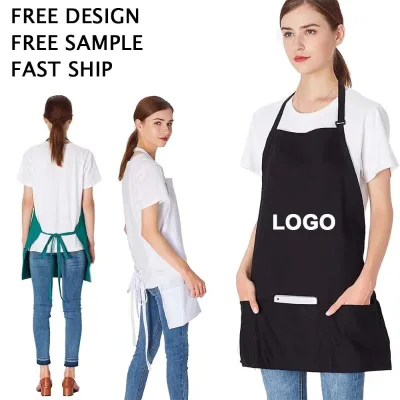


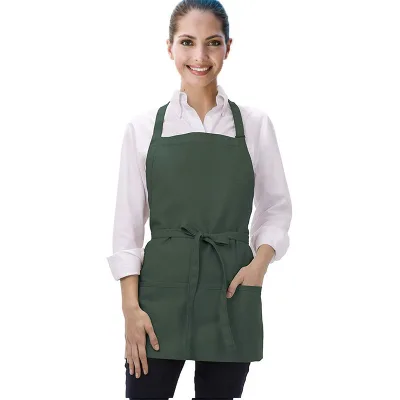

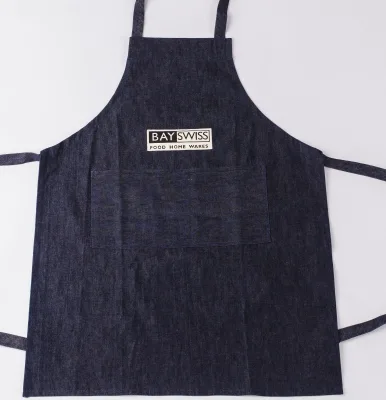


BBQ Chef Apron, Black Aprons, Kitchen Apron, Cooking Aprons Kitchenware
$3.20 - $5.66
MOQ: 1000 Pieces


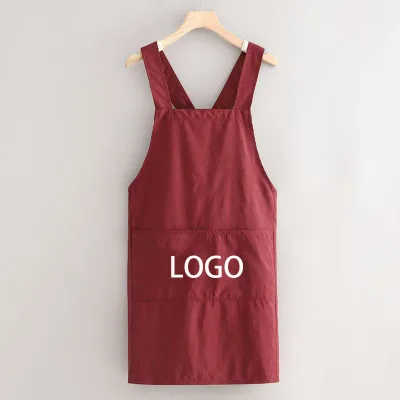
Comprehensive Sourcing Guide
Strategic Sourcing Guide for Industrial Kitchen Aprons
Understanding Product Variants and Core Specifications
The global market for kitchen aprons presents a diverse array of options tailored to specific operational needs, ranging from high-volume food service to specialized beauty and salon environments. When initiating a procurement strategy for kitchen aprons, buyers must first distinguish between the fundamental material compositions and structural designs available. Based on current market observations, the primary material categories include natural fibers like cotton and synthetic options such as polyester and polyester fiber. Cotton variants are often selected for their breathability and traditional feel, while polyester and polyester fiber options are frequently chosen for their durability, ease of cleaning, and resistance to staining.
The structural classification of these aprons is equally critical. The market offers distinct styles, including waist aprons, bib aprons, and sleeveless designs. The waist style typically covers the lower torso, offering freedom of movement for tasks like gardening or light kitchen prep. In contrast, bib aprons provide full upper-body coverage, which is essential for roles involving heavy splashing or liquid exposure, such as in professional kitchens or hair salons. Some listings indicate a "Simple" style, while others describe "Fashionable Make" designs, suggesting that aesthetic customization is a viable procurement avenue for branding purposes.
Functional attributes also vary significantly across suppliers. A primary requirement for many industrial buyers is water resistance. The observed product data confirms the availability of waterproof models, often described with specific functional keywords like "Waterfoor Apron" or "Anti-dirty." These features are not merely cosmetic but are critical for maintaining hygiene standards in wet environments. Additionally, the presence of pockets is a key specification, with observed ranges indicating options with 1-4 pockets or 5-14 pockets. This variation allows buyers to match the apron to the specific tool-carrying needs of their staff, whether for holding utensils, cleaning cloths, or mobile devices.
Technical Standards and Dimensional Requirements
When evaluating technical specifications, dimensional consistency is a primary concern for large-scale procurement. Standard sizing can vary, but specific market data points to a common standard dimension of 8570cm for certain models. However, buyers must remain vigilant as other listings may specify different measurements, such as a single package size of 25X20X1 cm or a product size of 26.326.3 inches. The discrepancy between finished product dimensions and packaging dimensions is a crucial logistical detail that impacts shipping costs and warehouse storage efficiency.
The manufacturing process also influences the final product quality. The weaving method is a technical parameter that should be verified; observed data indicates "Woven" construction, which generally implies a tighter, more durable fabric structure compared to non-woven alternatives. For buyers requiring specific performance characteristics, the classification of the product as "Sleeveless" or "Bib" directly correlates with the surface area protection offered. Furthermore, the weight of the product is a significant factor for shipping calculations. Observed single gross weights are recorded at 0.2 kg, which serves as a baseline for freight estimation, though heavier cotton variants may differ.
Buyers should also consider the "Latex-Free" attribute, which is a critical safety specification for environments with strict allergen controls. While not all products may explicitly state this, verifying the absence of latex is essential for compliance with health and safety regulations in food service and medical-adjacent settings. The classification of the product as "Non-Disposable" indicates a long-term asset that requires durability testing. This distinction separates industrial-grade aprons from single-use protective gear, necessitating a focus on washability and longevity in the selection process.
Compliance, Safety, and Certification Verification
In the B2B procurement of protective apparel, compliance with safety and hygiene standards is non-negotiable. While specific certification bodies are not universally mandated for all apron types, buyers must verify that products meet local regulatory requirements for food safety and occupational health. The observation of "Latex-Free" status is a direct compliance indicator for allergy management, but broader certifications regarding chemical safety or fire resistance may be required depending on the jurisdiction and the specific use case, such as industrial kitchens or beauty salons.
Buyers should request documentation regarding the "Standard" of the product. The provided data mentions a standard size of 85*70cm, but this refers to dimensions rather than a safety standard. Procurement teams must inquire about adherence to international textile safety standards, such as those governing flammability or chemical residues in fabrics. For products intended for use in "Kitchen, Safety & Protective, Advertising, Maternity Apron, Garden" contexts, the material composition must be verified to ensure it does not release harmful substances under heat or moisture.
Furthermore, the "Customized Logo" and "Customized Package Acceptable" attributes introduce a layer of compliance regarding branding and intellectual property. Suppliers must demonstrate the ability to apply logos without compromising the integrity of the fabric or the safety of the garment. Buyers should ensure that any customization process, such as screen printing or embroidery, uses inks and threads that are non-toxic and durable. The "Recyclable" feature observed in some listings is an emerging compliance metric for sustainability-focused organizations, though buyers should verify the specific recycling claims and the end-of-life disposal instructions provided by the manufacturer.
Cost Drivers and Pricing Dynamics
The pricing structure for kitchen aprons is influenced by a complex interplay of material costs, customization levels, and order volume. The observed listed price range in the market spans from $0.03 to $5.66 USD, a wide variance that reflects differences in material quality, design complexity, and order quantity. Lower price points typically correlate with basic polyester models or smaller order volumes, while higher prices may indicate premium cotton blends, extensive customization, or specialized waterproof treatments.
The Minimum Order Quantity (MOQ) is a significant cost driver. Market data shows an MOQ range of 50 to 10,000 pieces. A lower MOQ of 50 pieces allows for smaller buyers to test the market with minimal capital outlay, whereas an MOQ of 300 pieces or higher often unlocks better per-unit pricing. Buyers must calculate the total cost of ownership, which includes not just the unit price but also the impact of shipping, packaging, and potential inventory holding costs. The "Selling Units" being listed as "Single item" suggests flexibility in some listings, but bulk purchasing is generally required to achieve the most competitive rates.
Customization is another primary factor affecting cost. While "Customization" is listed as available, the extent of this service varies. Adding a customized logo, selecting specific colors like Grey, Black, Green, White, Blue, or Brown, and opting for custom packaging will inevitably increase the unit cost. Buyers should request detailed cost breakdowns to understand the premium associated with each customization option. Additionally, the "Brand Name" attribute, which can be customized or pre-existing (e.g., "greencotton"), may influence pricing if the buyer is licensing a specific brand or if the supplier is a well-known manufacturer.
Typical Applications and Usage Scenarios
The versatility of kitchen aprons allows them to serve a wide array of professional and personal applications. The observed usage categories include "Kitchen," "Safety & Protective," "Advertising," "Maternity Apron," and "Garden." This breadth of application requires buyers to select aprons that align with the specific environmental demands of their operation. In a professional kitchen, the primary focus is on hygiene and protection against hot liquids and food stains. Here, waterproof and non-disposable aprons made from durable polyester or cotton are ideal.
Beyond the kitchen, these products are increasingly utilized in beauty and personal care sectors. The data explicitly mentions usage in "hair salon," "nail salon," and "beauty salon." In these environments, aprons must protect clothing from hair dye, chemicals, and water while maintaining a professional aesthetic. The "Fashionable Make" style and the availability of various colors support this application, allowing salons to match aprons to their brand identity.
The "Advertising" usage category suggests that aprons can serve as mobile branding tools. Companies may distribute customized aprons to staff or customers to increase brand visibility. In this context, the "Customized Logo" feature becomes paramount. The "Occasion" attribute, listing "Work suit, Daily, Christmas," further indicates that aprons can be tailored for seasonal promotions or specific corporate events. For outdoor applications like gardening, the "Anti-dirty" and "Waterproof" functions are critical to protect against soil and moisture.
Supplier Evaluation and Quality Control Protocols
Selecting a reliable supplier is the cornerstone of a successful procurement strategy. The observed data indicates that products originate from various locations in China, including Shenzhen and Zhejiang. While these regions are known for textile manufacturing, buyers should not assume uniform quality across all suppliers. A robust supplier evaluation process should include a review of the supplier's production capabilities, specifically their ability to handle "Woven" fabrics and execute "Customized Logo" applications with precision.
Quality control (QC) protocols must be established before production begins. Buyers should verify the supplier's ability to maintain consistency in dimensions, such as the 8570cm standard or the 26.326.3in size. Sampling is a critical step; buyers should request pre-production samples to test for water resistance, color fastness, and the durability of the "Woven" structure. The "Single gross weight" of 0.2 kg can serve as a benchmark for checking material density and consistency across batches.
Communication regarding the "prod_packing" is also essential. Options include "Carton" or "Bag and Carton," and the choice affects the protection of goods during transit. Buyers should ensure that the packaging is robust enough to prevent damage, especially for orders with high MOQs. The "Package: Customized Package Acceptable" attribute offers an opportunity to optimize logistics, but it requires clear specifications to avoid confusion. Finally, verifying the "Brand Name" and ensuring that the supplier has the legal right to produce and sell under that name or a generic equivalent is necessary to avoid intellectual property disputes.
Long-Term Procurement and Sustainability Considerations
For long-term procurement, buyers must look beyond immediate specifications to consider the lifecycle of the product. The "Non-Disposable" nature of these aprons suggests a focus on durability and reusability. However, the "Recyclable" feature observed in some listings points to a growing trend toward sustainability. Buyers should investigate the end-of-life options for the aprons, ensuring that the materials used can be recycled or disposed of responsibly in compliance with local environmental regulations.
The "Customization" aspect also plays a role in long-term strategy. Brands that invest in customized aprons can build a cohesive identity across their workforce and marketing channels. However, this requires a stable supply chain that can consistently reproduce the customized elements over time. Buyers should establish long-term contracts with suppliers who demonstrate reliability in meeting "MOQ" requirements and maintaining quality standards.
Finally, the "Age" attribute, specified as "Adults," confirms that these products are designed for professional use rather than children's play or novelty items. This reinforces the need for high-quality materials and construction. As the market evolves, buyers should stay informed about new materials and technologies that may offer improved performance, such as enhanced waterproofing or antimicrobial treatments. By maintaining a strategic approach to sourcing, buyers can ensure a steady supply of high-quality kitchen aprons that meet their operational, safety, and branding needs.
FAQs
What materials are available for kitchen aprons?
Kitchen aprons are available in cotton and polyester fiber materials. Cotton offers breathability while polyester provides durability and stain resistance. Buyers should select the material based on specific hygiene and comfort requirements for their operational environment.
Which waterproof options exist for industrial use?
Waterproof models are available with anti-dirty functions suitable for wet environments. These aprons are designed to protect against liquids and stains in kitchens and salons. Ensure the selected product explicitly states waterproof capabilities for maximum protection.
Can I customize the logo on these aprons?
Yes, customized logos are available for branding purposes on these aprons. Suppliers accept custom designs for advertising and corporate identity. This customization allows businesses to maintain brand visibility while providing protective gear for their staff.
What are the standard dimensions for these aprons?
Standard dimensions for some models are 85 by 70 centimeters. Other listings may specify sizes like 26.3 by 26.3 inches. Buyers must verify the exact finished product size against their packaging and storage requirements before ordering.
How does the minimum order quantity affect pricing?
Minimum order quantities range from 50 to 10,000 pieces depending on the supplier. Lower MOQs allow for smaller initial orders while higher volumes often unlock better per-unit pricing. Buyers should calculate total costs including shipping to determine the best value.
Are these aprons suitable for beauty salons?
Yes, these aprons are suitable for use in hair, nail, and beauty salons. They offer protection against chemicals and water while maintaining a professional appearance. The sleeveless and bib styles provide adequate coverage for various salon tasks.