Source Kitchen Cupboard for Apartments, Hotels, and Villas
Compare 30 verified Kitchen Cupboard options featuring customizable designs, modern finishes, and durable materials like quartz stone and plywood. Buyers can evaluate specifications, certifications, and lead times for residential and commercial projects.
Key considerations
Products List


Modern Design Home Furniture Cabinets Modular Kitchen Cabinet Cupboard
$48.00 - $149.00
MOQ: 3 Square Meters


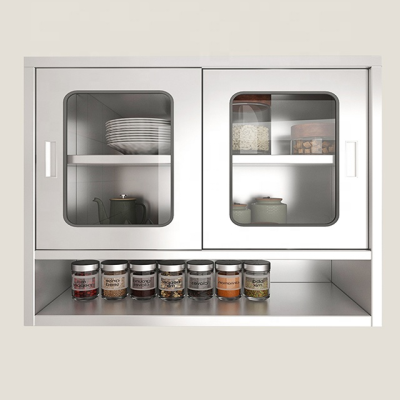

Kitchen Cabinets Price Kitchen Cupboards Cabinet Modern Designs Kitchen Cabinets
$1699.00 - $1999.00
MOQ: 1 sets


Kitchen Cabinet Designs Ready to Assemble Kitchen Cabinets Cheap Kitchen Cabinets
$1699.00 - $1999.00
MOQ: 1 sets


Comprehensive Sourcing Guide
Strategic Sourcing Guide for Kitchen Cupboard Procurement
The global market for kitchen cupboards presents a complex landscape where buyers must navigate diverse material compositions, varying certification standards, and flexible customization options. For procurement professionals, the core keyword "Kitchen Cupboard" encompasses a wide spectrum of products ranging from modular base units to fully integrated island systems. The following guide synthesizes observed market data to provide a disciplined approach to sourcing, ensuring that decisions are grounded in verified product attributes rather than unverified marketing claims. Understanding the specific interplay between material selection, hardware quality, and structural design is essential for securing supply chains that deliver value and longevity.
Technical Specifications and Material Composition
The foundation of any reliable Kitchen Cupboard procurement strategy lies in a rigorous analysis of technical specifications and material composition. Market observations indicate a significant divergence in the materials used for carcasses, doors, and countertops. For instance, the carcase material is frequently identified as particleboard, yet suppliers also offer options including plywood, MDF, solid wood, and OSB. This variability necessitates that buyers explicitly define their structural requirements before engaging with potential vendors. The door material presents a similar range of choices, with specific listings noting plywood, acrylic board, and various panel finishes such as melamine, PVC, lacquer, and wood veneer.
Furthermore, the countertop specification is a critical differentiator. While some product entries specify granite or quartz, others highlight quartz stone as the primary table material. Buyers must verify the exact composition to ensure it aligns with their project's durability and aesthetic needs. The door thickness is a precise specification often cited as 18mm, a standard that impacts the overall rigidity and weight of the unit. Additionally, the board grade is a crucial technical parameter, with options ranging from E0 to E1 and ENF, which relate to formaldehyde emissions. Procurement teams must demand documentation confirming the specific board grade to ensure compliance with indoor air quality regulations in the target market.
Compliance, Certification, and Regulatory Standards
Navigating the regulatory landscape is paramount when sourcing kitchen cupboards internationally. The supply chain data reveals that products often carry specific certifications, with CE and RoHS appearing as high-confidence attributes in the current market. The CE marking indicates conformity with health, safety, and environmental protection standards for products sold within the European Economic Area, while RoHS restricts the use of specific hazardous materials in electrical and electronic equipment, though its application here may relate to hardware or surface treatments.
Buyers must treat these certifications as observations of specific product lines rather than universal guarantees for all listed items. It is imperative to verify that the specific batch or model intended for purchase holds valid certification status. The product standard is frequently described as "customized" or "fully customized," which implies that the manufacturing process is tailored to the buyer's specifications rather than adhering to a rigid, pre-existing industrial standard. Consequently, the verification of compliance should focus on the specific production batch and the supplier's ability to provide valid test reports or certificates of origin that match the ordered model numbers, such as PR-YU, PR-KR, or KCZ39.
Cost Drivers and Pricing Dynamics
The pricing structure for kitchen cupboards is influenced by a multitude of factors, including material selection, customization levels, and hardware specifications. The observed listed price range in the market spans from 10 to 5000 USD, reflecting the vast difference between basic modular units and high-end, fully customized installations. This wide range suggests that cost is not merely a function of size but is heavily driven by the choice of materials and the complexity of the design.
Several key drivers influence the final cost. The selection of door material, such as acrylic board versus standard particleboard, significantly impacts the price. Similarly, the hardware specification plays a major role; systems utilizing Blum or Dtc branded components, or those featuring soft-close hinges and drawer slides, command a premium over standard hardware. The surface finish process, whether it involves paint, stain, lacquer, or wood veneer, also adds to the production cost. Additionally, the production time of 45 days for customized units indicates that lead time is a cost factor, as expedited manufacturing or complex logistics may incur additional charges. Buyers should analyze the total cost of ownership, considering that a lower initial unit price may result in higher long-term costs if the warranty period is shorter or the material quality is inferior.
Typical Applications and Design Configurations
Kitchen cupboards are designed to serve a variety of applications, ranging from residential apartments to commercial hotels and villas. The product attributes indicate that these units are suitable for residential projects, including apartments, hotels, and villas, suggesting a versatility that extends beyond standard home kitchens. The design configurations are equally diverse, with options available in U Style and Island Style layouts. The structure type can be modular, flat pack, or built-in, allowing for flexibility in installation and transportation.
The door type is another critical design element, with options including sliding, hinged, glass, and open configurations. This variety allows procurement teams to match the cupboard design to the specific architectural style of the building. The cabinet system itself is often comprehensive, including base cabinets, wall cabinets, and tall cabinets, providing a one-stop solution for complete kitchen setups. The size and layout are fully customized, meaning that dimensions and compartment layouts can be tailored to the specific spatial constraints of the application. This level of customization ensures that the final product fits seamlessly into the intended environment, whether it is a compact urban apartment or a spacious villa kitchen.
Supplier Evaluation and Production Capabilities
Evaluating suppliers requires a focus on their production capabilities, customization flexibility, and logistical readiness. The market data indicates that the product origin is China, which is a significant factor in supply chain planning. Suppliers must demonstrate the ability to handle customized orders, as evidenced by the "Customized" and "Fully customized" standards listed. The production time is noted as 45 days, which serves as a baseline for lead time planning. Buyers should verify if this timeline is consistent across different order volumes and if it accounts for the time required for quality control and packaging.
The packaging method is another critical evaluation point. Options range from plywood packages to plywood cases, cartons, or combinations like carton plus foam plus wooden box. The choice of packaging directly impacts the risk of damage during transit, especially for fragile components like glass doors or stone countertops. Suppliers should provide clear documentation on their packaging standards to ensure that the products arrive in pristine condition. Furthermore, the availability of samples is a positive indicator of supplier confidence and flexibility. Buyers should request samples to verify the quality of materials, finishes, and hardware before committing to a large-scale order.
Quality Control and Long-Term Procurement Considerations
Ensuring long-term value requires a robust quality control strategy that extends beyond the initial inspection. The warranty period is a key indicator of product durability, with observed ranges from 3 years to 10 years. A longer warranty period often suggests higher confidence in the product's longevity and the supplier's commitment to after-sales support. Buyers should carefully review the terms of the warranty to understand what is covered, such as hardware failures, material defects, or finish degradation.
The drawer guide rail kind is another aspect of quality that should be scrutinized. Options include three-section tracks and hidden drawers, both of which contribute to the smooth operation and aesthetic appeal of the unit. The hardware, specifically soft-close hinges and drawer slides, is essential for user experience and safety. Procurement teams should verify that the hardware meets industry standards for durability and load-bearing capacity. Additionally, the condition of the product is listed as "New," which is a standard expectation but should be confirmed upon delivery to ensure that no used or refurbished items are inadvertently supplied.
Comparative Analysis of Product Attributes
To facilitate decision-making, the following table summarizes the key product attributes observed in the market, highlighting the variability that buyers must navigate.
| Attribute Category | Observed Options | Key Considerations for Buyers |
|---|---|---|
| Material (Carcase) | Particleboard, Plywood, MDF, Solid Wood, OSB | Verify board grade (E0/E1/ENF) and structural integrity. |
| Material (Door) | Plywood, Acrylic Board, Melamine, PVC, Lacquer | Assess finish durability and aesthetic match to design. |
| Countertop | Granite, Quartz, Quartz Stone | Confirm thickness and resistance to heat/scratches. |
| Hardware | Blum/Dtc, Soft-Close Hinges, Drawer Slides | Check brand authenticity and warranty coverage. |
| Style/Layout | U Style, Island Style, Modular, Flat Pack | Ensure layout fits specific spatial constraints. |
| Certification | CE, RoHS | Validate specific model certification status. |
| Warranty | 3 Years, 10 Years | Review terms for coverage scope and claim process. |
| Production Time | 45 Days | Plan logistics and installation schedules accordingly. |
| Origin | China | Factor in shipping costs and lead times. |
Final Procurement Recommendations
In conclusion, sourcing kitchen cupboards requires a meticulous approach that balances technical specifications, regulatory compliance, and cost efficiency. Buyers must move beyond generic descriptions and demand precise details regarding material grades, hardware brands, and certification validity. The wide range of customization options offers significant flexibility but also introduces complexity in quality control. By focusing on verified attributes such as the 18mm door thickness, specific board grades, and the presence of recognized certifications like CE and RoHS, procurement teams can mitigate risks and secure high-quality products.
The long-term success of a Kitchen Cupboard procurement project depends on the supplier's ability to deliver consistent quality over the warranty period. Whether the project involves a single residential unit or a large-scale commercial installation, the principles of due diligence remain the same. Buyers should prioritize suppliers who offer transparent communication, robust packaging solutions, and clear warranty terms. By adhering to these disciplined sourcing practices, organizations can ensure that their Kitchen Cupboard investments deliver the desired functionality, aesthetic appeal, and durability for years to come.
FAQs
What certifications are available for kitchen cupboards?
Products often carry CE and RoHS certifications as verified attributes. Buyers must confirm that specific batches hold valid status rather than assuming all items comply. These marks indicate conformity with safety and environmental standards for the European Economic Area.
Which materials are used for Kitchen Cupboard carcases?
Carcase materials frequently include particleboard, plywood, MDF, solid wood, and OSB. Buyers should explicitly define structural requirements and verify board grades like E0, E1, or ENF to ensure compliance with indoor air quality regulations before ordering.
How long is the production time for customized units?
The standard production time for customized units is typically 45 days. This timeline serves as a baseline for lead time planning, though expedited manufacturing or complex logistics may incur additional charges or require schedule adjustments.
What warranty periods are offered for these cabinets?
Warranty periods observed in the market range from 3 years to 10 years. A longer warranty often suggests higher confidence in product durability, but buyers must review specific terms to understand coverage for hardware failures or material defects.
Can kitchen cupboards be customized for specific layouts?
Yes, size and layout are fully customized with tailored dimensions and compartment layouts. Options include U Style and Island Style configurations, allowing the units to fit seamlessly into various residential or commercial spaces like apartments and villas.
What hardware options are included in the cabinets?
Hardware options include Blum or Dtc branded components, soft-close hinges, and drawer slides. Some units feature three-section tracks or hidden drawers, ensuring smooth operation and aesthetic appeal while meeting specific user experience requirements.