Source Laser Engraving Hard Cover Maker for Books, Calendars, and Packaging
Find reliable Laser Engraving Hard Cover Maker options among 30 available listings. Compare specifications such as voltage, dimensions, and automation levels to select the right machinery for bookbinding, calendar production, and hardware packaging applications; compare the available evidence and request quotations based on your requirements.
Key considerations
Products List
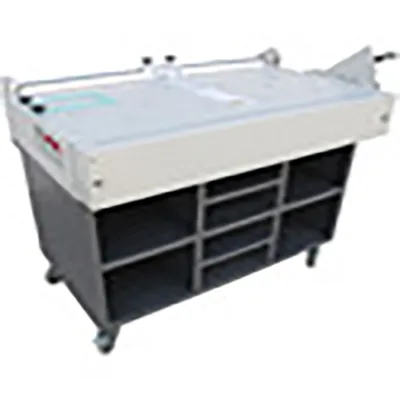


Automatic Hard Cover Book Making Machine Book Cover Maker Hard Cover Book Case Maker
$58000.00 - $62000.00
MOQ: 1 Pieces


Fully Automatic Book Hardcover Case Hard Cover Maker Making Machine
$24000.00 - $25000.00
MOQ: 1 Pieces


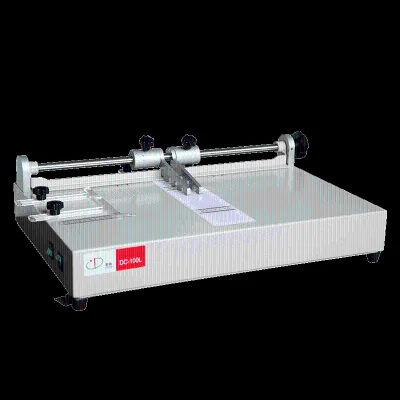
Comprehensive Sourcing Guide
Laser Engraving Hard Cover Maker Sourcing Guide
The market for hard cover making machinery reveals a distinct split between manual and automated solutions, with specific models like the SK950C and QFM-460B representing different operational tiers. Buyers must distinguish between units that are strictly non-computerized and those featuring advanced computerized controls, as this distinction fundamentally alters the production workflow and labor requirements. The observed product range includes machines designed for specific tasks such as wheel gluing or finishing processes, indicating that a single machine rarely handles the entire binding lifecycle without auxiliary equipment.
Procurement decisions should prioritize the specific application needs, such as producing hard cover books, calendars, or specialized packaging, as the machinery is often tailored to these distinct outputs. While some units are explicitly labeled for commodity and medical applications, others focus on food-related packaging or general machinery hardware, necessitating a careful review of the intended usage before purchase. The availability of customization options allows buyers to adapt standard models to unique production demands, but this requires clear communication of technical requirements to the supplier to ensure the final configuration meets operational goals.
Product Scope and Observed Listing Signals
Listing signals indicate a wide variance in physical dimensions, with some units measuring approximately 1140x680x1040mm while others reach substantial sizes like 5150x3500x1780mm. This significant difference in footprint suggests that factory floor space planning must be conducted before ordering, as the larger industrial models require dedicated zones for operation and maintenance. The packaging details consistently emphasize strong wooden cases or seaworthy wooden crates, reflecting the heavy nature of the equipment and the necessity for robust protection during international transit from ports like Shanghai or Ningbo.
Buyers should note that the supply ability for these specialized machines is often capped at around 100 units per month, which may impact lead times for bulk orders or urgent production needs. The selling units are typically listed as single items, meaning that pricing and logistics must be calculated on a per-unit basis rather than through bulk discounts common in consumable goods. Additionally, the voltage requirements vary between 220V and 110V, requiring buyers to verify their local electrical infrastructure compatibility to avoid costly retrofitting or the need for transformers upon delivery.
Technical Specifications to Verify
Technical verification must begin with the board thickness capabilities, which typically range from 1mm to 4mm, with special configurations available for thicker boards up to 8mm. This specification is critical for determining the machine's suitability for different bookbinding projects, as the structural integrity of the hard cover depends heavily on the board thickness the equipment can process. Similarly, the cloth thickness range of 120-300G/M2 defines the material compatibility, ensuring that the selected machine can handle the specific fabrics or cover materials intended for the final product without causing jams or misalignment.
The driven type and automation level are equally vital, with options ranging from electric and pneumatic drives to semi-automatic or fully automatic grades. Buyers must confirm whether the machine requires a specific number of workers, as some models are designed for 1-2 operators while others may demand more extensive staffing. The heater power, often specified as 2*4.5kw, indicates the energy consumption and heating capacity required for the gluing process, which directly influences the production speed and the quality of the adhesive bond in the finished hard covers.
Compliance and Safety Documentation
Compliance verification should focus on the presence of recognized certifications such as CE and ISO, which serve as indicators that the machinery meets international safety and quality standards. While some listings explicitly state these certifications, buyers must request valid documentation to confirm that the specific unit being purchased has undergone the necessary testing and approval processes. The absence of explicit certification claims in a listing does not necessarily imply non-compliance, but it does require a proactive request for proof before finalizing any commercial agreement.
Safety documentation must also address the specific operational hazards associated with gluing and finishing processes, particularly when using hot melt adhesives or high-power heating elements. Buyers should ensure that the supplier provides comprehensive manuals detailing emergency stop procedures, maintenance protocols, and safety guards for moving parts like the wheel gluing mechanisms. The standard of the machine, whether defined by physical dimensions or export standards, should align with the safety regulations of the destination country to prevent legal or operational issues upon installation.
Cost Drivers and Commercial Terms
Cost drivers in this sector are heavily influenced by the level of automation and the complexity of the mechanical systems, such as the inclusion of computerized controls or specialized gluing modes. A machine with a 3-year warranty and free spare parts offers a different total cost of ownership compared to a basic unit with limited after-sales support, making the long-term value proposition a key factor in the purchasing decision. The supply ability of 100 units per month may also affect pricing dynamics, as high demand for specific models could lead to price fluctuations or extended lead times that impact the overall budget.
Commercial terms must clearly define the packaging details, which typically involve strong wooden cases to protect the machinery during shipping from China. Buyers should negotiate terms that cover the port of dispatch, usually Shanghai or Ningbo, and clarify who bears the risk and cost of freight and insurance until the goods reach the final destination. The selling unit structure as a single item means that all costs, including potential customization fees, must be itemized to avoid hidden charges that could inflate the final procurement cost beyond the initial quoted price.
Supplier Qualification and Quality Control
Supplier qualification requires a thorough assessment of their location and manufacturing capabilities, with many producers originating from Zhejiang, China, specifically in areas like Wenzhou. Buyers should verify the supplier's ability to provide engineers for overseas service and their policy on free spare parts, as these factors are critical for minimizing downtime in the event of mechanical failure. The presence of a 3-year warranty is a strong indicator of supplier confidence, but it must be backed by a clear service agreement that outlines response times and the scope of covered repairs.
Quality control processes should be scrutinized to ensure that the machines meet the specified standards for dimensions and performance, such as the 170013001900mm or 178016201400mm configurations. Buyers must request evidence of the production process, including how the automatic grade and driven type are implemented to ensure consistency across units. The use of strong seaworthy wooden cases for packaging is a standard practice, but the quality of the internal securing mechanisms should be verified to prevent damage during the long transit from the port of dispatch to the buyer's facility.
Long-Term Procurement Checks
Long-term procurement checks should focus on the sustainability of the supply chain and the availability of replacement parts for the specific model numbers like SK950C or QFM-460B. Buyers need to establish a relationship with the supplier that ensures a steady supply of spare parts, particularly for high-wear components like the gluing wheels or heating elements, to maintain continuous production. The customization availability should be reviewed periodically to ensure that the supplier can adapt the machinery to evolving production needs or new material specifications over the lifespan of the equipment.
Regular performance audits are essential to verify that the machine continues to operate within the specified parameters for board thickness, cloth thickness, and spine size. Buyers should monitor the energy consumption relative to the heater power specifications and ensure that the driven type remains efficient over time. Finally, the after-sales service provided by the supplier, including the availability of engineers for overseas service, must be evaluated annually to confirm that the support structure remains robust and responsive to the buyer's operational requirements.
FAQs
What is the warranty period for the hard cover maker?
The machine comes with a 3-year warranty period to ensure long-term reliability for your production line. This coverage includes free spare parts and access to engineers who can service the machinery overseas if needed.
Can the hard cover maker be customized for specific needs?
Yes, customization is available for this hard cover maker to meet your specific production requirements. You can adjust features like voltage options between 220V and 110V to suit your local power infrastructure.
What is the monthly supply capacity for these machines?
The supplier has a supply ability of 100 units per month for this hard cover maker. This capacity ensures consistent availability for bulk orders while maintaining quality control standards for each unit produced.
How is the machine packaged for international shipping?
The machine is packed in strong seaworthy wooden cases to protect it during transit. This packaging detail ensures the equipment arrives safely at your destination port, whether it is Shanghai or Ningbo.
What are the dimensions of the hard cover maker?
The standard dimensions for this machine are 1140x680x1040mm. Some models may have different standard sizes like 1700x1300x1900mm depending on the specific configuration and process requirements.
Which certifications does the hard cover maker hold?
The machine holds CE and ISO certifications to meet international safety and quality standards. These certifications confirm that the equipment complies with necessary export standards for machinery and hardware applications.
What is the minimum order quantity for this product?
The minimum order quantity is 1 unit, allowing for single item purchases. This flexible selling unit policy enables buyers to test the machine without committing to large initial inventory volumes.