Source LED Lamp Waterproof Rain Boots for construction, farming, and outdoor events
Explore 30 verified options for LED Lamp Waterproof Rain Boots featuring steel toe protection, anti-static properties, and customizable colors. Buyers can compare specifications like lining materials, MOQs, and delivery times from suppliers in China to find the right fit for industrial or casual use.
Key considerations
Products List


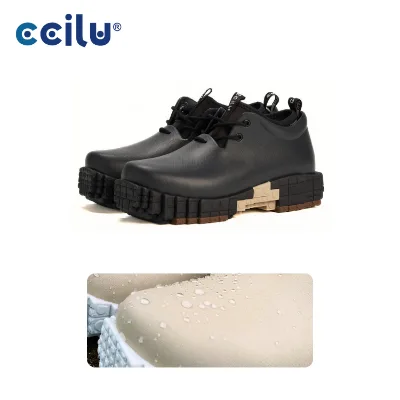
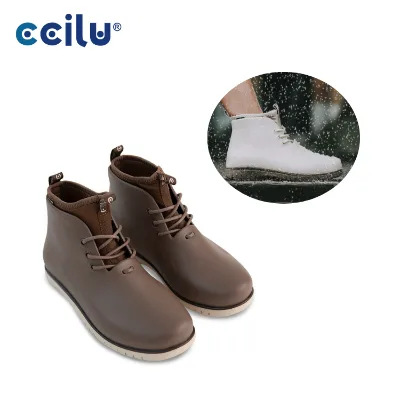
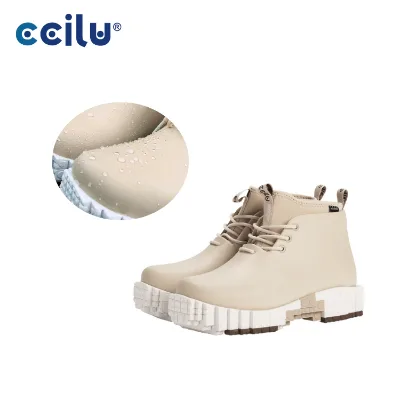
Ankle Bootie Rainboots Safety Rain Shoes Waterproof Anti-Slip Water Boots
$1.40 - $1.60
MOQ: 1000 Pairs


Quality Assurance Rubber Working Boots Outdoor Waterproof Rain Boot Shoes
$3.50 - $4.50
MOQ: 1000 Pairs


Comprehensive Sourcing Guide
Strategic Sourcing Guide for Waterproof Rain Boots with Integrated Lighting
The global demand for specialized protective footwear has expanded significantly, driven by the need for enhanced visibility in low-light environments and the necessity for water resistance in diverse industrial and outdoor sectors. When sourcing products under the core keyword "LED Lamp Waterproof Rain Boots," buyers must navigate a complex landscape where functional safety features intersect with standard protective gear specifications. This guide provides a disciplined, evidence-based framework for procurement professionals to evaluate suppliers, verify technical claims, and manage supply chain risks effectively. The focus remains strictly on observable product attributes, verified supply chain data, and established industry practices without extrapolating unverified performance metrics.
Technical Specifications and Material Composition
Understanding the material composition and structural design of waterproof rain boots is the first step in defining a viable procurement strategy. The supplied product data indicates a variety of material configurations available in the market. Common upper materials include rubber, which offers robust durability and water impermeability, while other listings specify EVA (Ethylene Vinyl Acetate) as a primary material, often favored for its lightweight properties. The lining material is frequently identified as mesh, suggesting a design intended to balance breathability with moisture protection. Insoles are typically constructed from PVC, providing a specific level of cushioning and structural support.
A critical distinction in the current market is the presence of integrated lighting features. While the core keyword specifies "led lamp," the provided factual data highlights boots with features such as "Steel Toe," "Anti-Static," and "Slip-Resistant" capabilities. It is essential for buyers to verify whether the "LED" component is a standard feature across all listings or a specific customization option. Some product models, such as those designated by model numbers like "113" or "T0203," may have specific configurations regarding size and material. The data also notes that certain boots are "Not Handmade," indicating a reliance on automated manufacturing processes which can influence consistency and unit cost.
The following table summarizes the observed material and structural attributes found in the current supply pool:
| Attribute Category | Observed Variations | Procurement Consideration |
|---|---|---|
| Upper Material | Rubber, EVA, Genuine Leather | Verify compatibility with specific chemical environments. |
| Lining Material | Mesh | Assess breathability requirements against waterproofing needs. |
| Insole Material | PVC | Evaluate comfort and durability for long-duration wear. |
| Safety Features | Steel Toe, Anti-Static, Slip-Resistant | Confirm specific safety ratings required for the job site. |
| Water Resistance | Waterproof (Confirmed) | Essential baseline requirement for all rain boot categories. |
| Chemical Resistance | Acid and Alkali Resistant / Not Resistant | Critical for industrial applications; verify specific chemical exposure. |
Compliance, Certification, and Safety Standards
In the realm of industrial and protective footwear, compliance is not merely a regulatory formality but a fundamental aspect of risk management. The supplied data explicitly references ISO9001:2000 as a certification attribute for certain products. This standard indicates that the manufacturer has established a quality management system, which is a strong indicator of process consistency. However, buyers must exercise caution and verify that this certification is current and applicable to the specific production facility, as certifications can sometimes be listed broadly across a company's portfolio without applying to every SKU.
Regarding safety standards, the background information mentions ASTM F2413-18 and ASTM F3445-21. These are recognized standards for protective footwear, covering impact and compression resistance (F2413) and electrical hazard protection (F3445). While these standards are highly relevant to the "Steel Toe" and "Anti-Static" features observed in the product listings, the provided facts do not confirm that every listed product has undergone testing against these specific ASTM standards. Therefore, procurement teams must treat these as verification targets rather than guaranteed attributes. Buyers should request valid test reports from the supplier to confirm that the steel toe caps meet the required impact and compression ratings and that the anti-static properties function within the specified electrical resistance limits.
The "Universal" standard designation found in the product data suggests that some boots are designed to meet general market requirements rather than specific regional or industry-specific regulations. This necessitates a deeper inquiry into local compliance requirements for the buyer's operating region. For instance, if the boots are intended for use in high-voltage environments, the anti-static certification must be rigorously validated. Similarly, if the boots are marketed as "Acid and Alkali Resistant," the supplier must provide chemical resistance data sheets that align with the specific substances present in the work environment.
Cost Drivers and Pricing Dynamics
The pricing structure for waterproof rain boots is influenced by a confluence of material costs, manufacturing complexity, and order volume. The observed price range in the market spans from $0.20 to $70.00 USD. This wide disparity highlights the significant variation in product quality, feature sets, and brand positioning. The lower end of the spectrum likely corresponds to basic rubber or EVA boots with minimal safety features, while the higher end may include advanced composite materials, integrated LED lighting systems, and specialized chemical resistance.
Order Volume is a primary driver of unit cost. The Minimum Order Quantity (MOQ) data reveals a spectrum of requirements, ranging from as low as 10 pairs to as high as 1000 pairs. Suppliers with lower MOQs (e.g., 10 pairs) often cater to smaller businesses or trial orders, potentially at a higher per-unit cost due to the lack of economies of scale. Conversely, suppliers requiring an MOQ of 1000 pairs are likely targeting large-scale industrial procurement, offering more competitive pricing for bulk buyers. The specific listing of "500 Pairs" as an MOQ for certain models indicates a mid-tier threshold that balances flexibility with volume efficiency.
Additional cost factors include customization options. The data confirms that "Customization" is available, including the ability to accept "Customized Logo" and various packaging options such as "White Box," "Mail Box," "Color Box," or "Carton." Customization typically incurs additional tooling or setup fees, which should be factored into the total cost of ownership. Furthermore, the payment terms vary, with some suppliers requiring "100% Payment Before Shipping" while others accept "T/T, O/a, L/C." The choice of payment term can impact cash flow and financial risk, with letters of credit (L/C) often being preferred for large international transactions to mitigate non-delivery risks.
Typical Applications and Operational Context
The versatility of waterproof rain boots makes them suitable for a wide array of applications, from general outdoor use to specialized industrial tasks. The "Unisex" gender designation and the availability of sizes ranging from "Child/Adult" (specifically US sizes 5 through 12) indicate a broad market appeal. The "Spring and Summer" seasonal classification suggests that these boots are optimized for warmer weather conditions, where breathability provided by the mesh lining is beneficial.
However, the presence of "Steel Toe" and "Anti-Static" features points to specific high-risk environments. Construction sites, manufacturing plants, and electrical utility work often require footwear that protects against falling objects and static discharge. The "Slip-Resistant" attribute is particularly valuable in environments with wet or oily floors, such as food processing facilities or chemical plants. The distinction between "Acid and Alkali Resistant" and "Not Acid and Alkali Resistant" boots is critical for procurement in chemical handling industries. Buyers must match the boot's chemical resistance profile to the specific hazards present in their operational environment to prevent premature degradation and potential safety incidents.
The "LED lamp" aspect of the core keyword implies a need for visibility in low-light conditions. While the provided facts do not explicitly detail the battery life or lumens of the LED components, the integration of such features suggests applications in night-shift work, road construction, or emergency response scenarios where visibility is paramount. Buyers should inquire about the power source for the LEDs, whether they are rechargeable or disposable, and the expected lifespan of the lighting system, as these factors directly impact long-term operational costs.
Supplier Evaluation and Quality Assurance
Evaluating a supplier requires a multi-dimensional approach that goes beyond price and basic product specifications. The origin of the products is consistently listed as "China," with specific mentions of "Hebei, China" as a production hub. This geographic concentration can be advantageous for logistics but requires due diligence regarding the specific factory's capabilities and reputation. The "Hand Made" attribute is noted as "Not Handmade" for many listings, which generally implies a higher degree of standardization and consistency in the manufacturing process. However, buyers should still verify the production methods to ensure that the automated processes do not compromise the integrity of safety features like the steel toe or the waterproof seal.
Quality control is paramount, especially when dealing with safety-critical equipment. The "Sample" attribute indicates that "Free Samples" are available from some suppliers, which is a valuable tool for pre-purchase evaluation. Buyers should utilize these samples to conduct physical tests, such as checking the flexibility of the rubber, the comfort of the PVC insole, and the functionality of any integrated lighting. The "Packing" details, such as "One Pairs One Polybag" or "Carton Packing," also serve as indicators of the supplier's attention to detail. Proper packaging is essential for protecting the boots during transit and preventing damage that could compromise their safety features.
The "OEM & ODM" availability suggests that suppliers are willing to engage in collaborative product development. This can be beneficial for buyers seeking to differentiate their brand or customize products for specific use cases. However, engaging in OEM/ODM relationships requires clear communication of technical requirements and quality expectations. The "Delivery Time" of 20 days is a standard lead time observed in the data, but buyers should confirm if this is a fixed duration or subject to change based on order volume and customization requirements.
Long-Term Procurement Considerations
Sourcing waterproof rain boots is not a one-time transaction but an ongoing relationship that requires strategic planning. The "Customization" availability and "Logo" acceptance options allow for brand alignment, which can be crucial for corporate identity and employee morale. However, maintaining consistency in product specifications over time is vital. If a supplier changes the material composition or manufacturing process, it could affect the performance and safety of the boots. Buyers should establish long-term contracts that include clauses for quality consistency and notification of any changes in production.
Inventory management is another critical consideration. The wide range of sizes and colors, including options like "Black, White, Red, Orange, Yellow, Green, Blue," requires careful forecasting to avoid stockouts or overstocking. The "One Pairs One Bolybag" (likely a typo for Polybag) packing method facilitates easy inventory counting and distribution but may increase the volume of waste if not managed sustainably. Buyers should consider the environmental impact of the packaging and explore options for recyclable materials if sustainability is a corporate goal.
Finally, the "Payment Term" of "100% Payment Before Shipping" presents a financial risk for buyers, particularly for large orders. Negotiating more favorable terms, such as partial payments or the use of a Letter of Credit, can help mitigate this risk. Additionally, the availability of "Free Samples" allows buyers to test the product before committing to a large order, reducing the likelihood of receiving substandard goods. By focusing on these long-term factors, buyers can build a resilient supply chain that ensures the continuous availability of high-quality, safe, and functional waterproof rain boots.
FAQs
What materials are used for the upper of these boots?
The upper material is typically rubber or EVA, with some options featuring genuine leather. Buyers should verify the specific material for their order as variations exist between listings, and mesh lining is often used for breathability.
Can I customize the logo and packaging for these boots?
Yes, customization is available including customized logos and various packaging options like color boxes or cartons. Buyers must contact the supplier directly to arrange these customizations, which may affect the final unit cost and lead time.
What is the minimum order quantity for these rain boots?
The minimum order quantity varies significantly, ranging from 10 pairs to 1000 pairs depending on the specific supplier and model. Buyers should check the specific listing for the exact MOQ, as some require 500 pairs while others accept smaller trial orders.
Are these boots certified with ISO9001 standards?
Some products in the supply pool are listed with ISO9001:2000 certification, indicating a quality management system. However, this certification is not guaranteed for every listing, so buyers must request valid test reports to confirm the specific product's compliance status.
How long does it take to deliver these waterproof boots?
The standard delivery time is approximately 20 days for confirmed orders. This timeline applies to production and shipping from the origin in China, but actual lead times may vary based on order volume and specific supplier capacity.
Which safety features are included with steel toe boots?
Boots with steel toes often include anti-static and slip-resistant features alongside waterproof protection. Buyers must verify if the specific model also offers acid and alkali resistance, as this is not a universal feature across all listed products.
What payment terms are accepted for these rain boots?
Accepted payment methods include T/T, O/a, and L/C, with some suppliers requiring 100% payment before shipping. Buyers should negotiate terms based on their relationship with the vendor and the total order value to manage financial risk effectively.