Source Low Voltage Automotive Jumper Wire for Cars, Motorcycles, and Appliances
Compare 30 listings for Low Voltage Automotive Jumper Wire suitable for cars, motorcycles, and home appliances. Buyers can review specifications like copper wire cores, PVC insulation, and customizable options from suppliers in China; compare the available evidence and request quotations based on your requirements.
Key considerations
Products List


18 Gauge Automotive Wire Electrical Wire Txl Low Voltage Primary Wire Car Video Wire
$0.02 - $0.10
MOQ: 5000 Meters


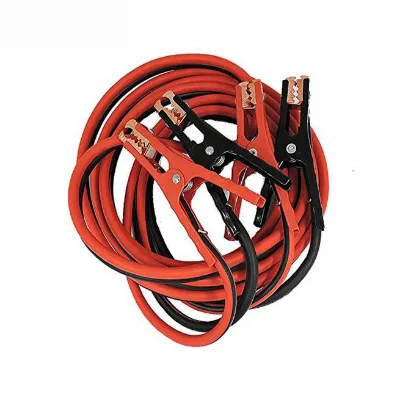


Emergency Jumper Cable Starter Automotive Vehicle Booster Cable for Car Battery
$1.00 - $3.50
MOQ: 500 Pieces

100% Copper Car Battery Jumper Cable 4 Gauge 500AMP Heavy Duty Booster Cable
$1.00 - $3.50
MOQ: 500 Pieces

Automotive Battery Jumper Cables Booster Cable with Professional Grade Clamps (48260003)
$1.00 - $2.00
MOQ: 100 Pieces


Comprehensive Sourcing Guide
Low Voltage Automotive Jumper Wire Sourcing Guide
Procuring low voltage automotive jumper wires requires a disciplined approach to technical verification and supplier qualification. These components serve as critical interconnects within vehicle electrical systems, demanding high reliability under varying thermal and mechanical stresses. Buyers must prioritize suppliers who demonstrate robust manufacturing capabilities and transparent quality control processes. The global supply chain for these harnesses is concentrated in specific manufacturing hubs, with Shenzhen and Wenzhou emerging as key production centers in China. Understanding the geographic origin of components helps in assessing logistics costs and supply chain resilience.
The market offers a diverse range of products, from simple copper wire assemblies to complex crimping classes tailored for specific automotive applications. Observations indicate that manufacturers often provide customization services to meet unique engineering requirements. This flexibility is essential for original equipment manufacturers and aftermarket suppliers who need precise fitment and performance characteristics. Buyers should evaluate the supplier’s ability to adapt to changing design specifications without compromising lead times or quality standards. A clear understanding of these capabilities ensures that the sourced components align with the final product’s functional needs.
Product Scope and Observed Listing Signals
The observed product landscape reveals a wide price range, typically spanning from $0.02 to $60 per unit, reflecting variations in complexity and material quality. Minimum order quantities generally start at 50 units, allowing for flexible sampling and small-batch testing, while larger orders can reach up to 10,000 units for mass production. This scalability is crucial for buyers managing inventory levels and cash flow. The availability of free samples is a common practice, enabling procurement teams to validate physical attributes and electrical performance before committing to large-scale purchases. This reduces the risk of integrating substandard components into critical automotive systems.
Product attributes highlight a focus on low voltage wiring harnesses with specific interface types, such as DC/DC connections. The core material is predominantly copper wire, chosen for its superior conductivity and durability. Insulation materials often include PVC, providing necessary protection against environmental factors. Some listings specify a round shape for the wire, which is standard for many automotive applications. Additionally, the industry type is explicitly identified as automotive wiring harness, confirming the intended use case. Buyers should verify these attributes against their specific engineering drawings to ensure compatibility with existing vehicle architectures.
Technical Specifications to Verify
Technical verification must begin with the conductor type and insulation material. Stranded copper conductors are frequently observed, offering flexibility and resistance to fatigue from vibration. Insulation is typically PVC, but buyers should confirm the thickness and temperature rating to ensure it meets automotive standards. The maximum current capacity is a critical parameter, with some products rated up to 32A. Voltage ratings also vary, with some components supporting up to 250V or even 4kV for specific high-voltage applications within the low-voltage category. These specifications must align with the vehicle’s electrical load requirements to prevent overheating or failure.
Connector and terminal specifications are equally important. Some products feature two-pin interfaces with tool-free connection methods, enhancing assembly efficiency. The terminal material is often copper, ensuring low resistance and reliable electrical contact. Compatibility with established brands like Wago is noted in some listings, which can simplify integration for buyers familiar with these systems. The cable range is specified as 0.08 to 4.0 mm², indicating the versatility of the harness for different wire gauges. Buyers should request detailed datasheets to confirm these technical parameters and ensure they match the design specifications of their final assembly.
Compliance and Safety Documentation
Compliance with international standards is non-negotiable for automotive components. Certifications such as RoHS and ISO are commonly cited, indicating adherence to environmental and quality management principles. The RoHS certification ensures that the materials used are free from hazardous substances, which is critical for global market access. ISO certifications, particularly ISO9001:2008, demonstrate a supplier’s commitment to consistent quality management processes. Buyers should verify the validity of these certificates and ensure they are issued by recognized accreditation bodies. This due diligence mitigates regulatory risks and ensures that the components meet the stringent requirements of automotive OEMs.
Additional standards, such as CE marking, may also be present, indicating compliance with European health, safety, and environmental protection standards. The production standard is often customized, but some products adhere to specific industry norms like UL 1015 for wire insulation. Buyers should clarify which standards apply to their specific order, as requirements can vary by region and application. The factory management standard is another key indicator of quality, with ISO9001:2008 being a common benchmark. Ensuring that the supplier operates under a recognized quality management system provides confidence in the consistency and reliability of the produced harnesses.
Cost Drivers and Commercial Terms
Cost structures for low voltage automotive jumper wires are influenced by material prices, particularly copper, and the complexity of the assembly process. The observed price range reflects these variables, with simpler configurations costing less than complex, customized harnesses. Lead times typically range from 7 to 15 days for standard orders, but can extend to 30 days for mass production runs. Sample delivery is faster, often taking 3 to 5 days, which is beneficial for rapid prototyping. Buyers should factor in these lead times when planning production schedules to avoid delays in the supply chain.
Commercial terms also include packaging and shipping considerations. Products are often packed in cartons or rolls, with stretch film wrapping for protection. The annual capacity of suppliers can reach 300,000 km, indicating their ability to handle large volumes. Buyers should negotiate clear terms regarding packaging standards to prevent damage during transit. Additionally, the acceptance of small orders allows for flexibility in testing and initial production runs. Understanding these commercial dynamics helps in budgeting accurately and managing inventory levels effectively, ensuring a smooth procurement process.
Supplier Qualification and Quality Control
Supplier qualification involves assessing the manufacturing facility’s capabilities and quality control processes. Factories located in Shenzhen and Zhangzhou are noted for their production expertise, but buyers should conduct on-site audits or request third-party verification reports. The ability to provide free samples is a positive indicator, allowing for physical inspection and electrical testing. Buyers should evaluate the sample quality against their specifications, checking for consistent insulation thickness, secure crimping, and proper labeling. This step is crucial for identifying potential issues before committing to large orders.
Quality control systems should be robust, with clear procedures for incoming material inspection, in-process monitoring, and final product testing. Suppliers with ISO9001:2008 certification are likely to have structured quality management systems in place. Buyers should inquire about the supplier’s defect rate and how they handle non-conforming products. Additionally, the customization capability of the supplier should be verified, ensuring they can meet specific design requirements. A transparent and responsive supplier is essential for maintaining a reliable supply chain and addressing any issues that may arise during production.
Long-Term Procurement Checks
Long-term procurement success depends on continuous monitoring of supplier performance and market trends. Buyers should establish key performance indicators, such as on-time delivery, defect rates, and responsiveness to issues. Regular audits and performance reviews help maintain high standards and identify areas for improvement. The automotive industry is subject to evolving regulations and technological advancements, so buyers must stay informed about changes in standards and material requirements. This proactive approach ensures that the sourced components remain compliant and competitive over time.
Supply chain resilience is another critical factor. Diversifying suppliers and maintaining a buffer stock can mitigate risks associated with disruptions. Buyers should also consider the sustainability practices of their suppliers, as environmental concerns are increasingly important in the automotive sector. Engaging in long-term partnerships with reliable suppliers can lead to better pricing, priority production, and collaborative innovation. By focusing on these strategic aspects, buyers can build a robust and efficient procurement system that supports the long-term success of their automotive products.
FAQs
What certifications do low voltage automotive jumper wires have?
These wires typically hold CE and RoHS certifications to ensure safety and environmental compliance. Some products also meet ISO standards for quality management. Buyers should verify specific certificates for their region before placing large orders to ensure regulatory alignment.
Can I get free samples of low voltage automotive jumper wires?
Yes, free samples are available for most Low Voltage Automotive Jumper Wire products. Delivery for these samples usually takes three to five days. This allows buyers to test quality and specifications before committing to mass production orders with longer lead times.
What is the lead time for mass production of these wires?
Mass production lead times generally range from seven to thirty days depending on order volume. Small orders may be fulfilled faster, often within seven to fifteen days. Buyers should confirm exact timelines with suppliers based on their specific quantity requirements and customization needs.
Which materials are used for the wire core and insulation?
The wire core is made of copper wire, often stranded for flexibility. Insulation materials include PVC or PA66 for durability. These materials ensure the wires can handle low voltage applications in automotive and electronic environments while maintaining safety and performance standards.
What is the minimum order quantity for these jumper wires?
Minimum order quantities typically range from fifty to ten thousand units depending on the supplier. Small orders are acceptable for many vendors, allowing new buyers to test the market. Specific MOQs vary by product model and customization level required for the project.
Where are the factories producing these wires located?
Factories are primarily located in Shenzhen, Wenzhou, and Zhangzhou in China. These regions offer strong manufacturing capabilities for automotive wiring harnesses. Buyers can source directly from these locations to ensure competitive pricing and efficient logistics for their global supply chain needs.
How are these wires packaged for shipping?
Products are commonly packed in cartons or on rolls and spools. Some shipments use stretch film wrapping for added protection during transit. Packaging options like six hundred ten meters per roll are standard, ensuring the wires remain undamaged and organized upon arrival at the destination.