Source Low Voltage Electrical Cable for Construction, Underground, Overhead
Find 30 listings for Low Voltage Electrical Cable suitable for construction, underground, and overhead applications. Buyers can compare specifications including insulation materials like XLPE, conductor types, and certifications such as CCC and CE from manufacturers in China.
Key considerations
Products List




Comprehensive Sourcing Guide
Strategic Sourcing Guide for Low Voltage Electrical Cables
Understanding Technical Specifications and Material Composition
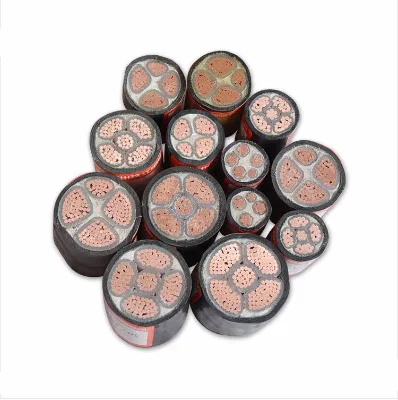
When sourcing low voltage electrical cables, the primary focus must be on the precise technical specifications that define the cable's performance, safety, and longevity. The core component of any electrical cable is the conductor, which serves as the pathway for electrical current. In the observed market data, conductors are frequently identified as either bare copper wire or aluminum wire, with copper being a dominant material for its superior conductivity and durability. The physical configuration of these conductors is equally critical; stranded wire cores are standard for low voltage applications to provide flexibility and resistance to fatigue during installation and operation.
The insulation material is the next vital specification to verify. Cross-linked polyethylene (XLPE) is a prevalent choice for low voltage cables due to its excellent thermal stability and resistance to environmental stress. This material allows the cable to operate at higher temperatures compared to traditional PVC insulation, making it suitable for demanding industrial environments. The sheath material, which provides the outer protective layer, is often specified as PVC. This layer protects the internal insulation and conductors from mechanical damage, moisture, and chemical exposure. Buyers must distinguish between cables designed for specific current types, such as AC cables and DC cables, as the internal construction and insulation requirements can vary significantly between these applications.
The voltage rating is a fundamental parameter that dictates the cable's suitability for a specific grid or system. Low and medium voltage cables are designed to handle specific voltage ranges, and selecting a cable with an inappropriate rating can lead to insulation breakdown and safety hazards. The model designations found in the market, such as YJV, YJLV, and HZ, often correlate with specific combinations of conductor material, insulation type, and sheath material. For instance, the YJV model typically indicates a copper conductor with XLPE insulation and a PVC sheath, while YJLV suggests an aluminum conductor with similar insulation properties. Understanding these model codes is essential for aligning procurement with engineering requirements.
Compliance, Certification, and Regulatory Standards
Navigating the complex landscape of certifications and standards is a non-negotiable aspect of sourcing electrical cables. Compliance ensures that the product meets international safety benchmarks and regulatory requirements for the destination market. The observed market data highlights a wide array of certifications, including CCC (China Compulsory Certification), CE (Conformité Européenne), ISO (International Organization for Standardization), VDE (Verband der Elektrotechnik), and RoHS (Restriction of Hazardous Substances). These certifications are not merely marketing labels; they represent rigorous testing processes that validate the cable's electrical safety, fire resistance, and environmental compliance.
For buyers targeting specific regions, the relevance of these certifications varies. The CCC mark is essential for products sold within China, while CE is a prerequisite for entry into the European Economic Area. VDE certification is particularly significant for the German market and is often recognized globally for its stringent testing protocols. RoHS compliance indicates that the cable does not contain restricted hazardous substances, which is a critical requirement for electronics and electrical equipment in many jurisdictions. Additionally, the presence of ISO certification suggests that the manufacturer adheres to quality management systems, providing an additional layer of assurance regarding production consistency.
Standards define the technical criteria that the cable must meet. The market data references standards such as IEC (International Electrotechnical Commission), SGS (Société Générale de Surveillance), and specific national standards like VDE 3188. The VDE 3188 standard, for example, covers specific wire and cable requirements for certain gauge ranges. Buyers must verify that the product conforms to the specific standard required by their local regulations or project specifications. While some data mentions general standard codes, the exact numerical ranges for wire gauges (such as 30AWG to 10AWG) should be confirmed with the supplier to ensure the specific product batch meets the necessary dimensional and electrical criteria. Relying on a supplier's claim of compliance without verifying the specific standard version or test report can lead to significant procurement risks.
Cost Drivers and Pricing Structures
The pricing of low voltage electrical cables is influenced by a complex interplay of raw material costs, manufacturing complexity, and market dynamics. The primary cost driver is the conductor material. Copper is significantly more expensive than aluminum, which directly impacts the final price of the cable. Consequently, cables with copper conductors will generally command a higher price point than their aluminum counterparts, assuming similar insulation and sheath specifications. The cross-sectional area of the conductor also plays a major role; larger cables require more raw material and thus cost more.
Beyond raw materials, the level of customization and the specific technical requirements add to the cost. Cables with specialized insulation materials like XLPE or those requiring specific sheath properties for fire retardancy or underground installation may incur higher manufacturing costs. The market data indicates that prices are often negotiable, suggesting that the final cost is highly dependent on the order volume, specific technical configurations, and the buyer's ability to negotiate terms. The Minimum Order Quantity (MOQ) is another critical factor in cost management. Observed MOQ ranges vary widely, from as low as 1 unit to as high as 20,000 units. Buyers with smaller requirements may face higher per-unit costs due to the fixed costs of production setup, whereas large-volume orders can leverage economies of scale to reduce the unit price.
Packaging and logistics also contribute to the overall cost structure. The observed data mentions various packaging types, including drums, steel-wood drum packages, and cartons. The choice of packaging affects the shipping weight and volume, which in turn influences freight costs. For example, steel-wood drum packages are robust and suitable for heavy cables but may be more expensive to ship than standard cartons. Additionally, the origin of the product affects pricing due to differences in labor costs, local regulations, and shipping distances. Products originating from regions like Henan, Guangdong, or Zhejiang may have different cost structures compared to those from other locations, depending on the local supply chain efficiency and export incentives.
Typical Applications and Installation Environments
Low voltage electrical cables are versatile and find applications across a diverse range of industries and environments. The specific application dictates the required cable specifications, including insulation type, sheath durability, and fire resistance. Common applications identified in the market data include underground installations, overhead lines, construction sites, industrial facilities, and power stations. Underground cables require robust sheathing and insulation to withstand moisture, soil chemicals, and mechanical pressure from backfilling. XLPE insulation is particularly well-suited for these environments due to its resistance to water treeing and thermal aging.
Overhead applications demand cables with high tensile strength and resistance to environmental weathering, such as UV radiation and temperature fluctuations. The choice between copper and aluminum conductors in overhead lines often balances conductivity needs with weight considerations. In construction and industrial settings, cables must often meet fire safety standards, leading to the selection of flame-retardant cables. The market data explicitly mentions "Flame Retardant" as a range of application attribute, highlighting the importance of fire safety in these environments. Power stations require cables that can handle high current loads and operate reliably in high-temperature conditions, further emphasizing the need for high-quality insulation materials like XLPE.
The versatility of these cables extends to their ability to be customized for specific project needs. The availability of customization services allows buyers to tailor cable specifications to unique installation requirements. Whether it is a specific color coding for identification, a custom length, or a specialized sheath material for chemical resistance, the ability to customize ensures that the cable performs optimally in its intended environment. Buyers should carefully assess the environmental conditions of their project site, including temperature ranges, exposure to chemicals, and mechanical stress, to select the appropriate cable type. Misalignment between the cable's design and the application environment can lead to premature failure and safety hazards.
Supplier Evaluation and Production Capabilities
Evaluating suppliers for low voltage electrical cables requires a comprehensive assessment of their production capabilities, experience, and service offerings. The market data indicates that many suppliers identify themselves as manufacturers, which can be a significant advantage in terms of quality control and cost efficiency. Manufacturers often have direct control over the production process, allowing for better oversight of material sourcing and manufacturing standards. However, buyers should verify this claim through site audits or by requesting detailed information about their production facilities.
Experience is a key indicator of a supplier's reliability. The data mentions suppliers with 15 years of production experience, which suggests a mature understanding of the manufacturing process and the ability to handle complex orders. Export experience is another critical factor; suppliers with a history of exporting to regions like Indonesia, the Philippines, Australia, South Africa, South America, and the Middle East are likely to be familiar with international standards and logistics. This experience can be invaluable in navigating the complexities of cross-border trade and ensuring that the product meets the specific requirements of the destination market.
Service offerings such as ODM (Original Design Manufacturing), OEM (Original Equipment Manufacturing), and customized solutions are common in the market. These services allow buyers to leverage the supplier's expertise to develop products that meet their specific needs. The acceptance of sample orders is also a positive indicator, as it allows buyers to evaluate the product quality before committing to a large order. Lead times are another important consideration; observed delivery lead times of within 20 days suggest a responsive supply chain, but buyers should confirm these timelines based on their specific order volume and customization requirements. A supplier's ability to meet lead times consistently is crucial for project planning and avoiding delays.
Quality Control and Long-Term Procurement Considerations
Ensuring the quality of low voltage electrical cables is paramount to the safety and reliability of electrical systems. Quality control measures should be implemented throughout the procurement process, from initial supplier selection to final delivery. Buyers should request detailed quality reports, including test results for electrical properties, mechanical strength, and fire resistance. The presence of certifications like ISO and SGS indicates that the supplier has established quality management systems, but buyers should also verify the specific test reports for the product batch they are purchasing.
Long-term procurement considerations involve building a sustainable relationship with reliable suppliers. This includes evaluating the supplier's ability to maintain consistent quality over time, their responsiveness to issues, and their capacity to scale production as the buyer's needs grow. The availability of customization and the supplier's experience in handling diverse applications are also important factors for long-term success. Buyers should also consider the total cost of ownership, which includes not only the purchase price but also the costs associated with installation, maintenance, and potential replacement. High-quality cables with robust insulation and sheathing may have a higher upfront cost but can offer significant savings in the long run by reducing the risk of failure and the need for frequent replacements.
Finally, buyers should be aware of the specific packaging requirements to ensure the cables arrive in optimal condition. The market data mentions various packaging options, including drums, coils, and cartons. Selecting the appropriate packaging is essential to prevent damage during transit, especially for heavy or long cables. The supplier's ability to provide packaging that meets the client's specific requirements, such as custom labeling or protective wrapping, can also enhance the overall procurement experience. By focusing on these quality control and long-term considerations, buyers can ensure a steady supply of high-performance low voltage electrical cables that meet their operational needs and safety standards.
FAQs
What certifications do low voltage electrical cables typically have?
Low voltage electrical cables typically hold CCC, CE, ISO, VDE, and RoHS certifications. These marks indicate compliance with international safety and environmental standards, ensuring the product meets rigorous testing protocols for electrical safety and material restrictions.
Which insulation materials are used for low voltage electrical cables?
Cross-linked polyethylene (XLPE) is the primary insulation material used for these cables. This material offers excellent thermal stability and resistance to environmental stress, making it suitable for demanding industrial environments and underground installations.
Can I find low voltage electrical cables with custom specifications?
Yes, customization is available for low voltage electrical cables to meet specific project needs. Buyers can request tailored conductor types, insulation thicknesses, or sheath materials, with many manufacturers offering ODM and OEM services to align with unique requirements.
What is the delivery lead time for low voltage electrical cables?
The delivery lead time for low voltage electrical cables is typically within 20 days. This timeframe allows for efficient production and shipping, though actual dates may vary based on order volume and specific customization requirements requested by the buyer.
Which locations manufacture low voltage electrical cables?
Manufacturers of low voltage electrical cables are located in regions such as Zhengzhou Henan, Dongguan Guangdong, and Zhejiang China. These areas host factories with significant production experience and export capabilities to serve global markets effectively.
What is the minimum order quantity for low voltage electrical cables?
The minimum order quantity for low voltage electrical cables ranges from 1 to 20,000 units. This flexibility allows buyers to place small sample orders or large volume purchases depending on their specific project scale and budget constraints.
How are low voltage electrical cables packaged for shipment?
Low voltage electrical cables are commonly packaged in drums, steel-wood drum packages, or cartons. The specific packaging method depends on the cable size and client requirements, ensuring protection during transit and easy handling upon arrival.