Source Medical Raw Material 2-Isopropylimidazole for Synthesis, Intermediates, and Organic Materials
Find 30 listings for medical raw material 2-isopropylimidazole from verified suppliers. Compare specifications, prices, and packaging options for organic synthesis and intermediate applications.
Key considerations
Products List




Comprehensive Sourcing Guide
Strategic Sourcing Guide for Medical Raw Material 2-Isopropylimidazole
Procuring high-purity chemical intermediates for medical applications requires a rigorous approach that balances technical precision with supply chain reliability. For buyers specifically targeting 2-Isopropylimidazole, also known as 2-Isopropyl-1H-imidazole, the sourcing process must navigate a complex landscape of synthesis materials, regulatory compliance, and quality assurance. This guide provides a structured framework for evaluating potential suppliers, understanding product specifications, and mitigating risks associated with acquiring this critical organic intermediate. The focus remains on evidence-based criteria derived from observable market data and established industry standards for chemical procurement.
Technical Specifications and Physical Properties
Understanding the precise physical and chemical characteristics of 2-Isopropylimidazole is the first step in any sourcing strategy. Market observations indicate that this substance is primarily categorized under synthesis material intermediates and nitrogen compounds. Buyers must distinguish between different isomers, as the properties of 2-Isopropylimidazole differ significantly from its isomer, 1-Isopropylimidazole. The 2-isomer is frequently listed with a model number of 2-Isopropylimidazole, while the 1-isomer is identified by CAS 36947-68-9 or model QMWY250130.
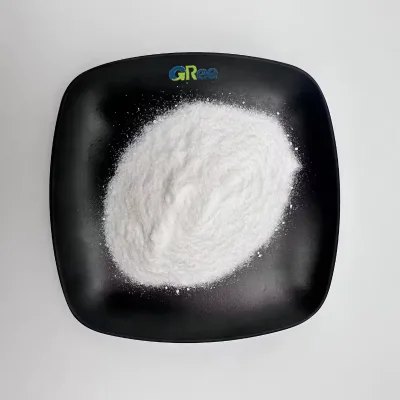
The physical state of the product is a critical variable. While some market listings describe the appearance as a powder or white crystals, others note a liquid or colorless form depending on the specific grade or temperature conditions. For medical raw materials, the solid form is often preferred for stability, with melting points observed in the range of 129°C to 131°C. The boiling point for the relevant isomer is typically cited between 256°C and 260°C. Density measurements around 0.9894 g/cm³ and a refractive index near 1.5000 are common reference points for verification.
Purity is the most significant technical parameter. High-grade medical intermediates generally require a minimum purity of 99%, with some premium grades specified at ≥99.5%. The molecular weight for the base compound is approximately 110.16 g/mol. Buyers should verify these numerical values against the specific Certificate of Analysis (COA) provided by the supplier, as variations in isomer purity can drastically affect downstream synthesis efficiency. The storage conditions are equally vital; the product should be stored sealed in a dry environment at room temperature to prevent degradation or moisture absorption, which could alter the chemical integrity required for medical applications.
Compliance, Certification, and Regulatory Verification
In the medical sector, documentation is as critical as the physical product itself. Suppliers must provide a comprehensive set of quality documents to validate the material's suitability for pharmaceutical use. The standard documentation package for verified suppliers typically includes a Certificate of Analysis (COA), Material Safety Data Sheet (MSDS), and Technical Data Sheet (TDS). These documents serve as the primary evidence for chemical identity, purity, and safety handling.
While ISO 9001 is a widely recognized standard for quality management systems, its presence in a specific supplier's profile should be treated as a background indicator rather than a guarantee of product-specific compliance. Buyers must prioritize the specific product certifications, such as the COA, which confirms the batch-specific purity and impurity profiles. The product standard for 2-Isopropylimidazole is often listed as 99% minimum or 99%min, but for medical applications, the buyer should explicitly request data on heavy metals, residual solvents, and specific isomer ratios.
Regulatory compliance also extends to the origin of the material. The product origin is frequently cited as China, with specific manufacturing hubs in regions like Shandong. While the origin itself is not a disqualifier, it necessitates a deeper review of the supplier's export history and adherence to international shipping regulations for hazardous or regulated chemicals. Buyers should ensure that the supplier can provide traceability for the raw materials used in the synthesis of the 2-isomer, ensuring that the final product meets the stringent requirements of medical regulatory bodies in the destination market.
Cost Drivers and Pricing Structures
The pricing of 2-Isopropylimidazole is influenced by several dynamic factors, including raw material costs, synthesis complexity, and market demand. Observed price ranges in the market can vary significantly, spanning from $0.50 to $300 per unit, though this wide range often reflects differences in packaging sizes, purity grades, and order volumes. The "Price: Has Advantages & Can Be Negotiated" attribute suggests that the final cost is highly dependent on the buyer's ability to leverage volume and long-term partnership potential.
Packaging plays a substantial role in the total landed cost. Standard packaging options include 25kg drums, 200kg drums, and bags or fiber drums. The choice of packaging affects shipping logistics, storage requirements, and potential waste. Larger drums may offer a lower cost per kilogram but require significant storage capacity and handling equipment. Conversely, smaller bags or drums may be more suitable for smaller production runs or facilities with limited storage space, albeit at a higher unit cost.
Minimum Order Quantity (MOQ) is another critical cost driver. Market data indicates an MOQ range of 1 to 200 units. Suppliers with lower MOQs may charge a premium for flexibility, while those requiring higher volumes often offer more competitive pricing. Buyers should calculate the total cost of ownership, including shipping, insurance, and potential inventory holding costs, rather than focusing solely on the unit price. Negotiation strategies should focus on securing volume discounts while maintaining the flexibility to adjust orders based on production schedules.
Typical Applications and Usage Scenarios
2-Isopropylimidazole serves as a vital intermediate in the synthesis of various organic compounds, with a primary application in the medical and pharmaceutical sectors. As a medical raw material, it is used in the production of active pharmaceutical ingredients (APIs) and other therapeutic agents. Its role as an organic synthetic material allows it to function as a building block in complex molecular structures, contributing to the efficacy and stability of final drug products.
Beyond medical applications, the compound is utilized in the broader field of organic intermediates. Its chemical structure makes it suitable for various synthesis pathways where imidazole rings are required. The distinction between the 2-isomer and the 1-isomer is crucial here; the 2-isomer is specifically sought after for its unique reactivity and stability profiles in certain medical synthesis routes. Buyers must ensure that the supplier provides the correct isomer, as the 1-isomer, while chemically similar, may not possess the necessary properties for specific medical applications.
The versatility of the product extends to its use in research and development. Laboratories and pharmaceutical companies often require small batches of high-purity 2-Isopropylimidazole for process optimization and scale-up studies. The ability of suppliers to provide samples or small MOQs is therefore a significant advantage for R&D departments. However, for commercial production, the focus shifts to consistent supply and bulk pricing.
Supplier Evaluation and Selection Criteria
Selecting the right supplier for 2-Isopropylimidazole requires a multi-faceted evaluation process. Buyers should assess the supplier's production capabilities, focusing on their ability to maintain consistent quality and meet the required specifications. The "Refined" quality attribute suggests a high level of processing, but buyers must verify this through on-site audits or third-party inspections if feasible.
The supplier's location, particularly in regions like Shandong, China, should be evaluated for logistical efficiency and regulatory compliance. Proximity to major ports can reduce lead times and shipping costs. However, the supplier's track record in exporting to the buyer's region is equally important. Buyers should request references from other clients in the medical industry to gauge the supplier's reliability and responsiveness.
Lead time is a critical factor in supplier selection. Some suppliers offer immediate availability, while others may have longer production cycles. The "Lead Time: Immediately" attribute indicates a strong inventory position, which is beneficial for urgent procurement needs. However, buyers should also consider the supplier's capacity to scale up production during peak demand periods. A supplier with a flexible production line and robust supply chain management is better positioned to handle fluctuations in demand without compromising quality.
Quality Control and Testing Protocols
Quality control is the backbone of sourcing medical raw materials. Buyers must implement a rigorous testing protocol to verify the incoming material against the agreed specifications. The standard testing parameters include purity analysis, melting point verification, boiling point confirmation, and density checks. The observed melting point of 129°C to 131°C and boiling point of 256°C to 260°C should be used as benchmarks for acceptance.
In addition to physical properties, chemical purity is paramount. The product standard of 99% or ≥99.5% must be confirmed through independent laboratory testing. Buyers should also request data on impurities, including residual solvents, heavy metals, and isomer ratios. The presence of the 1-isomer as an impurity in the 2-isomer product can significantly impact the quality of the final medical product, making precise isomer separation and verification essential.
The supplier's internal quality control processes should be transparent and documented. Buyers should review the supplier's quality management system, including their procedures for batch testing, record-keeping, and non-conformance handling. The availability of a COA for every batch is a minimum requirement. For high-risk applications, buyers may consider implementing a two-tier testing system, where the supplier's COA is supplemented by independent third-party verification.
Long-Term Procurement Considerations
Sourcing 2-Isopropylimidazole is not merely a transactional activity but a strategic partnership that requires long-term planning. Buyers should focus on building relationships with suppliers who demonstrate a commitment to continuous improvement and innovation. The ability of the supplier to adapt to changing market conditions, regulatory requirements, and technological advancements is crucial for long-term success.
Inventory management is another key consideration. Given the potential for price volatility and supply chain disruptions, buyers should develop a strategy for maintaining optimal inventory levels. This may involve negotiating flexible contract terms, such as volume-based pricing or consignment stock arrangements. The shelf life of the product, typically around 2 years, should be factored into inventory planning to minimize waste and ensure the material remains within specification.
Finally, buyers should stay informed about market trends and regulatory changes that could impact the availability and cost of 2-Isopropylimidazole. Engaging with industry associations, attending relevant conferences, and maintaining open communication with suppliers can provide valuable insights and early warnings of potential issues. By adopting a proactive and strategic approach to procurement, buyers can secure a reliable supply of high-quality 2-Isopropylimidazole for their medical applications.
Comparative Analysis of Product Variants
To assist buyers in making informed decisions, the following table compares key attributes of the primary variants of isopropylimidazole observed in the market. This comparison highlights the differences in packaging, purity, and physical properties that may influence the selection process.
| Attribute | 2-Isopropylimidazole | 1-Isopropylimidazole |
|---|---|---|
| Product Name | 2-Isopropyl-1H-Imidazole | 1-Isopropyl-1H-Imidazole |
| Model Number | 2-Isopropylimidazole | CAS 36947-68-9 / QMWY250130 |
| Appearance | Powder / White Crystal | Liquid / Colorless |
| Purity Standard | 99% min / ≥99.5% | 99% |
| Melting Point | 129-131 °C | Not explicitly listed (Liquid) |
| Boiling Point | 256-260 °C | 256-260 °C |
| Density | 0.9894 | 0.9894 |
| Packaging | 25kg/Drum, Bag/Fibre Drum | 200kg/Drum |
| Primary Usage | Medical Raw Material, Organic Synthesis | Organic Synthetic Materials |
| Origin | China (Shandong) | China |
This comparison underscores the importance of verifying the specific isomer and physical form required for the intended application. While both variants share similar boiling points and densities, their physical states and purity standards differ, necessitating careful selection based on the specific needs of the medical synthesis process.
FAQs
What is the minimum purity for medical grade 2-isopropylimidazole?
The minimum purity is 99% or higher, with some premium grades reaching 99.5%. Buyers must verify these values against the specific Certificate of Analysis provided by the supplier to ensure suitability for pharmaceutical use.
Can I find immediate lead times for this chemical intermediate?
Yes, some suppliers offer immediate lead times for available stock. This availability is beneficial for urgent procurement needs, though buyers should confirm current inventory levels before placing orders.
Which packaging options are available for bulk orders?
Standard packaging includes 25kg drums, 200kg drums, and bags or fiber drums. The choice affects shipping logistics and storage requirements, with larger drums often offering lower costs per kilogram.
How is the product stored to maintain quality?
The product should be stored sealed in a dry environment at room temperature. This prevents degradation or moisture absorption, which could alter the chemical integrity required for medical applications.
What certifications are required for medical raw material suppliers?
Suppliers must provide a Certificate of Analysis, Material Safety Data Sheet, and Technical Data Sheet. These documents validate chemical identity, purity, and safety handling for pharmaceutical applications.
What is the melting point of 2-isopropylimidazole?
The melting point is typically observed between 129°C and 131°C. Buyers should use this value as a benchmark for acceptance during quality control verification of incoming batches.