Source Modern Single Roll Glass Partition for Offices, Homes, Buildings
Explore 30 listings for Modern Single Roll Glass Partition options featuring sliding or swing openings and various glass thicknesses. Buyers can compare specifications like sound insulation, air tightness, and customization services from verified Chinese manufacturers offering OEM and ODM capabilities.
Key considerations
Products List


Customized Professional Glass Office Partition of Bottom Price
$120.00 - $150.00
MOQ: 100 Square Meters

High Quality Double Glass Office Partition From China Supplier
$120.00 - $160.00
MOQ: 100 Square Meters


Functional Glass Partitions with High Light Transmittance and ISO/CE Standards
$3.60 - $3.70
MOQ: 1000 Square Meters

Elegant Glass Partitions Featuring 86-89% Light Transmittance and CE Certification
$3.60 - $3.70
MOQ: 1000 Square Meters

Contemporary Glass Partitions with Max Thickness of 25mm and CE Certification
$3.60 - $3.70
MOQ: 1000 Square Meters

Factory Supply Modern Glass Partition with Elegant Gradient for Unique Home Spaces
$3.50 - $3.60
MOQ: 1000 Square Meters

Durable Glass Partitions with 25mm Thickness and ISO/CE Certification
$3.60 - $3.70
MOQ: 1000 Square Meters


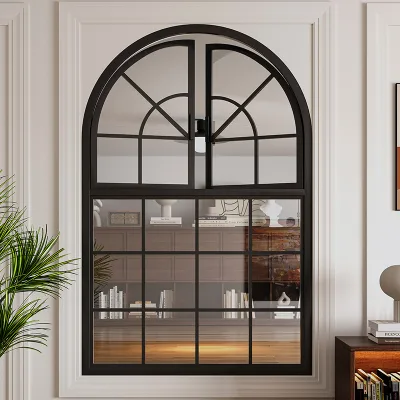


Well Designed Glass Partition Good Price Office Partition Stainless Steel Glass Partition
$85.00 - $95.00
MOQ: 10 Square Meters
Comprehensive Sourcing Guide
Strategic Sourcing Guide for Modern Single Roll Glass Partitions
The procurement of modern single roll glass partitions requires a disciplined approach that balances aesthetic requirements with rigorous technical verification. In the B2B market, buyers often encounter a wide spectrum of products labeled under similar terms, ranging from basic interior dividers to high-performance architectural glazing systems. This guide synthesizes observed market data and verified product attributes to provide a framework for evaluating suppliers, ensuring compliance, and securing long-term value. The focus remains on "Modern" styling, which frequently intersects with European, Simple, and Bauhaus design philosophies, as well as the specific material and structural properties observed in current supply chains.
Technical Specifications and Material Composition
When sourcing modern single roll glass partitions, the primary technical differentiator lies in the material composition and the specific glass thickness configurations. The market data indicates a clear divergence between standard glass products and specialized partition systems. For instance, specific product lines are identified with a glass thickness of 10mm or 12mm, which is a common specification for structural integrity in sliding or swinging door applications. Conversely, other segments of the market offer "Dgu" (Double Glazed Unit) configurations with thicknesses ranging from 19mm to 35mm, suggesting a higher tier of thermal and acoustic performance.
The base material for the framing and structural components is predominantly identified as Metal, specifically utilizing 6063-T5 Aluminum Alloy. This alloy is selected for its balance of strength, corrosion resistance, and ease of extrusion, which is critical for achieving the "Modern" and "European" styles observed in the product catalog. The glass itself is often described as "Ultra Clear" with a visible light transmittance ranging between 86% and 89%, a crucial metric for maintaining the open, airy feel associated with modern interior design.
Process capabilities further define the product's versatility. Buyers should verify if the supplier offers advanced processing techniques such as Etching, Sand Blasting, or the ability to produce Laminated, Tempered, and Coated Glass variants. These processes are not merely aesthetic; they directly impact the safety and durability of the partition. For example, the transition from standard flat glass to tempered or laminated glass is often a mandatory requirement for commercial applications to meet safety codes. The structural configuration is typically "Solid," ensuring that the partition provides the necessary rigidity without the need for additional framing supports in many modern installations.
Compliance, Certification, and Safety Standards
Navigating the certification landscape is a critical step in the procurement process. The observed market data reveals a fragmented but robust set of certifications that buyers must verify. Common certifications include CCC (China Compulsory Certification), ISO (International Organization for Standardization), CE (Conformité Européenne), and SGCC. The presence of "ISO" and "CE" on product documentation is a strong indicator of adherence to international quality and safety management systems, though the specific ISO standard (e.g., 9001 for quality or 14001 for environment) should be explicitly confirmed in the supplier's documentation.
Safety performance is quantified through specific attributes observed in the supply chain. High-performance units are noted to achieve Sound Insulation levels of 35dB (Level 4) and Air Tightness at Level 5. Thermal performance is also a key differentiator, with some units boasting Heat Insulation ratings between 2.3 and 2.8 (Level 5/6). These numerical values are not universal; they represent specific product models such as the "Bauhaus Romain Single Glass Series" or the "KH343" and "KH345" models. Buyers must request test reports for these specific metrics rather than relying on general marketing claims, as the performance of a partition is directly tied to its specific glazing configuration and sealing technology.
Furthermore, the standard for the aluminum alloy is explicitly cited as 6063-T5. Verifying that the supplier sources material meeting this specific standard is essential for ensuring the longevity and structural stability of the partition. The "New" condition of the products is a standard expectation, but the "Customized" nature of the certification and product attributes means that buyers must ensure the specific batch they order matches the certified specifications.
Cost Drivers and Pricing Dynamics
The pricing structure for modern single roll glass partitions is highly variable, reflecting the complexity of customization and the scale of the order. The observed price range in the market spans from $1 to $6,000 USD. This vast disparity is driven by several factors, including the thickness of the glass, the complexity of the aluminum alloy extrusion, and the level of customization required. A basic 5mm flat glass unit will naturally fall at the lower end of this spectrum, while a fully customized, double-glazed unit with sand-blasting and laminated processing will command a premium price.
Minimum Order Quantity (MOQ) is another significant cost driver. The market data indicates an MOQ range from 1 to 1,000 units. Suppliers offering an MOQ of 1 are typically catering to small-scale renovations or prototype testing, whereas those requiring 1,000 units are oriented toward large-scale commercial projects. The "Customized" attribute is a double-edged sword in terms of cost; while it allows for perfect design alignment, it often increases the per-unit cost due to the setup and tooling required for non-standard sizes or finishes.
Buyers should also consider the packaging costs, which vary based on the shipping destination and the fragility of the product. Options range from simple EPE Foam and Bubble Wrap to more robust EPE Foam combined with Plywood or Seaworthy Plywood Crates. The latter is essential for international shipping to prevent damage during transit but adds to the overall landed cost. The "Service" attribute, specifically OEM and ODM capabilities, also influences pricing, as these services involve additional engineering and design fees.
Typical Applications and Design Integration
The versatility of modern single roll glass partitions makes them suitable for a wide array of applications, including Furniture, Doors, Building structures, and Windows. The "Modern" style, often characterized by clean lines and minimal framing, is particularly well-suited for contemporary office environments, high-end retail spaces, and residential interiors. The "Sliding" and "Swing" opening mechanisms observed in the product data allow for flexible spatial planning, enabling partitions to function as both room dividers and functional entryways.
The "European" and "Simple" design styles suggest a preference for unobtrusive hardware and clear glass that maximizes natural light. This is particularly relevant in open-plan office designs where visual connectivity is desired without sacrificing acoustic privacy. The "Antique" style, while less common in the "Modern" keyword context, is also available, indicating that suppliers can cater to mixed-design aesthetics if required.
The specific dimensions observed, such as 18302440mm or custom sizes like 33002250mm, highlight the need for precise measurement during the procurement phase. The ability to order "Customised" sizes is a critical feature for projects with non-standard architectural constraints. Buyers must ensure that the supplier's production capabilities align with the specific size requirements of the project, as the "Other Size" attribute suggests flexibility but requires clear communication to avoid errors.
Supplier Evaluation and Quality Control
Evaluating a supplier for modern single roll glass partitions requires a multi-faceted approach. The "Customized" nature of the products means that the supplier's engineering and design capabilities are as important as their manufacturing capacity. Buyers should verify the supplier's experience with OEM and ODM services, as this indicates a willingness to collaborate on design modifications. The "Condition: New" attribute is a baseline, but the physical inspection of samples is necessary to verify the "Elegant Appearance" and "Sturdy" claims.
Quality control should focus on the consistency of the aluminum alloy standard (6063-T5) and the precision of the glass thickness (10mm/12mm or 19-35mm). The "Sound Insulation" and "Air Tightness" levels should be validated through third-party testing reports. Additionally, the packaging method is a proxy for the supplier's attention to detail; the use of "Seaworthy Plywood Crates" suggests a commitment to protecting the product during long-distance shipping, which is a key indicator of reliability.
The "Origin: China" is a common attribute in the current market data. While this provides access to a vast manufacturing base, buyers must conduct due diligence regarding the specific factory's quality management systems. The presence of certifications like CCC, ISO, and CE is a positive signal, but the validity of these certificates should be cross-referenced with the issuing bodies.
Long-Term Procurement Considerations
Sourcing modern single roll glass partitions is not a one-time transaction but a strategic partnership that impacts the long-term performance of the building. The "Environmental Protection" advantage listed in the product attributes suggests that the materials used may have a lower environmental impact, which is increasingly important for LEED-certified projects. Buyers should inquire about the recyclability of the aluminum alloy and the glass components.
Maintenance is another long-term consideration. The "Etched" and "Sand Blasting" processes can affect the ease of cleaning and the durability of the finish over time. Buyers should request information on the recommended cleaning agents and maintenance schedules to ensure the "Elegant Appearance" is preserved. The "Service" attribute, including OEM and ODM support, also implies a long-term relationship where the supplier can provide spare parts or replacement panels if the initial order is damaged or if design changes are needed later.
Finally, the lead time and supply chain resilience should be evaluated. While specific lead times are not provided in the data, the complexity of customization and the MOQ requirements suggest that planning for longer lead times is prudent for large orders. Buyers should establish clear communication channels with the supplier to manage expectations regarding production schedules and delivery timelines, ensuring that the project remains on track.
Conclusion
The procurement of modern single roll glass partitions is a complex process that demands a thorough understanding of technical specifications, certification requirements, and cost drivers. By focusing on the verified attributes such as the 6063-T5 aluminum alloy, specific glass thicknesses, and performance metrics like sound insulation and air tightness, buyers can make informed decisions that align with their project goals. The market offers a wide range of options, from basic 5mm units to high-performance double-glazed systems, each with its own set of advantages and considerations. Success in this domain relies on rigorous supplier evaluation, clear communication of customization needs, and a commitment to quality control throughout the procurement lifecycle.
FAQs
What certifications are available for modern single roll glass partitions?
Common certifications include CCC, ISO, CE, and SGCC. Buyers should verify specific ISO and CE documents for each batch to ensure compliance with international safety and quality standards before placing an order.
Which glass thickness options are offered for these partitions?
Standard options include 10mm or 12mm glass, while double-glazed units range from 19mm to 35mm. Other thicknesses from 3mm to 12mm are also available depending on the specific model and application requirements.
Can I customize the size and style of the glass partition?
Yes, customization is available for size, color, and style including Modern, European, and Antique designs. Suppliers offer OEM and ODM services to produce custom dimensions like 1830*2440mm or other specified sizes.
How much does a Modern Single Roll Glass Partition cost?
Prices range from 1 to 6000 USD depending on thickness, processing, and customization levels. The final cost is influenced by the Minimum Order Quantity and the specific packaging method required for shipping.
What is the minimum order quantity for these glass partitions?
The minimum order quantity varies from 1 to 1000 units based on the supplier and product type. Small orders of one unit are possible for prototypes, while large commercial projects may require higher quantities.
Which aluminum alloy standard is used for the frame?
The frame typically uses 6063-T5 Aluminum Alloy for strength and corrosion resistance. This standard ensures the structural integrity required for sliding or swinging door mechanisms in modern architectural applications.
What performance levels do these partitions achieve for sound and heat?
Some models achieve Sound Insulation of 35dB Level 4 and Air Tightness at Level 5. Heat Insulation ratings can reach 2.3-2.8 Level 5/6, providing significant thermal and acoustic benefits for interior spaces.