Source Modern Unfolded Baking Pan Rack for Bread Cake and Pizza
Compare 30 listings for Modern Unfolded Baking Pan Rack options suitable for cooling bread, cakes, and pizzas. Buyers can review specifications, materials, and customization availability to find the right supplier for their bakery needs.
Key considerations
Products List

Bakery Stainless Steel Bread Baking Tray Racks Bread Toast Cooling Rack
$200.00 - $280.00
MOQ: 1 Pieces

Customized Stainless Steel Bakery Oven Rack Cart Kitchen Plate Storage Rack
$200.00 - $280.00
MOQ: 1 Pieces


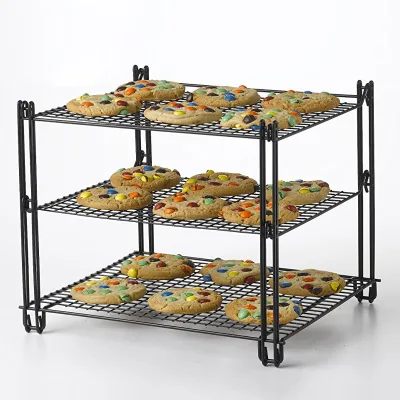
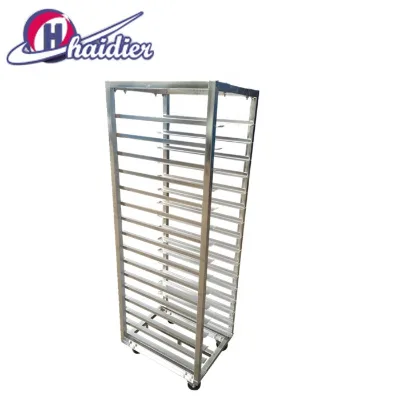
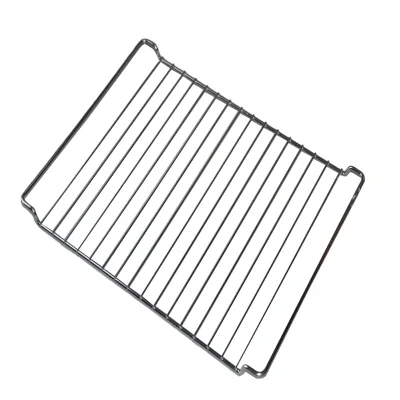
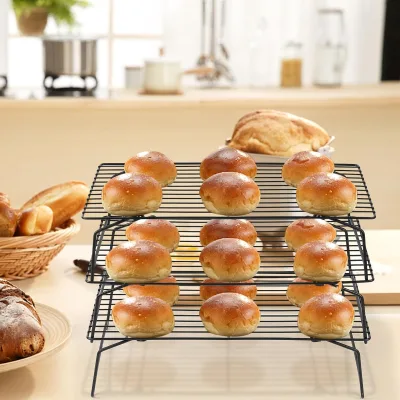

Latest Design Commercial Bakery Baking Pan Kitchen Storage Stackable Trolley
$80.73 - $90.73
MOQ: 250 Pieces

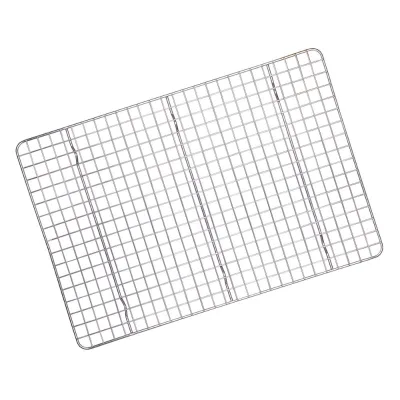


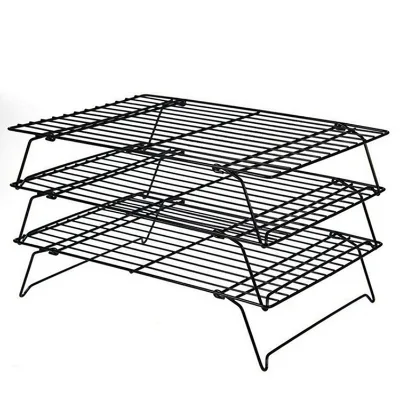


Comprehensive Sourcing Guide
Strategic Sourcing Guide for Modern Unfolded Baking Pan Racks
The global demand for professional-grade bakery equipment continues to rise, driven by the expansion of commercial kitchens and artisanal baking trends. Among the essential tools for these operations, the Modern Unfolded Baking Pan Rack stands out as a critical component for workflow efficiency and product quality. This guide provides a comprehensive, evidence-based framework for procurement professionals seeking to source these specific units. By analyzing observed market data, technical attributes, and supplier capabilities, buyers can navigate the complexities of the supply chain with confidence, ensuring that selected products align with operational requirements without relying on unverified marketing claims.
Technical Specifications and Material Composition
Understanding the physical and functional specifications of a baking rack is the first step in the procurement process. The market offers a diverse range of configurations, from standard fixed units to custom-engineered solutions. Based on current product listings, the core material composition varies significantly between suppliers. Some units are constructed from stainless steel, a material favored for its corrosion resistance and ease of sanitation in high-humidity bakery environments. Conversely, other listings indicate the use of iron steel, often subjected to chrome plating or non-stick coatings to enhance durability and prevent food adhesion.
The structural design of these racks is equally varied. While some products are marketed as "unfolded" or "standing type" units, others are described as single-tier or multi-tier configurations. The dimensions observed in the market range from compact units measuring approximately 13.5 x 11.5 x 11.5 inches to larger industrial units with dimensions of 600*800mm. A critical observation is the prevalence of "customized" sizing, where manufacturers offer bespoke dimensions to fit specific oven or storage spaces. The dimensional tolerance for these custom units is often cited as less than ±5mm, a figure that buyers should verify through technical drawings before finalizing orders.
Furthermore, the surface treatment plays a vital role in the rack's longevity. Chrome plating is a common finish observed in the market, providing a smooth surface that resists rust and simplifies cleaning. However, the presence of non-stick coatings on specific models introduces a different set of maintenance requirements. Buyers must distinguish between racks designed for cooling baked goods, such as cakes and breads, and those intended for use directly inside an oven. The functional design often claims compatibility with all types of cookware, but the specific application—whether for cooling, drying, or storage—must be clearly defined in the purchase order to avoid performance mismatches.
Compliance, Certification, and Safety Standards
In the B2B food service sector, compliance with safety and hygiene standards is non-negotiable. While specific certification bodies are not universally listed for every product in the current market data, buyers must rigorously verify that materials meet food-grade safety requirements. The observed product attributes frequently mention "Eco-friendly," "Safety," "Healthy," and "Natural" as advantages. These terms, while positive, are marketing descriptors rather than certified guarantees. A prudent procurement strategy involves requesting independent test reports that confirm the absence of harmful substances in the metal alloys and coatings used.
For stainless steel and iron steel components, the buyer should verify compliance with international food contact material standards, such as those governing heavy metal leaching and surface finish roughness. The "Disposable" feature noted in some listings presents a unique compliance challenge; if a rack is marketed as disposable, it implies a single-use lifecycle that may conflict with sustainability goals or waste management regulations in certain jurisdictions. Conversely, other listings emphasize "Sustainable" and "Eco-friendly" features, suggesting a reusable design. This contradiction highlights the necessity of clarifying the intended lifecycle of the product during the supplier evaluation phase.
Additionally, the "Non-folding Rack" classification suggests a fixed structure that may offer greater stability than collapsible alternatives. For commercial kitchens where safety is paramount, a standing type that does not rely on complex folding mechanisms reduces the risk of mechanical failure during use. Buyers should also inquire about the specific surface treatment processes to ensure they do not release toxic fumes at high temperatures, particularly if the rack is intended for oven use. The "Chrome plating" process, for instance, must be conducted in a manner that ensures the coating is fully cured and adherent to prevent flaking into food products.
Cost Drivers and Pricing Dynamics
The pricing structure for modern baking racks is influenced by a complex interplay of material costs, manufacturing complexity, and order volume. The observed price range in the market spans from $0.90 to $280.00 USD, a disparity that reflects the vast difference between basic, single-item units and large, custom-engineered commercial racks. The lower end of this spectrum likely corresponds to simple, single-tier iron steel units with minimal finishing, while the higher end encompasses large stainless steel systems with custom dimensions and specialized coatings.
A significant cost driver is the Minimum Order Quantity (MOQ). The data indicates an MOQ range of 1 to 1000 pieces. Some suppliers list an MOQ of 1000 pieces, which can be a barrier for small businesses or those testing new product lines. However, other listings show an MOQ of just 1 piece, suggesting a more flexible supply chain for smaller orders, albeit potentially at a higher unit cost. Buyers must calculate the total cost of ownership, factoring in the unit price, shipping costs, and the impact of bulk purchasing on cash flow.
The packaging method also contributes to the overall cost. Listings mention "Wooden Case" and "Brown box" as standard packing options. Wooden cases, while offering superior protection for large or heavy racks, add to the shipping weight and volume, thereby increasing logistics costs. In contrast, brown boxes are more cost-effective for smaller units but may require additional handling precautions. The single gross weight of the products, ranging from 1.0 kg to 2.0 kg, further influences freight charges. Buyers should request detailed Incoterms to understand exactly where the cost responsibility transfers from the supplier to the buyer, ensuring that the quoted price reflects the true landed cost.
Typical Applications and Functional Versatility
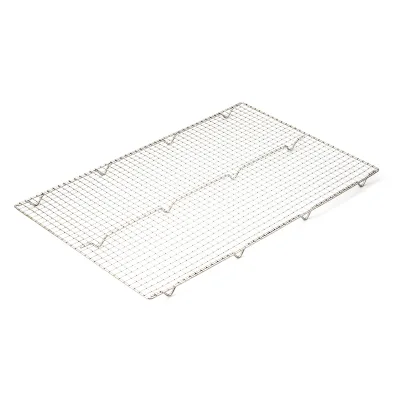
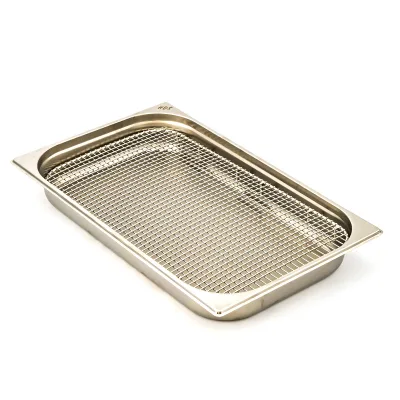
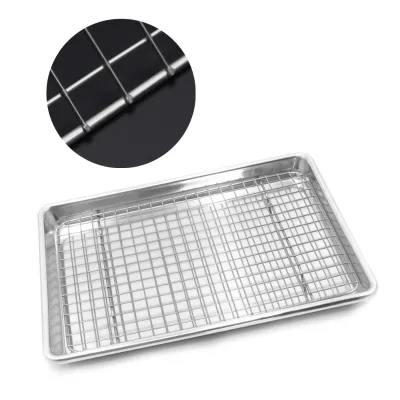
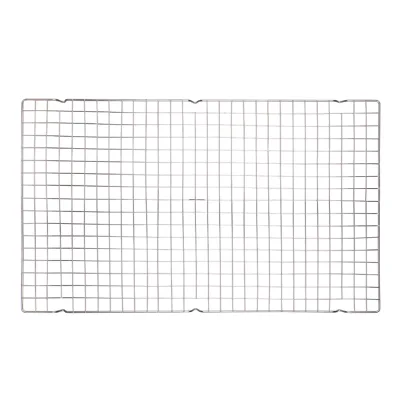
Modern unfolded baking pan racks are designed to serve multiple functions within a commercial kitchen environment. The primary application observed is for cooling baked goods, including bread, cakes, hamburgers, toast, and pizza. The "cake cooling rack" designation is particularly common, indicating a design optimized for airflow to prevent sogginess and ensure even drying. These racks are essential for maintaining the structural integrity of delicate pastries and preventing condensation buildup.
Beyond cooling, the functional design of these units often supports storage and organization. The "Storage Holders & Racks" classification suggests that these units can be used to store baking pans, trays, or finished products in a kitchen setting. The "applicable space" is consistently identified as the kitchen, but the versatility extends to commercial bakeries, catering services, and even large-scale institutional kitchens. The "Multifunctional" feature implies that a single unit can be adapted for various tasks, such as drying dough, cooling cookies, or organizing ingredients.
The "OEM & ODM" capabilities of many suppliers indicate that these racks can be customized for specific branding or functional requirements. This flexibility allows businesses to integrate the racks into their existing workflow seamlessly. For instance, a bakery specializing in large-format pizzas might require a rack with specific dimensions to accommodate their unique pan sizes. The "Customized Shape" and "Customized Color" options further enhance the ability to match the aesthetic and functional needs of the brand. However, buyers must ensure that any customization does not compromise the structural integrity or safety of the unit.
Supplier Evaluation and Sourcing Strategy
Selecting the right supplier is critical for ensuring consistent quality and reliable delivery. The market data reveals a concentration of suppliers originating from China, with specific mentions of Guangdong as a place of origin. This region is known for its robust manufacturing infrastructure, but it also necessitates a thorough vetting process to ensure quality standards are met. Buyers should prioritize suppliers who demonstrate transparency regarding their production processes and material sourcing.
When evaluating suppliers, the "Delivery time" is a key metric. An observed lead time of 30 days is standard for many custom orders, but this can vary based on the complexity of the design and the current production load. Buyers should establish clear communication channels to monitor production progress and mitigate potential delays. The "Stocked" feature mentioned in some listings suggests that certain standard models are available for immediate shipment, which can be advantageous for urgent procurement needs.
The "Brand name" is another factor to consider. While some products are listed under specific brands like "CAIZHU" or "ATA," many are sold as generic or white-label items. For businesses looking to build a strong brand identity, OEM capabilities are essential. Buyers should assess the supplier's willingness to accommodate branding requirements and their track record in delivering custom orders. Additionally, the "Highly Welcomed" attitude toward OEM and ODM requests indicates a supplier's flexibility, but it is crucial to verify their capacity to handle these requests without compromising quality.
Quality Control and Long-Term Procurement Considerations
Implementing a robust quality control (QC) protocol is essential for mitigating risks associated with sourcing baking racks. Given the variations in materials and finishes, buyers should establish clear acceptance criteria before production begins. This includes verifying the material composition, checking the dimensional tolerance against the ±5mm standard, and inspecting the surface treatment for defects such as peeling or uneven plating. The "Single gross weight" and "Single package size" should also be verified to ensure they match the specifications provided in the purchase order.
Long-term procurement considerations involve building a sustainable relationship with suppliers who can scale with the buyer's business. The "Customization" availability is a significant advantage, allowing buyers to adapt to changing market demands without switching suppliers. However, buyers must also consider the lifecycle of the product. While some units are marketed as "Disposable," the majority of commercial operations will require durable, reusable racks. The "Advantage" attributes of "Durable" and "Healthy" should be validated through long-term usage data and customer feedback.
Finally, buyers should maintain a strategic inventory of critical spare parts or replacement units to minimize downtime. The "Wooden Case" and "Brown box" packaging options should be evaluated for their suitability for long-term storage and transport. By focusing on these technical and operational details, procurement professionals can secure a reliable supply of modern unfolded baking pan racks that meet the rigorous demands of the commercial baking industry.
| Attribute Category | Observed Variations | Procurement Verification Point |
|---|---|---|
| Material | Stainless Steel, Iron Steel, Metal | Request material certification and food-grade compliance. |
| Dimensions | 600*800mm, 13.5x11.5x11.5 inches, Custom | Verify dimensional tolerance (<±5mm) and fit for purpose. |
| Finish | Chrome Plating, Non-stick Coating | Inspect for adhesion and safety at high temperatures. |
| MOQ | 1 to 1000 pcs | Align order volume with cash flow and storage capacity. |
| Origin | China (Guangdong) | Verify factory audit status and production capacity. |
| Packaging | Wooden Case, Brown Box | Assess protection level vs. shipping cost. |
| Lead Time | 30 Days (Standard) | Confirm production schedule and buffer for delays. |
FAQs
What materials are used for modern unfolded baking pan racks?
These racks are constructed from stainless steel or iron steel, often featuring chrome plating or non-stick coatings. Buyers must verify the specific material composition as listings vary between corrosion-resistant stainless steel and plated iron steel depending on the supplier.
Can I order custom dimensions for these baking racks?
Yes, customization is available with options for specific sizes like 600*800mm or 13.5 x 11.5 x 11.5 inches. Manufacturers also offer customized shapes and colors, though dimensional tolerances typically remain within plus or minus 5mm for precision.
What is the typical minimum order quantity for these racks?
The minimum order quantity ranges from 1 piece to 1000 pieces depending on the supplier and product type. Some standard models allow single-item purchases, while others require bulk orders of 1000 pieces to meet production thresholds.
How long does it take to receive a custom order?
The standard delivery time for these units is approximately 30 days from the order confirmation date. Lead times may vary based on the complexity of customization and current production capacity of the factory in Guangdong, China.
Which packaging options are available for shipping these racks?
Racks are typically packed in wooden cases or brown boxes depending on the product size and weight. The single gross weight ranges from 1.0 kg to 2.0 kg, influencing the choice between protective wooden cases and standard brown boxes.
Are these racks suitable for oven use and cooling?
These units serve dual purposes for cooling baked goods like bread and cakes or for use inside ovens. Their design supports airflow for drying while maintaining structural integrity for storage and organization in commercial kitchen environments.